Quick Answer
To brew a green tea blend without bitterness, use water at 160–180°F (70–80°C), steep for 2–3 minutes, and use about 1 teaspoon of tea per 8 ounces of water. Adjust these variables based on your blend's ingredients, and always taste before adding more time.
Bitterness in green tea is almost never the tea's fault—it's usually a sign of water that's too hot, leaves that steep too long, or too much tea in the cup. The good news is that once you understand the three controls—temperature, time, and leaf amount—you can brew a smooth, naturally sweet cup every time, even with blends that include herbs or spices.
Green tea blends like those from Swachh Tea combine premium green tea leaves with ingredients like tulsi, ashwagandha, or even chocolate. Each blend has its own personality, but the brewing principles stay the same. In this guide, we'll walk you through the exact steps to avoid bitterness and get the most flavor from your blend.
Why Green Tea Blends Turn Bitter
Bitterness comes from compounds called catechins and tannins that are released when green tea leaves are exposed to high heat or steeped for too long. Unlike black tea, green tea leaves are less oxidized, so they are more delicate and need gentler treatment. When you pour boiling water over them, the leaves 'cook' and release a harsh, astringent taste.
Blends can be even more forgiving if they include herbs like tulsi or ashwagandha, which add their own flavors and can soften the brew. But the green tea base still needs the right conditions. The key is to control the water temperature and steeping time so the sweet, grassy notes come forward without the bitter ones.
- Use a thermometer or an electric kettle with temperature settings—guessing can lead to bitter tea.
The Golden Rules: Temperature, Time, and Leaf Ratio
The ideal water temperature for most green tea blends is between 160°F and 180°F (70–80°C). If you don't have a thermometer, bring water to a boil and let it cool for 2–3 minutes. This simple step prevents the leaves from scorching and keeps the cup smooth.
Steep for 2–3 minutes. Any longer and the tea will become astringent. Start with 2 minutes for a lighter cup and adjust to 3 minutes if you prefer more strength. Use about 1 teaspoon (2–3 grams) of loose tea per 8 ounces of water. If your blend has large pieces or whole herbs, you might need a bit more volume.
- Always measure your tea—eyeballing can lead to over-brewing and bitterness.
Adjusting for Different Blend Ingredients
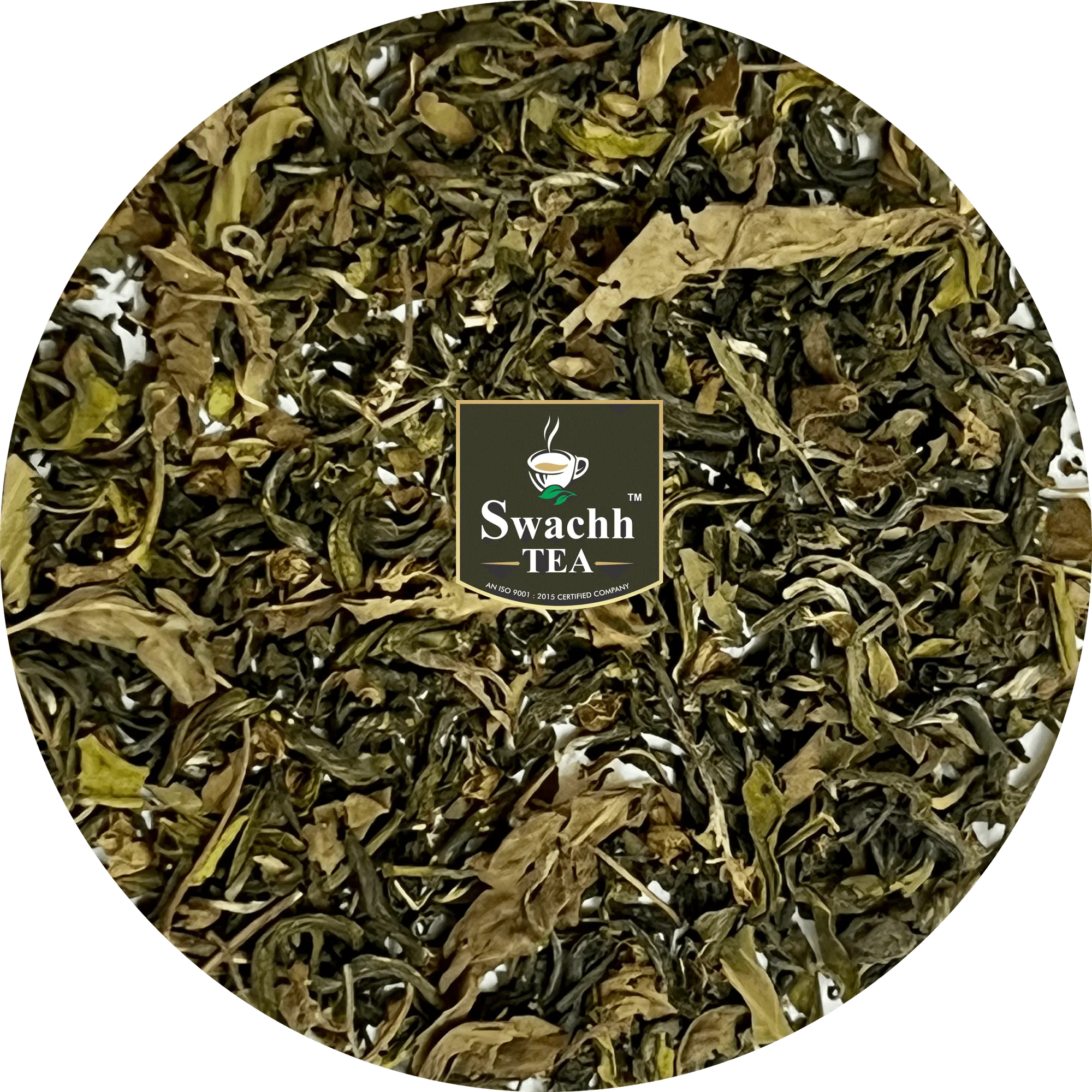
Herbal additions like tulsi or ashwagandha can handle slightly hotter water and longer steeping times than plain green tea. For example, a https://swachhteayc.com/products/tulsi-green-tea-6bb672030e98d2763d91f038-780986tulsi green tea blend can be steeped at 180°F for 3 minutes without losing its soothing character. This is because the herbs add body and reduce the perceived bitterness of the green tea base.
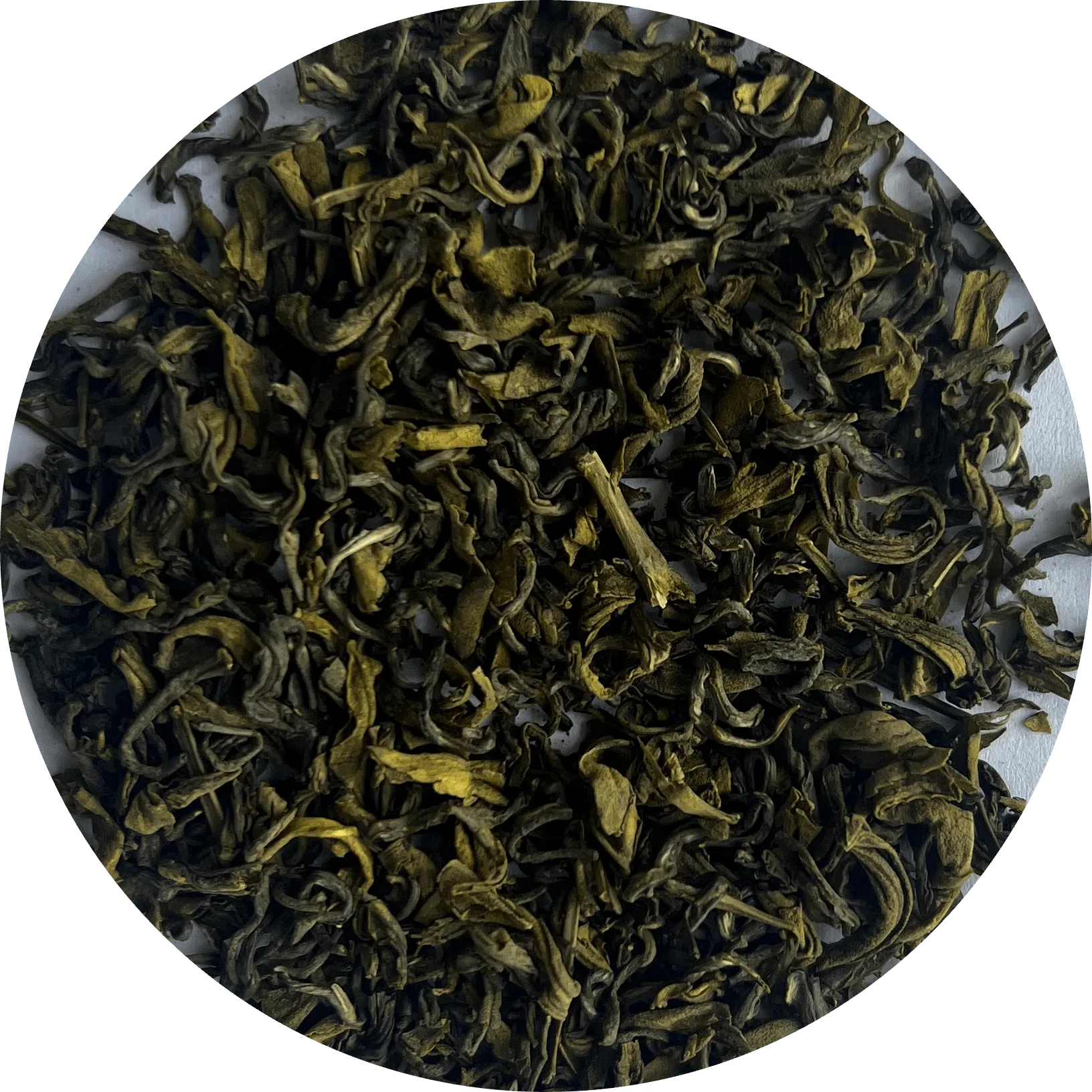
On the other hand, a delicate Darjeeling green tea is best at the lower end of the temperature range—around 160–170°F—and for just 2 minutes. Pay attention to the blend's character: if it's mostly green tea, be more conservative; if it has robust herbs or spices, you have more leeway.
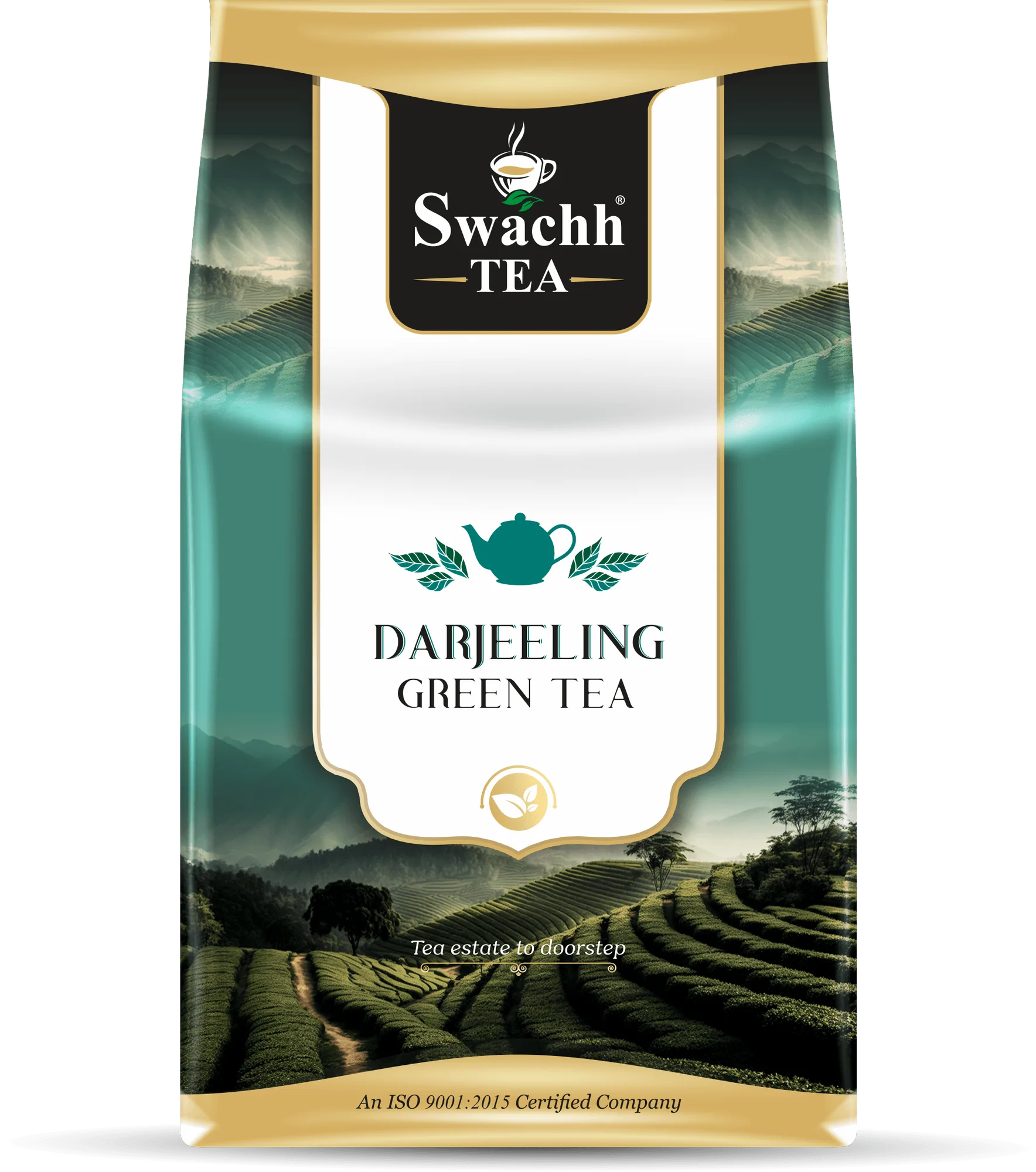
Darjeeling green tea
- Read the blend's description to know if it's designed for a specific brewing style.
6 Steps to a Bitter-Free Green Tea Blend
- Start with fresh, filtered water: Use cold, filtered water. Reboiling water depletes oxygen and can make the tea taste flat. Bring fresh water to a boil. Checkpoint: If your tap water has a strong taste, filtering it will improve the tea's flavor.
- Cool the water to the right temperature: After boiling, let the water sit for 2–3 minutes to bring it down to 160–180°F (70–80°C). Or use a kettle with temperature control. Checkpoint: If you see steam but no rolling bubbles, it's likely in the right range.
- Measure your tea leaves: Use about 1 teaspoon (2–3 grams) of loose tea per 8-ounce cup. For blends with large pieces, use a slightly heaping teaspoon. Checkpoint: Too much tea is a common cause of bitterness—when in doubt, use a little less.
- Pour the water over the leaves: Place the tea in an infuser or teapot, then pour the hot water over it. Ensure all leaves are submerged. Checkpoint: If you're using a mug, a tea ball or infuser works well.
- Steep for 2–3 minutes: Set a timer. Start with 2 minutes for a lighter flavor and go up to 3 minutes for more strength. Do not exceed 3 minutes. Checkpoint: Taste at 2 minutes; if it's too weak, steep another 30 seconds.
- Remove the leaves promptly: Take out the infuser or strain the tea as soon as the time is up. Leaving the leaves in will continue to extract and cause bitterness. Checkpoint: If you're making a second infusion, use slightly hotter water and steep for 30–60 seconds less.
Green Tea Blends to Try
- Tulsi Green Tea: Embrace the holistic goodness of our Tulsi Green Tea, a harmonious blend of premium green tea leaves and the sacred tulsi (holy basil) leaves. This herbal infusion not only rejuvenates your senses but also offers a wealth of health benefits. The tulsi adds a slightly sweet, earthy note that can help balance the green tea's natural astringency, making it more forgiving to brew.
- Ashwagandha Green Tea: Ashwagandha is a clinically studied adaptogen for stress relief, and this blend combines green tea antioxidants with Ashwagandha's calming energy. The adaptogenic herbs can handle a slightly longer steep without turning bitter, so you can experiment with 3 minutes for a more robust cup.
With these six steps, you'll be able to brew a smooth, flavorful green tea blend every time—no bitterness, no guesswork. Whether you're enjoying a tulsi-infused blend or a pure Darjeeling green tea, the right temperature and timing make all the difference. Experiment with your favorite Swachh Tea blends and find your perfect cup.