Why Gyokuro Brewing Is Different from Other Green Teas
Gyokuro is not your everyday green tea. Known as "Precious Dew," it is shaded for three weeks before harvest to boost chlorophyll and amino acids while reducing astringent tannins. The result is a sweet, savory umami flavor with zero bitterness — but only if you brew it correctly.
The key difference is temperature. Gyokuro's delicate leaves are easily scorched by boiling water, which destroys the complex flavor chemistry developed during its labor-intensive cultivation. Brewing at the right temperature preserves the deep umami, natural sweetness, and velvety texture that make this tea exceptional.
What the Catalog Says About Gyokuro
-
Gyokuro Japanese Green Tea - Loose Leaf: Gyokuro is traditionally steeped at significantly cooler water temperatures (approx. 120°F to 140°F / 50°C to 60°C) to prevent thermal scorching. This temperature range is the single most important factor for brewing Gyokuro successfully. Water that is too hot will ruin the flavor profile.
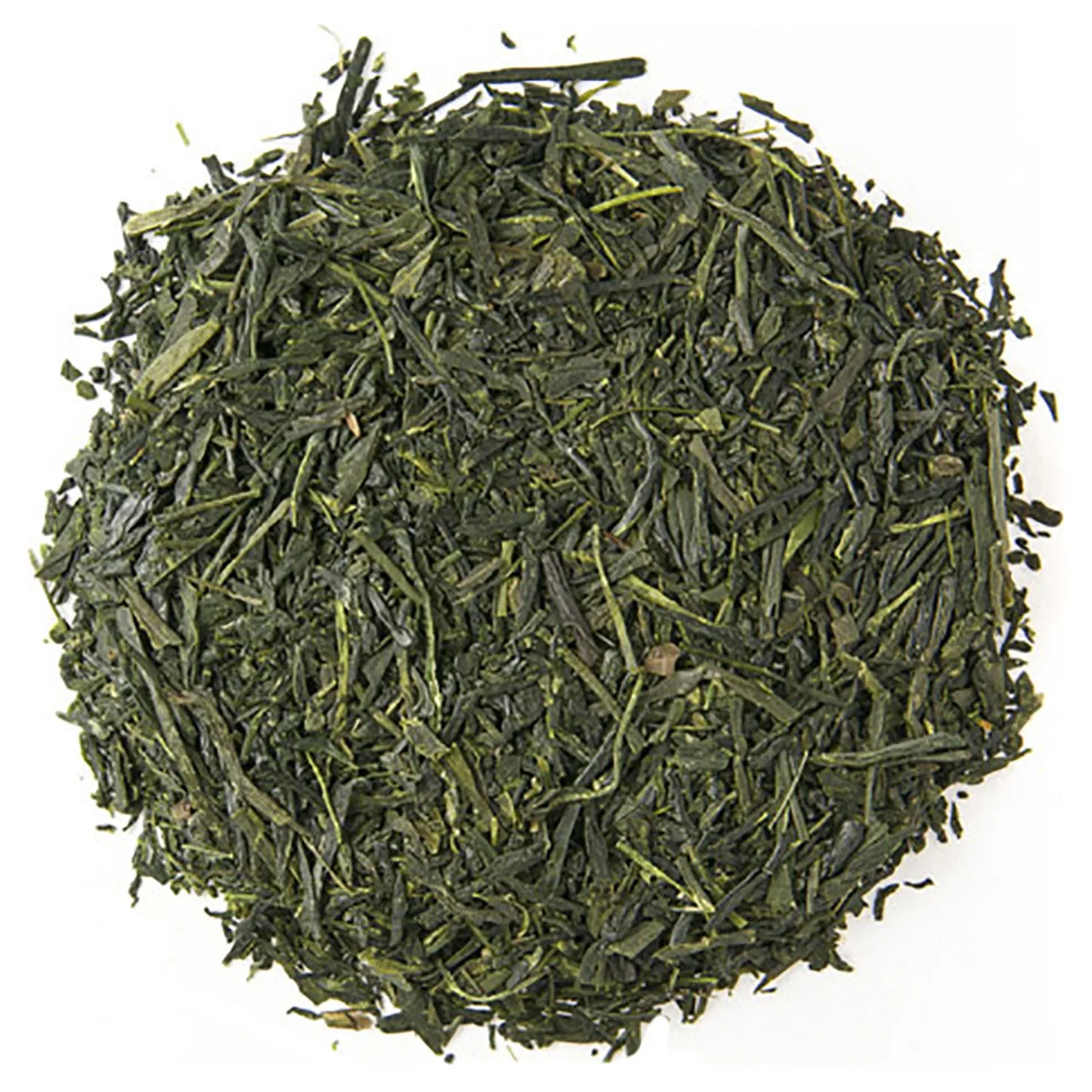
Gyokuro Japanese Green Tea - Loose Leaf
-
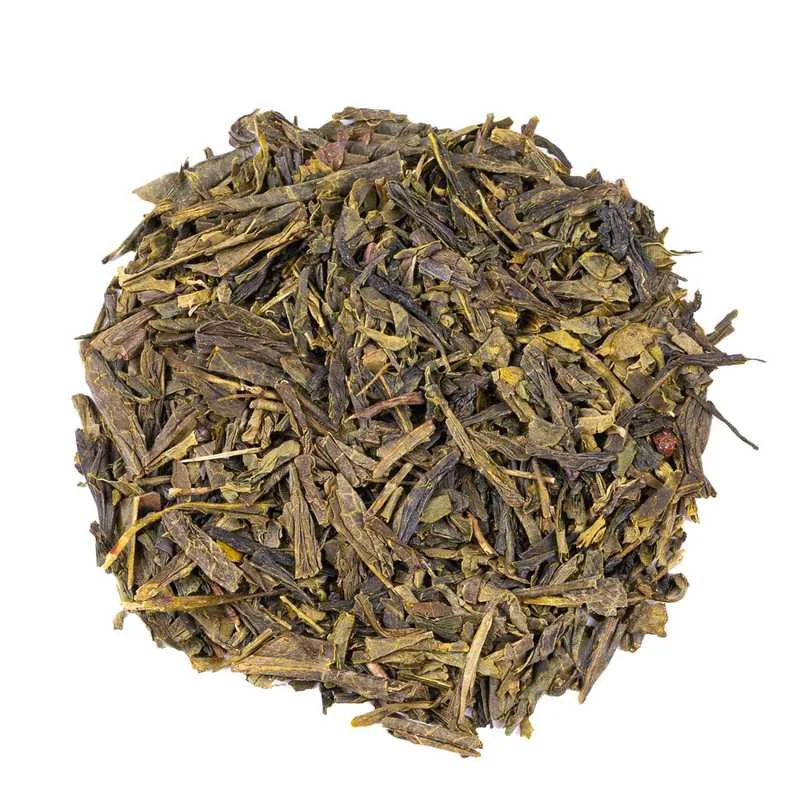
Gyokuro Japanese Green Tea - Loose Leaf: The leaves are artisanal, long, thin dark-green needles (approx. 3/4-inch length) that have been carefully dried to a 4–6% stable moisture profile. The fine needle shape and low moisture mean the leaves infuse quickly. You do not need long steeping times — the flavor extracts efficiently at the correct temperature.
Step-by-Step: Brewing Gyokuro at Home
Start by heating water to between 120°F and 140°F (50°C–60°C). If you do not have a temperature-controlled kettle, bring water to a boil and let it cool in the kettle or a separate vessel for several minutes until it is warm to the touch but not steaming.
Use about 1 teaspoon of Gyokuro leaves per 6–8 ounces of water. The leaves are delicate needles, so a gentle scoop works well. Place them in a teapot — a traditional Japanese Kyusu is ideal, but any small pot or cup infuser works.
Pour the heated water over the leaves and let them steep. The exact duration depends on your taste, but Gyokuro's flavor extracts quickly. Start with a short steep and taste as you go. The liquor will be a glowing, pale emerald color.
Pour the tea completely into your cup or a serving vessel to stop the leaves from over-steeping in the water. Gyokuro can be re-steeped multiple times; each infusion reveals different layers of sweetness and umami.
Adjusting to Your Taste
The supplied information does not specify exact steeping times, so you have room to experiment. If you prefer a lighter, more delicate cup, use cooler water toward 120°F and a shorter steep. For a fuller, more savory brew, use water closer to 140°F and steep a little longer.
The catalog describes the cup profile as "exceedingly smooth, full-flavored, and bright; dominated by deep umami characteristics, zero bitterness, a natural vegetative sweetness, and a clean, refreshing finish." Your goal is to find the combination that delivers this profile to your palate.
Because Gyokuro has a medium-low caffeine level, it is suitable for multiple infusions throughout a sitting. Each re-steep will extract different notes, so enjoy the evolution.
Choosing the Right Vessel and Serving Style
For an authentic experience, the catalog recommends using a traditional Japanese Kyusu (side-handled teapot) and pouring in slow increments into small, handle-less porcelain cups. This method allows you to appreciate the aroma and color of each infusion.
If you do not have a Kyusu, any small teapot or a cup with a fine-mesh infuser will work. The key is to use a vessel that allows the leaves room to expand and that lets you pour off the tea completely between infusions.
Gyokuro is available in 1oz sampler packs, 4oz, and 16oz sizes, so you can try a small quantity first to perfect your brewing technique before committing to a larger package.