Quick answer
Whisk 1 to 2 grams (about 1/2 to 1 teaspoon) of hojicha powder with 2 to 3 ounces of hot water (about 175°F/80°C) until smooth, then add 6 to 8 ounces of steamed or cold milk. For an iced drink, whisk the powder with a small amount of hot water first to dissolve it, then pour over ice and cold milk. Hojicha powder is already roasted, so skip the boiling water you might use for other teas.
What makes hojicha powder different from matcha
Hojicha powder is made from roasted green tea leaves, while matcha is made from shade-grown, steamed, and dried leaves that are never roasted. That roasting step gives hojicha its reddish-brown color, toasty aroma, and lower bitterness. If you have struggled with matcha tasting grassy or astringent, hojicha powder is often a gentler starting point. The tradeoff is that hojicha powder does not have the same vivid green color or umami depth, so it will not work as a one-to-one swap in recipes that rely on matcha for those qualities.
Choosing your hojicha powder and milk
Look for hojicha powder that is finely milled and smells nutty and toasted rather than flat or dusty. Since hojicha is roasted, it pairs especially well with milk, including oat, soy, and dairy. For a latte, whole milk gives the creamiest body, while oat milk adds a slight sweetness that complements the roast. If you want a flavored twist, you can blend hojicha powder with other tea powders, but start with a plain cup to learn the base flavor first.
Whisking tips for a lump-free cup
Hojicha powder clumps easily if you dump it into a full cup of liquid. Always whisk it with a small amount of hot water first to form a smooth paste or thin shot, then add the rest of your liquid. A bamboo whisk (chasen) or a battery-powered frother works well; a regular fork will leave lumps. If you are using a frother, pulse it in short bursts rather than running it continuously, which can introduce too much air and make the drink foamy rather than silky.
Hot hojicha latte method
Heat 2 to 3 ounces of water to about 175°F (80°C). Pour it over 1 to 2 grams of hojicha powder and whisk until smooth. Steam or warm 6 to 8 ounces of milk, then pour it into the hojicha mixture while whisking gently. Taste and adjust: if it feels weak, add another 1/2 teaspoon of powder; if it feels too thick or bitter, add more milk. Avoid using boiling water, which can make the roast taste sharp and bitter.
Iced hojicha drink method
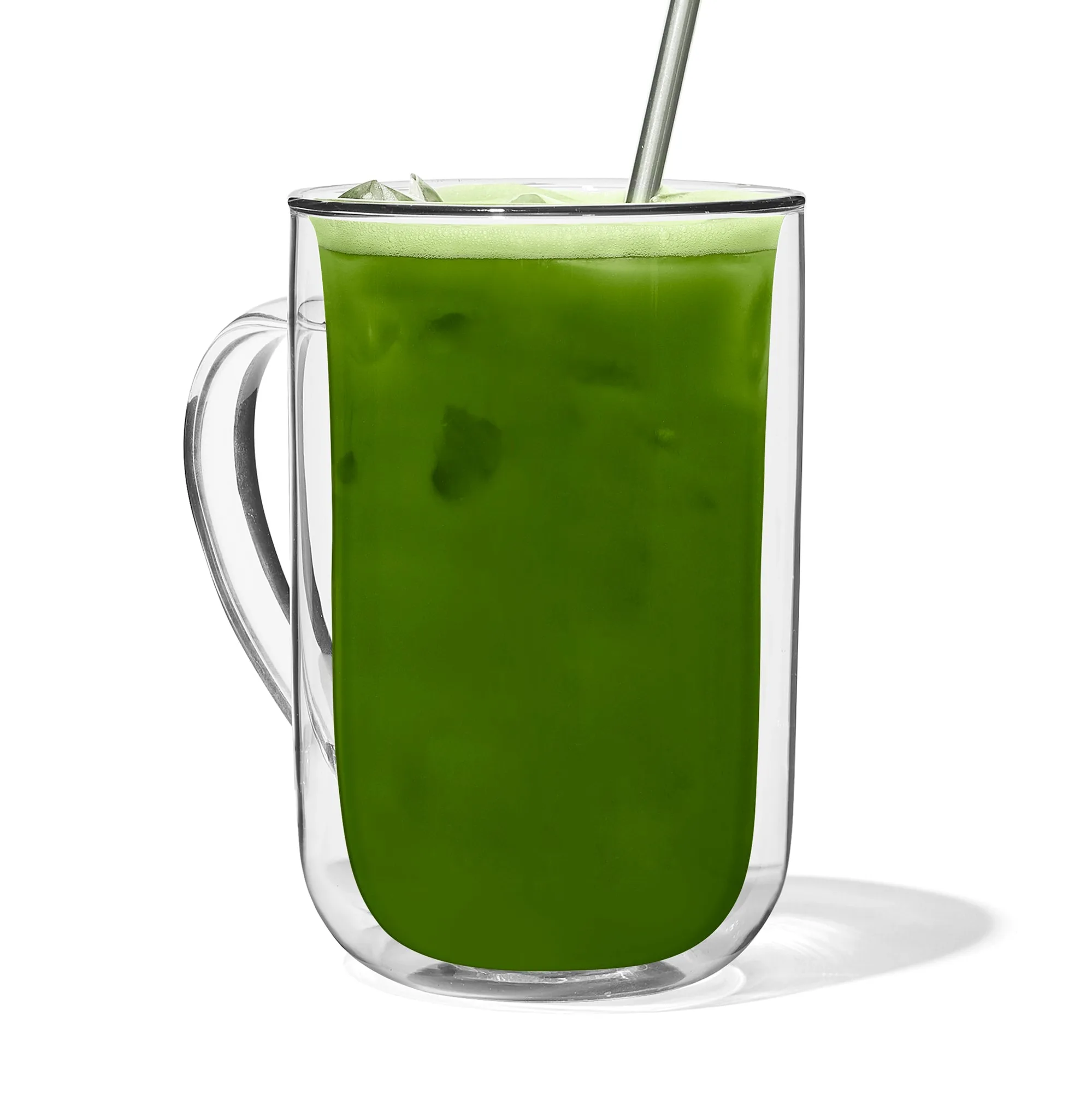
For an iced hojicha drink, whisk 1 to 2 grams of hojicha powder with 2 ounces of hot water until dissolved. Fill a glass with ice, pour in 6 to 8 ounces of cold milk, then pour the hojicha shot over the top. Stir before drinking. If you want a sweeter iced latte, add a liquid sweetener to the hot shot so it dissolves fully. For a dairy-free version, coconut milk adds a creamy, slightly tropical note that works well with the roasted flavor.
Step-by-step: brewing hojicha powder without lumps
- Measure the powder: Start with 1 to 2 grams (about 1/2 to 1 teaspoon) of hojicha powder for an 8-ounce drink. Use a scale if you have one; a heaping teaspoon can easily overshoot and make the drink bitter. Checkpoint: if you are unsure, start with 1/2 teaspoon and add more after tasting.
- Heat the water to 175°F (80°C): Boiling water can scorch roasted hojicha and bring out sharp, bitter notes. Let a kettle sit for a minute or two after boiling, or use a temperature-controlled kettle. Common mistake: pouring boiling water directly onto the powder.
- Whisk powder and water into a smooth shot: Pour the hot water over the powder in a small bowl or cup. Whisk in a zigzag motion or use a frother in short pulses until no dry clumps remain. Checkpoint: the mixture should look like a thin, even paste with no visible powder pockets.
- Add your milk: For a hot latte, warm 6 to 8 ounces of milk and pour it into the hojicha shot while whisking. For an iced drink, fill a glass with ice, add cold milk, then pour the hojicha shot over the top. Common mistake: adding cold milk to undissolved powder, which makes lumps that are hard to whisk out.
- Taste and adjust: Stir, then taste. Add a little more hojicha powder for a stronger roast flavor, more milk for a milder cup, or a sweetener if you prefer. Serve immediately. Next step: note your preferred ratio so you can repeat it without measuring every time.
Flavored matcha options to try alongside hojicha
- Organic Coconut Matcha: Organic Coconut Matcha is a sweet, smooth matcha with rich, creamy true-coconut flavor. It can be enjoyed iced, as a latte, or au naturel, and the catalog suggests trying it with coconut milk for an extra coconutty kick. If you like the creamy, tropical profile of an iced hojicha latte with coconut milk, this matcha gives you a similar dairy-free pairing to experiment with.
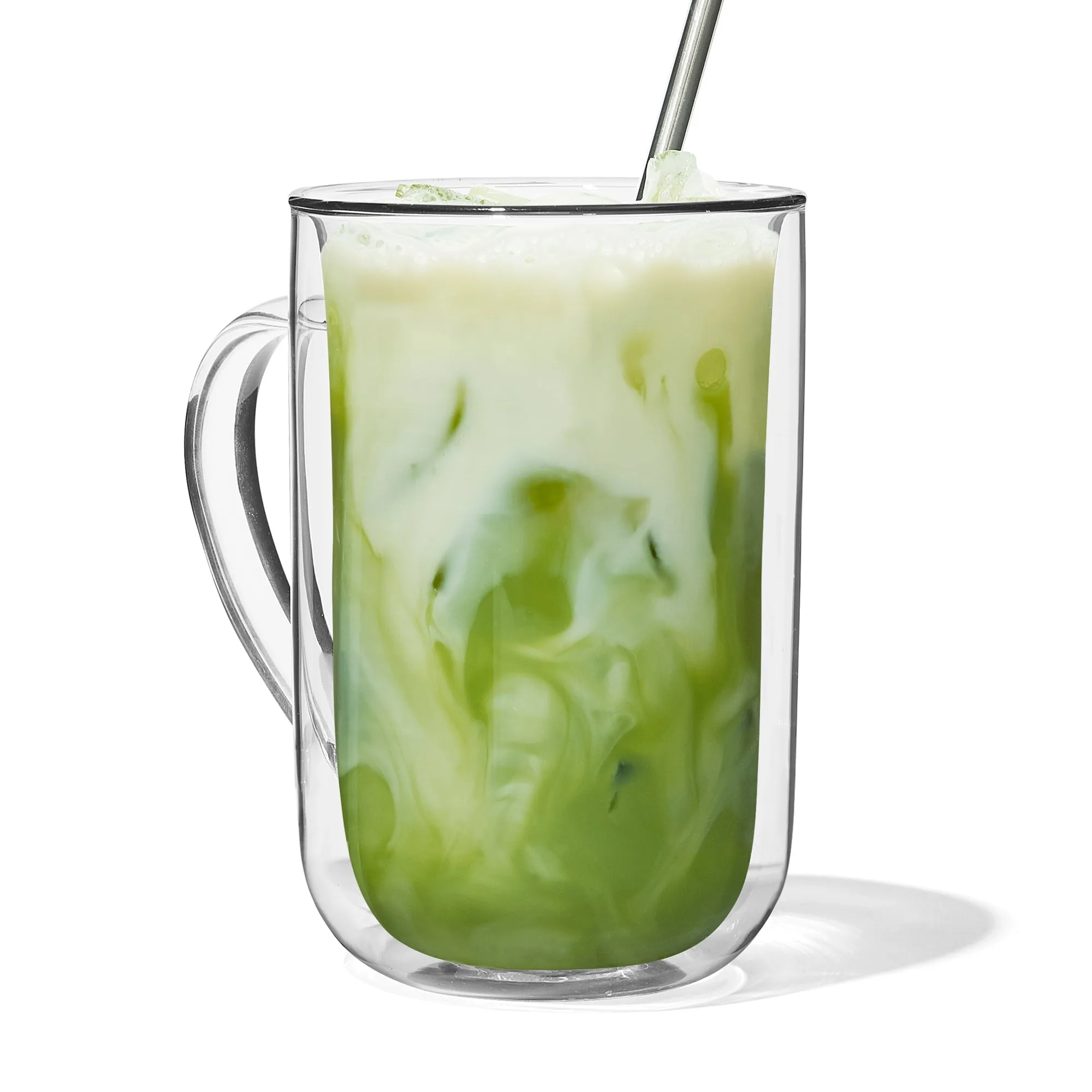
Organic Coconut Matcha
- Blackberry Matcha: Blackberry Matcha is a fresh and fruity matcha packed with notes of sweet, ripe blackberry. It can be sipped on ice or swirled through milk of choice for a berries-and-cream-inspired latte. Useful if you want a fruit-forward iced drink to alternate with the toasty, nutty flavor of hojicha powder.
- Organic Gingerbread Matcha: Organic Gingerbread Matcha is a festive, all-natural blend inspired by freshly baked gingerbread, described as energizing and cozy, especially when whipped into a frothy green tea latte. A good option if you enjoy the warm, spiced side of hojicha and want a seasonal latte with similar cozy appeal.