Quick answer
For a smooth, sweet cup of sencha, brew at 70–80°C for 1–2 minutes; for bancha houjicha, use 90–100°C water and steep for 30–60 seconds. Adjust leaf amount to taste.
Sencha vs bancha: what’s different?
Sencha is a classic Japanese green tea made from leaves that are steamed and rolled, producing a bright olive-green brew with smooth, slightly sweet flavors. Bancha houjicha, on the other hand, is roasted at high heat, giving it a nutty, caramel-like taste with lower caffeine and astringency.
Because they’re processed differently, they need different brewing conditions. Sencha is delicate and can turn bitter if you use boiling water, while bancha is more forgiving and can handle hotter water.
Knowing these differences helps you choose the right tea for the time of day or your mood—sencha for a refreshing daytime cup, bancha for a relaxing evening.
Choosing your loose leaf Japanese tea
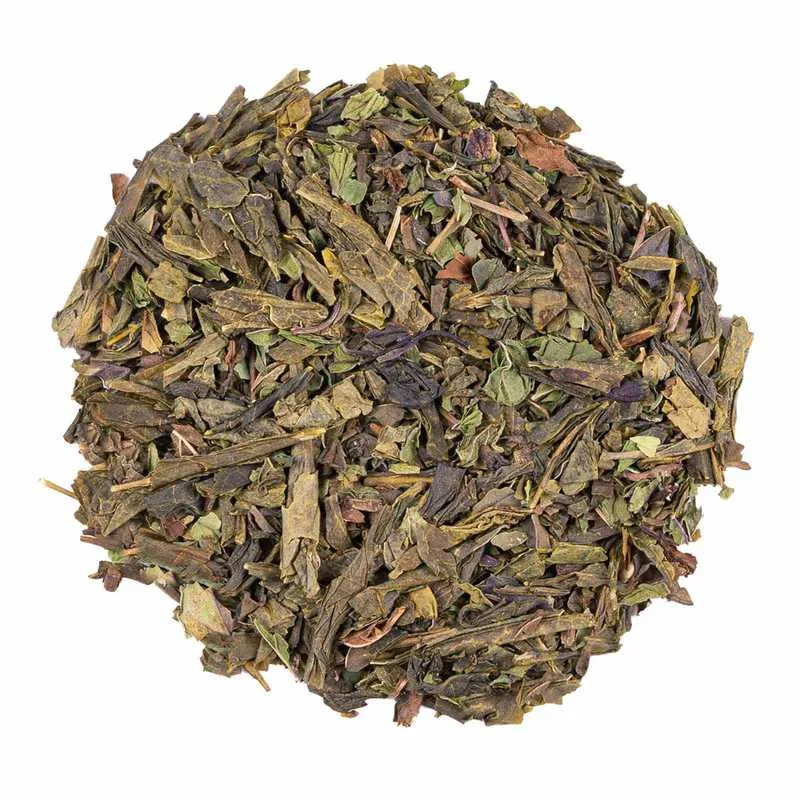
When buying loose leaf Japanese tea, look for leaves that are uniform and vibrant. Sencha leaves are typically needle-shaped and deep green, while bancha houjicha leaves are more brownish due to roasting.
For a first-timer, starting with a quality sencha like Sencha Fukujyu gives you a true sense of the classic flavor. If you prefer a less astringent, more comforting cup, bancha houjicha is a great choice.
Both are available in different sizes, so you can buy a small batch to test before committing to a larger quantity.
Step-by-step brewing guide
- Measure the leaves: Use about 2 teaspoons (or 5 grams) of loose leaf tea per 200 ml of water. Adjust to taste—more for a stronger cup, less for a milder one. Always use a scale for consistency, especially when trying a new tea.
- Heat the water: For sencha, heat water to 70–80°C (160–175°F). For bancha houjicha, use 90–100°C (195–212°F). If you don’t have a thermometer, bring water to a boil and let it cool for a few minutes for sencha, or use it right away for bancha. Boiling water can scorch sencha and make it bitter—always cool it down.
- Steep the tea: Pour the hot water over the leaves and steep for 1–2 minutes for sencha, or 30–60 seconds for bancha. Longer steeping increases bitterness, especially for sencha. Set a timer—don’t rely on guesswork for the first brew.
- Strain and serve: Pour the tea through a strainer into your cup, making sure to pour out all the liquid to avoid over-steeping. Enjoy the tea plain; Japanese green tea is best without milk or sugar. Remove the leaves from the water after steeping to stop the extraction process.
- Re-steep (optional): Both sencha and bancha can be re-steeped. Add slightly hotter water and reduce the steeping time for the second infusion. Sencha can be re-steeped 2–3 times, while bancha houjicha can go up to 3–4 times. Re-steeping is a great way to get more value from your loose leaf tea.
Teas we recommend for this guide
-
Sencha Fukujyu Tea: Sencha Fukujyu is made from spring-plucked leaves that are lightly steamed and rolled, producing a deep olive green color and smooth, slightly sweet flavors. This gentle processing makes it an excellent example of classic sencha, ideal for brewing at lower temperatures to preserve its sweetness.
Sencha Fukujyu Tea
-
Bancha Houghi Cha Tea: Bancha Houghi Cha is produced by roasting leaves over high heat, giving it caramel flavors, creamy undertones, and less astringency and caffeine than other green teas. Its robust, nutty character makes it forgiving to brew and a perfect evening tea that won’t keep you awake.
Bancha Houghi Cha Tea