Quick answer
Use 3–5 grams of loose leaf tea per 250–300 ml of water, heat water to the temperature your tea needs (oolong generally 85–95°C), and steep 2–4 minutes. Pour through a filter into a server or remove the leaves promptly. The exact ratio and time depend on the tea type, leaf size, and your taste.
Why a server or teapot changes the brew
A server or teapot gives leaves room to expand and lets you separate the tea from the water when the brew is ready. That control matters more than the vessel itself. A teapot is for steeping and often for serving; a server is for holding the brewed tea after you remove the leaves, so the liquor stops extracting and stays clean-tasting. If your teapot has a built-in strainer or basket, you can brew and serve from it, but you still need to lift the leaves out at the right moment. If your teapot has no filter, pour through a separate infuser or strainer into a server.
Match the leaf to the vessel
Large, whole leaves need space to unfurl, so a wider teapot or a basket infuser works better than a narrow spout with a tiny built-in screen. Fine or broken leaves can slip through wider holes and turn the cup bitter, so use a fine-mesh infuser. For oolong, which is often rolled or twisted, give the leaves room and expect them to expand significantly. If you are brewing in a server, you can steep in a separate teapot or infuser basket, then pour the finished tea into the server for serving.
Water temperature: the setting most people rush
Water that is too hot scalds delicate leaves and brings out bitterness; water that is too cool under-extracts and leaves the tea flat. As a starting point, use cooler water for green and white teas, hotter water for oolong, black, and pu-erh. For oolong, 85–95°C is a practical range. If you do not have a temperature-controlled kettle, boil water and let it sit for a minute or two before pouring over the leaves. The exact drop depends on your room temperature and kettle, so taste and adjust.
Ratio and timing without a scale
A kitchen scale gives repeatable results, but you can also use a spoon: about 1 heaped teaspoon of whole leaf tea per cup (250 ml) is a reasonable starting point. For rolled oolong, a teaspoon may weigh more because the leaves are dense, so start with less and add more next time if the cup tastes thin. Steep 2–4 minutes for most oolong, tasting at 2 minutes. If the tea tastes weak, add 30 seconds; if it tastes bitter, shorten the next steep or use cooler water. Do not judge the first steep as final—oolong often opens up on the second or third infusion.
Pouring, serving, and keeping the tea warm
Once the tea reaches the flavor you want, separate it from the leaves. Pour through a filter into a server, or lift the infuser basket out of the teapot. Leaving leaves sitting in the water keeps extracting and turns the next cup bitter. If you are serving several people, a server lets you pour consistent cups without stopping the brew. If you want to keep tea warm without continuing to steep it, transfer the brewed tea to a pre-warmed server or teapot and cover it. Reheat gently if needed, but avoid boiling the brewed tea, which flattens the aroma.
Step-by-step: brewing loose leaf tea in a server or teapot
- Pre-warm the teapot or server: Fill your teapot or server with hot water, let it sit for 30 seconds, then discard the water. This reduces temperature shock when the brew starts and helps the tea stay warm through the first cup. Checkpoint: the vessel should feel hot to the touch but not so hot that you cannot handle it with a towel.
- Measure the leaves into the infuser or teapot: Use 3–5 grams per 250–300 ml, or about 1 heaped teaspoon of whole leaf tea per cup. If your tea is rolled or dense, start with less and adjust after tasting. Put the leaves in a basket infuser, a fine-mesh infuser, or directly in the teapot if it has a strainer. Common mistake: packing the infuser too full. Leaves need room to expand; if they cannot move, the brew extracts unevenly.
- Heat water to the right temperature: For oolong, aim for 85–95°C. Bring water to a boil, then let it sit for 1–2 minutes if you do not have a temperature-controlled kettle. For green or white tea, let it sit longer; for black or pu-erh, use water closer to boiling. Checkpoint: if the first sip tastes sharp or bitter, your water was likely too hot or the steep went too long.
- Pour water over the leaves and start timing: Pour steadily so all leaves are submerged. Start your timer immediately. Steep 2–4 minutes for most oolong, tasting at 2 minutes. If you are brewing a delicate oolong, stay closer to 2–3 minutes for the first infusion. Common mistake: walking away. A 30-second difference can change a bright cup into a bitter one, especially with fine or broken leaves.
- Separate the tea from the leaves: When the flavor is right, pour the tea through a filter into a server, or lift the infuser basket out of the teapot. If you brewed directly in a teapot without a basket, pour immediately through a fine-mesh strainer into a server. Checkpoint: the leaves should not remain in the water after you have reached your desired strength.
- Serve and re-steep: Pour from the server into cups. For a second infusion, return the leaves to the teapot or infuser, use fresh hot water, and steep 30–60 seconds longer than the first steep. Oolong often gives several good infusions. Next step: if the second steep tastes weak, increase the leaf amount slightly next time rather than steeping much longer.
Products that fit this method
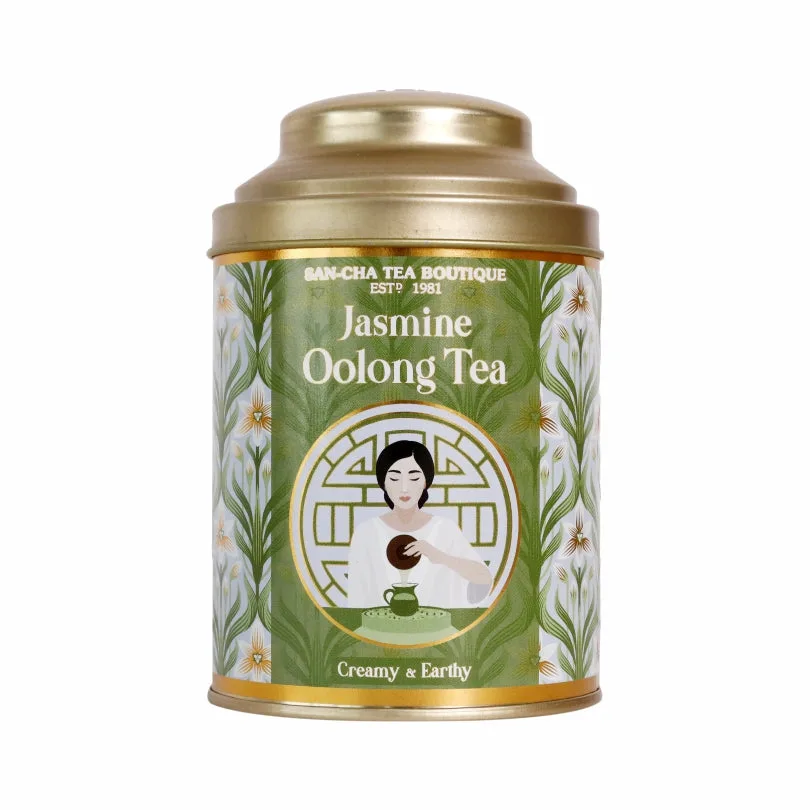
- Jasmine Oolong Tea | Rare Floral Chinese Oolong: Jasmine Oolong Tea is crafted with gentle low-temperature roasting and a natural jasmine lactone aroma, and the leaves are matured in a centuries-old Chinese tradition to elevate the perfume. A floral oolong like this rewards careful temperature control; water that is too hot can bury the delicate jasmine notes, so start on the cooler side of the oolong range and adjust upward if the cup tastes thin.
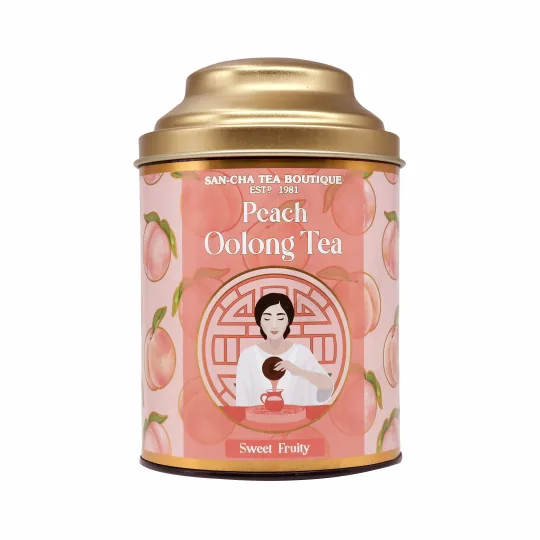
- Peach Oolong Tea | Sweet & Fruity Chinese Oolong: Peach Oolong Tea is made from partially oxidised leaves that balance green tea freshness with black tea depth, and the liquor opens with a natural fruity sweetness of peach. Because this oolong is both fresh and layered, it works well in a server or teapot where you can stop the steep at 2–3 minutes and preserve the fruity top notes without pulling out bitterness.
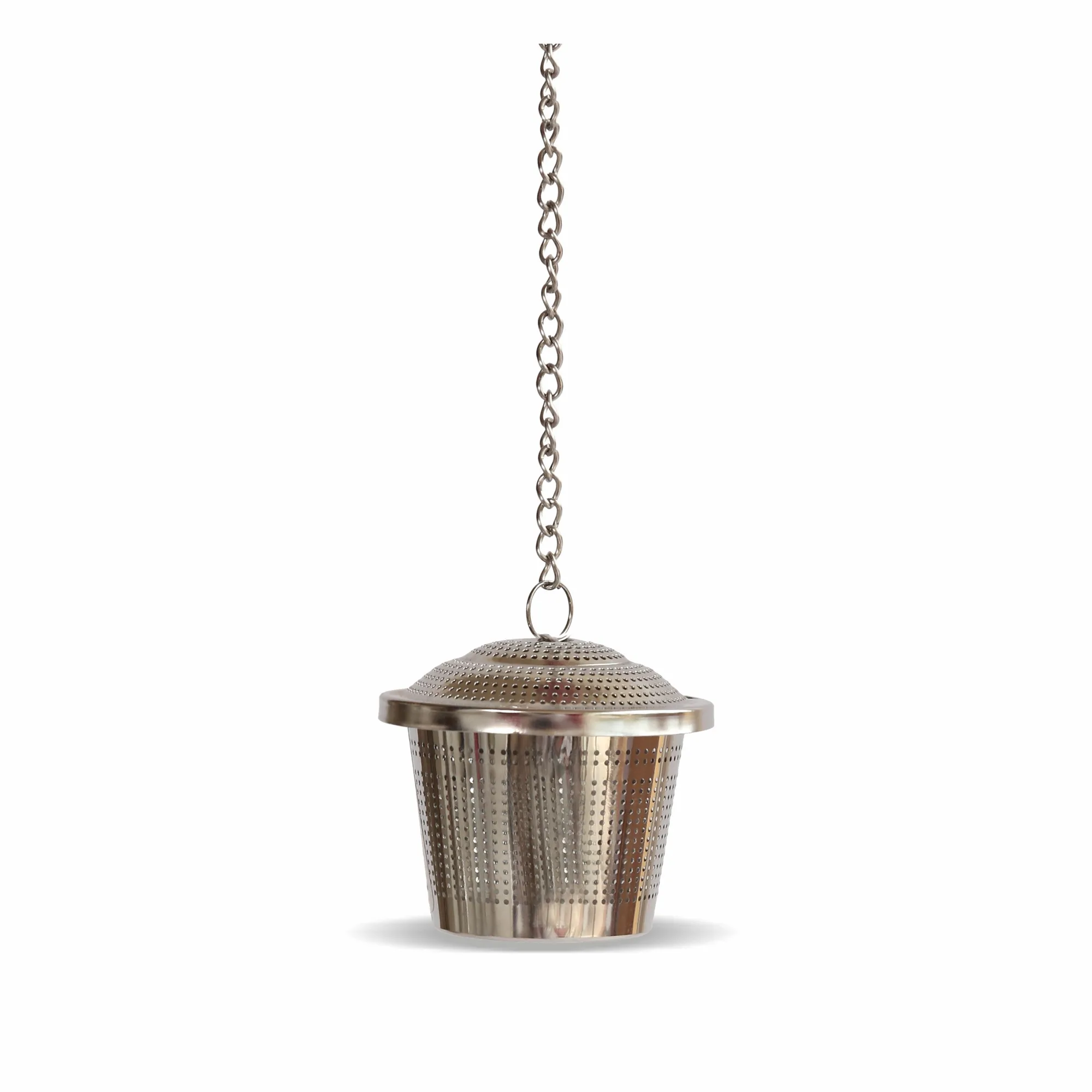
- Easy Filter Tea Infuser | Stainless Steel Loose Leaf Infuser: The Easy Filter Tea Infuser is made from high-grade stainless steel, is rust-proof, and has a dense mesh design that prevents even the smallest bitter tea particles from passing through. If your teapot or server has a wide spout or no built-in strainer, this infuser lets you brew loose leaf tea and pour a clean cup without fine particles continuing to steep in the server.