Quick answer
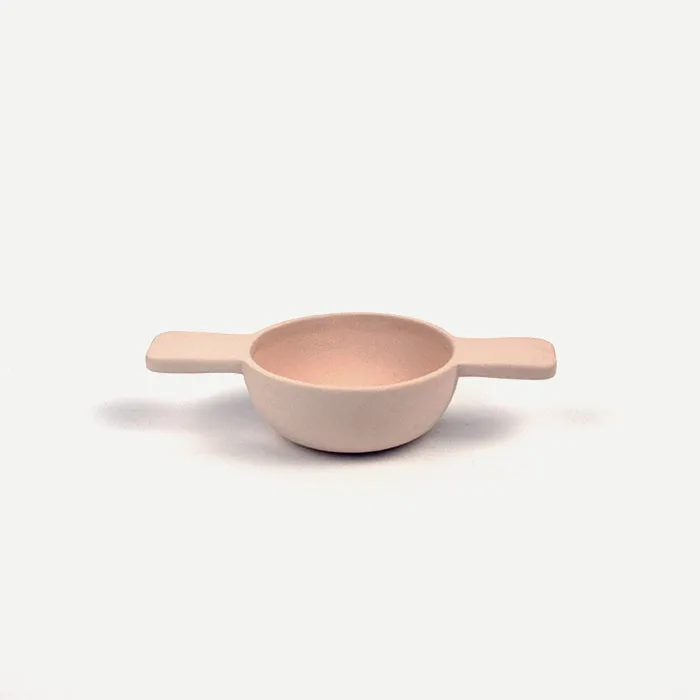
You can brew loose leaf tea in a teapot without a strainer by letting the leaves settle to the bottom before pouring slowly. Use a teapot with a spout that has a small built-in lip or holes, and stop pouring when you see leaves approaching the spout. For the cleanest cup, pour through a separate ceramic tea strainer like the Sue Pryke Pink Tea Strainer.
Why a teapot without a strainer still works
Loose leaf tea needs room to expand and circulate, and a teapot gives you exactly that. When you skip a built-in infuser basket, the leaves unfurl freely and release flavor more evenly. The trade-off is that you need to manage the pour so leaves don't end up in your cup. Most teapots already have a small lip or a few holes at the base of the spout that catch larger pieces; the rest is technique.
What you need before you start
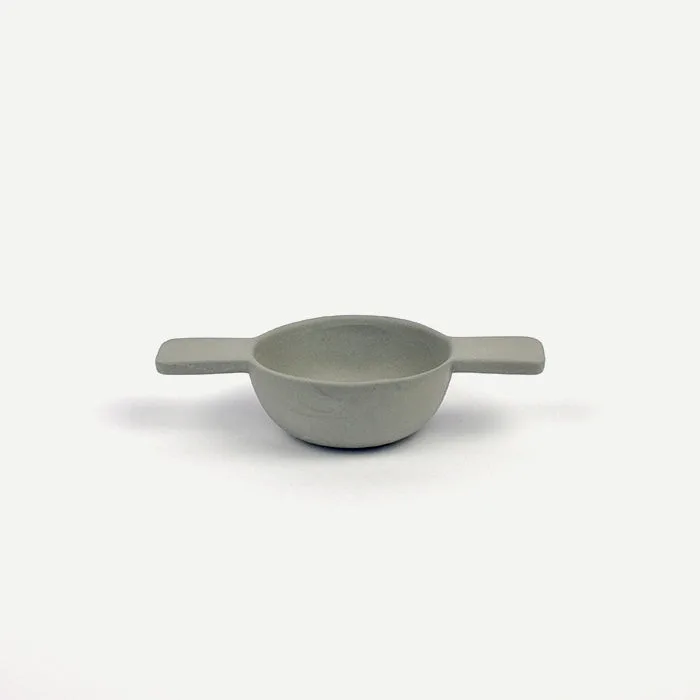
You don't need much: a teapot, loose leaf tea, hot water, and a cup. If your teapot has no filter at all, a separate strainer held over the cup makes the final pour cleaner. The Sue Pryke Pink Tea Strainer and Sue Pryke Grey Tea strainer are both handmade porcelain strainers designed for loose leaf tea, so they catch leaves without altering the taste. A small timer helps you avoid over-steeping.
Choosing a tea that behaves well without a strainer
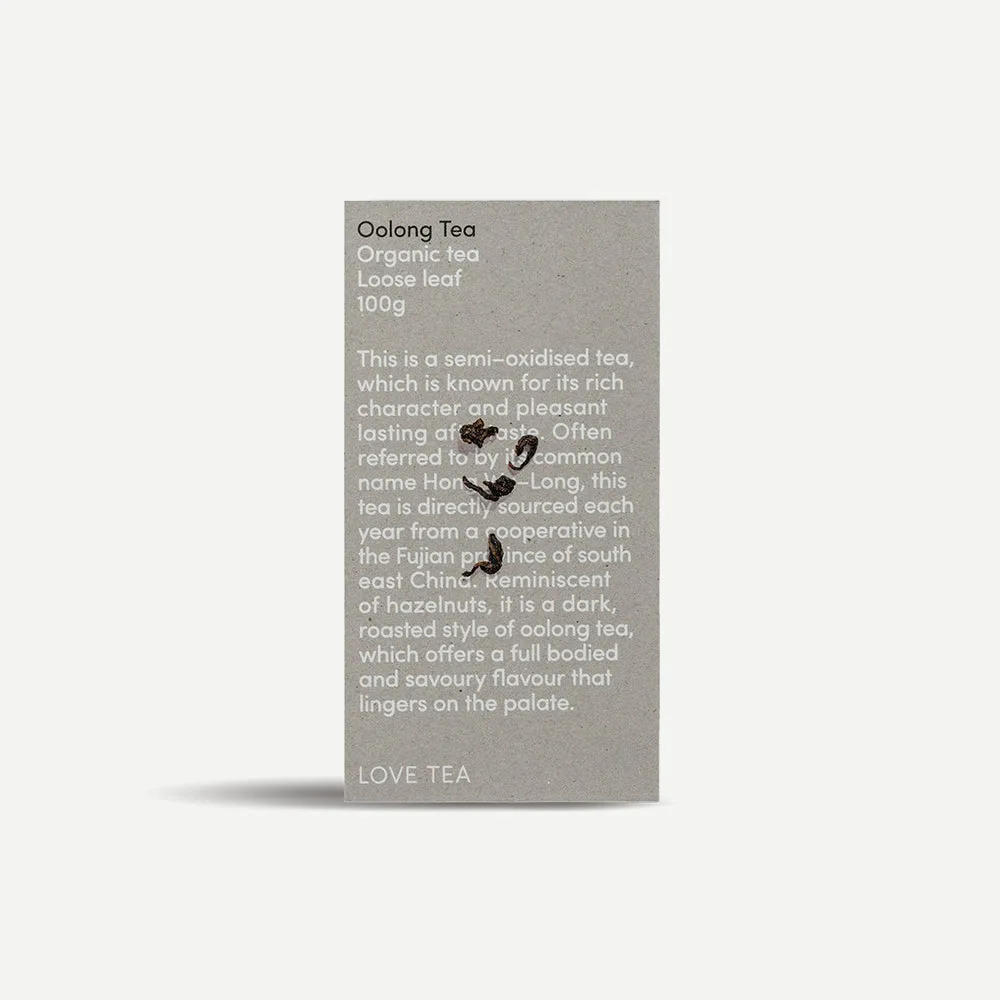
Not all loose leaf teas settle the same way. Whole-leaf and rolled oolong teas tend to sink as they open, which makes them easier to pour off. Broken-leaf teas and fine fannings float and can slip through a spout more easily. If you're new to strainer-free brewing, start with a whole-leaf oolong such as Oolong Loose Leaf Tea. Its semi-oxidised leaves are roasted and full-bodied, and they settle predictably after steeping.
Step-by-step: brewing without a strainer
- Warm the teapot: Fill the teapot with hot water, swirl, and discard. This preheats the pot so the water temperature doesn't drop when you add your tea. Checkpoint: the pot should feel warm to the touch but not too hot to handle.
- Measure loose leaf tea: Add 1 teaspoon of loose leaf tea per cup (about 2 grams), plus one extra teaspoon for the pot. Adjust based on leaf size: whole-leaf oolong needs a bit more volume than broken leaf. Common mistake: using too little tea. Loose leaf needs space, but under-leafing gives a weak cup.
- Add hot water at the right temperature: For oolong, heat water to about 90–95°C (194–203°F). Pour gently over the leaves, filling the pot. Avoid boiling water, which can scorch the leaves and make the tea bitter. Checkpoint: no thermometer? Let boiled water sit for 1–2 minutes before pouring.
- Steep for the right time: Steep oolong for 3–5 minutes. Taste at 3 minutes; if you want more depth, give it another minute. Set a timer so you don't forget. Common mistake: over-steeping. Oolong turns astringent if left too long.
- Let the leaves settle: Before pouring, give the teapot a gentle swirl and wait 10–15 seconds. The leaves will sink to the bottom, leaving clearer tea near the spout. Checkpoint: you should see most leaves resting at the bottom, not floating.
- Pour slowly and stop before the leaves: Pour in one smooth motion, keeping the spout low over the cup. Stop when you see leaves approaching the spout. If your teapot has no filter, pour through a separate strainer like the Sue Pryke Pink Tea Strainer. Common mistake: tipping the teapot too far. That stirs up leaves and sends them into the cup.
- Serve and re-steep: Pour all the tea out of the pot if you plan to re-steep. Oolong leaves can be steeped multiple times; add 30 seconds to each subsequent steep. Next step: if you enjoyed the first steep, try a second with slightly hotter water.
Teas and tools that help
- Oolong Loose Leaf Tea: This is a semi-oxidised tea, known for its rich character and pleasant lasting aftertaste, directly sourced each year from a cooperative in Fujian province, China. It is a dark, roasted style with hazelnut notes and a full-bodied, savoury flavour. Whole-leaf oolong leaves unfurl and settle at the bottom of the teapot, so you can pour most of the tea off without a built-in strainer.
- Sue Pryke Pink Tea Strainer: This ceramic tea strainer by Sue Pryke is perfect for straining your favourite loose leaf tea. Each piece is individually slip cast and pierced before the clay has fully dried, made from porcelain and polished to give a smooth pebbly finish. A separate strainer catches any leaves that escape the spout, giving you a clean cup even if your teapot has no filter.
- Sue Pryke Grey Tea strainer: This beautiful ceramic tea strainer by Sue Pryke is perfect for straining your favourite loose leaf tea. Each piece is individually slip cast and pierced before the clay has fully dried, made from porcelain and polished to give a smooth pebbly finish. Same handmade porcelain design as the pink version, in a grey finish, so you can match your teapot or cup.