Start with the leaf, not the clock
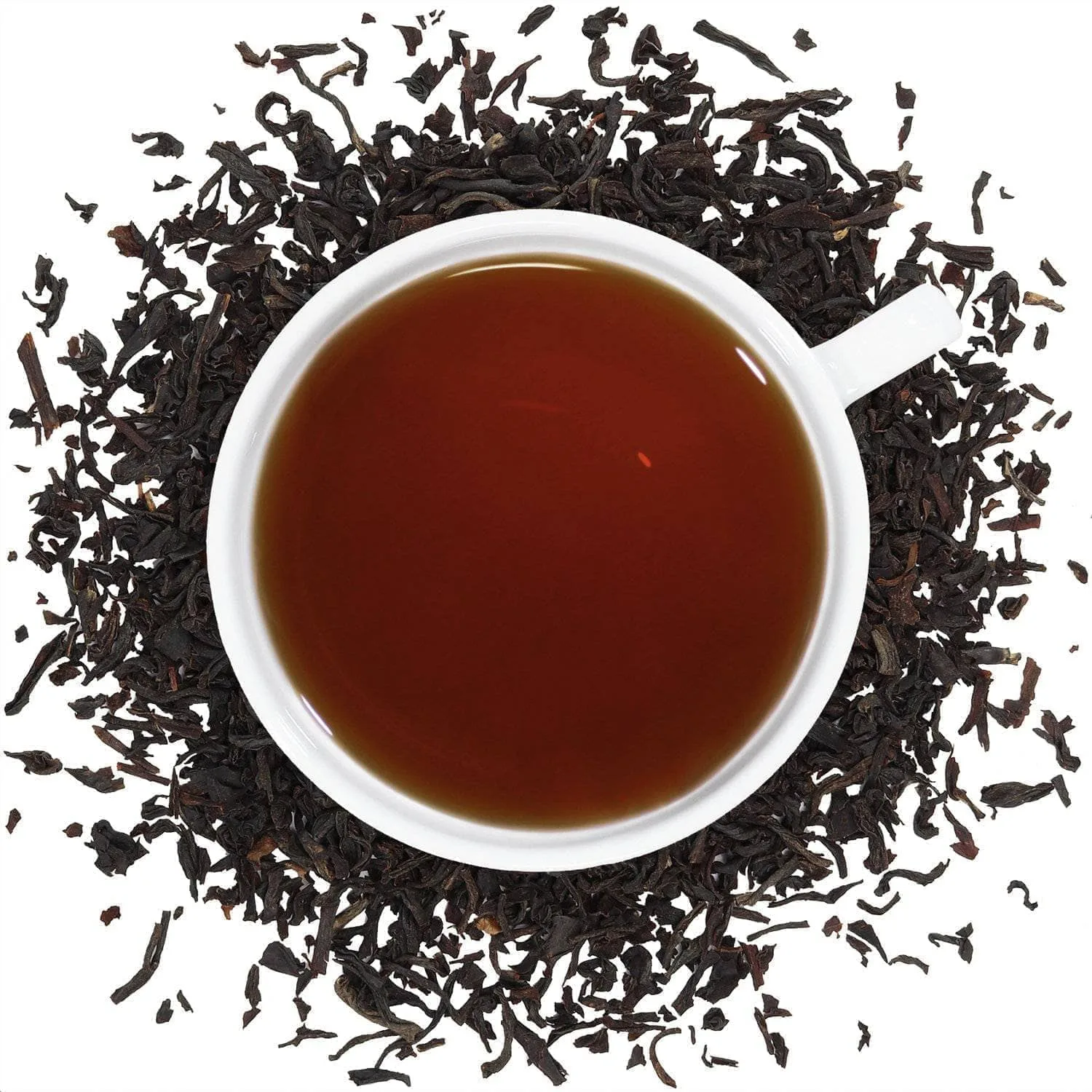
Orthodox Black Tea is made using the traditional orthodox method: withering, rolling, oxidation, and drying. That process preserves the leaf’s natural oils and aroma, which is why the cup tastes deep, malty, and smooth when brewed with a little care. The biggest mistake is treating it like a generic tea bag and steeping it indefinitely. Instead, focus on three things you can control: how much leaf you use, how hot the water is, and how long you steep.
The product record for Orthodox Black Tea does not list a recommended water temperature, steep time, or leaf-to-water ratio. That means you will not find a single “correct” number here. What follows is a taste-led method that helps you find the cup you enjoy, using the feedback from each brew to adjust the next one.
A taste-led brewing method
Use this sequence as a starting point, then adjust based on how the cup tastes. Because the record does not specify exact measurements, you will calibrate to your own preference rather than to a fixed standard.
- Measure the leaf: Start with a modest amount of Orthodox Black Tea—enough to cover the bottom of your infuser or teapot with a thin layer. If the cup tastes thin, add a little more next time; if it tastes overpowering, use less.
- Heat the water, then let it settle: Bring fresh water to a boil. For black tea, many drinkers pour just off the boil. If your first cup tastes sharp or astringent, let the water cool for a short moment before pouring. The record does not give a target temperature, so use taste as your guide.
- Pour and start tasting early: Pour the water over the leaf and begin checking the cup after a short steep. Orthodox Black Tea can become bitter if left too long, so taste at intervals rather than walking away. When the flavor feels malty and smooth without a drying edge, it is ready.
- Separate the leaf from the water: Once the cup tastes right, remove the infuser or strain the tea. Leaving the leaf in the water keeps extracting tannins and can turn a clean cup bitter. This is especially important if you plan to add milk or lemon later.
Why bitterness happens and how to steer around it
Bitterness in black tea usually comes from over-extraction: too much leaf, water that is too hot, or steeping for too long. Orthodox Black Tea is described as having a deep, malty flavor with a smooth finish, and that smoothness is the first thing to disappear when the brew is pushed too far. If your cup tastes harsh, try one change at a time—less leaf, slightly cooler water, or a shorter steep—so you can tell which adjustment helped.
The opposite problem, a weak or hollow cup, usually means the leaf was under-extracted. In that case, use a little more leaf or give the next steep slightly more time. Keep notes if you are experimenting, because the same leaf can produce very different cups depending on how you treat it.
What the Orthodox Black Tea record confirms
-
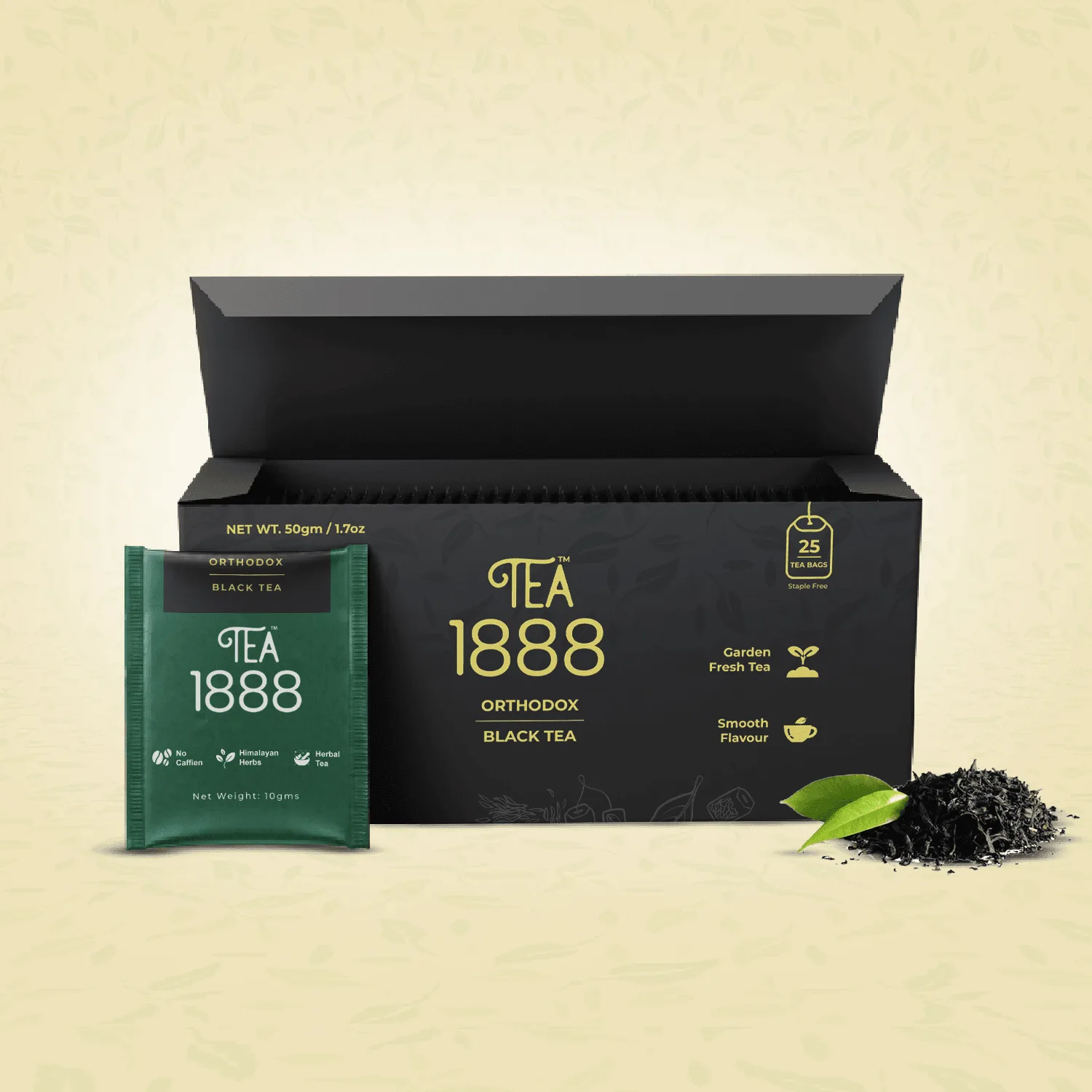
Orthodox Black Tea: Orthodox Black Tea is crafted using time-honoured techniques that preserve the authentic taste, aroma, and character of pure black tea leaves. The leaf is designed to show its natural character, so a simpler brewing approach helps you taste what makes it different from a standard black tea.
Orthodox Black Tea
-
Orthodox Black Tea: This premium blend offers a deep, malty flavour with a smooth finish. That smooth finish is your signal that the brew is balanced; when it turns sharp or drying, you have likely over-steeped.
-
Orthodox Black Tea: The tea is grown in high-altitude gardens and hand-rolled to perfection, capturing the natural essence and full-bodied richness of black tea without additives or artificial flavours. Because there are no added flavours, the taste comes entirely from the leaf and your brewing method, making your choices in the cup more noticeable.
Serving choices that keep the cup clean
Orthodox Black Tea is described as enjoyable plain, with milk, or with a slice of lemon. Plain is the best way to judge your brewing, because milk and lemon can mask bitterness. If you plan to add milk, brew the tea a little stronger so the dairy does not flatten the malty notes. If you prefer lemon, add it after the tea has steeped and the leaf has been removed; lemon juice can make an over-steeped cup taste even sharper.
For a consistent cup, use the same infuser or teapot each time and pay attention to how full it is. A crowded infuser can restrict water flow and lead to uneven extraction. Loose leaf gives you the most control, but the Orthodox Black Tea is also available in tea bags if that suits your routine better.
Pack sizes for your brewing routine
- Orthodox Black Tea: Orthodox Black Tea is available in packs of 50, 75, and 100 tea bags. If you are still dialing in your brewing method, a smaller pack lets you experiment without committing to a large supply; a larger pack suits a daily habit once you know how you like it.
- Orthodox Black Tea: The product is described as perfect for tea connoisseurs who appreciate purity, strength, and a touch of heritage. That description points to a tea meant to be tasted attentively, so the brewing method above is designed to help you evaluate the cup rather than just make it.
What the record leaves open
The supplied product information does not include a recommended water temperature, steeping time, or leaf-to-water ratio, nor does it list storage instructions or allergen information. If you need those specifics—for example, because you are brewing for a household with dietary restrictions—check the packaging or contact the seller before you buy. For everyday brewing, the taste-led approach above is a reliable way to get a cleaner cup from Orthodox Black Tea without guessing at numbers the record does not provide.