Quick Answer
For a perfect cup of https://swachhteayc.com/products/darjeeling-black-tea-3f0ea0e302a1b0ec2bf222bf-780927Darjeeling black tea, use 1 teaspoon of leaves per 8 ounces of water heated to 195°F (90°C). Steep for 3–5 minutes, then strain and enjoy. Adjust the steeping time to taste, but avoid over-steeping to prevent bitterness.
Darjeeling black tea is prized for its delicate muscatel flavor and floral aroma. Brewing it correctly makes all the difference between a sublime cup and a bitter disappointment. Whether you're new to loose leaf tea or a seasoned enthusiast, this guide walks you through each step to achieve the perfect infusion.
Unlike robust Assam or CTC teas, Darjeeling's nuances are easily ruined by boiling water or excessive steeping. Here, we focus on the precise water temperature, leaf quantity, and timing that let the tea's character shine. Follow these steps, and you'll consistently enjoy a bright, aromatic cup.
Why Water Temperature Matters for Darjeeling
Darjeeling black tea is grown at high altitudes, which gives it a lighter, more delicate leaf structure compared to other black teas. Boiling water at 212°F (100°C) can scorch these leaves, releasing harsh tannins and making the brew bitter and astringent. Instead, aim for water around 195°F (90°C) — just below boiling — to gently extract the tea's complex flavors.
If you don't have a temperature-controlled kettle, bring water to a boil and let it sit for 30–60 seconds before pouring. This simple step cools the water to the ideal range. Using a thermometer is the most precise way, but the rest period works well in practice.
- Use filtered water for the cleanest taste; tap water can add off-flavors.
- Never reboil water, as it reduces oxygen and can make the tea taste flat.
Measuring the Right Amount of Leaves
The standard ratio for Darjeeling black tea is 1 teaspoon of loose leaves (about 2–3 grams) per 8-ounce cup. This can be adjusted based on your preference for strength, but starting here ensures a balanced cup. For a larger pot, scale up proportionally — for example, 2 teaspoons for 16 ounces.
If you prefer a stronger brew, you might be tempted to add more leaves, but be careful: increasing the leaf quantity can also increase bitterness. Instead, extend the steeping time slightly or use a touch more water. The goal is to extract flavor without overdoing it.
- Invest in a small kitchen scale for accuracy if you brew daily.
- Loose leaf tea expands significantly, so don't pack the spoon tightly.
Mastering the Steeping Time
Steeping time is the final critical variable. For Darjeeling black tea, 3–5 minutes is the sweet spot. At 3 minutes, you'll get a lighter, more delicate cup with floral notes. At 5 minutes, the brew becomes stronger and more robust, with a deeper amber color. Steeping beyond 5 minutes risks bitterness and a flat taste.
Set a timer to avoid guesswork. When the time is up, remove the leaves immediately — either by straining or using an infuser basket. This stops the extraction process and preserves the tea's intended character.
- Taste at 3 minutes and decide if you want it stronger; you can always steep longer in 30-second increments.
- If you accidentally over-steep, add a splash of hot water to dilute the bitterness.
Step-by-Step Brewing Process
- Heat fresh water to 195°F (90°C): Bring water to a boil, then let it rest for 30–60 seconds to reach the ideal temperature. Use a thermometer for precision. Checkpoint: Water should be steaming but not rapidly bubbling.
- Measure 1 teaspoon of Darjeeling leaves per cup: Place the loose leaves in your teapot or infuser. Adjust the amount based on your taste preference, but start with the standard ratio. Checkpoint: Use a scale for consistency if possible.
- Pour water over the leaves: Pour the heated water gently over the leaves, ensuring they are fully submerged. Cover the pot or cup to retain heat. Checkpoint: The leaves should begin to unfurl and release aroma.
- Steep for 3–5 minutes: Set a timer. Start tasting at 3 minutes and continue in 30-second increments if you prefer a stronger cup. Do not exceed 5 minutes. Checkpoint: The liquor should be amber or light copper, not dark brown.
- Strain and serve immediately: Remove the leaves or strain the tea into a cup. Enjoy plain or with a touch of milk or sweetener, though many prefer Darjeeling without additions. Checkpoint: Serve right away to enjoy the optimal flavor.
Choosing the Right Darjeeling Tea
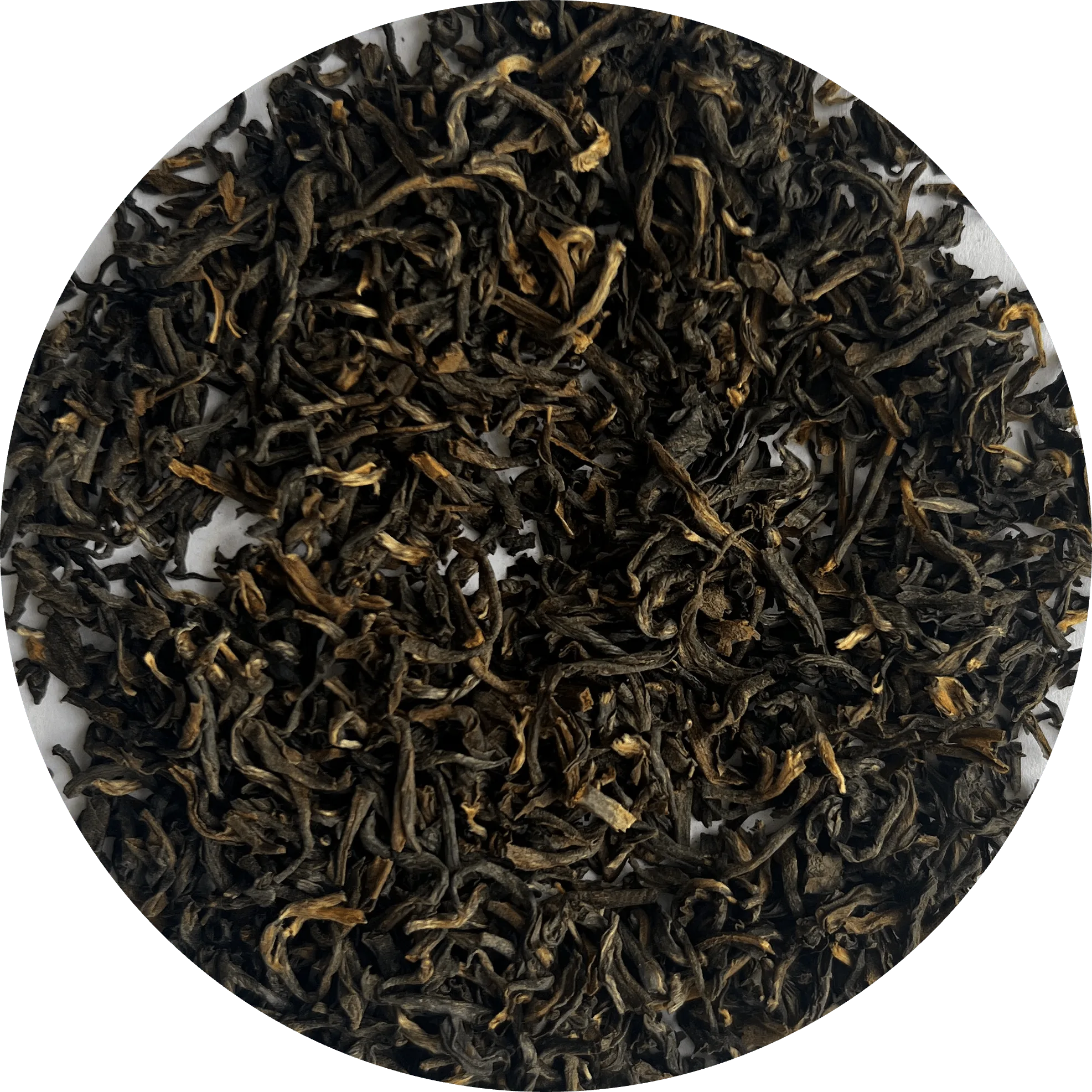
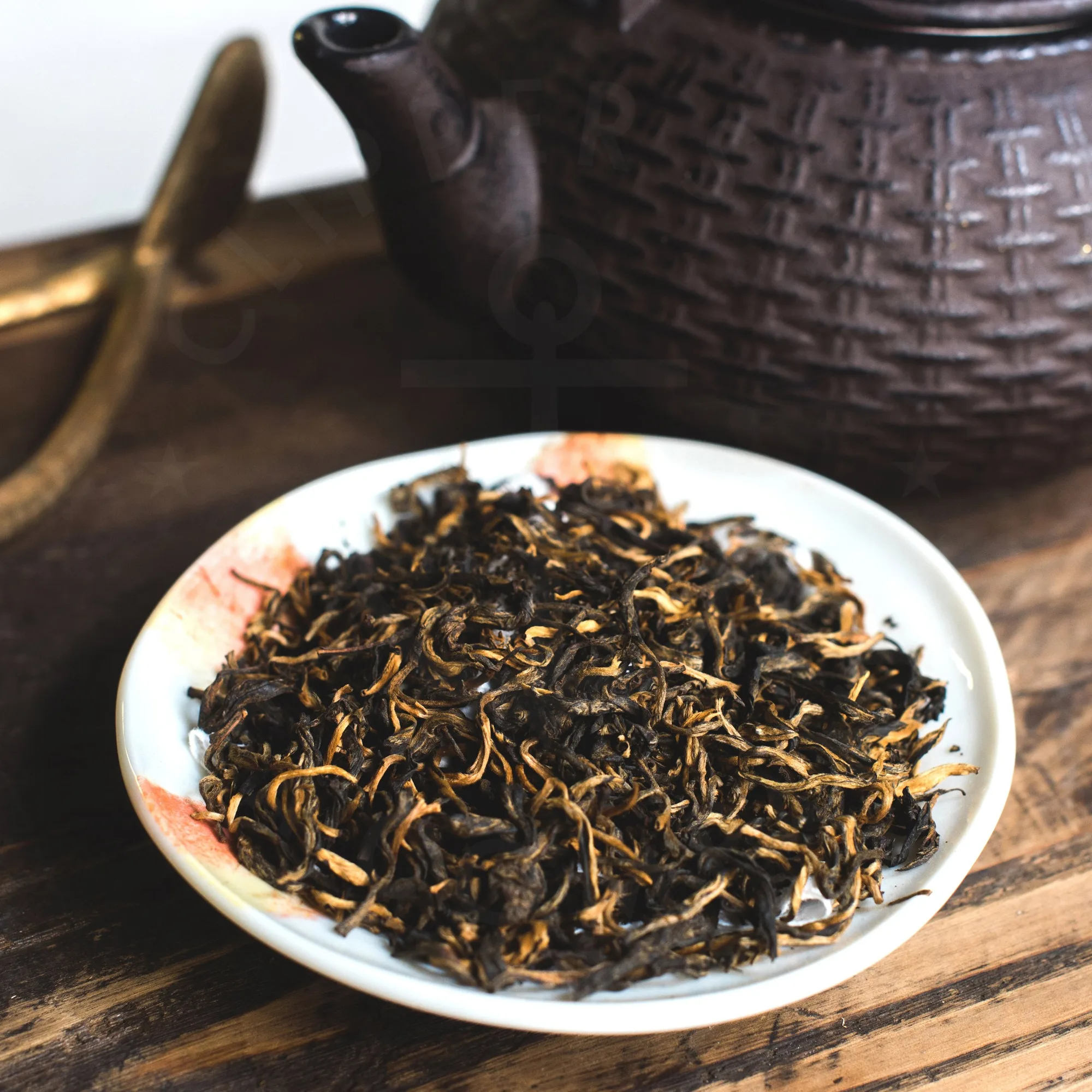
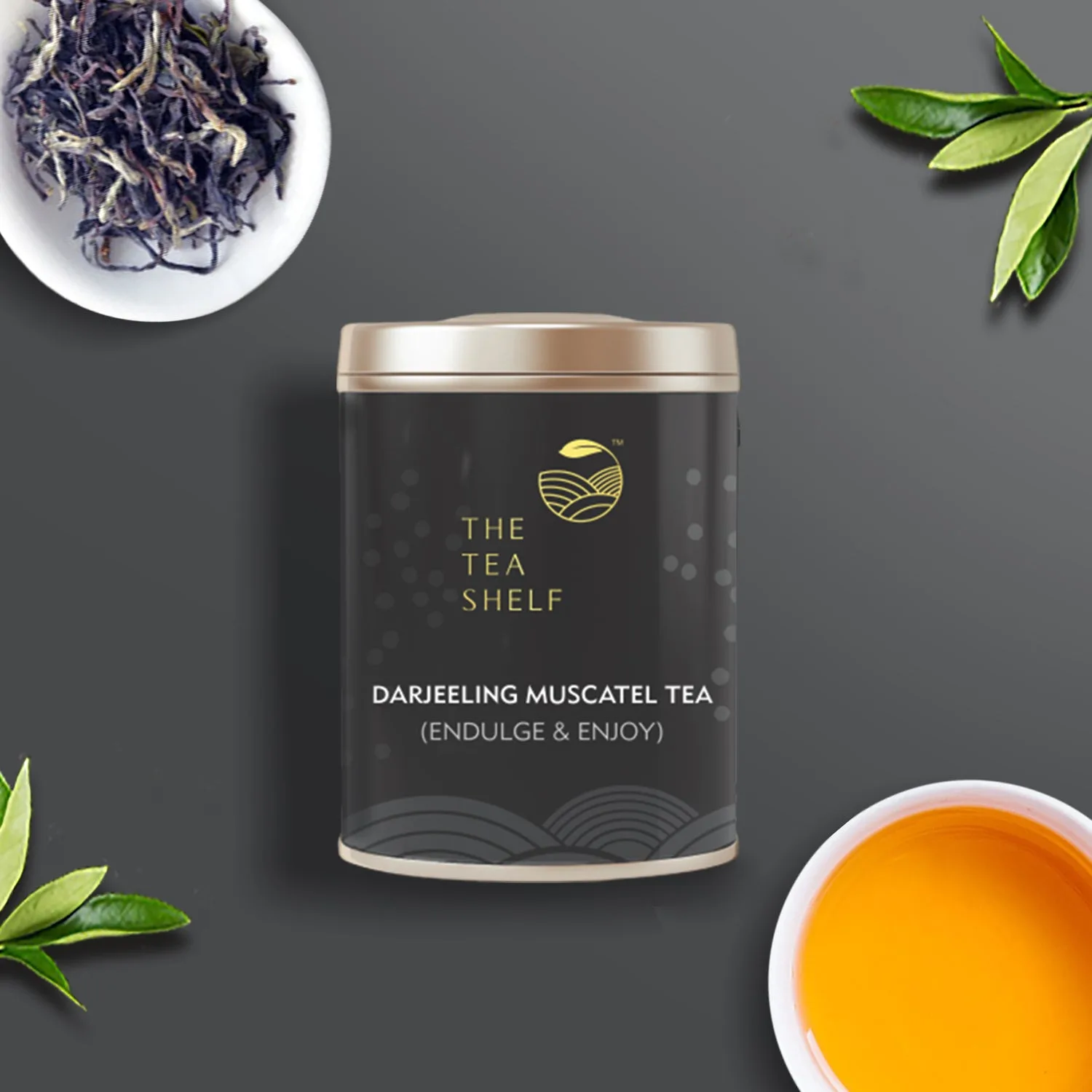
- Darjeeling Black Tea: Discover the allure of Darjeeling Black Tea, a testament to the exquisite craftsmanship and heritage of one of the world's most renowned tea regions. Our Darjeeling Black Tea collection offers a captivating journey through the lush tea gardens of Darjeeling, where every cup is a masterpiece.Known for its distinct flavor profile and unparalleled quality, Darjeeling black tea is celebrated by tea connoisseurs... This is the authentic Darjeeling experience — perfect for following this brewing guide to appreciate its nuanced, muscatel notes.
- Black tea, orthodox and special black tea sample pack.: Order Tea Samples Before You Buy in Bulk – Pan India DeliveryAt Swachh Tea, we understand that every business—whether it’s a café, hotel, distributor, or private label brand—needs to test the quality before committing to wholesale quantities. That’s why we offer professional-grade tea samples, each in 10–15g packs, ideal for making 4–5 cups and assessing taste, aroma, and appearance.Our wide range includes CTC... If you're exploring different black teas, this sample pack lets you compare Darjeeling with other orthodox varieties to refine your palate.
With these steps, you can brew a perfect cup of Darjeeling black tea every time. Remember to respect the delicate nature of the leaves: use the right water temperature, measure accurately, and time your steep. For the best experience, start with high-quality Darjeeling from Swachh Tea, and experiment to find your ideal strength. Happy brewing!