Herbal tea is more than just a comforting beverage—it's a ritual of wellness, flavor, and relaxation. Unlike traditional teas from the Camellia sinensis plant, herbal teas are infusions of dried flowers, leaves, seeds, or roots, each offering unique aromas and health benefits. But brewing the perfect cup requires more than just dropping a bag in hot water. Water temperature, steeping time, and even your choice of vessel can transform a mediocre cup into a sublime experience.
Whether you're unwinding with a floral chamomile tea or seeking a soothing digestive blend, understanding the basics of brewing herbal tea will elevate your daily ritual. In this guide, we'll walk you through essential tips, from water quality to steeping techniques, so you can enjoy every sip to its fullest.
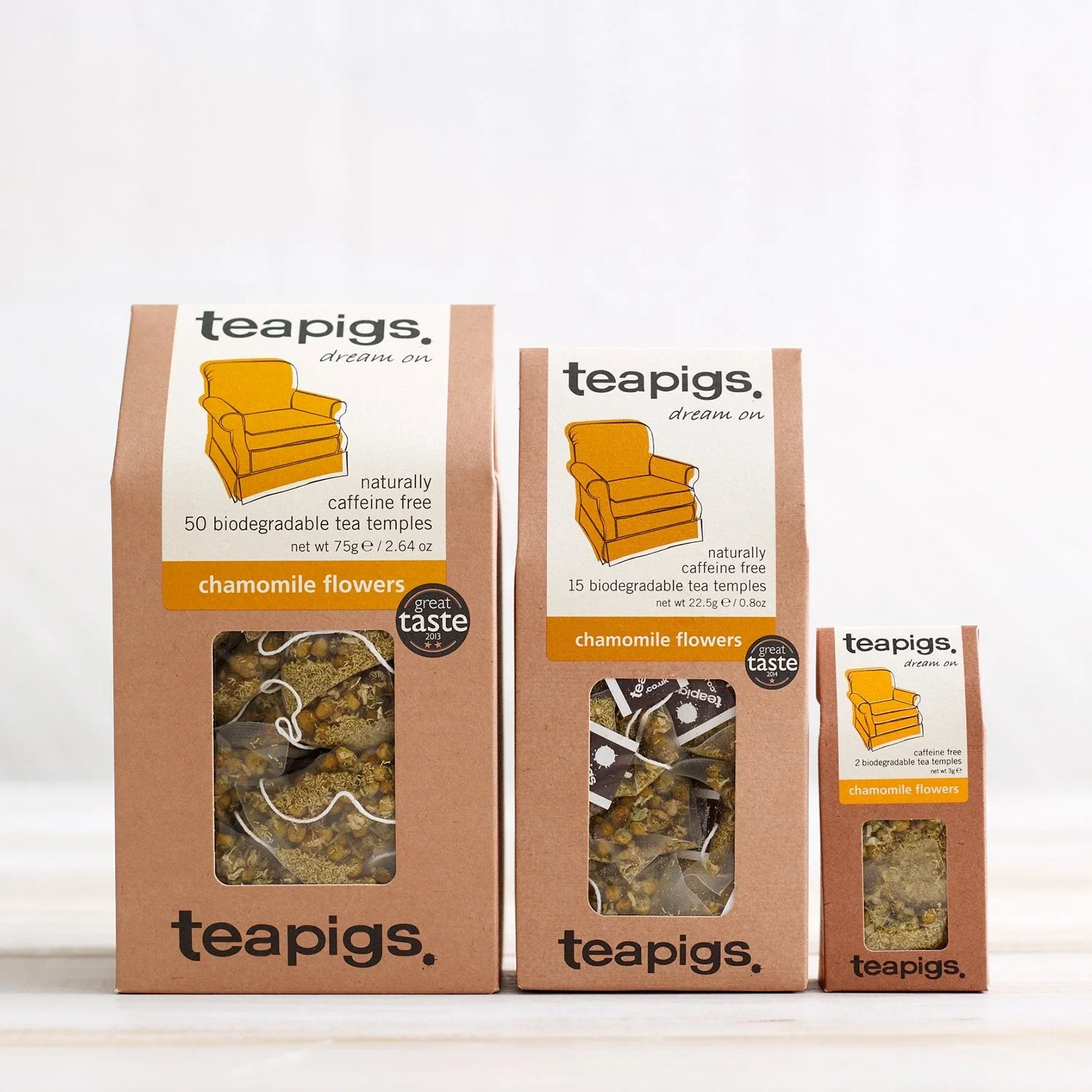
chamomile tea
Why Herbal Tea Requires Different Brewing Techniques
Unlike black or green tea, herbal teas are typically caffeine-free and made from a variety of plant materials—each with its own ideal brewing conditions. Delicate flowers like chamomile or lavender need lower temperatures to avoid bitterness, while robust roots like ginger can handle a vigorous boil. Ignoring these differences can result in a weak, bitter, or flat-tasting infusion.
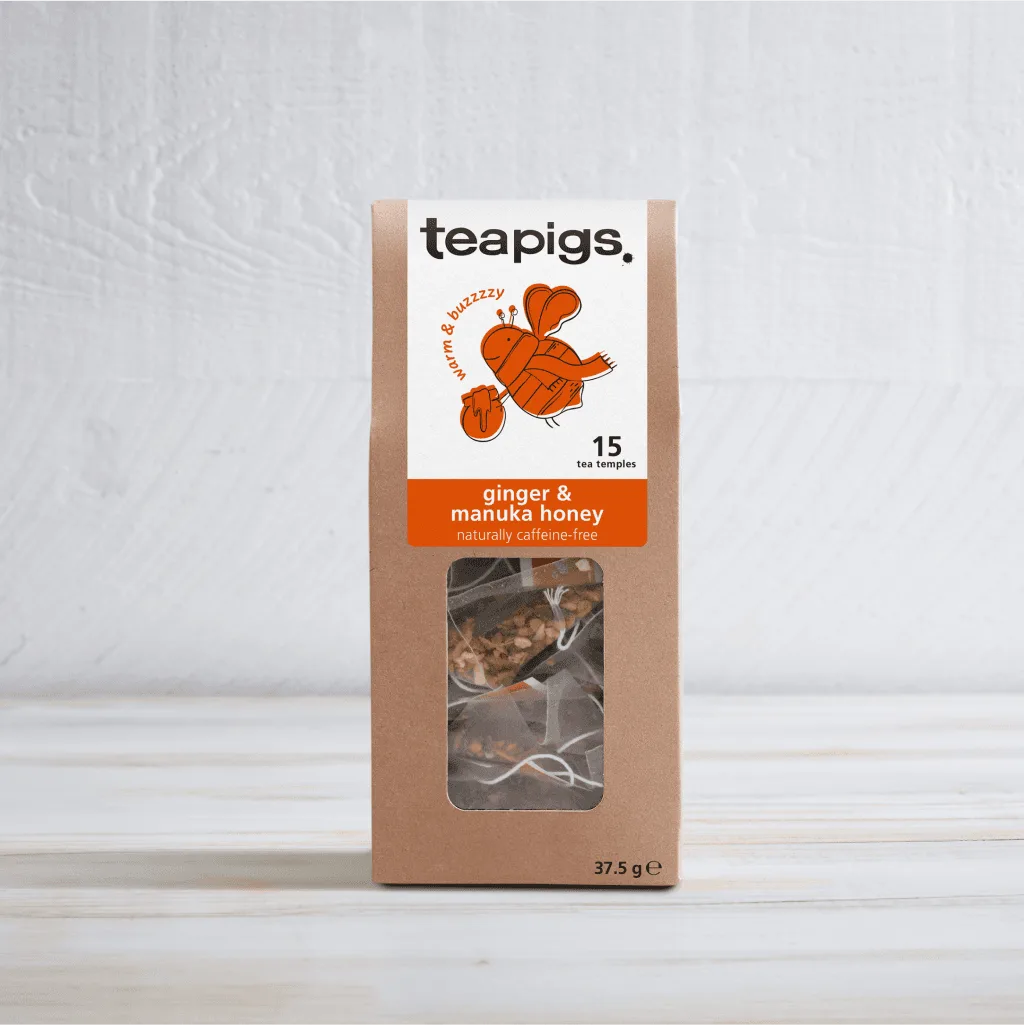
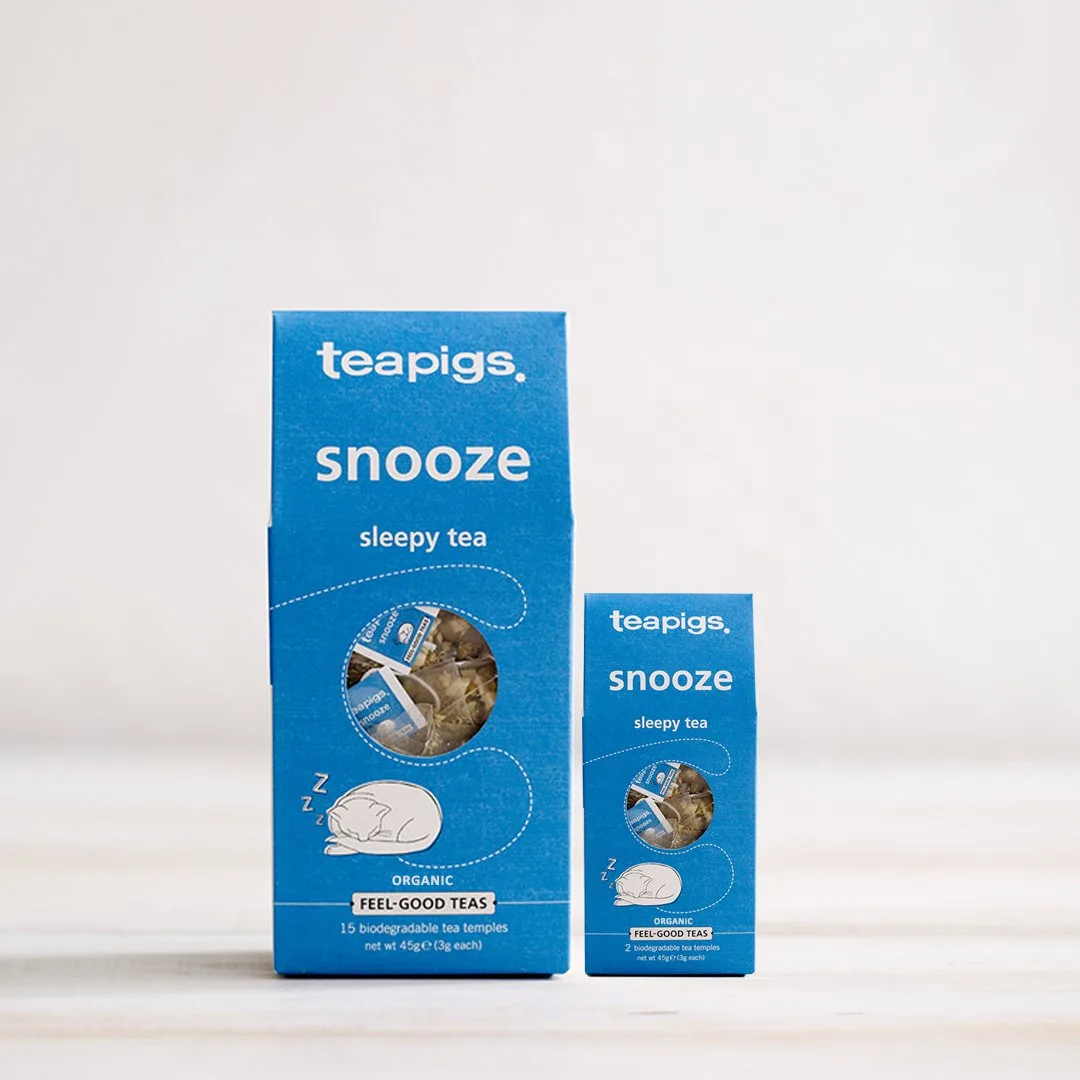
For example, a calming blend like snooze with lavender benefits from a slightly lower water temperature (around 200°F) and a longer steep to fully extract its soothing properties. On the other hand, a spicier ginger and manuka honey tea can handle boiling water and a shorter steep to preserve its zesty kick. Matching your technique to the blend is the secret to unlocking its full potential.
- Always check the recommended steeping time on your herbal tea package—most range from 5 to 10 minutes.
- Use fresh, filtered water for the best taste; tap water can introduce off-flavors.
The Ideal Water Temperature for Herbal Teas
Water temperature is one of the most overlooked factors in brewing herbal tea. While black tea often requires a rolling boil, many herbal blends are more forgiving. However, for optimal extraction, aim for water between 200°F and 212°F (just off the boil). If you don't have a temperature-controlled kettle, simply bring water to a boil and let it sit for 30 seconds before pouring.
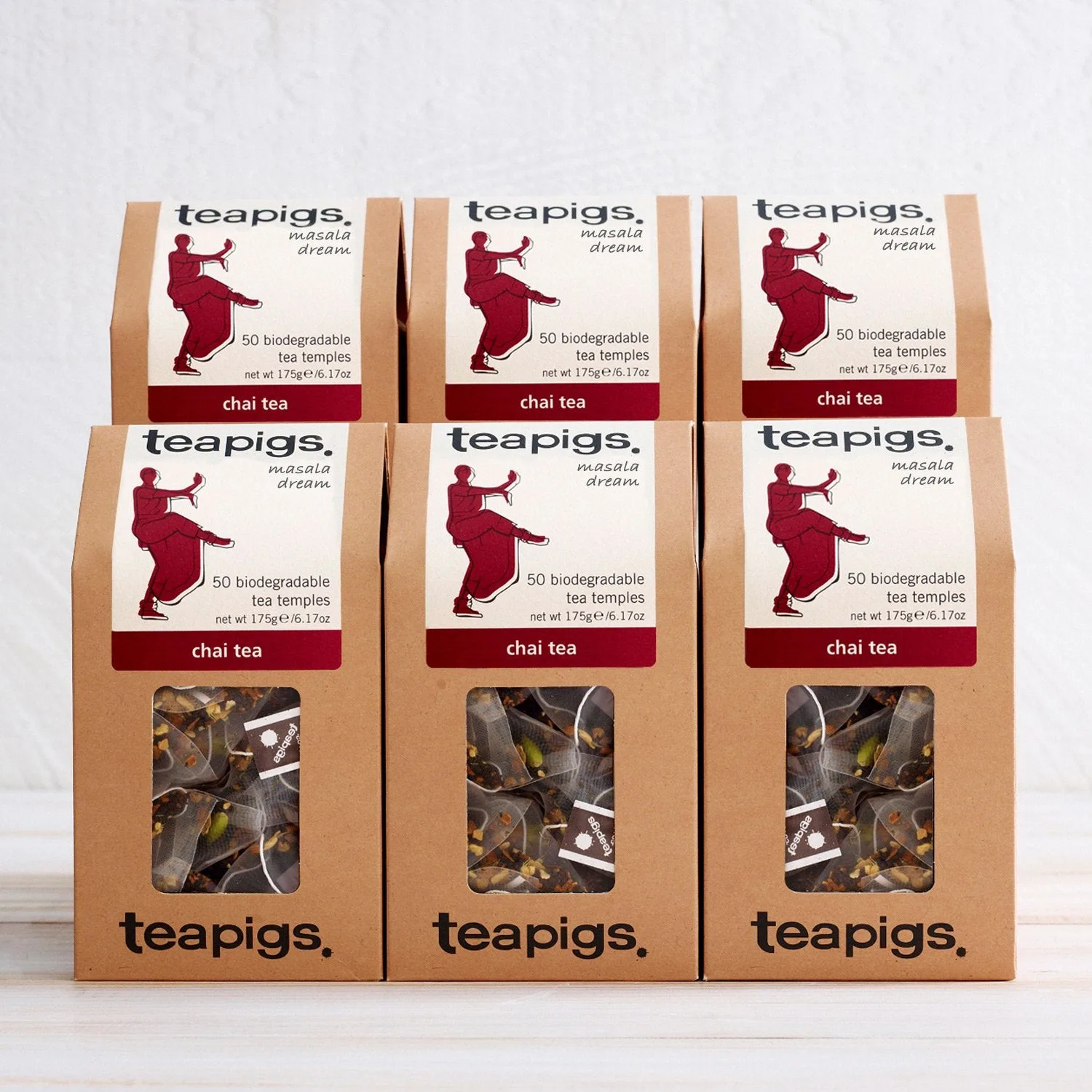
For delicate herbal teas like chamomile tea, a slightly lower temperature (around 200°F) helps preserve its apple-like sweetness and floral notes. For heartier blends with roots or spices, like chai bulk buy, boiling water is perfect to extract deep, warming flavors. Using a thermometer or an electric kettle with temperature settings takes the guesswork out of the process.
- For most herbal teas, water just off the boil (200-212°F) works best.
- Avoid boiling water for blends with delicate flowers or leaves to prevent bitterness.
Steeping Time: The Key to Balanced Flavor
Steeping time directly affects the strength and flavor profile of your herbal tea. Too short, and you'll get a weak, watery infusion; too long, and you might extract bitter compounds. Most herbal teas require 5 to 10 minutes of steeping, but this varies by ingredient. For instance, a blend with peppermint or chamomile often reaches its peak at 5-7 minutes, while rooibos or honeybush can steep for 10 minutes without turning bitter.
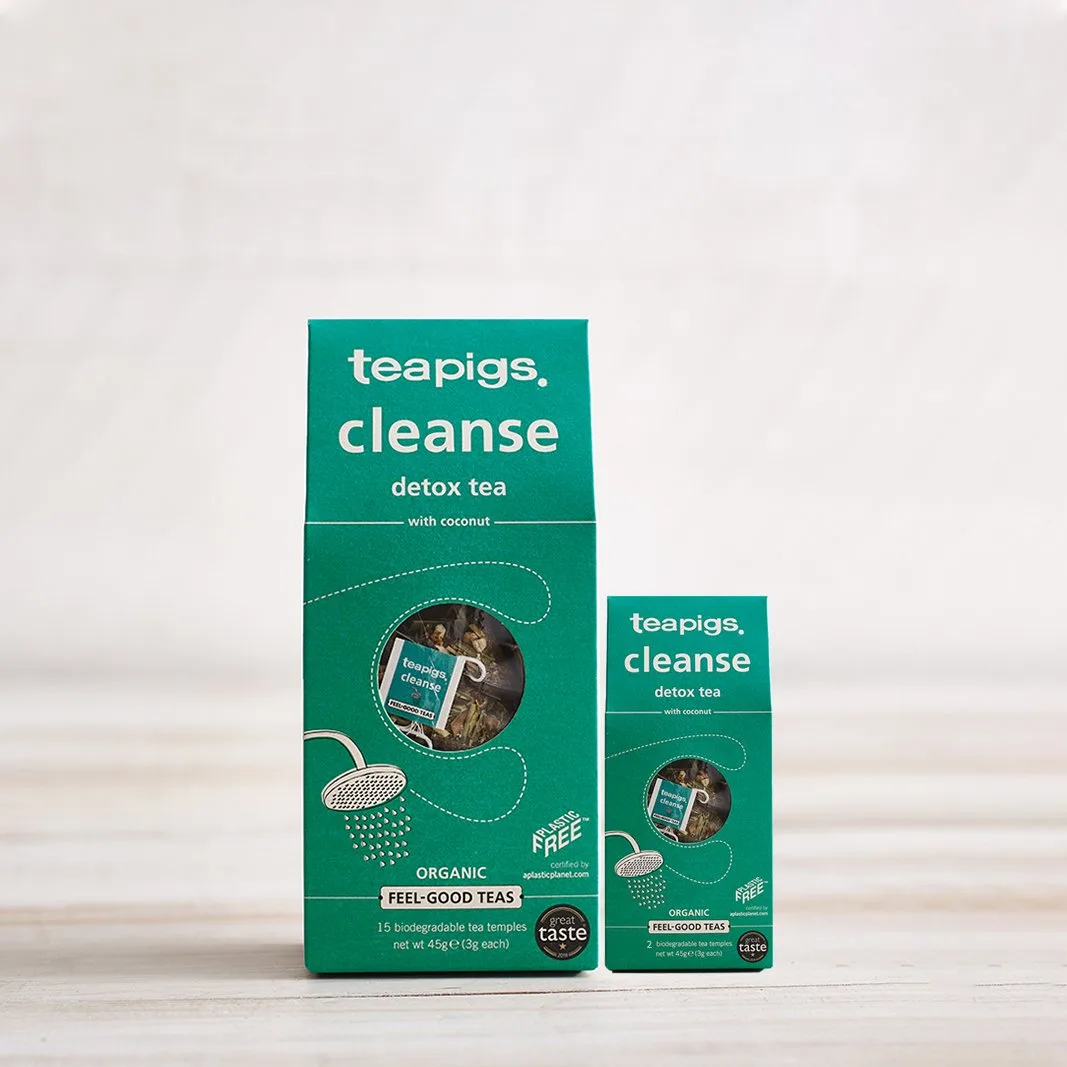
If you're brewing a calming nighttime blend like snooze with lavender, a longer steep (8-10 minutes) helps release the relaxing compounds. For a zesty cleanse with coconut, 5-7 minutes is usually enough to balance the tropical notes with the cleansing herbs. Experiment with steeping times to find your personal preference, but always start with the recommended time on the package.
- Use a timer to avoid over-steeping—set it for 5 minutes and taste before adding more time.
- Cover your cup or teapot while steeping to retain heat and essential oils.
Choosing the Right Teaware for Herbal Infusions
The vessel you use can impact both the brewing process and your enjoyment. For loose-leaf herbal blends, a teapot with a built-in infuser or a mesh strainer is ideal. If you prefer tea bags, a quality mug that retains heat well—like a ceramic teapigs dachshund mug—can make a difference in keeping your tea warm while it steeps. The material matters too: ceramic and glass are neutral and won't impart flavors, while metal can sometimes alter the taste.
For those who enjoy loose-leaf tea on the go, a portable infuser bottle or a teapigs rCup is a sustainable choice that allows you to brew and sip anywhere. These reusable options are perfect for busy days when you still want a perfectly steeped herbal tea. Investing in good teaware not only enhances flavor but also makes the ritual more enjoyable.
- Glass or ceramic teapots are best for herbal teas—they don't retain flavors from previous brews.
- A tea cozy or mug sleeve helps maintain temperature during longer steeps.
Enhancing Your Herbal Tea Experience
Herbal teas are wonderfully versatile and can be customized to suit your taste. Adding a slice of lemon, a drizzle of honey, or a sprig of fresh mint can elevate the flavor profile. For blends like ginger and manuka honey tea, a touch of extra honey complements the natural sweetness and adds a soothing effect. You can also experiment with combining different herbal teas to create your own signature blend.
For those who prefer a stronger cup, try using two tea bags or increasing the amount of loose leaf by a teaspoon. If you're sensitive to bitterness, reduce the steeping time by a minute or two. Remember, the best cup of herbal tea is the one that tastes perfect to you. Don't be afraid to adjust the variables until you find your ideal brew.
- Sweeten naturally with honey, agave, or stevia—avoid refined sugar if possible.
- Cold-brew herbal tea overnight for a refreshing, naturally sweet iced version.
Brewing the perfect cup of herbal tea is a simple yet rewarding art. By paying attention to water temperature, steeping time, and your choice of teaware, you can unlock the full spectrum of flavors and benefits in every blend. Ready to elevate your tea ritual? Explore our collection of premium herbal teas, including the calming snooze with lavender, and discover your new favorite cup today.