Quick answer
To brew the perfect cup of matcha, start with high-quality matcha powder, sift it to remove clumps, and whisk in hot (not boiling) water using a bamboo whisk in a zigzag motion until frothy. This technique ensures a smooth, lump-free, and enjoyable cup every time.
Matcha has become a favorite for tea lovers seeking a calm, focused energy boost. Unlike regular green tea, matcha is a powdered tea, so the entire leaf is consumed, offering a rich concentration of antioxidants and a uniquely smooth, savory-sweet flavor. But brewing it well takes a little know-how.
This guide walks you through each step, from selecting the right matcha powder to perfecting your whisking technique. Whether you're a complete beginner or looking to refine your ritual, these practical tips will help you avoid common mistakes and brew a delicious cup at home.
Choose the Right Matcha Powder
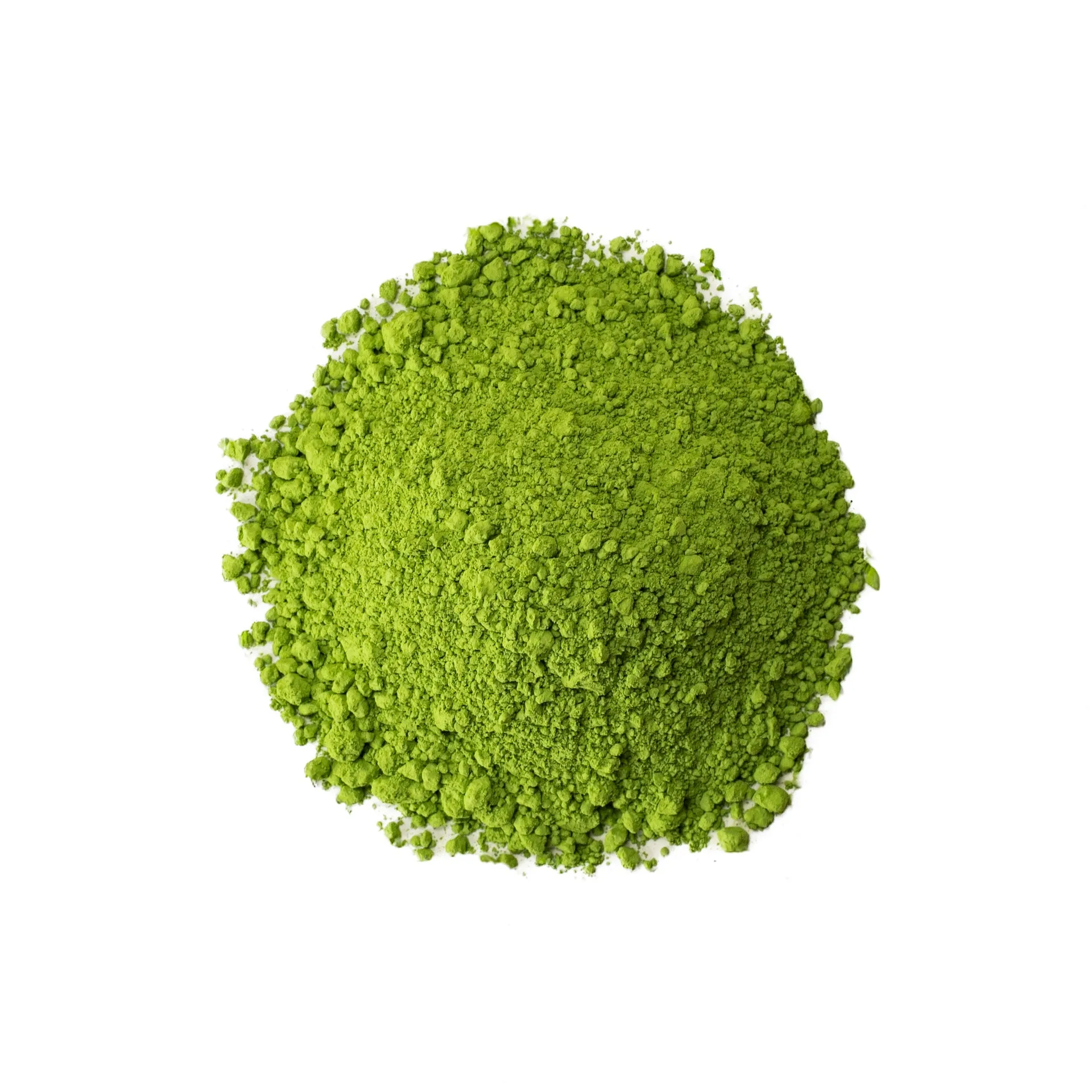
The quality of your matcha powder dramatically affects the taste and texture of your brew. Ceremonial grade matcha, made from the youngest tea leaves, has a vibrant green color, a delicate sweetness, and a fine texture that whisks into a smooth, frothy cup. Culinary grade matcha is more bitter and better suited for baking or smoothies.
When buying matcha, look for a bright, vivid green color, which indicates freshness and high chlorophyll content. Avoid dull, yellowish powders, as they may be older or lower quality. Also, check the origin and harvest date if available; first harvest matcha from Japan is often considered the finest.
- Tip: Store your matcha powder in an airtight container away from light and heat to preserve its color and flavor.
Gather Your Tools
You don't need a full tea ceremony setup, but a few key tools make a difference. A bamboo whisk (chasen) is ideal for creating a smooth, frothy matcha without clumps. If you don't have one, a small electric milk frother can work in a pinch, though it won't produce the same fine foam.
You'll also need a matcha bowl (chawan) or any small bowl, a sifter or fine mesh strainer, and a measuring spoon. A kitchen scale can help you measure the exact amount of matcha for consistency, but a standard teaspoon works well.
- Tip: If you're new to matcha, a starter set with a whisk and bowl can be a cost-effective way to begin.
Measure and Sift the Matcha
The standard ratio is about 1 to 2 teaspoons (about 2-4 grams) of matcha powder per 2 ounces (60 ml) of water. For a thinner, everyday cup, use less; for a thicker, more intense cup (like in a tea ceremony), use more. Start with 1.5 teaspoons for a balanced flavor.
Sifting is a crucial step that many skip. Matcha tends to clump, and sifting ensures a smooth, lump-free brew. Place the matcha in a fine-mesh strainer over your bowl and gently tap or stir it through. This also aerates the powder, making it easier to whisk.
- Checkpoint: If you skip sifting, you'll likely end up with clumps in your cup, affecting both texture and flavor.
Heat the Water to the Right Temperature
Water temperature is critical for matcha. Boiling water will scorch the delicate leaves, resulting in a bitter, unpleasant taste. The ideal temperature is about 160°F to 175°F (70°C to 80°C). If you don't have a thermometer, bring water to a boil and let it cool for a minute or two.
Using water that's too hot is the most common mistake. It not only ruins the flavor but also destroys some of the beneficial compounds. On the other hand, water that's too cool won't properly dissolve the powder, leaving a grainy texture.
- Tip: If you're using a kettle without temperature control, let the water sit for 2-3 minutes after boiling to reach the ideal range.
Whisk with the Right Technique
Pour a small amount of hot water (about 2 ounces) into the bowl with the sifted matcha. Using your bamboo whisk, whisk in a quick zigzag or 'W' motion, not a circular stir. This creates a fine, creamy foam and ensures the powder is fully dissolved.
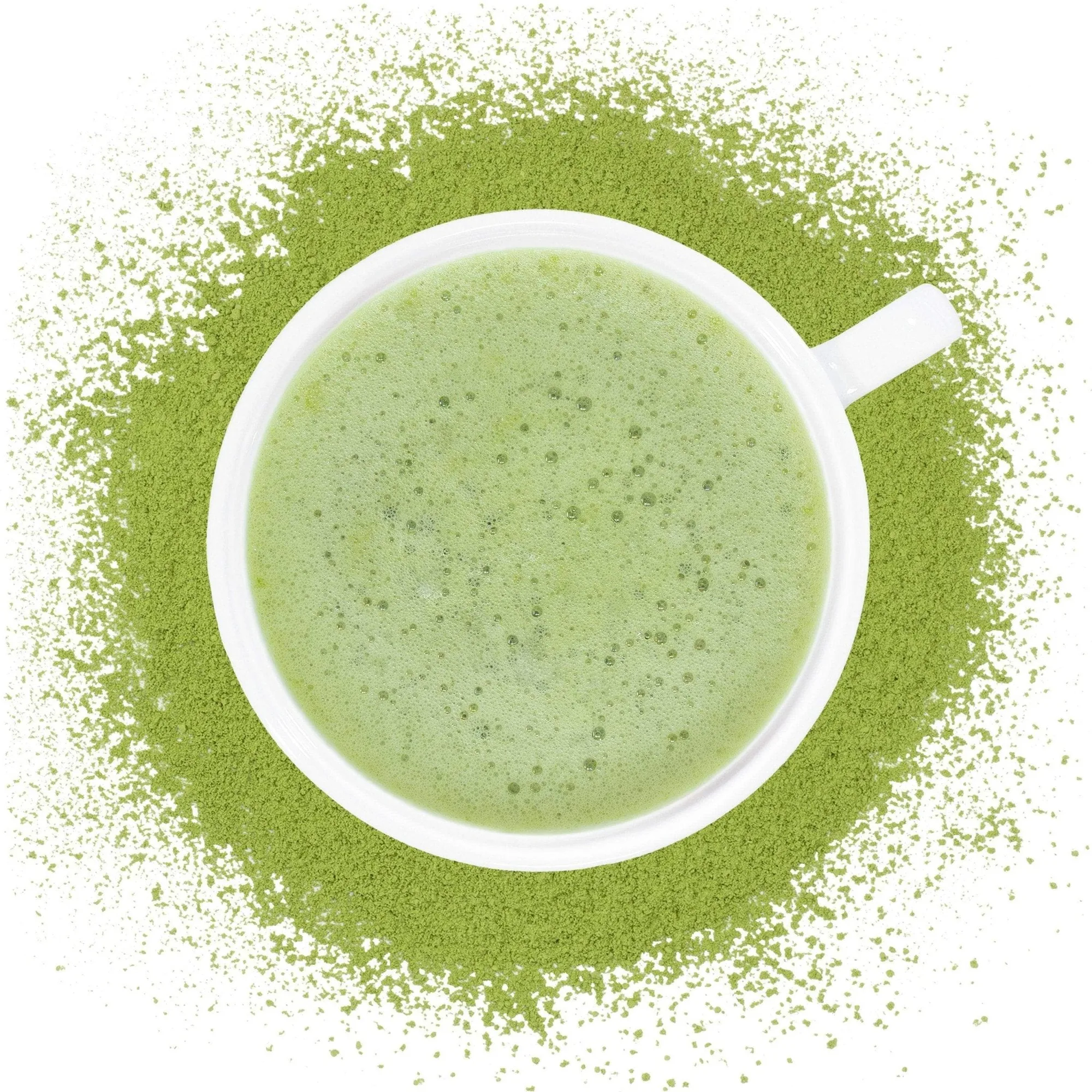
Whisk for about 15-20 seconds, until a layer of microfoam forms on the surface. The foam should be smooth and velvety, not bubbly. If you're using a frother, pulse it briefly until frothy, being careful not to over-froth.
- Checkpoint: If you see large bubbles, you're whisking too vigorously or too long. Aim for a fine, consistent foam.
Adjust to Your Taste
Once your matcha is whisked, you can enjoy it as is, or adjust to your preference. Some like to add a bit more hot water for a lighter cup, while others may add a splash of milk or a sweetener. Traditional matcha is enjoyed plain, but there's no wrong way to make it yours.
If you're adding milk, try adding a small amount of frothed milk to make a matcha latte. You can also experiment with different ratios of water to powder to find your perfect strength. Remember, the best cup is the one you enjoy most.
- Tip: Start with the classic preparation first to appreciate the true flavor of matcha before adding extras.
Step-by-Step Matcha Brewing Checklist
- Select high-quality matcha: Choose a ceremonial grade matcha for drinking, with a vibrant green color and fine texture. Checkpoint: Avoid dull or yellowish powders; they may be stale or lower quality.
- Gather your tools: You'll need a bamboo whisk, a bowl, a sifter, and a measuring spoon. A thermometer is helpful but not essential. Checkpoint: A bamboo whisk is best for a smooth foam; a frother is a backup option.
- Measure and sift: Use 1.5 teaspoons (about 3 grams) of matcha per 2 ounces of water. Sift to remove clumps. Checkpoint: Sifting is non-negotiable for a lump-free cup.
- Heat water to 160-175°F: Boil water and let it cool for 1-2 minutes, or use a kettle with temperature control. Checkpoint: Boiling water will make your matcha bitter.
- Whisk in a zigzag motion: Add hot water to the bowl and whisk in a quick 'W' motion for 15-20 seconds until frothy. Checkpoint: Look for fine microfoam, not large bubbles.
- Serve and enjoy: Drink immediately, or add milk or sweetener to taste. Experiment to find your perfect cup. Next step: Try making a matcha latte by adding frothed milk.
Tools and Products to Enhance Your Matcha Experience
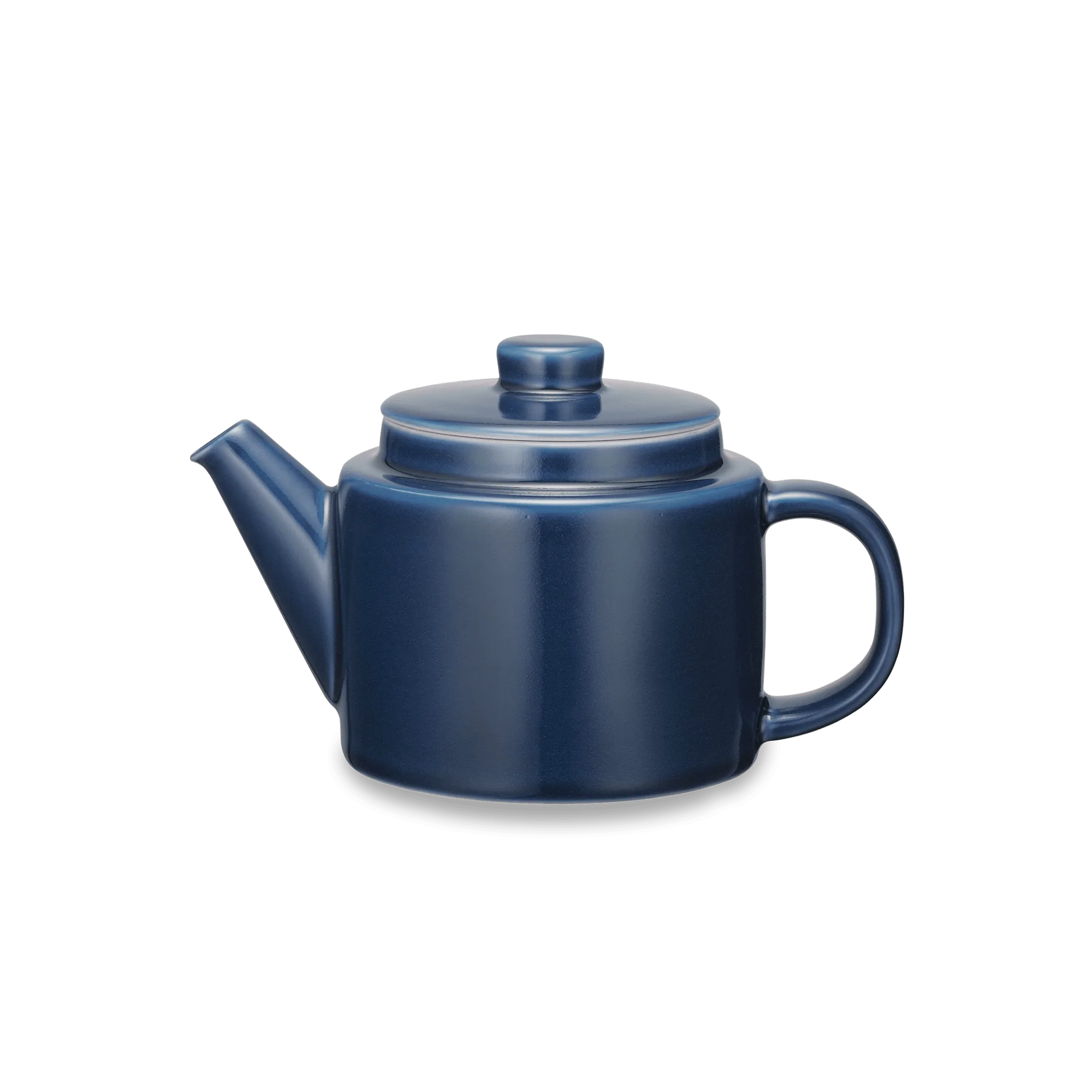
- COMMON Navy Ceramic Teapot 500ml: Ceramic Tea pot with removable stainless steel infuser for easy cleaning. COMMON emerged from the pursuit of universal designs. Examining the essential elements of a variety of COMMON products, designer Yota Kakuda developed a lineup of tableware for everyday use. The simple yet robust designs are manufactured to ensure they become a valuable part of everyday life. While not a traditional matcha bowl, this ceramic teapot's sturdy design and easy-to-clean stainless steel infuser make it a versatile addition to your tea ritual, especially if you also enjoy loose leaf teas.
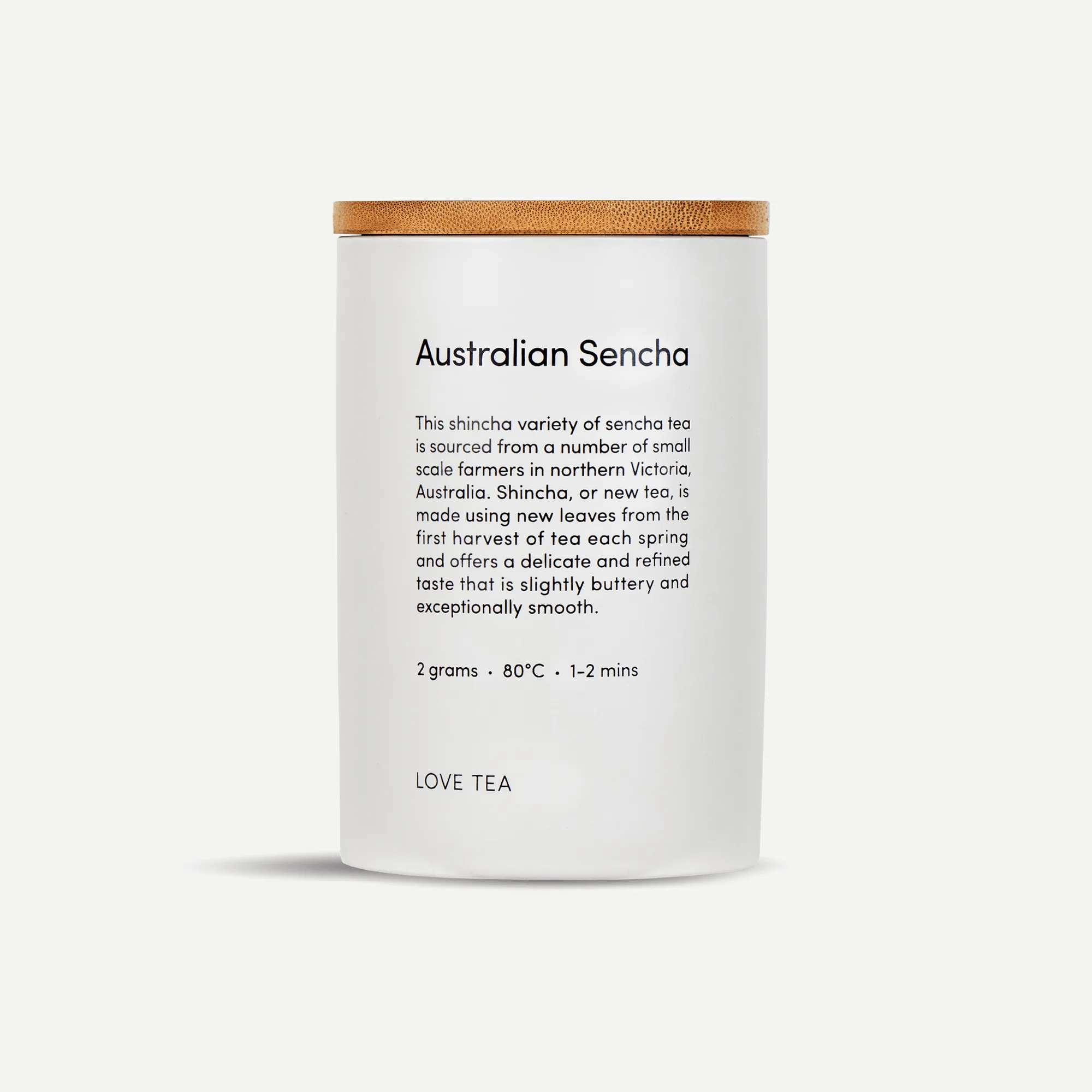
- Australian Sencha Canister: Love Tea ceramic tea canisters provide an elegant and practical storage solution for your chosen blend. They are designed to prolong the life of your tea, by providing an airtight seal and protection from light, and are also a perfect gifting option. This canister is supplied with 100g of Australian Sencha tea. This shincha variety of sencha tea is sourced from a number of small scale farmers in northern... Proper storage is key to keeping your matcha fresh. While this canister comes with sencha, its airtight, light-blocking design is ideal for storing matcha powder, preserving its vibrant color and flavor.
Brewing matcha at home is a simple yet rewarding ritual. With the right powder, proper technique, and a little practice, you'll be able to enjoy a smooth, delicious cup that rivals your favorite tea shop. Remember to store your matcha well and don't be afraid to adjust the recipe to suit your taste. Happy brewing!