Quick Answer
To brew the perfect cup of herbal tea, use water heated to 212°F (100°C) and steep for 5-7 minutes. Use one teaspoon of loose leaf tea per 8 ounces of water, and cover your cup or teapot while steeping to keep in the beneficial oils.
Brewing herbal tea is more than just adding hot water to leaves. The right temperature, steeping time, and technique can transform a bland cup into a rich, aromatic experience. Whether you're a tea newbie or a seasoned enthusiast, mastering these variables ensures you get the most flavor and benefit from your herbs.
Unlike delicate green or white teas, herbal teas (tisanes) are made from a variety of plant parts—leaves, flowers, roots, and seeds—which typically require hotter water and longer steeping times to release their full potential. This guide walks you through the essential steps to brew a perfect cup every time.
Understanding Water Temperature for Herbal Tea
Water temperature plays a crucial role in extracting the flavors and beneficial compounds from herbs. Most herbal teas are robust and need near-boiling water to properly infuse. The ideal temperature for herbal tea is 212°F (100°C), which is a full rolling boil. This high heat helps to release the essential oils, antioxidants, and other active ingredients from tougher plant materials like roots and seeds.
If your water is too cool, the tea will be weak and under-extracted. If it's too hot, you risk scorching delicate flowers or leaves, which can result in a bitter taste. For most herbal blends, boiling water is safe, but for blends with lighter ingredients like chamomile or mint, you can let the water cool for a few seconds after boiling to around 200°F (93°C) to preserve their delicate aromatics.
- Use a thermometer for precision, or simply bring water to a rolling boil and wait 30 seconds for slightly cooler temperature.
Steeping Time: How Long to Steep Herbal Tea
Steeping time determines the strength and flavor profile of your tea. Herbal teas generally require longer steeping times than true teas (green, black, oolong) because the plant materials are denser. A standard guideline is to steep herbal tea for 5 to 7 minutes. This allows enough time for the water to penetrate the plant cells and extract the full range of flavors and nutrients.
Steeping for too short a time will produce a weak, watery brew. Steeping for too long can lead to bitterness and astringency, especially if your blend contains ingredients like hibiscus or rosehips. If you prefer a stronger cup, you can steep for up to 10 minutes, but taste at the 5-minute mark to check for your desired strength. Remember that the perfect steeping time can vary based on the specific herbs in your blend, so always check the manufacturer's instructions if available.
- Set a timer to avoid over-steeping and bitterness.
Choosing the Right Tea-to-Water Ratio
The amount of tea you use directly affects the flavor intensity. A general rule of thumb is to use one teaspoon of loose leaf herbal tea per 8 ounces (240 ml) of water. For denser herbs like roots or berries, you might need a bit more—up to one tablespoon per cup. Conversely, for fluffy, voluminous herbs like chamomile or lavender, a teaspoon is often enough because they expand significantly when wet.
If you're using tea bags, one bag is typically designed for one cup. However, if you prefer a stronger brew, you can use two bags or a larger quantity of loose leaf. Experiment to find your perfect ratio, keeping in mind that you can always add more hot water to dilute a too-strong cup, but you can't remove water from a weak one.
- Weigh your tea for consistency: about 2-3 grams per 8 ounces is a good starting point.
The Importance of Covering Your Tea While Steeping
When steeping herbal tea, covering your cup or teapot is a simple but crucial technique. The heat helps to keep the water at a consistent temperature, which is essential for proper extraction. Additionally, covering traps the volatile aromatic oils that would otherwise escape with the steam. These oils contribute significantly to the flavor and therapeutic benefits of the tea.
Use a saucer, a lid, or a tea cozy to cover your vessel. If you're using a teapot, always put the lid on. This is especially important for herbal teas that rely on their essential oils for their characteristic flavors, such as mint or chamomile. Skipping this step can result in a less flavorful and aromatic cup.
- Invest in a teapot with a tight-fitting lid or use a small plate to cover your mug.
Straining and Serving Your Herbal Tea
Once your tea has steeped for the desired time, it's time to strain and serve. If you used loose leaf tea, pour the tea through a fine-mesh strainer into your cup. This will catch any small particles and prevent over-steeping, which can continue if the leaves remain in the water. If you used a tea infuser, remove it promptly.
Herbal teas are often enjoyed without milk or sugar, but you can add honey, lemon, or a splash of your favorite non-dairy milk to enhance the flavor. Some herbal teas, like our Digestive Herbs Tea, have naturally sweet notes, while others might benefit from a touch of sweetness. Serve hot and enjoy the soothing aroma and flavor of your perfectly brewed cup.
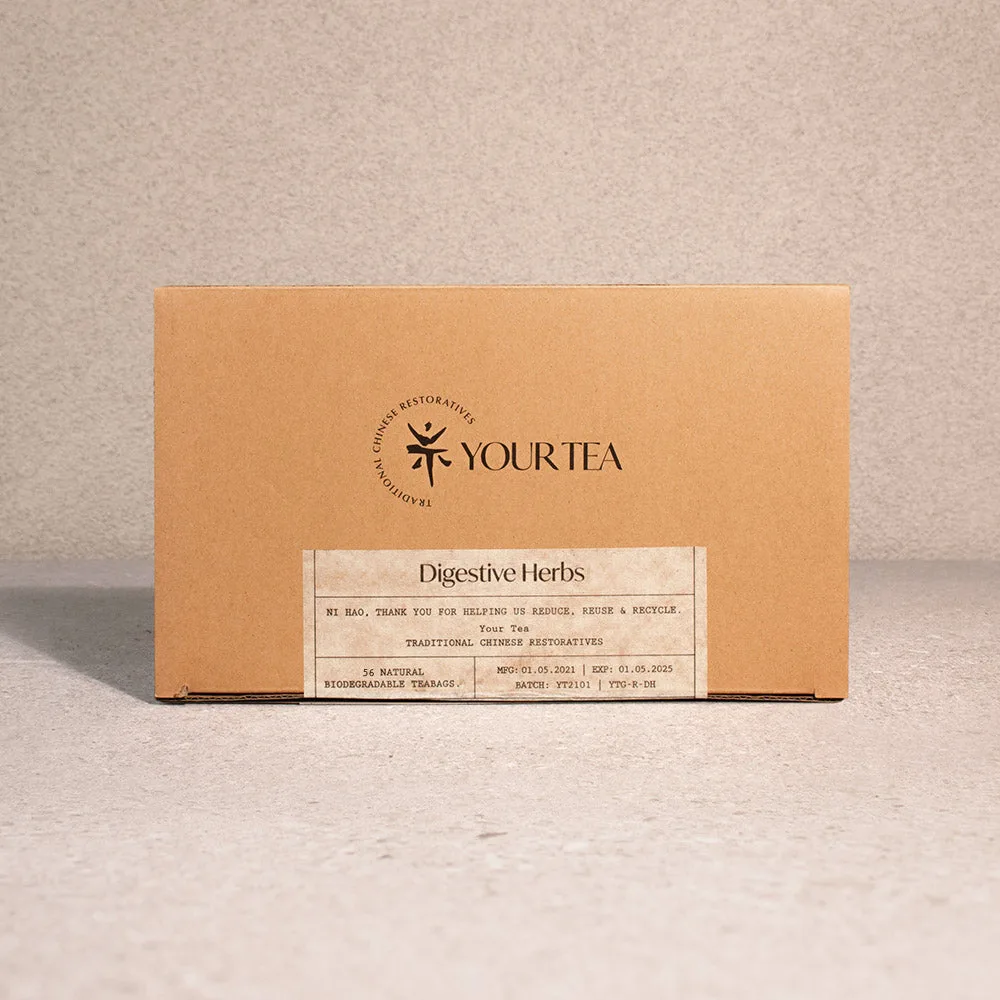
Digestive Herbs Tea
- If you're making a large batch, remove the leaves or bags before storing in the refrigerator for iced tea.
Step-by-Step Brewing Guide
- Boil Fresh Water: Start with fresh, cold water and bring it to a rolling boil. Avoid re-boiling water as it can reduce oxygen content and affect flavor. Checkpoint: Water should be at a full boil (212°F/100°C) for most herbal teas.
- Measure Your Tea: Use about one teaspoon of loose leaf tea (or one tea bag) per 8-ounce cup. Adjust to taste, but this is a good starting point. Checkpoint: For denser herbs, you may need more; for fluffy ones, less.
- Pour Water Over Tea: Pour the boiling water directly over the tea leaves or bag. Ensure all the tea is submerged to allow for even extraction. Checkpoint: If using a teapot, fill it to the brim and cover with a lid.
- Steep for 5-7 Minutes: Set a timer and let the tea steep for 5-7 minutes. This allows full flavor and beneficial compound extraction without bitterness. Checkpoint: Taste at 5 minutes; if you prefer a stronger brew, steep up to 7 minutes but not longer.
- Strain and Serve: Remove the tea leaves or bag immediately after steeping. Strain into your cup and enjoy. Add sweetener or lemon if desired. Checkpoint: Serve hot and savor the perfect cup you've brewed.
Product Facts
- Digestive Herbs Tea (Tiny Tea): Developed to restore digestive integrity through the power of ancient Chinese herbs, formulated by Australian Chinese Medicine Doctors based on Traditional Chinese Medicinal Principles. Digestive Herbs aim to support the body in recovery from ailments such as SIBO, bloat, IBS and other digestive disturbances. Digestive Herbs Tea is a 4-week ‘health program’. This robust blend benefits from a full 5-7 minute steep in boiling water to extract the digestive-supporting compounds from the herbs.
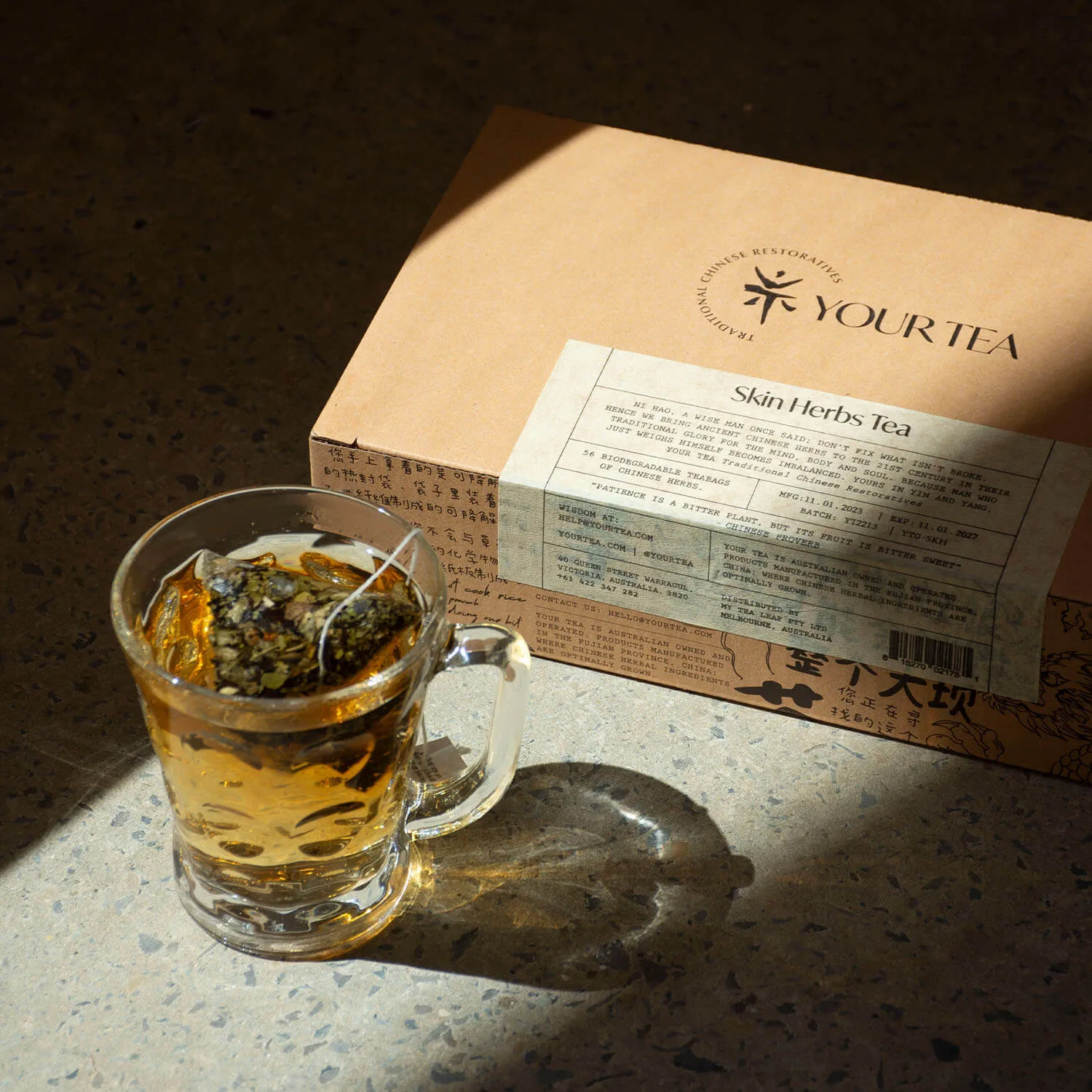
- Skin Herbs Tea: Developed to address skin clarity and purity, through the power of ancient Chinese herbs. Formulated by Australian Chinese Medicine Doctors based on Traditional Chinese Medicinal Principles. Skin Herbs Tea is a 4-week ‘health program’: to be consumed twice per day, daily. To get the most out of this skin-supporting tea, use boiling water and steep for 5-7 minutes to ensure the herbs release their beneficial properties.
Brewing the perfect cup of herbal tea is an art that combines the right temperature, time, and technique. By following these steps, you'll unlock the full flavor and benefits of your favorite herbal blends. Experiment with different steeping times and ratios to find what suits your palate best. Remember, the perfect cup is the one that tastes best to you.