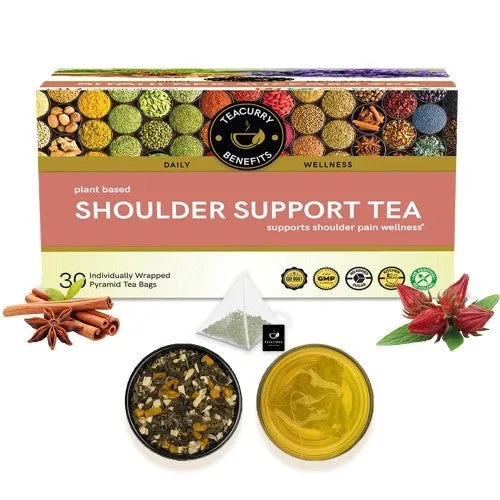
Start with the pack you actually have
Tulsi Green Tea from Teacurry comes in two formats: tea bags and loose leaf. The tea bags are sold as 30, 60, or 120 counts, which line up with roughly one, two, or four months of daily drinking. Loose leaf comes in 100 g or 200 g packs, and you can also get a 100 g or 200 g loose pack bundled with an infuser.
That matters before you brew because the two formats behave differently in the cup. Tea bags give you a fixed portion and almost no cleanup. Loose leaf gives you more control over strength and lets you adjust the amount if you want a lighter or stronger cup. If you are still deciding, the 30-bag pack is the lowest-commitment way to try the blend, while the loose leaf plus infuser bundle is the simplest way to start without buying extra equipment.
What the catalog confirms about this blend
-
Tulsi Green Tea - Helps with Immunity, Stamina & Metabolism: Tulsi Green Tea is made by blending green tea leaves and Tulsi leaves. Knowing the two ingredients helps you expect a cup that tastes of both green tea and holy basil, not a pure green tea.
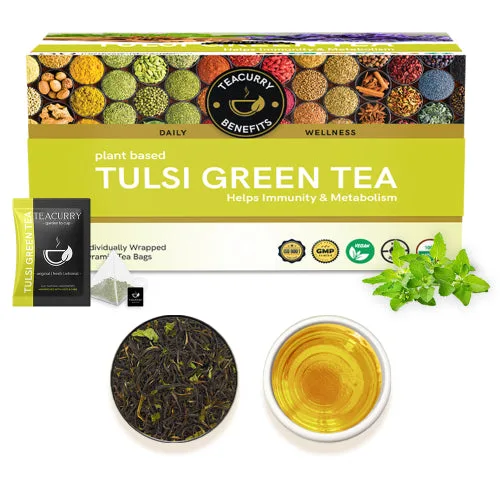
Tulsi Green Tea - Helps with Immunity, Stamina & Metabolism
-
Tulsi Green Tea - Helps with Immunity, Stamina & Metabolism: Tulsi is commonly known as Holy Basil or Indian Basil and has been used in India for centuries. This is the traditional context behind the blend, not a brewing instruction.
-
Tulsi Green Tea - Helps with Immunity, Stamina & Metabolism: Teacurry describes the blend as a rich source of antioxidants with stress-relieving and rejuvenating properties. This is the catalog's positioning, so treat it as a description of the blend rather than a guaranteed outcome.
How to brew a cup: what the catalog does and does not specify
The supplied product information for Tulsi Green Tea does not include a water temperature, steeping time, or leaf-to-water ratio. That is a real limitation, not something to guess around. Green tea and tulsi are both sensitive to over-steeping, but without a manufacturer instruction you should not treat any specific number as official.
A safe approach is to brew conservatively and adjust to taste. Use freshly boiled water that has cooled slightly, steep briefly, and taste as you go. If the cup turns bitter, shorten the next steep or use cooler water. If it tastes thin, steep a little longer. For tea bags, one bag per cup is the natural starting point. For loose leaf, start with a small spoonful and adjust once you know how strong you like it. The catalog does not confirm a specific quantity, so treat this as a starting method rather than a rule.
A simple daily brewing routine
- Choose your format: Tea bags if you want speed and consistency; loose leaf if you want to tune strength and already have or are buying an infuser.
- Heat water and let it settle: Bring water to a boil, then let it cool briefly before pouring over the tea. The catalog does not give a target temperature, so use your judgment and adjust if the cup tastes harsh.
- Steep and taste: Start with a short steep, then taste. Adjust time or leaf amount on the next cup rather than following an unverified number.
- Drink it after a meal if that suits you: The catalog describes Tulsi Green Tea as an ideal beverage after a wholesome meal because it may act as a stimulant to produce more gastric juices and promote digestion.
- Keep the rest dry: Store tea bags or loose leaf in a sealed container away from moisture and strong odors. The catalog does not give a shelf life, so use the pack's own date marking if present.
What tulsi green tea benefits mean in practice
The catalog makes several claims about Tulsi Green Tea: it may support the immune system, may help with stress, and may promote a healthy metabolism. It also describes the blend as helpful for digestion and as a source of antioxidants. These are the manufacturer's positioning statements, not clinical guarantees, and they should not be read as a replacement for medical advice.
The practical takeaway is simpler: if you want a green tea with a herbal, slightly basil-like character and you are looking for a daily cup rather than a one-off experiment, this blend fits that job. If you need a tea with a confirmed steeping temperature or a verified caffeine level, the supplied information does not provide those details, so ask the seller before relying on them.
Tea bags vs loose leaf: which suits your routine
- Tea bags (30, 60, or 120 counts): Best for a fixed daily cup, travel, and anyone who does not want to measure. Less control over strength.
- Loose leaf (100 g or 200 g): Best if you want to adjust strength cup by cup and do not mind measuring. Requires a strainer or infuser.
- Loose leaf plus infuser bundle: The easiest entry into loose leaf if you do not already own an infuser. The catalog lists 100 g and 200 g versions.
Building a daily routine that lasts
A daily tea habit works best when it is attached to something you already do. Many people find an after-meal cup easier to remember than a morning one, and the catalog specifically positions this blend as a post-meal drink. If you prefer a morning cup, that is fine too, but keep the routine simple: same time, same cup, same format.
Pack size is the other practical lever. A 30-bag pack is about a month of daily cups, while the 120-bag pack covers roughly four months. Loose leaf is harder to translate into cups because the catalog does not give a serving quantity, so if you are unsure, start with the smaller loose pack or the tea bags and move up once you know your pace.