Quick answer
Brew yerba mate with water at 150–160°F (65–70°C), using about 1 tablespoon of dried leaf per 8 ounces of water. Steep for 3–5 minutes, then remove the leaves. This temperature range extracts flavor and caffeine without the harsh bitterness that boiling water pulls out.
Why water temperature matters more than steep time
Water that is too hot—especially above 170°F—scorches yerba mate leaves, releasing excessive tannins and a sharp, astringent bite. Water that is too cool under-extracts, leaving you with a weak, grassy cup. The sweet spot is 150–160°F. If you do not have a thermometer, bring water to a boil, then let it rest for 5–7 minutes before pouring. This simple pause is the single most effective way to improve your brew.
The right leaf-to-water ratio for a balanced cup
A standard starting point is 1 tablespoon of dried yerba mate per 8 ounces of water. If you prefer a stronger, more robust cup, increase to 1.5 tablespoons. For a lighter, tea-like infusion, use 2 teaspoons. Unlike traditional gourd brewing, where leaves are reused many times, a single steep in a French press or teapot gives you a consistent, predictable strength. Adjust the ratio to your taste after the first brew—there is no single correct amount, only what you enjoy.
Step-by-step brewing method for a French press or teapot
Heat water to 150–160°F. Add 1 tablespoon of yerba mate per 8 ounces to your French press or infuser. Pour the water over the leaves and let them steep for 3–5 minutes. For a milder flavor, taste at 3 minutes and strain immediately; for a deeper, more bitter cup, wait the full 5 minutes. Press the plunger or remove the infuser, then pour. Do not squeeze the leaves—pressing them releases extra bitterness. If you want a second cup, resteep the same leaves with fresh hot water for 2–3 minutes, but expect a lighter flavor.
Common mistakes that ruin yerba mate
The most frequent error is using boiling water. Another is over-steeping: leaving the leaves in the water for more than 5–6 minutes turns the brew harsh. Some people also stir the leaves vigorously, which agitates tannins. Finally, using too much leaf for a small amount of water creates an overwhelmingly bitter drink. Start with the recommended ratio and adjust gradually.
Brewing steps with checkpoints
- Heat water to 150–160°F: Boil water, then let it rest for 5–7 minutes. Use a thermometer if you have one. Checkpoint: If you see steam but no rolling bubbles, you are close.
- Measure 1 tablespoon of yerba mate per 8 ounces of water: Adjust to 1.5 tablespoons for a stronger brew, or 2 teaspoons for a lighter one. Checkpoint: Use a scale for consistency—about 3 grams per 8 ounces.
- Pour water over leaves and steep for 3–5 minutes: Taste at 3 minutes. For less bitterness, strain immediately; for more depth, wait up to 5 minutes. Checkpoint: Do not steep beyond 6 minutes.
- Press and pour without squeezing the leaves: Squeezing releases extra tannins and makes the brew bitter. Checkpoint: If the brew tastes too strong, dilute with a splash of hot water.
- Resteep for a second cup (optional): Use fresh hot water and steep for 2–3 minutes. The flavor will be lighter. Checkpoint: Discard leaves after the second steep.
Product facts
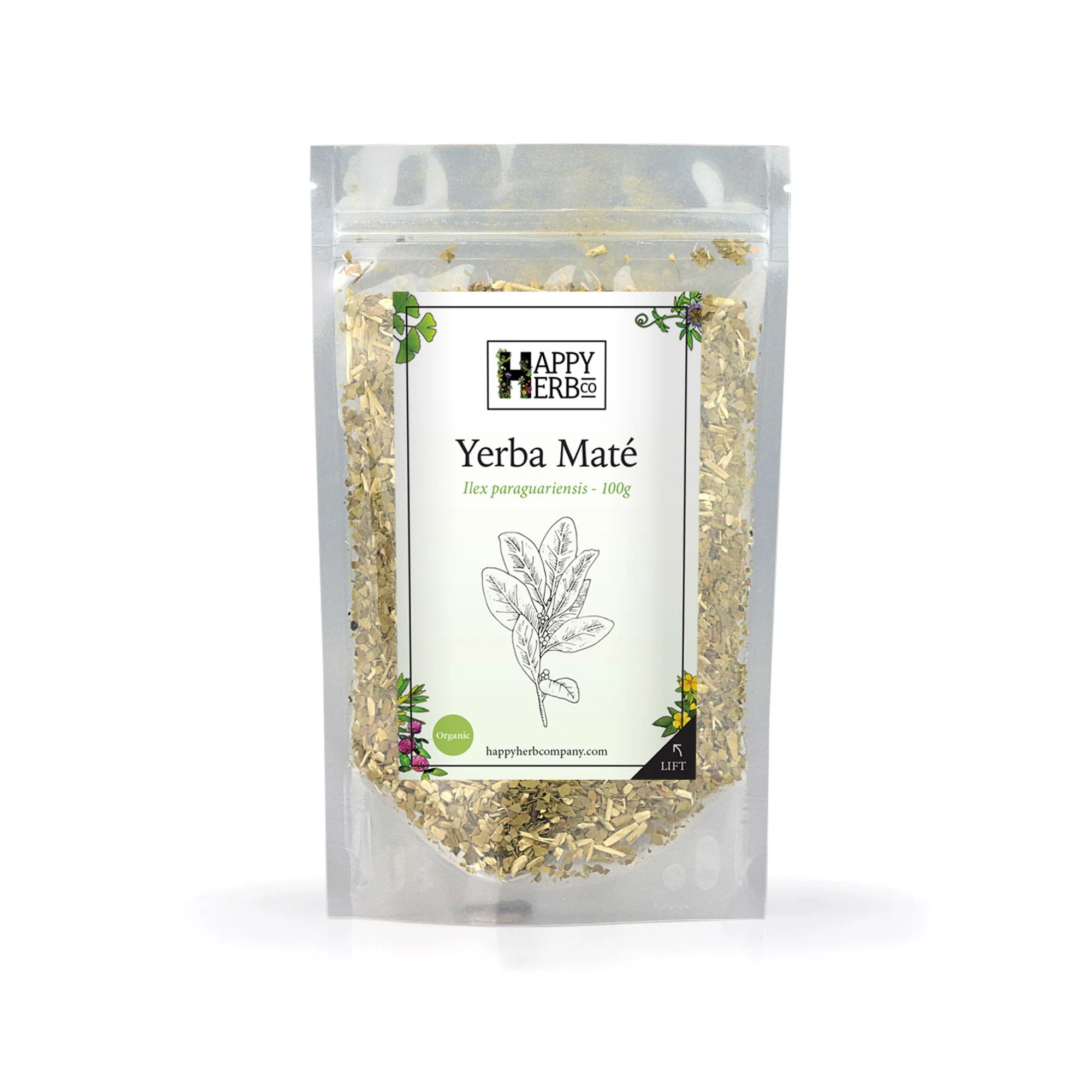
- Yerba Mate: Yerba Mate: A Morning Moment for Energy and Focus. Naturally caffeinated and deeply sustaining, Yerba Mate is often chosen by those seeking a clean, social and broadly uplifting energy without the sharp edge of coffee. Long valued among the Guaraní people of South America as a herb of community, endurance and mental clarity. This yerba mate is naturally caffeinated, so brewing at the right temperature helps you control the release of both caffeine and flavor. The traditional use for endurance and mental clarity aligns with a morning or early afternoon brew.