Quick answer
Start with a tight palette of 2–3 colors and build around 10–14 pieces: 4–5 bodysuits or tops, 3–4 bottoms, 2–3 layers, and 1–2 sleep or special pieces. Choose organic cotton where it touches skin, size layers up first, and pick pieces that share the same wash routine. A capsule works best when every top can pair with every bottom, so you spend less time matching and more time dressing.
Pick a palette and a laundry rhythm first
Before you buy anything, choose 2–3 colors that all match each other—for example, pink, cream, and a soft neutral. This is the single decision that makes a capsule work, because it guarantees that any top can go with any bottom without planning. Then count how often you actually do baby laundry. If you wash every 2–3 days, 10–14 pieces is realistic. If you wash once a week, aim for 14–18 pieces so you are not caught short on a bad day.
- Choose 2–3 colors that all coordinate; avoid one-off prints unless they match at least two other pieces.
- Count your real laundry cadence, not your ideal one, and size the capsule to that.
- Keep one small bin or drawer for the capsule so you can see gaps at a glance.
The 10–14 piece formula that actually covers a week
A practical baby girl capsule wardrobe breaks down into four roles: base layers, bottoms, warm layers, and sleep. Base layers get worn against skin and need the most frequent washing, so they make up the largest share. Bottoms can be worn more than once if they stay clean, so you need fewer. Warm layers are rotated less often and can be sized slightly larger to extend wear. This role-based math keeps you from overbuying cute duplicates that all need washing on the same day.
- Base layers (bodysuits, tees, sweatshirts): 4–5 pieces.
- Bottoms (leggings, trackpants, shorts): 3–4 pieces.
- Warm layers (hoodies, jackets): 2–3 pieces.
- Sleep or special pieces: 1–2 pieces.
Choose fabrics by function, not by label alone
Organic cotton is a strong default for anything that sits against skin because it is breathable and soft, and it holds up to repeated washing when you follow the care label. For cooler days, a cotton-and-fleece blend adds warmth without much bulk, which matters when you are layering a wriggly baby. If a product page does not list a fiber content or a care instruction, treat that as a limitation: you cannot assume it is machine-washable or organic, so either ask the brand or choose a piece that states it clearly.
- Use organic cotton for base layers and leggings that touch skin daily.
- Use cotton-and-fleece blends for pants and outer layers on cold days.
- If fiber content is missing, do not guess—pick a piece that states it.
Mix-and-match rules that survive real mornings
The test of a capsule is whether a half-awake parent can grab any two pieces and have them work. Keep silhouettes simple: one legging fit, one relaxed pant, one hoodie shape. When you add a statement piece—like a sweatshirt with embroidery or racing stripes—make sure its colors already exist in your palette so it still matches three or four other items. This is how you get variety without breaking the system.
- Limit yourself to one or two silhouettes per category.
- Let statement pieces repeat palette colors, not introduce new ones.
- If a new piece does not match at least three existing items, skip it.
Decision rules for building the capsule
- Rule 1: Size layers up first: Buy base layers in your baby's current size, but consider sizing up one step in hoodies and jackets so they fit over other pieces and last through a growth spurt. Checkpoint: can you fit the layer over a bodysuit without pulling?
- Rule 2: Cap each category: Stop at 4–5 base layers, 3–4 bottoms, and 2–3 warm layers. If you are tempted to add a fifth bottom, remove one first. Checkpoint: does every bottom match at least three tops?
- Rule 3: Match the wash routine: If a piece needs special care that does not fit your normal wash, leave it out of the capsule. A capsule only works if everything can be washed together. Checkpoint: can you wash the whole capsule in one load?
- Rule 4: Test the grab-and-go: Before you commit, pull any two pieces from the drawer and see if they work together. If you have to think about it, the palette is too loose. Next step: remove the piece that fails the test.
Pieces that fit a baby girl capsule
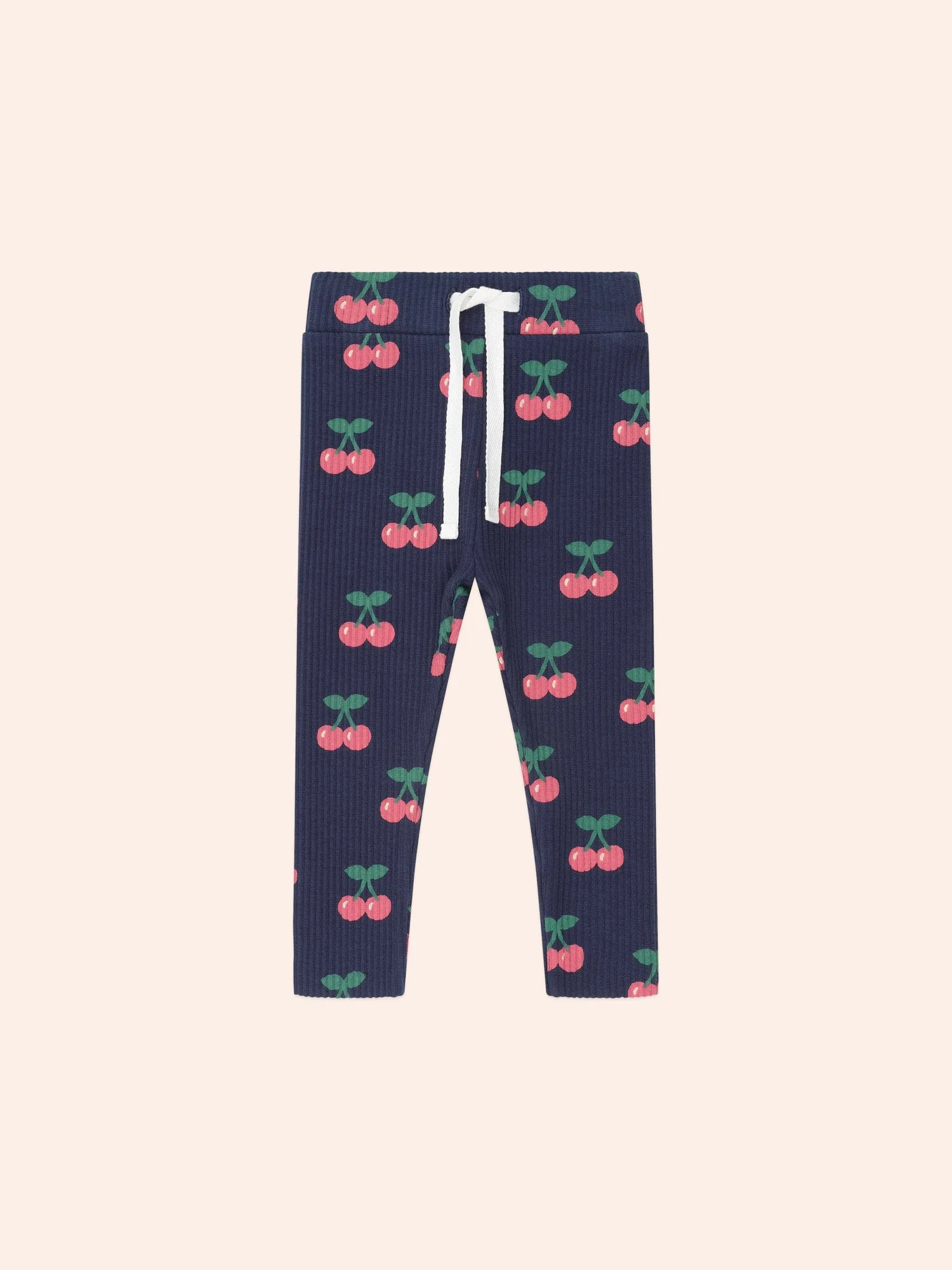
- Cherry Bow Legging: Classic legging fit (take your regular size), elasticated waistband, fluffy fur applique with soft backing, and a premium certified organic cotton elastane blend with a buttery soft hand feel. This is a base-layer bottom that pairs with any top in a tight palette, and the elasticated waist makes diaper changes faster.
- Cherry Racer Stripe Sweatshirt: Made from fluffy 100% organic cotton terry with cherry embroidery on the front and racing stripes down the arms; baby sizes include stainless steel back snaps for easy dressing. A warm mid-layer that adds personality without breaking a 2–3 color palette, and the back snaps help on babies who dislike overhead dressing.
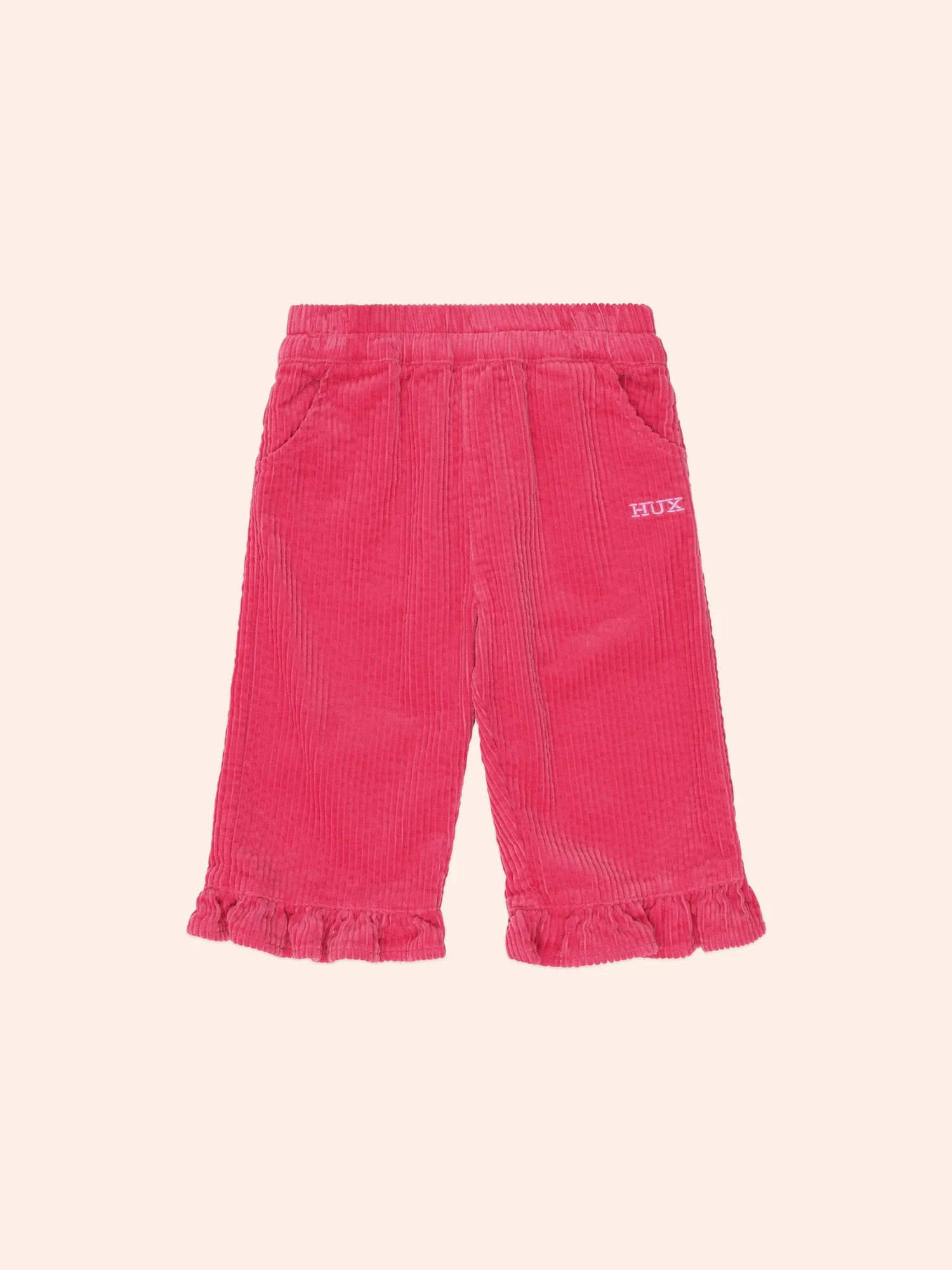
- Collegiate Hux Balloon Trackpant: A retro, cushiony-soft trackpant in a puffy balloon style, made from a blend of cotton and polar fleece, with an adjustable drawstring, stretchy waistband, and HUX embroidery. The fleece blend adds warmth for cooler days, and the adjustable drawstring lets you tune the fit as your baby grows.
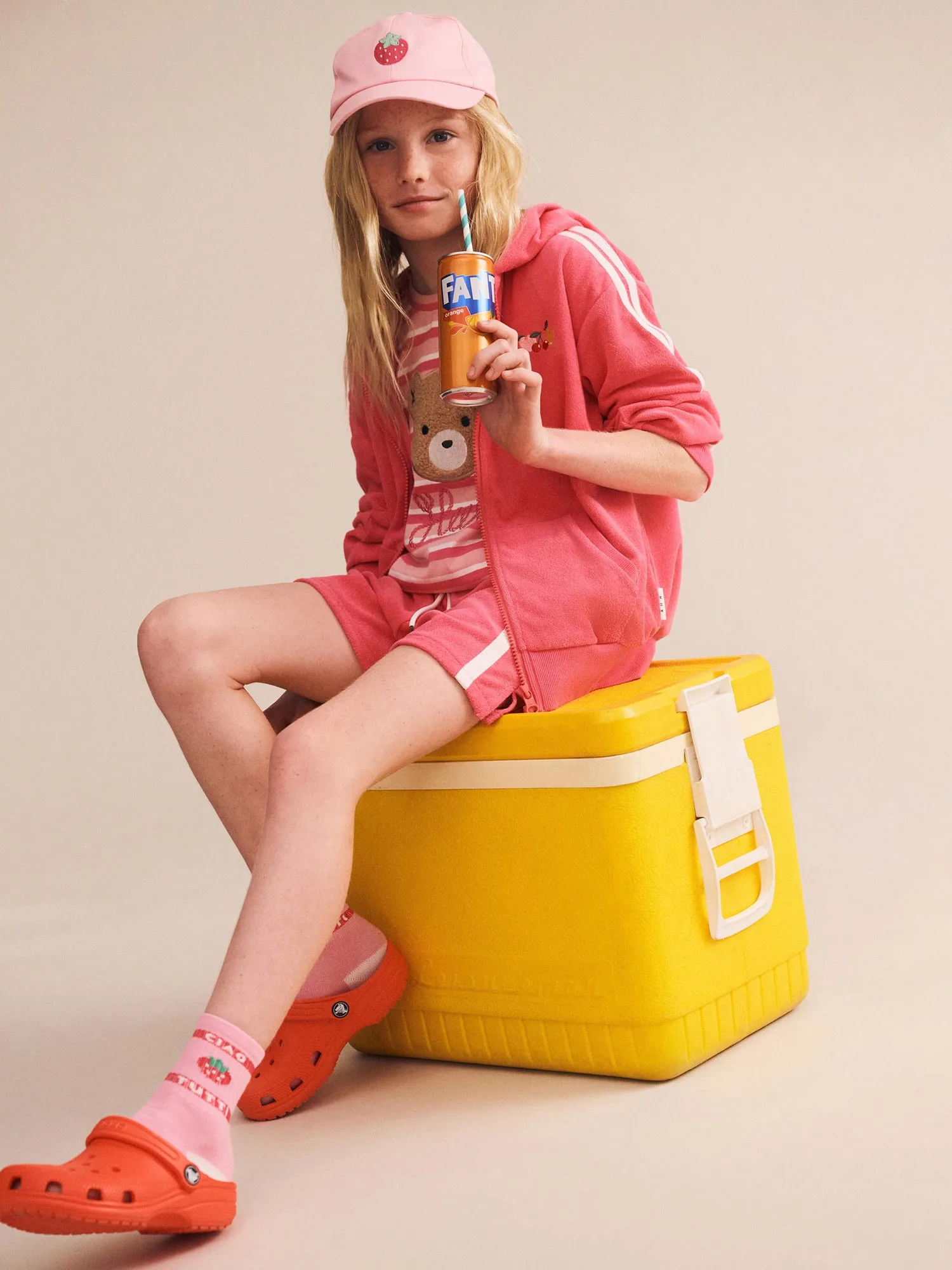
- Huxette Towelling Zip Up Hoodie: A cosy hoodie in pink, described as soft and breathable for layering on cooler days. A zip-up layer is the easiest piece to add or remove during temperature swings, and pink anchors a simple palette.
Is a baby girl capsule wardrobe right for you?
Best for
- Parents who want fewer decisions and faster mornings.
- Families who prefer organic fabrics and a consistent wash routine.
- Caregivers who want every piece to mix with every other piece.
Not for
- Parents who enjoy a large, rotating wardrobe with many novelty prints.
- Families who need separate outfits for multiple children in different sizes.
- Anyone who prefers to buy one-off pieces without a color plan.