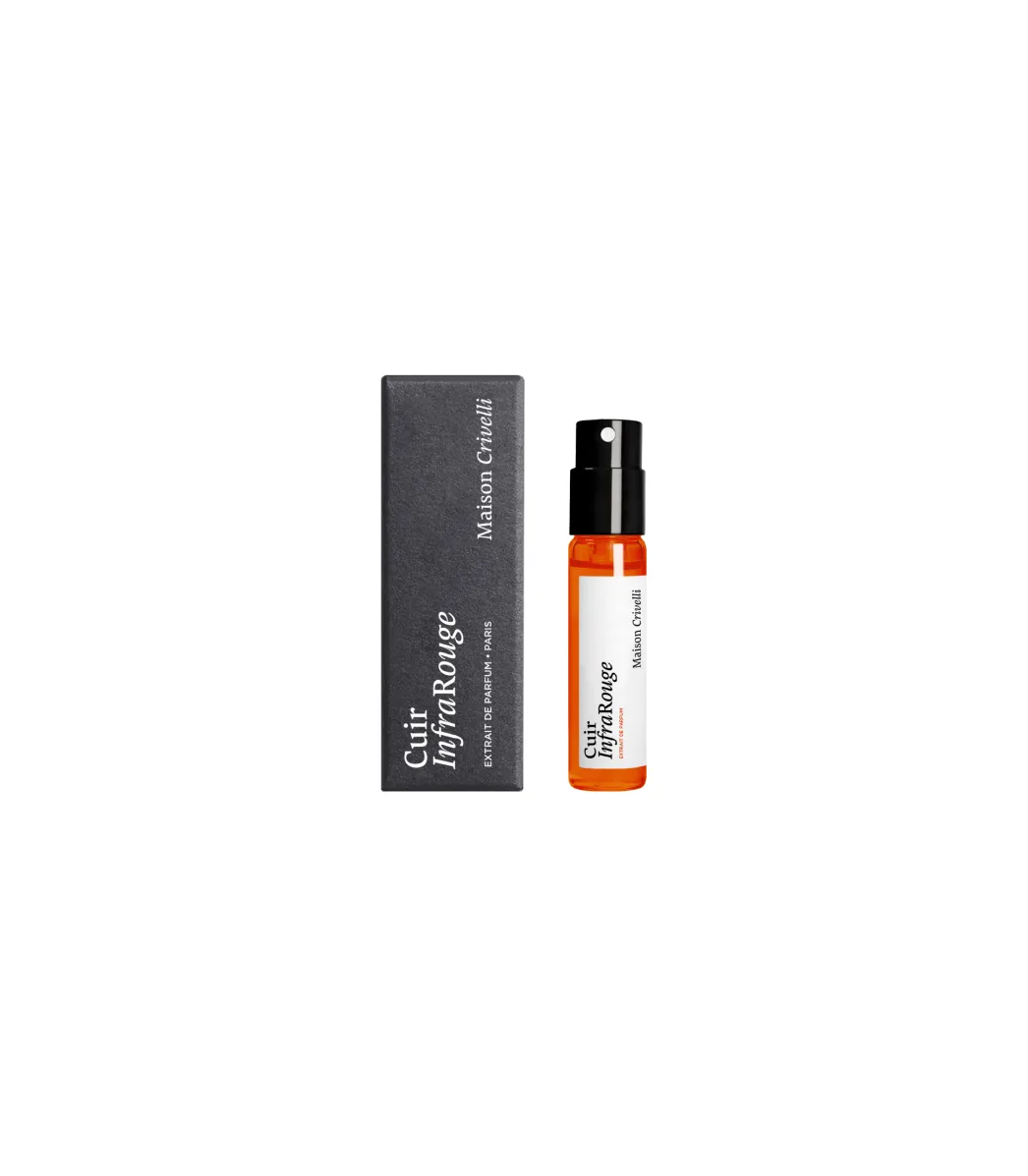
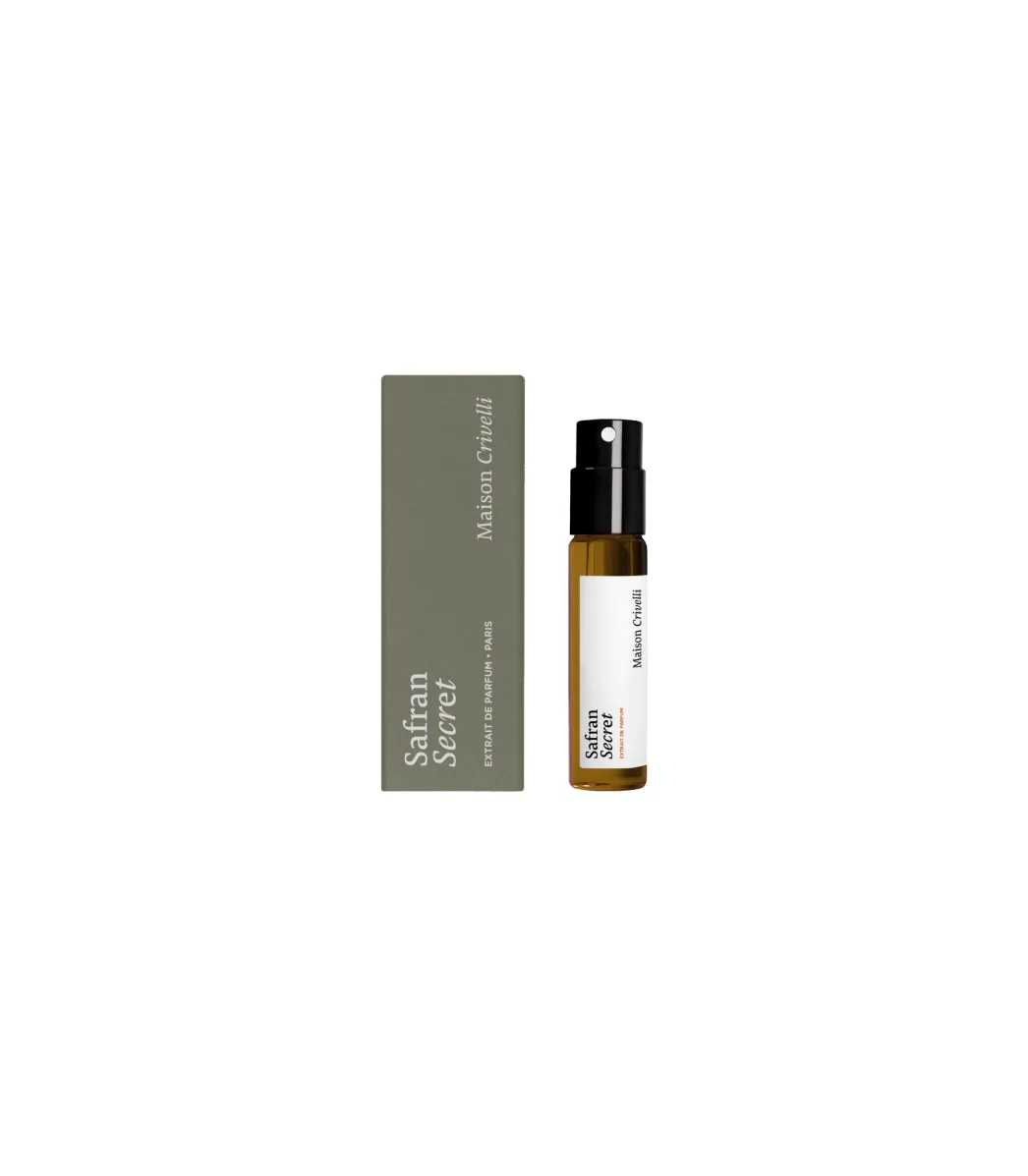
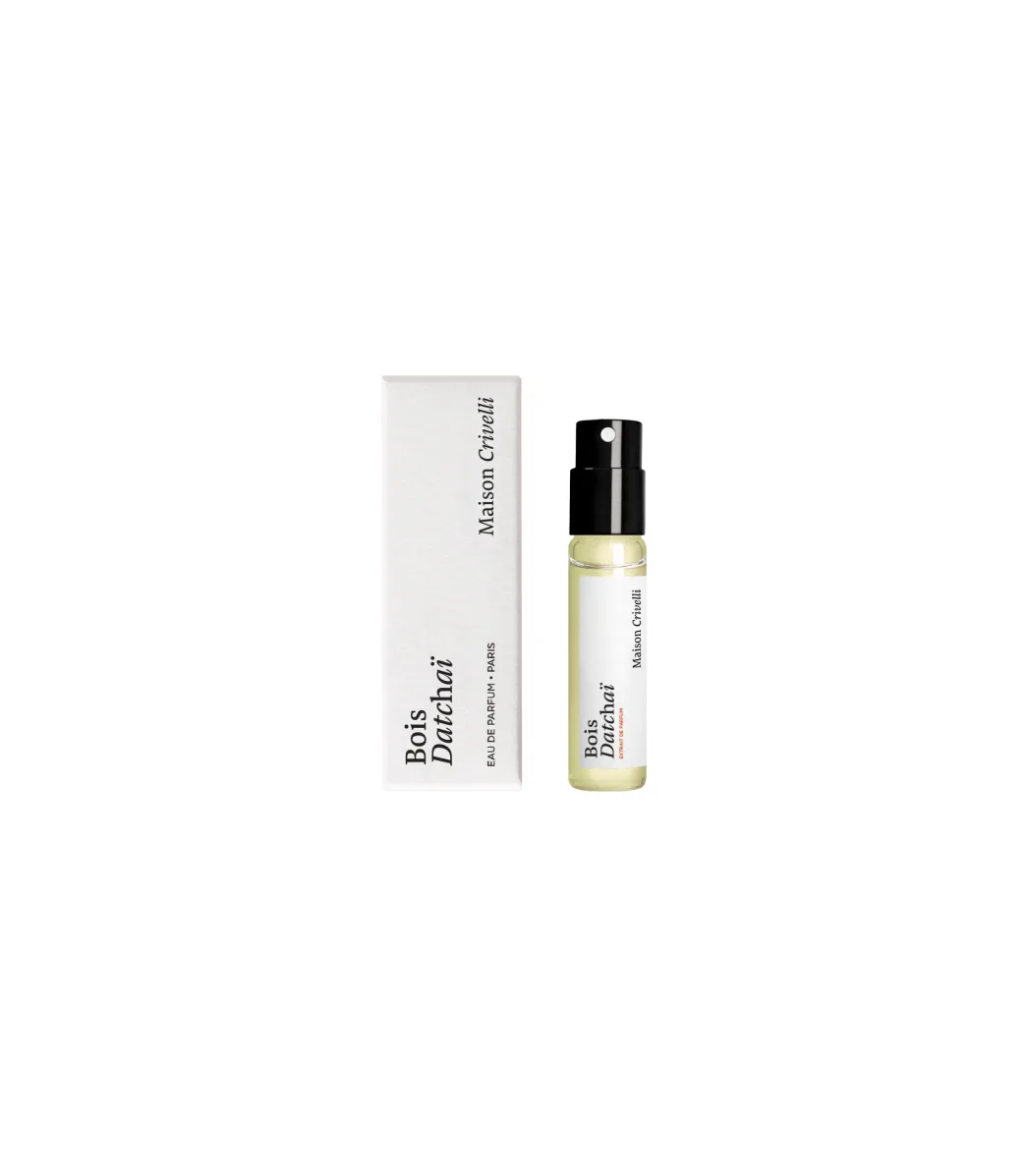
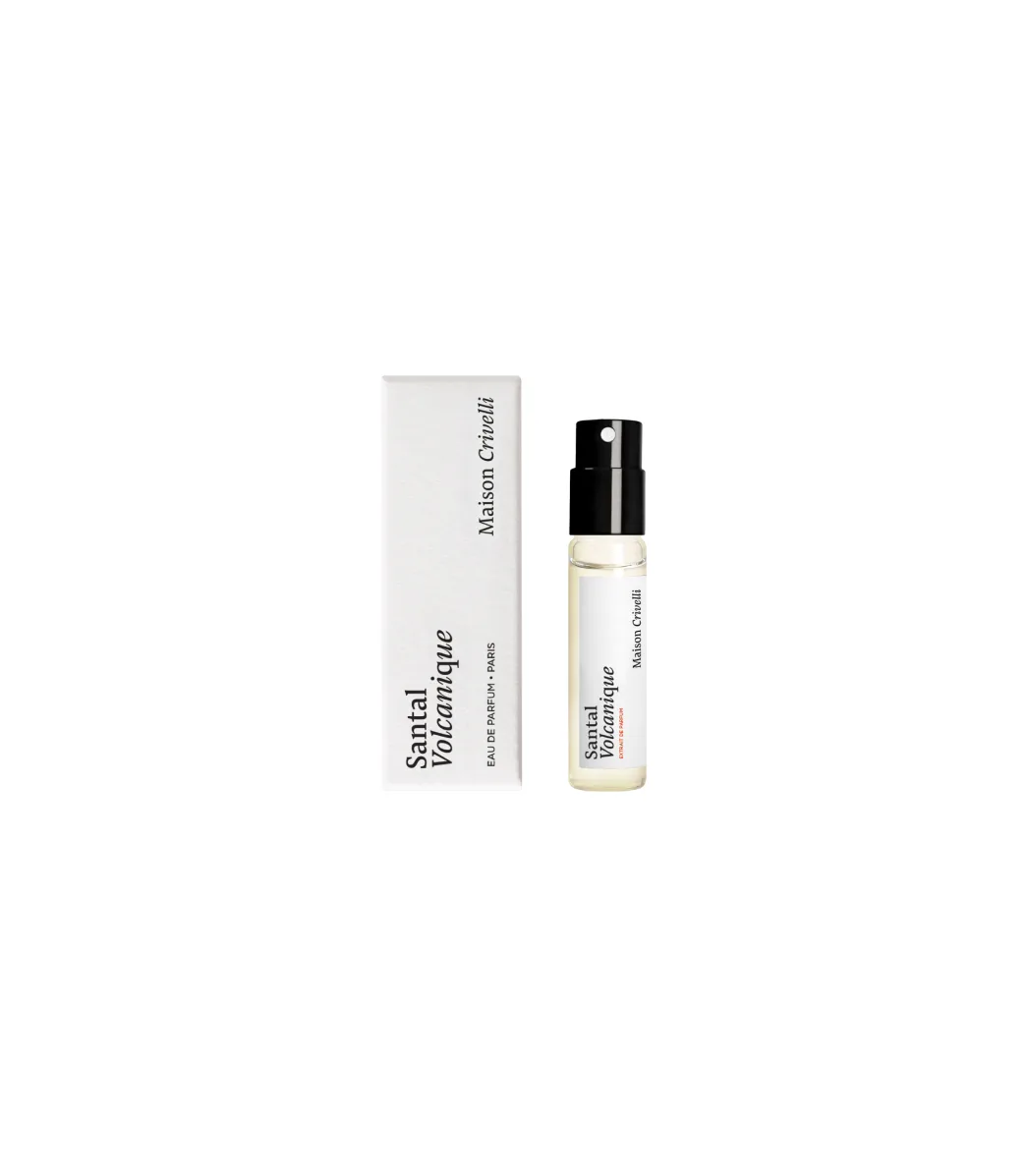
Quick answer
Start by testing 1.5 ml perfume samples across every scent family you might wear, then keep only the ones you reach for on real days. Buy full bottles only after a sample survives at least three wears in different weather and moods. A wardrobe of five to seven bottles you actually use beats thirty you never open.
Map your life before you map your notes
Before ordering anything, list the situations where you actually wear fragrance: work, weekends, evenings out, travel, quiet days at home. Most people need three or four distinct scent profiles, not one signature for everything. Write down the temperature and setting for each situation, because a heavy oud that feels right in January can feel suffocating in July.
This list becomes your shopping filter. If you cannot name a real occasion for a scent, you do not need a bottle of it, no matter how good the sample smells on paper.
Use samples to test fit, not just smell
A 1.5 ml vial gives you roughly 10 to 15 sprays, enough for several full wear tests. Spray on skin, not just paper, and live with it for a full day. Note how it opens, how it sits after two hours, and whether it still feels right at hour six. Skin chemistry, humidity, and your own body heat change a fragrance more than most descriptions admit.
Keep a simple log: date, weather, occasion, and a one-line verdict. Patterns appear fast. If you consistently reach for the same sample on cool mornings, that is a wardrobe slot, not a coincidence.
Test one sample at a time
Wearing three new fragrances in one day muddles your judgment and your nose. Give each 1.5 ml sample its own day, or at least its own half-day, so you can judge it cleanly. This is slower, but it prevents the common mistake of buying a bottle based on a first spray that turns out to be the only part you liked.
If you are sampling with a friend, compare notes afterward rather than spraying everything at once. Your impressions will be sharper and your shortlist more honest.
Cover the gaps, then stop
A working wardrobe usually includes a fresh daytime scent, a warm or woody option, something for evenings, and one you wear purely because it makes you happy. Once those slots are filled with samples you have tested, stop adding. The goal is a small set of bottles you rotate, not a shelf of untested purchases.
Revisit your log every few months. Tastes shift with seasons and life changes, and a sample you dismissed in summer may become a favorite by November.
Steps to build your wardrobe with 1.5 ml samples
- 1. List your real wearing occasions: Write down the situations and temperatures where you actually wear fragrance, then decide how many distinct profiles you need. Aim for three or four. Checkpoint: if you cannot name an occasion for a scent, skip it.
- 2. Order samples across scent families: Pick 1.5 ml vials that cover fresh, floral, woody, and warm profiles so you are testing range, not variations of the same idea. Mistake to avoid: buying five samples that all smell similar.
- 3. Wear each sample on skin for a full day: Spray once on skin, then note the opening, the middle hours, and the dry-down. Log the weather and occasion alongside your verdict. Checkpoint: a sample that only works for the first hour is not a wardrobe keeper.
- 4. Re-test finalists in different conditions: Give your top two or three samples a second and third wear in a different season, temperature, or setting before deciding. Mistake to avoid: committing to a bottle after one perfect evening.
- 5. Buy full bottles only for proven slots: Purchase a full size when a sample has earned a specific role in your rotation and you have worn it at least three times. Next step: review your log each season and retire anything you no longer reach for.
Sample options worth testing
- Lys Sølaberg 1.5 ml: Lys Sølaberg 1.5 ml is a compact vial from the Lys Sølaberg line, sized for sampling or travel. A low-commitment way to test whether a floral-leaning scent earns a permanent slot in your wardrobe before buying a full bottle.
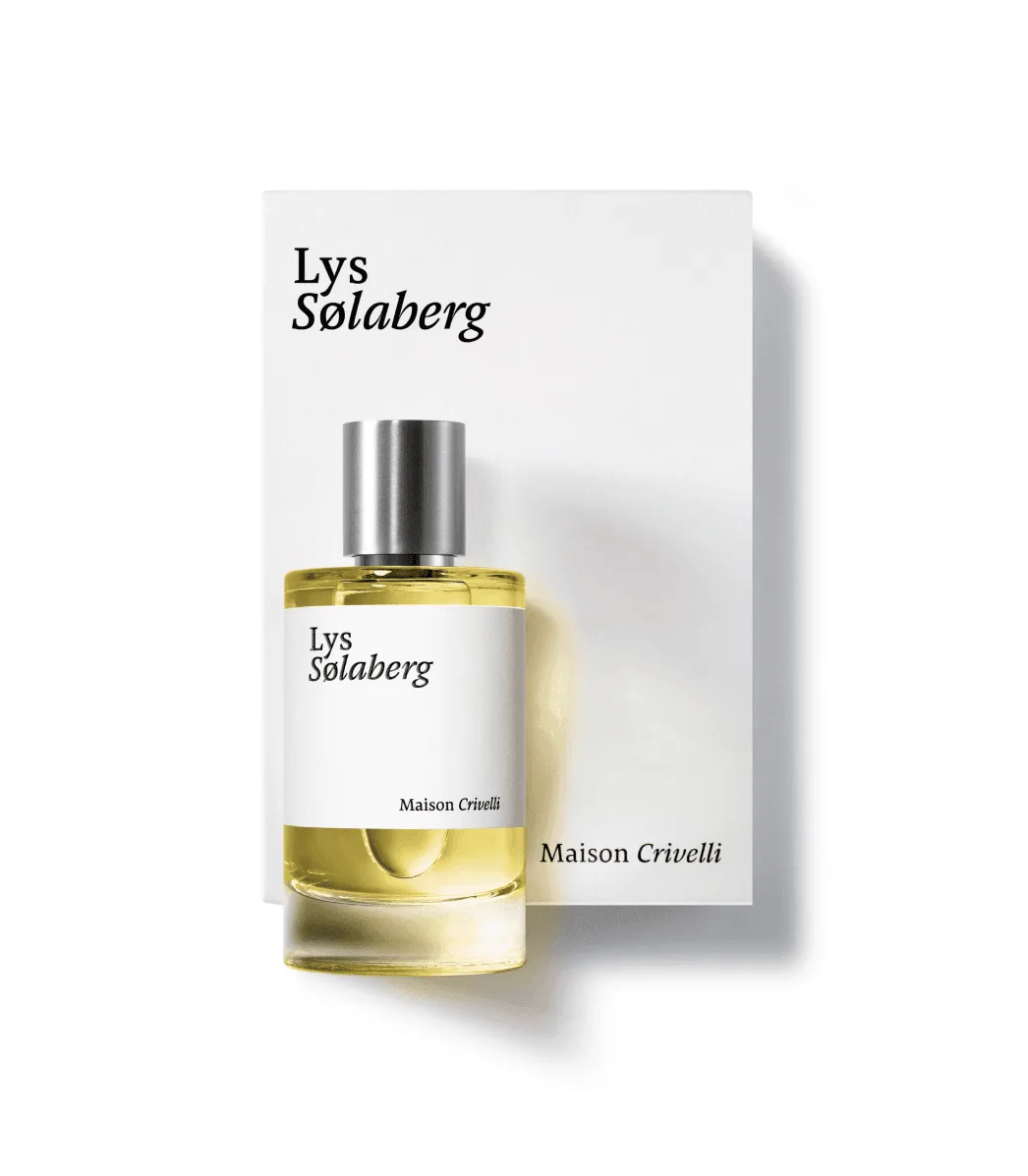
Lys Sølaberg
- Oud Stallion 1.5 ml: Oud Stallion 1.5 ml is a concentrated fragrance in a 1.5 ml vial, intended for testing, travel, or layering. Lets you judge how a dense, oud-style scent wears on your skin across a full day, which is the only reliable test for heavier profiles.
- Rose Saltifolia: Rose Saltifolia pairs a Centifolia rose with a salty seaweed absolute, inspired by a seaside walk through rose fields. A good example of a contrast scent that can fill the fresh-but-distinctive daytime slot in a wardrobe, especially if you already own straightforward florals.