Building a flatware set that transitions seamlessly from quick weekday dinners to elegant dinner parties is both an art and a practical investment. The right utensils can elevate the dining experience, complement your tableware, and last for years with proper care. Whether you're starting from scratch or upgrading your current collection, understanding what makes a flatware set versatile is key to making smart choices.
In this guide, we'll walk through the essential factors to consider—from material and weight to style and piece count—so you can curate a set that suits your lifestyle. We'll also highlight some excellent options from East Fork that blend craftsmanship with everyday functionality.
Why Versatility Matters in Flatware
A versatile flatware set doesn't just look good—it adapts to different meals and occasions without feeling out of place. For everyday use, you want utensils that are comfortable to hold, dishwasher-safe, and resistant to wear. For entertaining, the same pieces should feel special enough to impress guests, whether you're serving a casual brunch or a formal dinner.
Investing in a cohesive set means you don't need separate collections for daily and formal use. Look for designs that are timeless yet distinctive, and materials that balance durability with aesthetic appeal. Stainless steel is a popular choice for its longevity and ease of care, while finishes like matte or brushed textures add a modern touch.
- Choose a finish that hides minor scratches and complements your existing tableware.
- Consider the weight: heavier utensils feel substantial but can be tiring for prolonged use.
- Opt for a set with at least 12 place settings if you entertain frequently.
Key Materials and Finishes for Long-Lasting Utensils
The material of your flatware determines its look, feel, and longevity. 18/10 stainless steel is a gold standard—it contains 18% chromium and 10% nickel, making it resistant to rust, corrosion, and pitting. This alloy also maintains a bright shine over time, even with regular dishwasher use. Lower grades like 18/0 or 13/0 are more prone to rust and may not hold up as well.
Finishes range from mirror-polished to satin or matte. Mirror finishes are classic and reflective but show fingerprints and scratches more easily. Satin or brushed finishes are more forgiving and offer a contemporary look that pairs well with both rustic and modern table settings. Some flatware also features textured handles or ergonomic shapes for added comfort.
- Test the balance by holding a fork or spoon before buying—it should feel natural in your hand.
- Avoid flatware with hollow handles, as they can trap water and rust from the inside.
- Look for pieces with a full tang (handle extending into the utensil head) for better durability.
Essential Pieces for a Complete Flatware Set
A standard flatware set typically includes dinner forks, salad forks, dinner knives, soup spoons, and teaspoons. For versatility, consider adding serving pieces like a slotted spoon, serving fork, and butter knife. If you host often, extra pieces such as steak knives or seafood forks can be useful, but they aren't necessary for most households.
When building your set, start with a core of 8 to 12 place settings. This covers family meals and small gatherings. From there, you can expand with specialty utensils as your needs evolve. Remember that matching your flatware to your dinnerware style—whether minimalist, rustic, or eclectic—creates a cohesive tablescape.
- A 20-piece set (4 place settings) is a good starter for couples or small households.
- For larger families, a 45-piece set (8 place settings) offers flexibility.
- Don't forget serving pieces: they make a big difference when plating dishes.
Styling Your Flatware for Everyday and Special Occasions
The way you present your flatware can transform a table. For everyday meals, a simple setting with a fork, knife, and spoon is sufficient. For entertaining, consider a more layered approach: place the salad fork to the left of the dinner fork, and the soup spoon to the right of the knife. Adding a charger plate or cloth napkin can elevate the look without requiring new utensils.
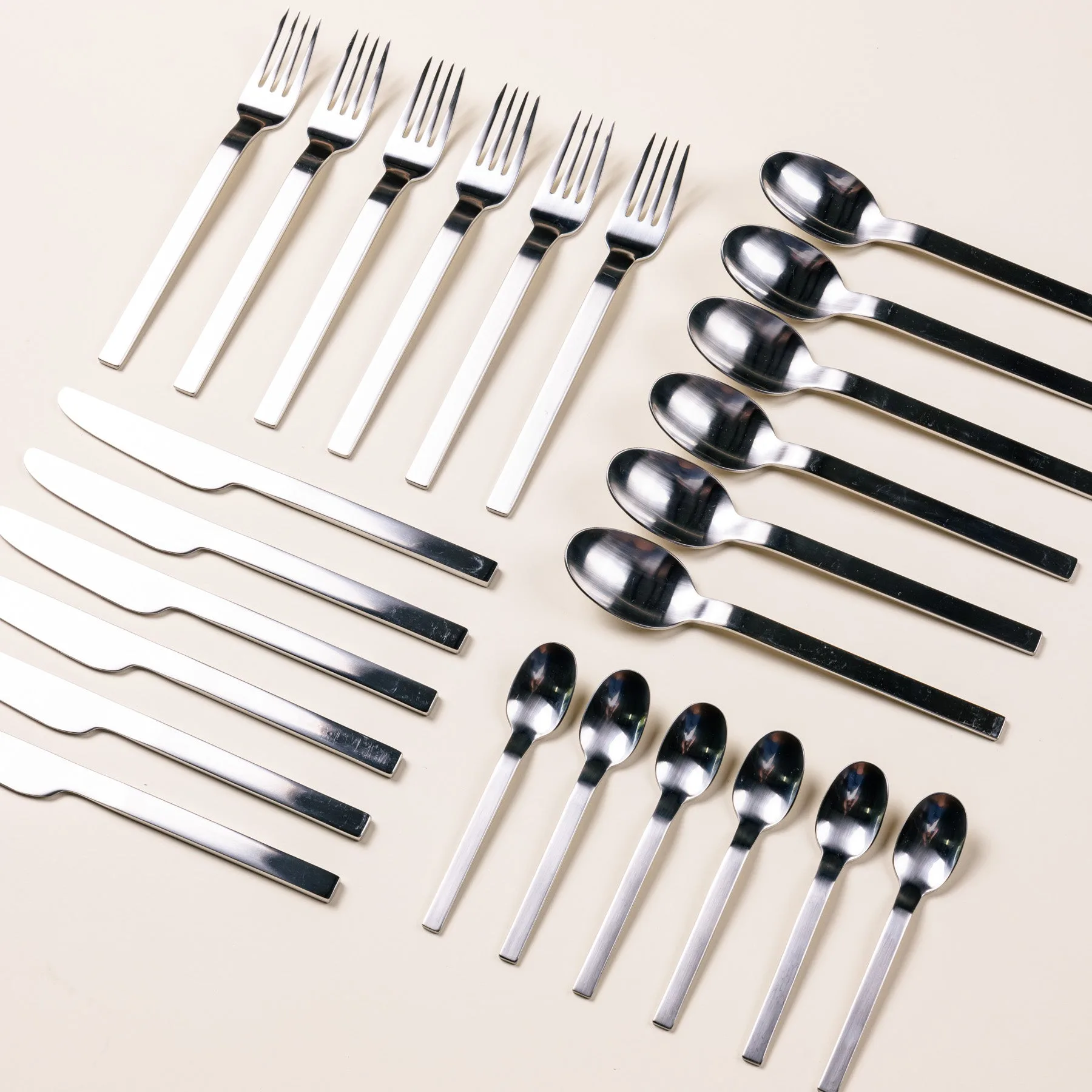
Mixing metals is a trend that adds visual interest—try pairing stainless steel flatware with gold or copper accents in your glassware or candle holders. The key is balance: let one metal dominate and use the other as an accent. This approach works beautifully with East Fork's French Bistrot Flatware, whose classic design complements both modern and traditional settings.
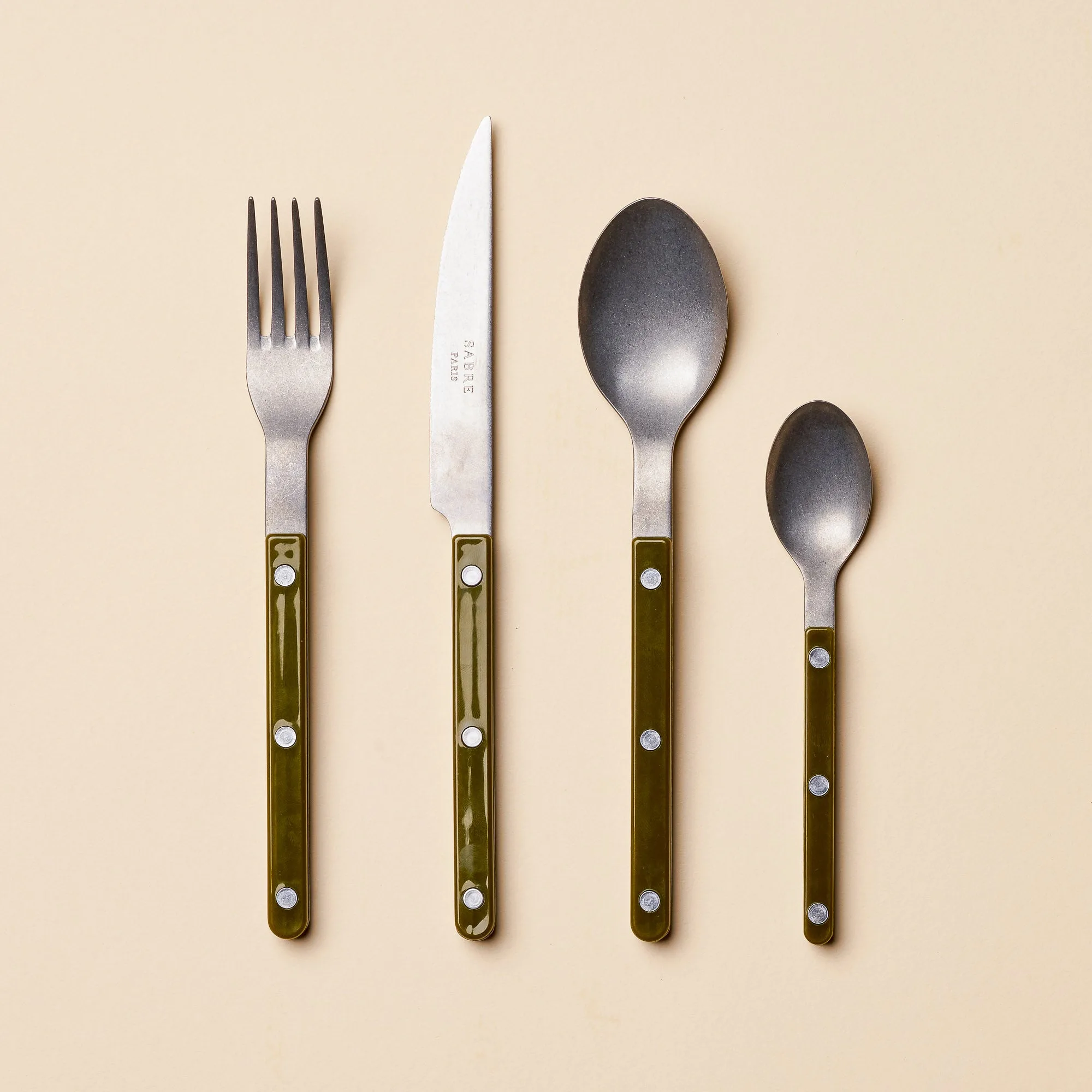
French Bistrot Flatware
- Use a flatware organizer drawer insert to keep pieces sorted and scratch-free.
- Polish stainless steel occasionally with a mild vinegar solution to restore shine.
- Store flatware away from humid areas to prevent tarnish.
Caring for Your Flatware to Ensure Longevity
Proper care extends the life of your flatware and keeps it looking its best. While most stainless steel sets are dishwasher-safe, hand washing is gentler and prevents potential damage from high heat or harsh detergents. If you use a dishwasher, place flatware in the basket with handles down and avoid mixing with silver or other metals to prevent pitting.
Dry flatware immediately after washing to prevent water spots. For stubborn stains, a paste of baking soda and water can be applied gently with a soft cloth. Avoid abrasive cleaners or steel wool, which can scratch the surface. With routine care, a high-quality flatware set can last decades.
- Separate stainless steel from silver to avoid galvanic corrosion.
- Use a soft cloth to polish flatware after each use if you want a mirror shine.
- Store flatware in a dry, lined drawer to protect the finish.
Building a versatile flatware set doesn't have to be overwhelming. By focusing on quality materials, timeless design, and the right number of pieces, you can create a collection that serves you well for years. Explore East Fork's French Bistrot Flatware to find utensils that blend everyday durability with elegant style—perfect for any table.