Quick answer
Build your CTC tea wholesale order around menu slots, not around a single blend. Start with a ctc tea sample pack, price each option by cost per cup rather than pack price, then commit volume only to the blends your customers actually reorder. For most cafés, one high-volume base blend plus two or three signature blends is the right structure.
A café chai menu fails for two opposite reasons: too many blends that sit unused, or one generic blend that makes every drink taste the same. A ctc tea wholesale order should solve both problems at once — enough range to give customers a reason to return, and enough volume discipline to keep your shelf space and cash flow working.
The trick is to treat your chai supply like a menu, not a pantry. Each blend earns its place by covering a specific customer need, and each one is judged by cost per cup rather than the number on the invoice. Here is how to structure that order, what to test before you commit, and which trade-offs are worth accepting.
Start with menu slots, not with blends
Before you open a bulk chai tea supplier catalogue, list the chai moments your café actually sells. Most cafés have four: the everyday cutting chai, a spiced house chai, a wellness or caffeine-light option, and a visually distinctive signature drink. That is four slots, and each one has a different job — one drives volume, one drives repeat visits, one serves health-conscious customers, and one sells on appearance.
Once the slots are defined, blends become interchangeable parts rather than impulse buys. A blend that does not fill a slot will not get brewed, and unbrewed stock is the most expensive tea you can buy. If you cannot name the menu item a blend will sit behind, leave it out of the first order.
Write the slot list down and keep it next to the order. It stops the common mistake of ordering five similar spiced blends because they all sounded appealing in the catalogue.
- Cap your first wholesale order at four blends: one base, two signatures, one specialty.
- Give every blend a named menu item before you order it.
Judge every blend by cost per cup, not pack price
Pack price tells you what leaves your bank account today. Cost per cup tells you whether the blend belongs on your menu. A cheaper pack that needs a heavier scoop per cup can cost more per serve than a premium blend used sparingly, and a blend that customers photograph and share can justify a higher cup cost because it sells at a higher menu price.
Ask your supplier for the per-cup figure at your intended brew strength, then compare it against your menu price for that drink. If the tea is more than roughly a fifth of the drink's selling price, either adjust the recipe, adjust the price, or move that blend to a smaller pack size. This is the single most useful number in a café chai supply decision.
Keep the per-cup figure on your recipe card. It makes future reorders fast and stops quiet margin erosion when prices or scoop sizes change.
- Recalculate cost per cup whenever you change scoop size or brew strength.
- Compare per-cup cost against menu price, not against other suppliers' pack prices.
Test with a sample pack before you commit volume
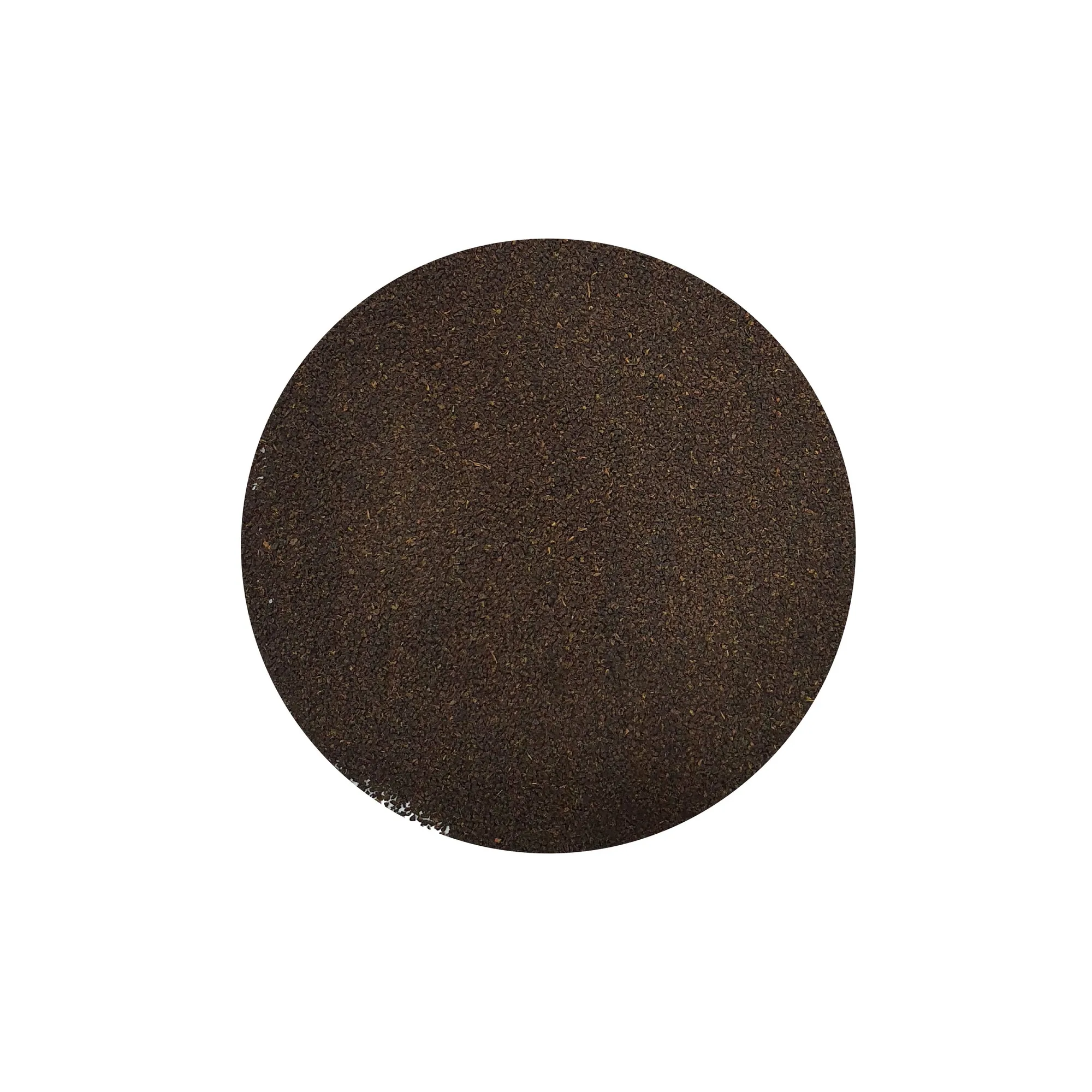
A ctc tea sample pack is the cheapest risk-reduction tool in wholesale buying. It lets you brew at your own strength, with your own milk and water, on your own equipment — which is the only test that predicts how a blend will perform on your counter. Catalogue descriptions and tasting notes are useful for shortlisting, not for committing to a full case.
Run the samples as a blind tasting with two or three staff members and score each blend on strength, aroma, colour, and how it holds up when milk is added. Chai is usually judged with milk, so a blend that tastes bright on its own may disappear in the cup. Score the finished drink, not the dry leaf.
Give the test at least a week of real service. A blend that performs well in a quiet tasting can behave differently during a rush, especially if it needs a longer steep or a more precise scoop.
- Brew samples with your standard recipe and your standard milk.
- Score strength, aroma, colour, and milk compatibility separately.
Match the blend to the customer, not to the trend
Trend-driven blends sell well when the café's audience matches the trend. A visually striking flower tea belongs in an Instagram-forward café with a strong social presence; the same blend may sit untouched in a corporate canteen where customers want a fast, familiar cup. The blend is not the problem — the mismatch is.
The same logic applies to wellness blends. A triple-tulsi and ginger chai suits yoga studios, wellness cafés, and hotel menus with health-conscious guests. In a busy transport café where customers want a strong, fast, inexpensive cup, a wellness blend can look expensive and slow next to a straightforward spiced chai.
Ask one question per blend: which customer walks in specifically for this? If the answer is vague, the blend is a test item, not a core line.
- Match signature blends to the customers who already visit, not to a general trend.
- Keep one familiar blend on the menu for customers who want the standard cup.
Plan pack sizes around shelf life and turnover
Bulk pricing only helps if you can brew the stock before it fades. Estimate weekly usage per blend, then choose the largest pack you can finish within a comfortable window for that tea. High-volume base blends can take the biggest pack; specialty blends that sell a few cups a day should stay in smaller sizes even if the unit price is higher.
Storage matters as much as pack size. Tea absorbs odours and moisture, so keep opened stock in airtight containers away from spices, cleaning products, and steam. Label each container with the opening date so staff rotate correctly and you can see which blends are moving slower than expected.
If a specialty blend is not clearing within its expected window, that is a menu signal, not a storage problem. Either promote it, reposition it, or drop it from the next order.
- Buy the largest pack you can realistically finish, not the largest pack available.
- Label open containers with the date and rotate oldest stock first.
Decision rules for your first wholesale order
- If volume and speed are the priority: Lead with an economical fast-brewing CTC blend and keep the rest of the order small. Classic Dust Blend CTC Tea is built for exactly this role at ₹0.76 per cup. Checkpoint: can you brew it fast enough at peak service without a longer steep?
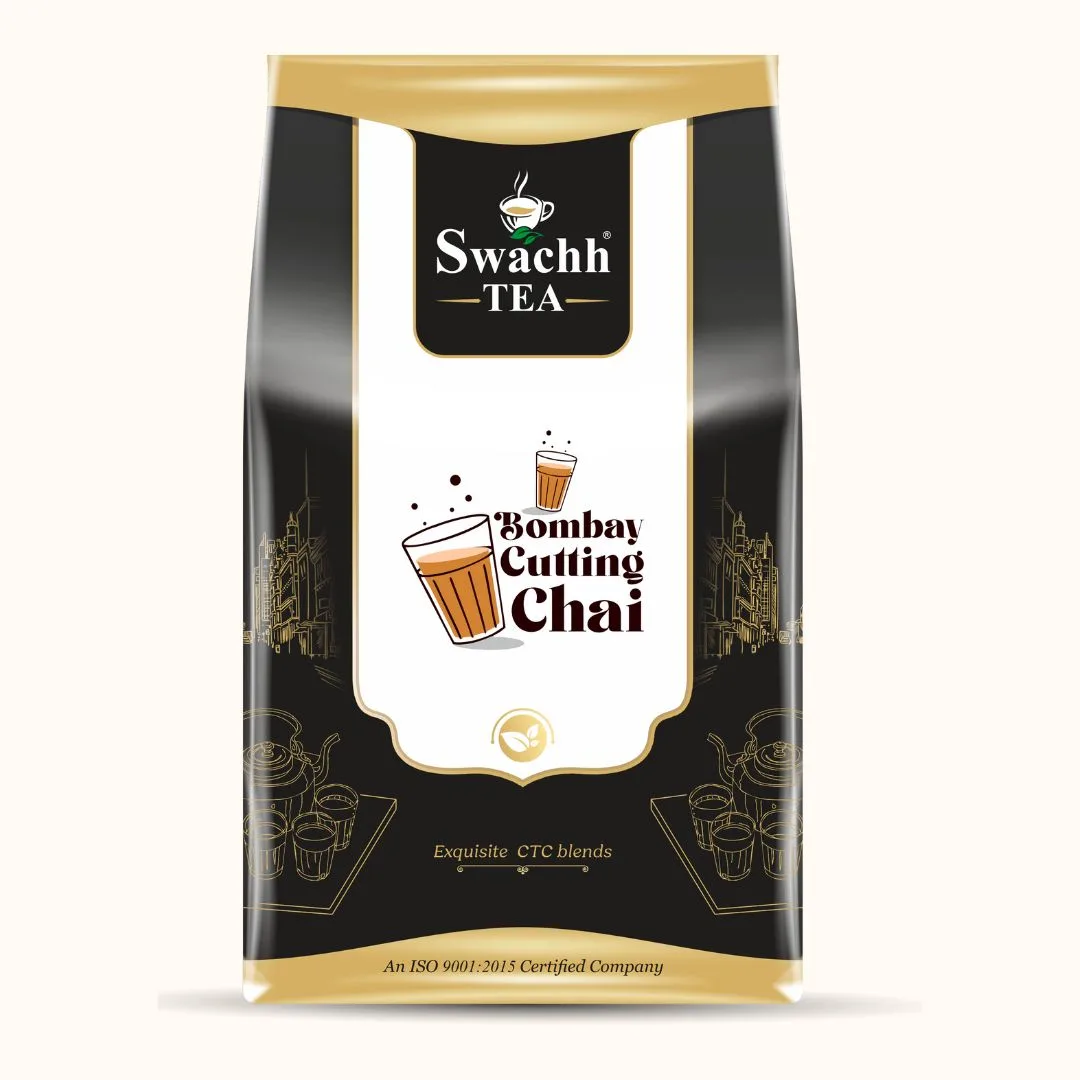
- If you want a recognisable house chai: Choose one bold, spiced blend that customers can name, such as https://swachhteayc.com/products/bombay-cutting-chai-tea-cafe-blend-7cf89fc1061629a7f55fc286-781000Bombay Cutting Chai Tea Café Blend, and make it the default cup rather than one option among many. Checkpoint: does it hold its character when milk is added?
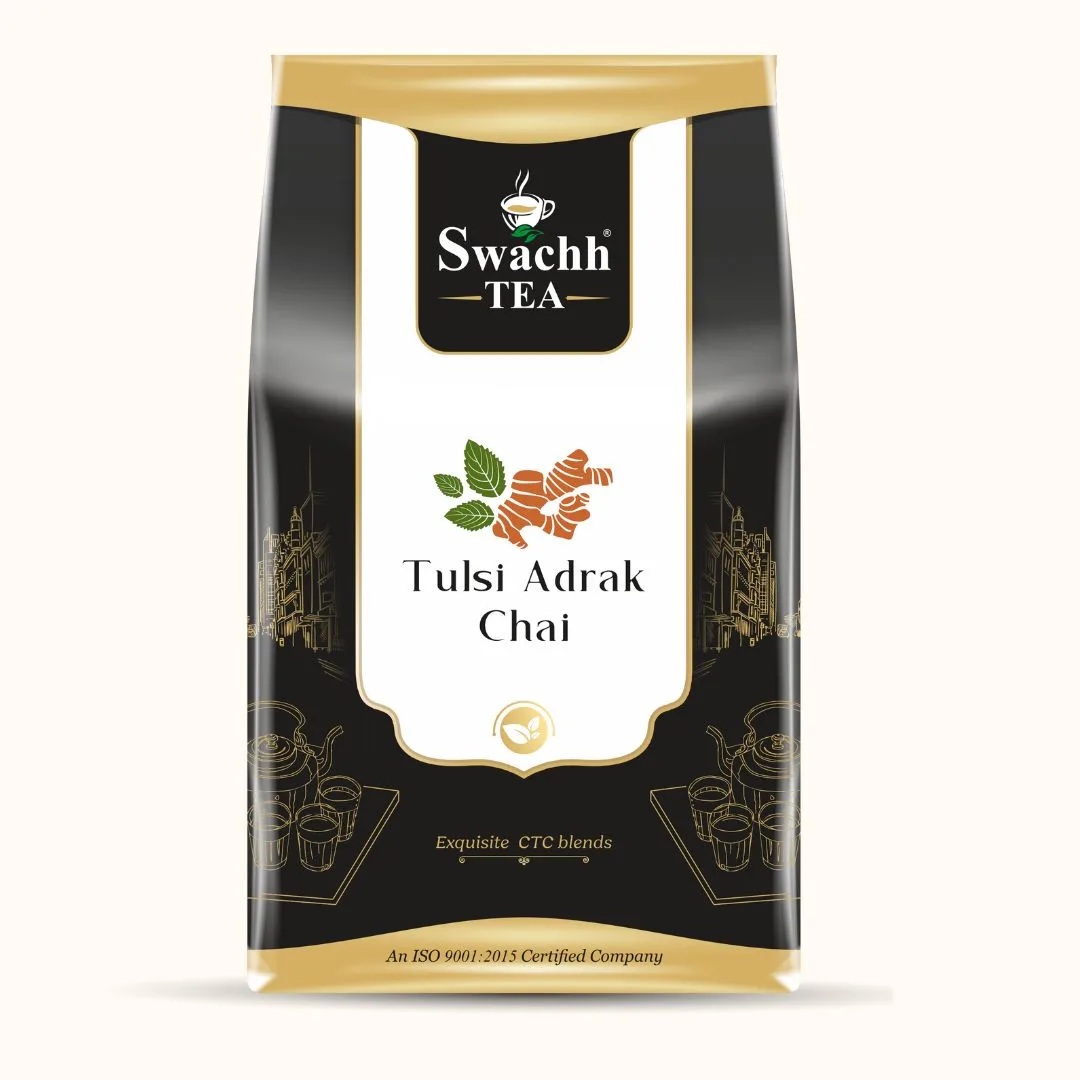
- If your customers ask for wellness options: Add one wellness-forward blend such as https://swachhteayc.com/products/tulsi-adrak-chai-tea-cafe-blend-8ce5cad0484d96e083a29fc0-780994Tulsi Adrak Chai Tea Café Blend, and price it as a distinct menu item rather than an upgrade to the standard chai. Checkpoint: does the per-cup cost still work at your wellness menu price?
- If your café sells on presentation: Reserve one slot for a visually distinctive drink such as Blue Pea Flower Tea, and train staff on the lemon colour change so the effect is delivered consistently. Checkpoint: will staff actually prepare it during a rush?
- If you cannot decide between two similar blends: Order a ctc tea sample pack for both instead of guessing, and run them side by side in real service for a week before committing to volume. Checkpoint: only the blend with repeat orders earns a place in the next order.
Blends that fit common café slots
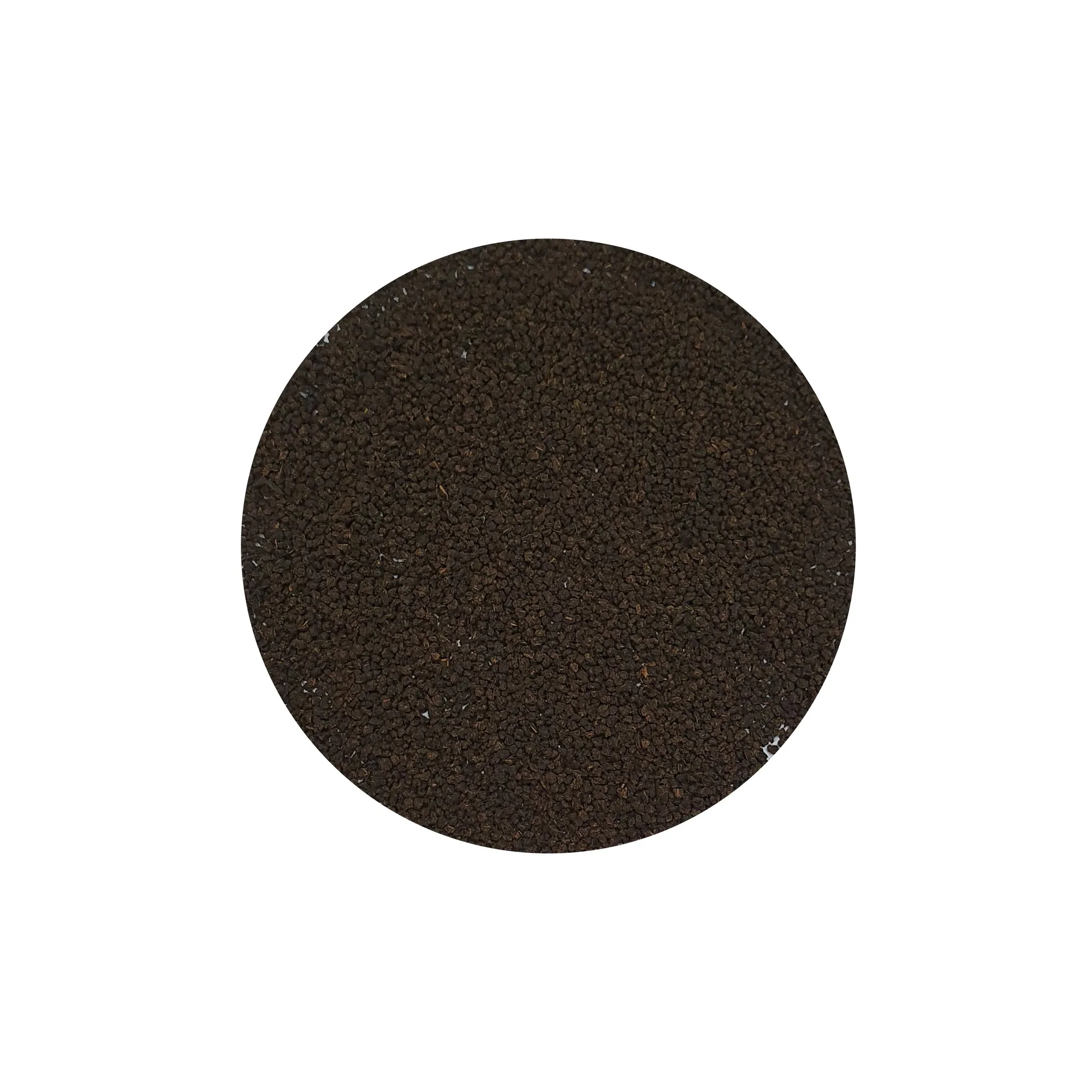
- Classic Dust Blend CTC Tea: Positioned as the most economical option in the range at ₹0.76 per cup, with fast infusion and strong colour. This is the volume base blend for high-turnover cafés, canteens, and caterers where speed and per-cup cost matter more than aroma complexity.
- Bombay Cutting Chai Tea Café Blend: Built to replicate Mumbai street chai — bold and spiced, designed for a small half-cup serving. Fits the everyday signature slot: a familiar, punchy chai that works as a half-cup menu item and suits theme cafés and upscale canteens.
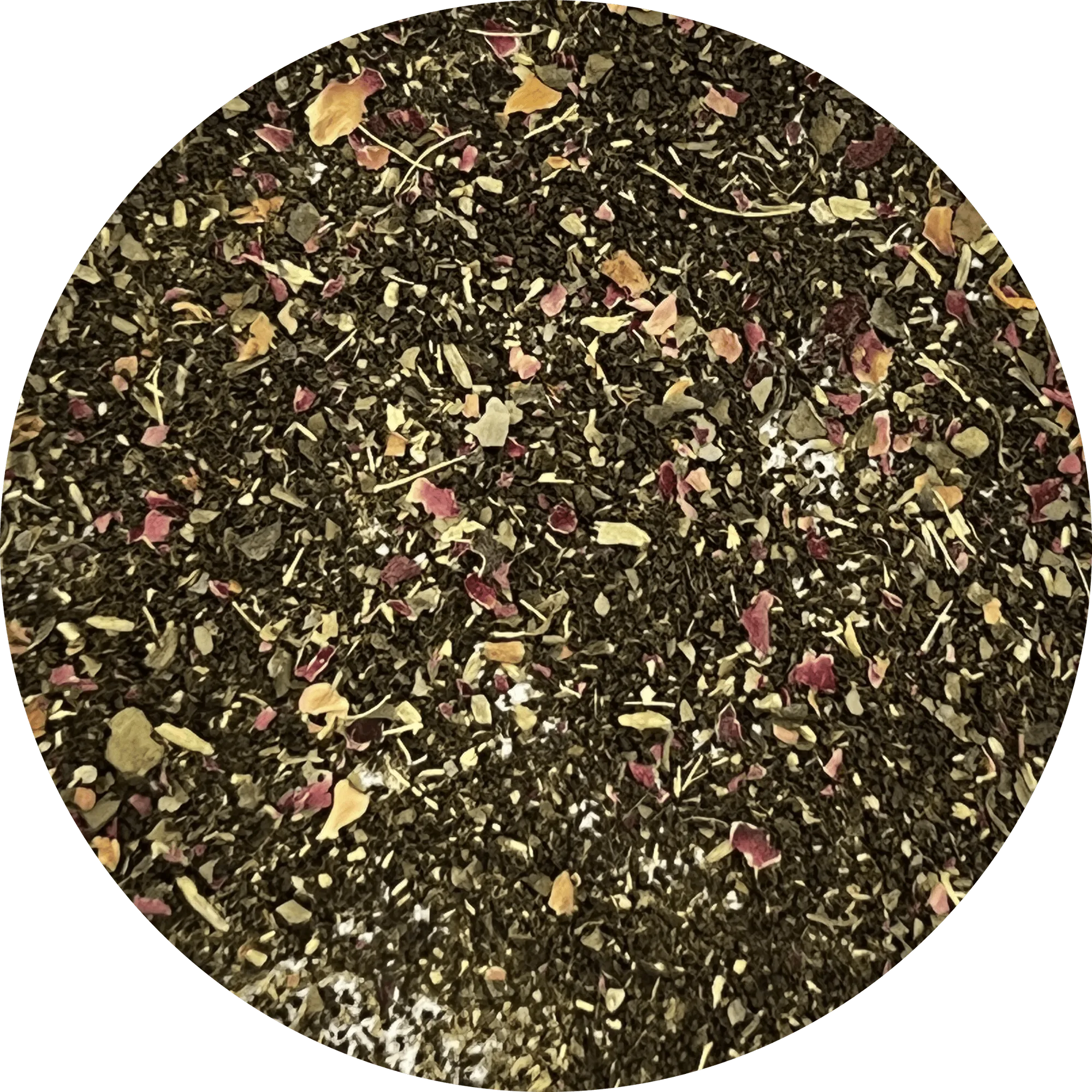
- Tulsi Adrak Chai Tea Café Blend: Uses a triple-tulsi blend of Rama, Shyama, and Vana with dry ginger, at ₹2.13 per cup. Covers the wellness slot for yoga studios, wellness cafés, and health-forward hotel menus where customers want a lighter, aromatic chai.
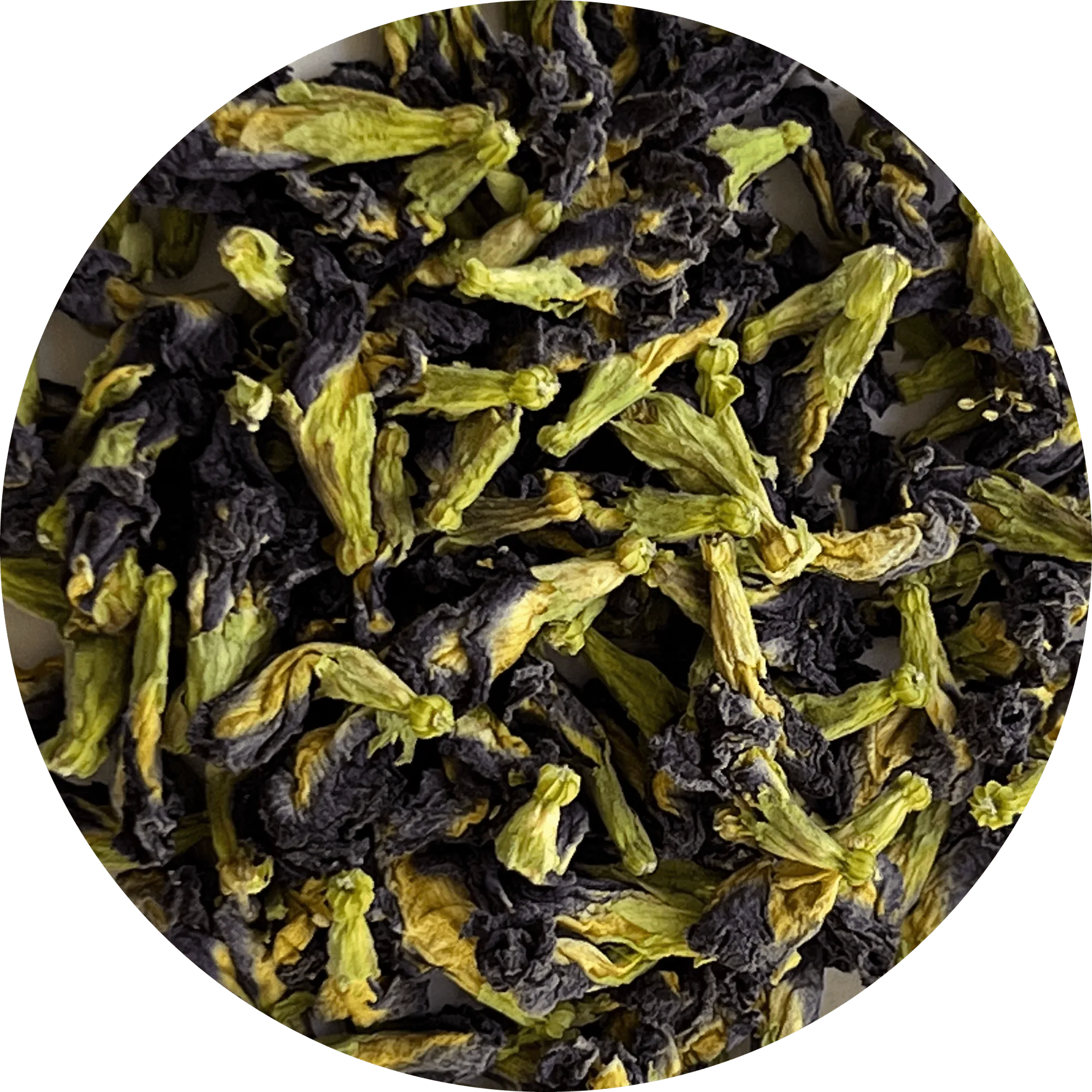
- Blue Pea Flower Tea: A caffeine-free flower tea whose natural blue colour turns purple with lemon, at ₹4.96 per cup. Fills the signature visual slot for Instagram-forward cafés and hotel drink menus, where the drink sells partly on appearance.
Who this ordering approach suits
Best for
- Cafés, canteens, and caterers building a chai menu from scratch
- Operators replacing a single generic blend with a small, deliberate range
- Buyers who need to justify chai cost per cup to an owner or finance lead
Not for
- Home drinkers buying a single pack for personal use
- Businesses that need only one high-volume blend and no menu variety
- Buyers looking for instant premix rather than brewed CTC tea
Build the order around menu slots, price it by cost per cup, and test with samples before committing volume. A small, deliberate range of CTC blends will outsell a large one — and it will be far easier to reorder.