Quick answer
Start with 8–12 books your teen actually wants to read, not a full shelf. Mix formats, organize by mood rather than genre, and give the collection a comfortable, low-pressure home. Add signed editions when you want a book to feel like a keepsake, and let your teen lead the choices.
Start with a small, high-interest core
A teen library works best when it begins as a curated handful, not a wall of unread spines. Ask your teen what they already liked, then find two or three books that match that feeling. If they loved a fast contemporary romance, try a contemporary with a mystery thread. If they finished a historical novel, look for another-102950">another with a strong first-person voice. The goal is momentum, not volume.
Mix formats so reading fits real life
Teens read in gaps: between classes, on buses, during waits. A mix of hardcover, paperback, and graphic novels makes it easier to grab something that fits the moment. Keep one short book or graphic novel visible near the door or couch, and save longer novels for bedside. If your teen uses audiobooks, treat them as part of the library, not a lesser option.
Organize by mood, not just genre
Genre labels can feel like homework. Try grouping by mood instead: fast and funny, dark and twisty, romantic, true-to-life, historical, or fantasy escape. Use sticky notes or simple shelf dividers. Rotate the front-facing books every few weeks so the collection feels alive. If a book has been untouched for a year, move it to a donate pile without guilt.
Build a reading space teens will actually use
A beanbag in the corner is not enough. Teens need a spot that feels like theirs: good light, a place to set a drink, and no expectation to talk. A small shelf or floating ledge near a chair works better than a tall bookcase in a shared room. If space is tight, a rolling cart or a single dedicated shelf keeps the library defined without taking over.
Use signed editions as keepsakes and conversation starters
Signed books can turn a reading copy into a personal object. They also make good gifts for milestones like birthdays, graduations, or the end of a hard year. At Books of Wonder, signed editions often include a bookplate or signature from the author, which gives the book a story beyond the text. Choose signed editions for books your teen already loves, not as a substitute for discovering new favorites.
Keep the library growing without pressure
Set a simple rhythm: one new book per month, chosen by your teen, plus one wildcard you pick. Visit a local bookstore or library together and let them browse without a required purchase. If they abandon a book, that is information, not failure. Ask what made them stop, then adjust the next pick.
Steps to build your teen's home library
- Ask before you buy: Have your teen name three books or movies they loved and one they hated. Use those answers to pick the first five books. Checkpoint: if you are guessing, you are probably buying books for yourself.
- Set a small budget and a short list: Choose a number you can repeat monthly, then let your teen pick from a shortlist of 6–8 titles rather than an endless catalog. Mistake to avoid: buying a full series at once before you know they like the first book.
- Choose formats that fit their day: Add at least one graphic novel, one short novel, and one longer book. Keep the shortest option where they already spend time. Checkpoint: if every book is a 500-page hardcover, the shelf will stall.
- Organize by mood and rotate: Group books by how they feel, not by genre. Face out three titles at a time and swap them every two weeks. Mistake to avoid: alphabetizing a teen library. It looks tidy but hides the books.
- Create one comfortable reading spot: Add a light, a small surface, and a seat that belongs to your teen. Keep the shelf within arm's reach of that spot. Checkpoint: if the spot is in a high-traffic family area, it will not get used.
- Add a signed edition for meaning: Pick one book your teen already loves and upgrade it to a signed copy for a birthday or milestone. Mistake to avoid: buying signed editions of books they have not read yet.
- Review and refresh every season: Every three months, pull out what has not been touched and ask what changed. Donate or swap those books and add two new picks. Next step: put a recurring reminder on your phone so the library stays current.
Signed editions worth adding
- All That’s Left to Say: Signed Bookplates. A poignant story of a grieving girl willing to risk everything, for fans of Robin Benway and Jandy Nelson. A strong pick for teens who read contemporary fiction about grief, family, and identity.
- Artifice: Signed Bookplate. A dramatic story of duplicity and resistance set against the backdrop of World War II, by the author of The Light in Hidden Places. A signed historical novel for teens who like wartime stories with moral complexity.
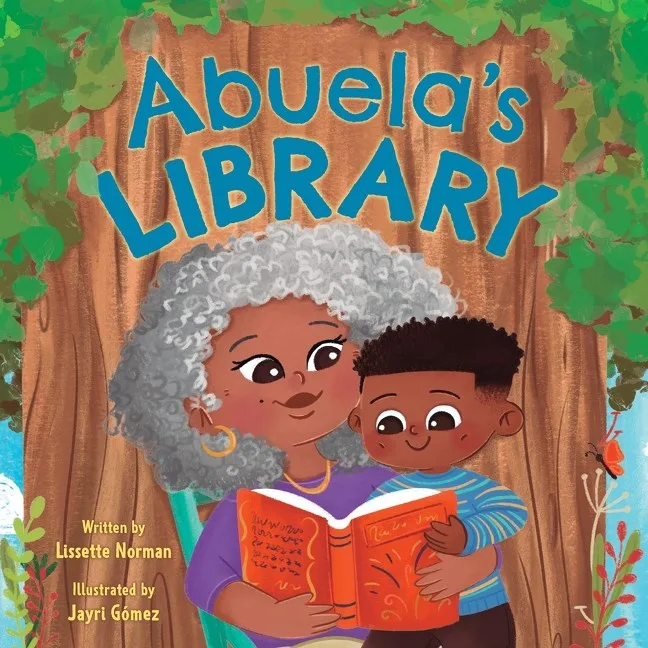
- Abuela's Library: Signed Bookplate by author Lissette Norman. A picture book celebration of libraries and literacy. A signed picture book that works as a keepsake for older readers who grew up with it or for a teen reading to younger siblings.