Razor burn, redness, and bumps after shaving are frustrating, but they don't have to be part of your daily routine. Whether you shave your face, head, or body, the key to smooth, irritation-free skin lies in what you do after you put down the razor. A proper post-shave routine can soothe inflammation, lock in moisture, and protect your skin from bacteria and environmental stressors.
Many men focus only on the shave itself—sharp blades, quality cream, and the right technique—but neglect the recovery phase. This is a missed opportunity. Your skin is most vulnerable immediately after shaving, and the products you apply in those first few minutes can make or break your comfort for the next 24 hours. In this guide, we'll walk you through a step-by-step post-shave routine that prevents razor burn and keeps your skin healthy, hydrated, and calm.
Why Post-Shave Care Matters for Razor Burn Prevention
When you shave, you're not just cutting hair—you're also exfoliating the top layer of skin and creating microscopic nicks and abrasions. This leaves your skin barrier temporarily compromised, making it more prone to irritation, inflammation, and infection. Without proper care, these tiny wounds can turn into red bumps, ingrown hairs, and that uncomfortable burning sensation known as razor burn.
A dedicated post-shave routine helps your skin repair itself faster. By applying soothing, hydrating, and antibacterial ingredients immediately after shaving, you reduce redness, prevent bacteria from entering open pores, and replenish moisture lost during the shave. Over time, this habit strengthens your skin's resilience, making future shaves less irritating and more comfortable.
- Razor burn often results from shaving too quickly, using a dull blade, or skipping post-shave hydration.
Step 1: Rinse with Cold Water to Close Pores
After you finish shaving, resist the urge to splash on hot water. Hot water can further irritate already sensitive skin and strip away natural oils. Instead, rinse your face or body with cool to cold water. The cold temperature helps constrict blood vessels, reducing redness and swelling, and it also helps close pores so that bacteria and debris are less likely to enter.
Pat your skin dry with a clean, soft towel—don't rub. Rubbing can cause friction that aggravates razor burn. Gently dabbing or patting leaves your skin clean and ready for the next step without causing additional trauma.
Step 2: Apply a Soothing Aftershave Balm or Lotion
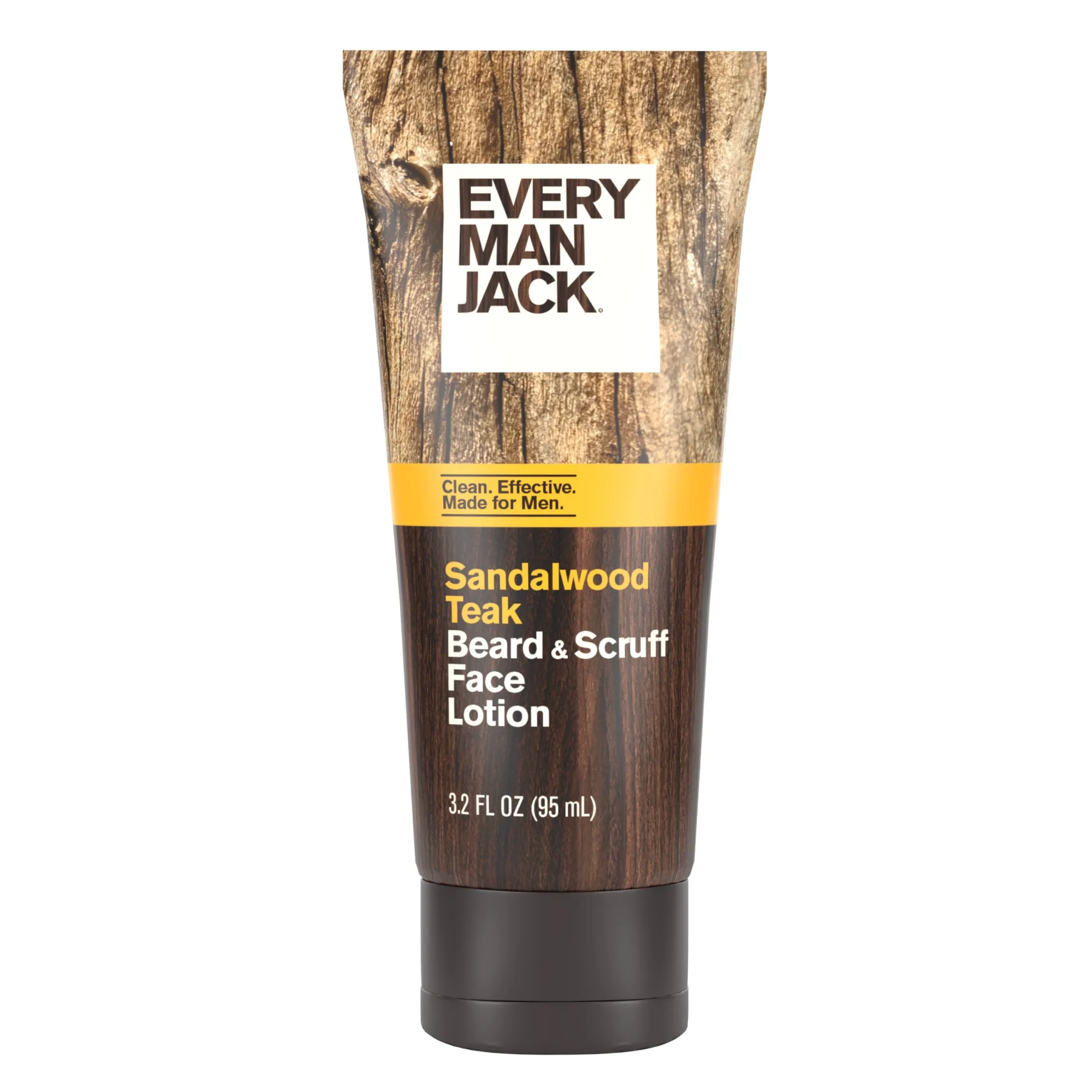
Once your skin is clean and dry, it's time to apply a product specifically designed to calm post-shave irritation. Look for an aftershave balm or lotion that contains soothing ingredients like aloe vera, chamomile, or witch hazel. These ingredients reduce inflammation, hydrate the skin, and provide a protective barrier against environmental aggressors.
If you're shaving your face, consider using a lightweight, non-greasy formula that won't clog pores. For body shaving, a hydrating lotion like the Below the Belt Deodorant Lotion can work wonders—it's formulated to soothe sensitive areas and prevent chafing. Apply a small amount and massage it gently into the skin until fully absorbed.
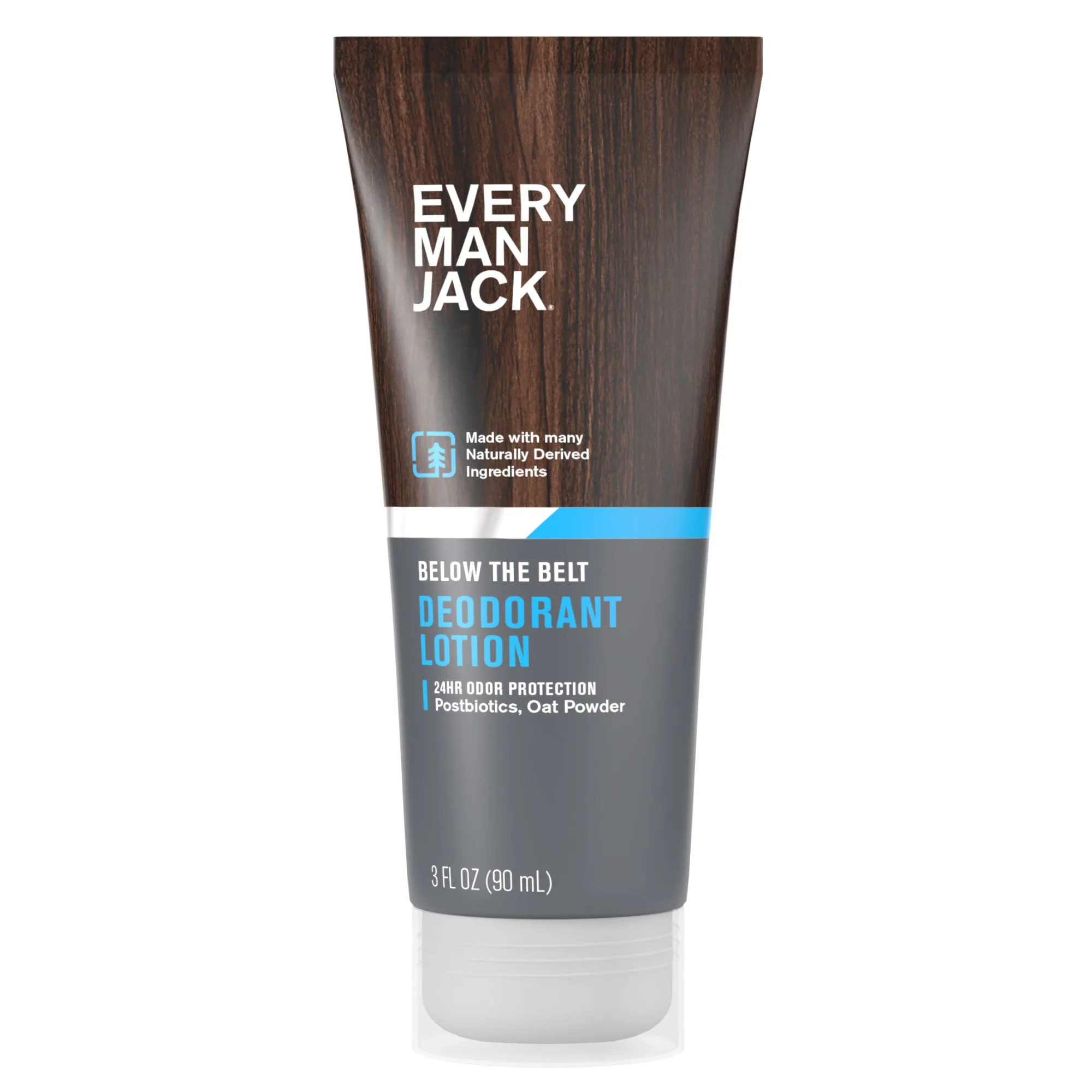
Below the Belt Deodorant Lotion
- Avoid alcohol-based aftershaves, as they can dry out and further irritate freshly shaved skin.
Step 3: Moisturize to Restore the Skin Barrier
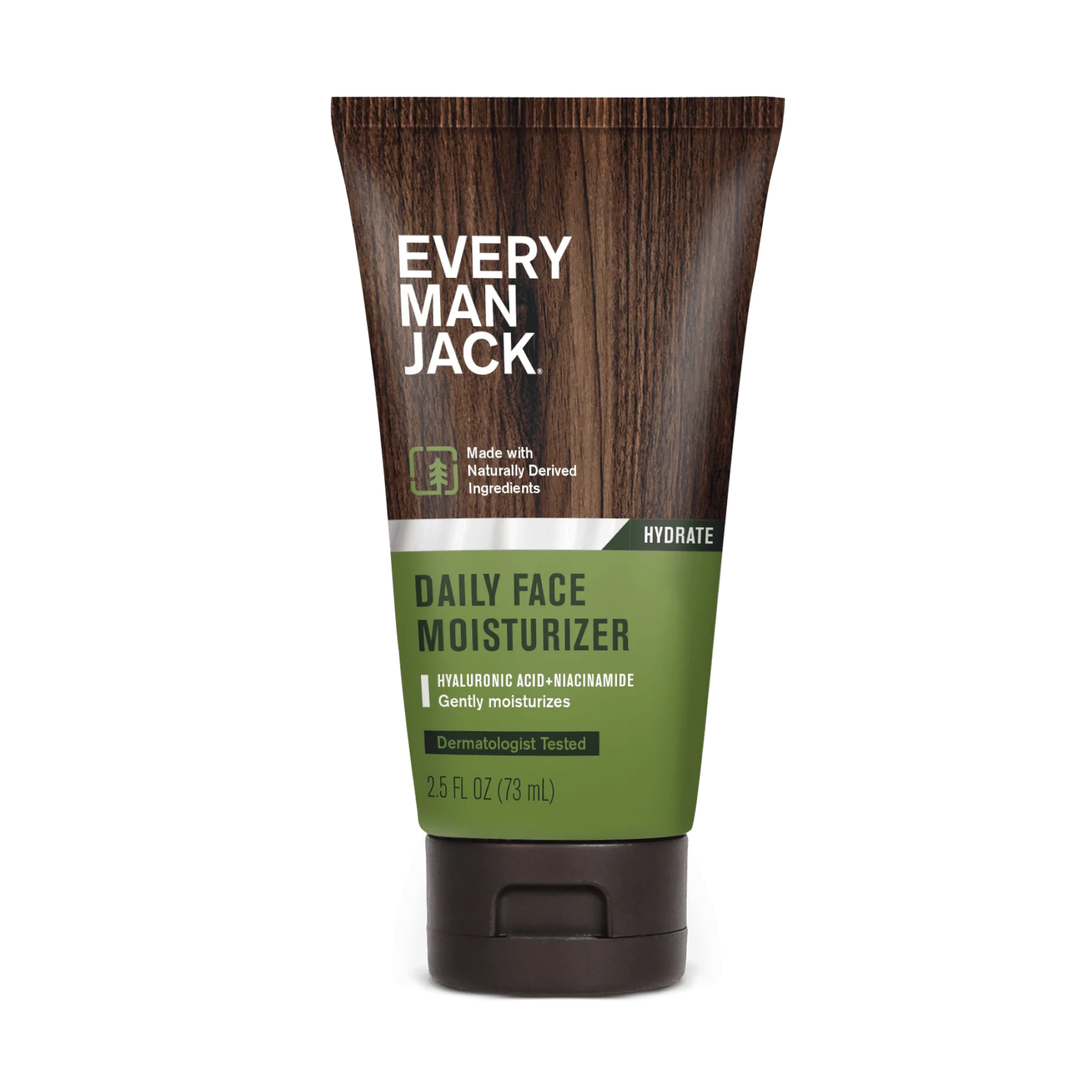
Shaving removes not only hair but also some of your skin's natural moisture. Replenishing that moisture is crucial for preventing dryness, flaking, and tightness that can lead to more irritation. A quality moisturizer helps repair the skin barrier and keeps it supple and resilient.
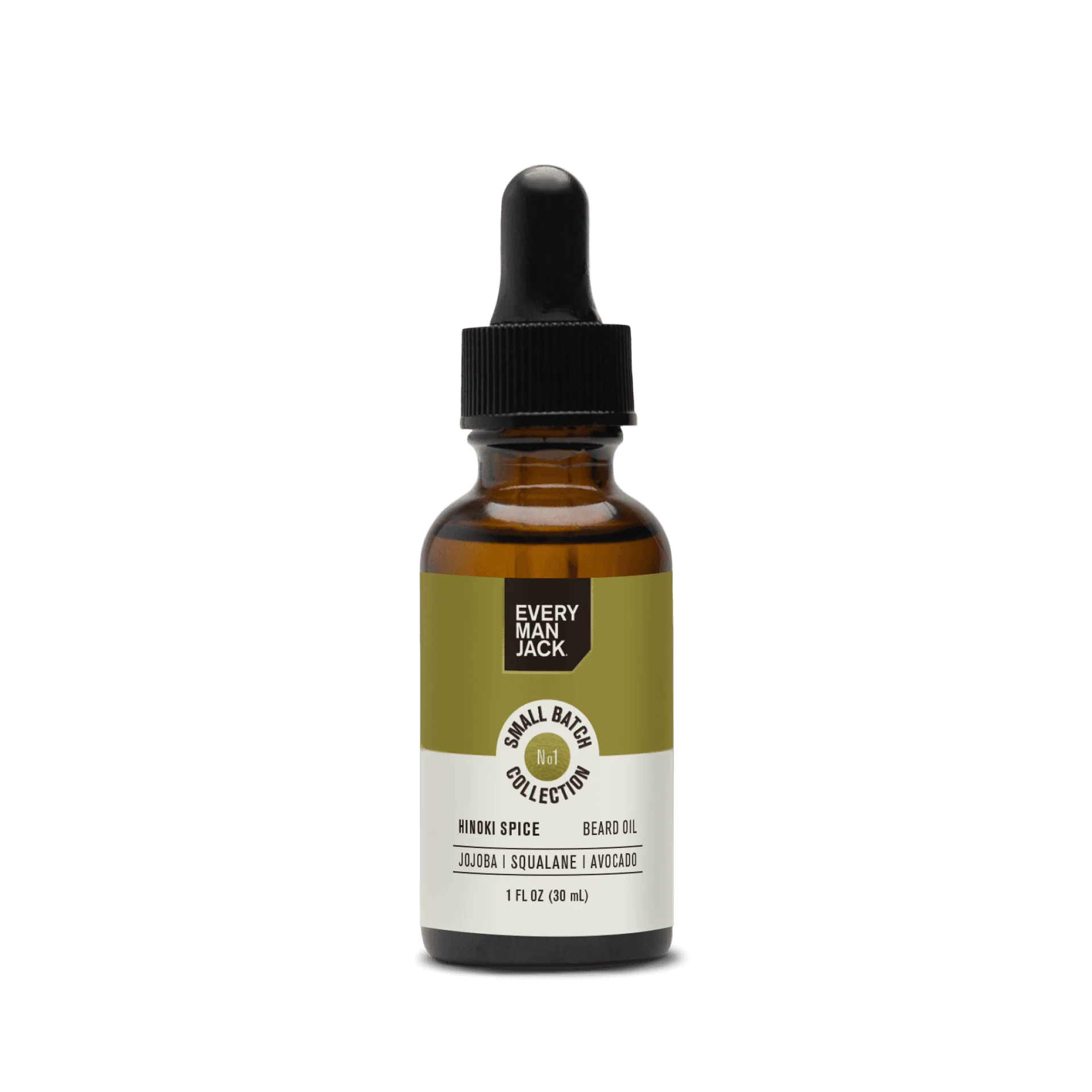
Choose a moisturizer that matches your skin type—lightweight gel-based formulas for oily skin, richer creams for dry skin. If you're shaving your beard area, you can also use a beard-specific product like the Small Batch Beard Butter to hydrate both the skin underneath and the beard hairs themselves. Apply moisturizer to damp skin for better absorption.
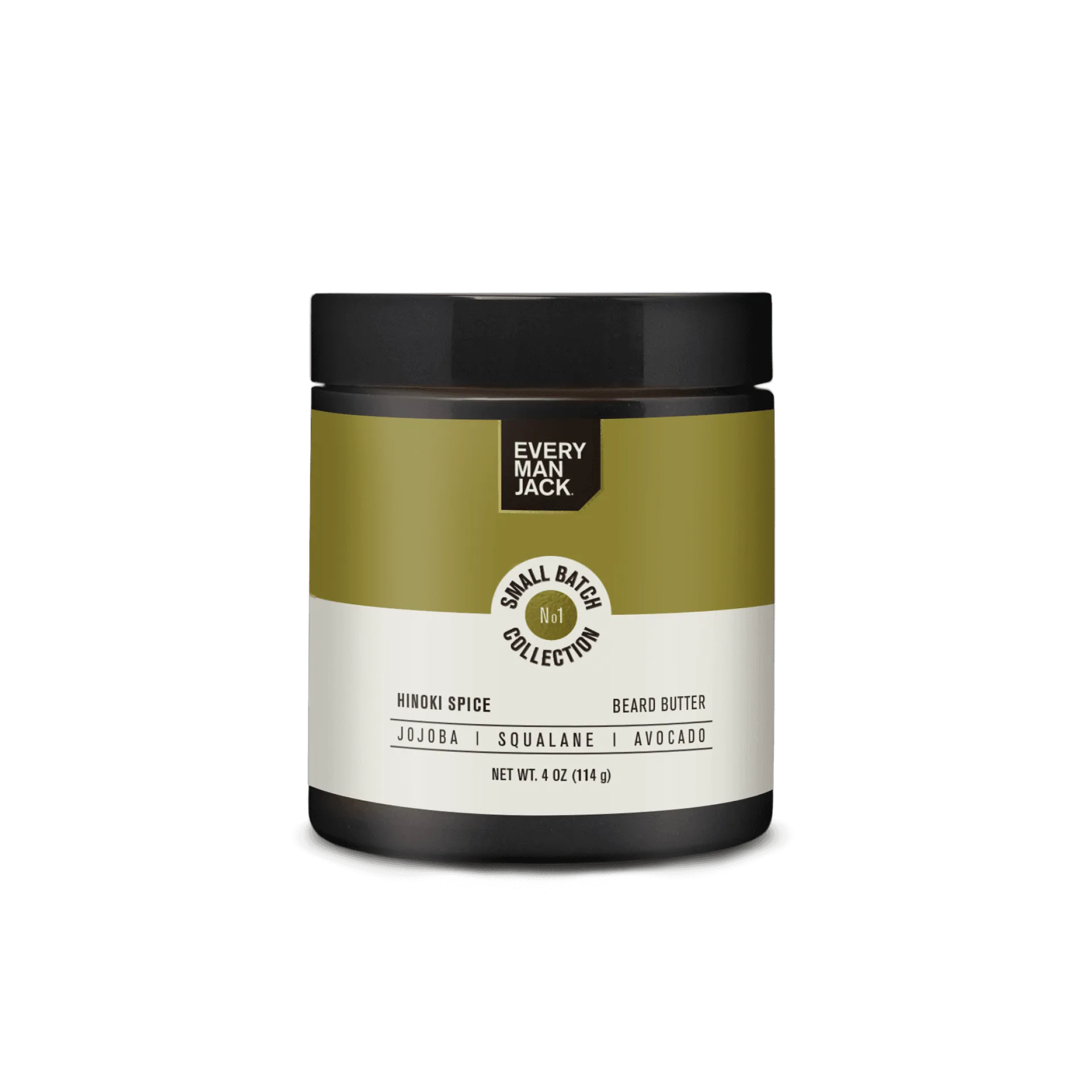
Small Batch Beard Butter
- For best results, apply moisturizer within three minutes of shaving while skin is still slightly damp.
Step 4: Treat Ingrown Hairs and Razor Bumps
Even with the best routine, ingrown hairs and razor bumps can still appear. To prevent them, incorporate a gentle exfoliant into your post-shave routine two to three times a week. Look for products with salicylic acid or glycolic acid, which help unclog pores and smooth the skin's surface.
For daily maintenance, a soothing face scrub can help remove dead skin cells that trap hairs. Use it on non-shave days to avoid over-exfoliating. If you notice a bump forming, apply a warm compress to reduce inflammation and gently coax the hair out with a sterile needle or tweezers.
- Never pick or squeeze razor bumps—this can lead to scarring and infection.
Step 5: Protect Your Skin Throughout the Day
Your post-shave routine doesn't end when you leave the bathroom. Throughout the day, your skin needs protection from sun, wind, and pollution. Sun exposure can darken razor burn scars and slow healing, so apply a broad-spectrum sunscreen with SPF 30 or higher if you'll be outdoors.
If you experience persistent irritation, consider using a lightweight, non-comedogenic moisturizer with SPF built in. Reapply as needed, especially after sweating or swimming. Keeping your skin hydrated from the inside out by drinking plenty of water also supports faster recovery and reduces overall sensitivity.
- Avoid tight collars or rough fabrics on freshly shaved areas to minimize friction.
Common Mistakes to Avoid in Your Post-Shave Routine
Even with the best intentions, some habits can sabotage your efforts. One common mistake is using too many products at once, which can overwhelm sensitive skin. Stick to a simple, consistent routine with a few key products. Another error is skipping moisturizer because you think oily skin doesn't need it—all skin types need hydration after shaving.
Also, be mindful of product ingredients. Avoid fragrances, dyes, and alcohol in post-shave products, as these can sting and inflame freshly shaved skin. Always patch-test new products on a small area before applying them to your entire face or body. Finally, don't forget to clean your razor regularly—a dirty blade can introduce bacteria that cause breakouts and irritation.
- Change your razor blade every 5 to 7 shaves to maintain sharpness and hygiene.
Building a post-shave routine that prevents irritation and razor burn doesn't have to be complicated. Start with a cold rinse, apply a soothing balm, moisturize, and treat any bumps with care. Consistency is key—over time, your skin will become less reactive and more comfortable. For a gentle, hydrating option that supports your post-shave recovery, explore the Small Batch Beard Butter to nourish both your skin and beard after every shave.