Imagine hiking deep into the backcountry or camping for a long weekend without worrying about your phone dying. A solar-powered charging kit turns that dream into reality, letting you harness the sun to keep your essential devices alive. For anyone who practices everyday carry (EDC) with an off-grid twist, building a portable solar setup is the ultimate way to stay connected, safe, and powered up without relying on wall outlets.
In this guide, we’ll walk you through the core components of a solar-powered charging kit tailored for EDC enthusiasts. You’ll learn which solar panel size works best, how to pair it with a compact power bank, and which KeySmart accessories can streamline your setup. By the end, you’ll have a clear blueprint for assembling a lightweight, sustainable charging system that fits in your daypack.
Why Go Solar for Your EDC Kit?
Solar charging isn’t just for thru-hikers and van-lifers anymore. With today’s efficient portable panels and compact batteries, anyone can add a touch of renewable energy to their daily carry. The biggest advantage is independence: you can top off your smartphone, GPS device, or headlamp anywhere the sun shines. That means no frantic searches for a café outlet or worrying about a dead battery during an emergency.
Another key benefit is sustainability. By reducing your reliance on grid electricity, you lower your carbon footprint—a win for both you and the planet. Plus, a well-designed solar kit is surprisingly lightweight. Modern panels fold down to the size of a notebook, and power banks like the ones you can pair with a KeySmart organizer keep everything tidy. Whether you’re a weekend warrior or a remote worker, solar charging adds resilience to your EDC without adding bulk.
- Freedom from wall outlets: charge anywhere with direct sunlight.
- Eco-friendly: reduce battery waste and grid dependency.
- Compact enough for a daypack: modern panels and batteries are smaller than ever.
Core Components of a Solar-Powered EDC Kit
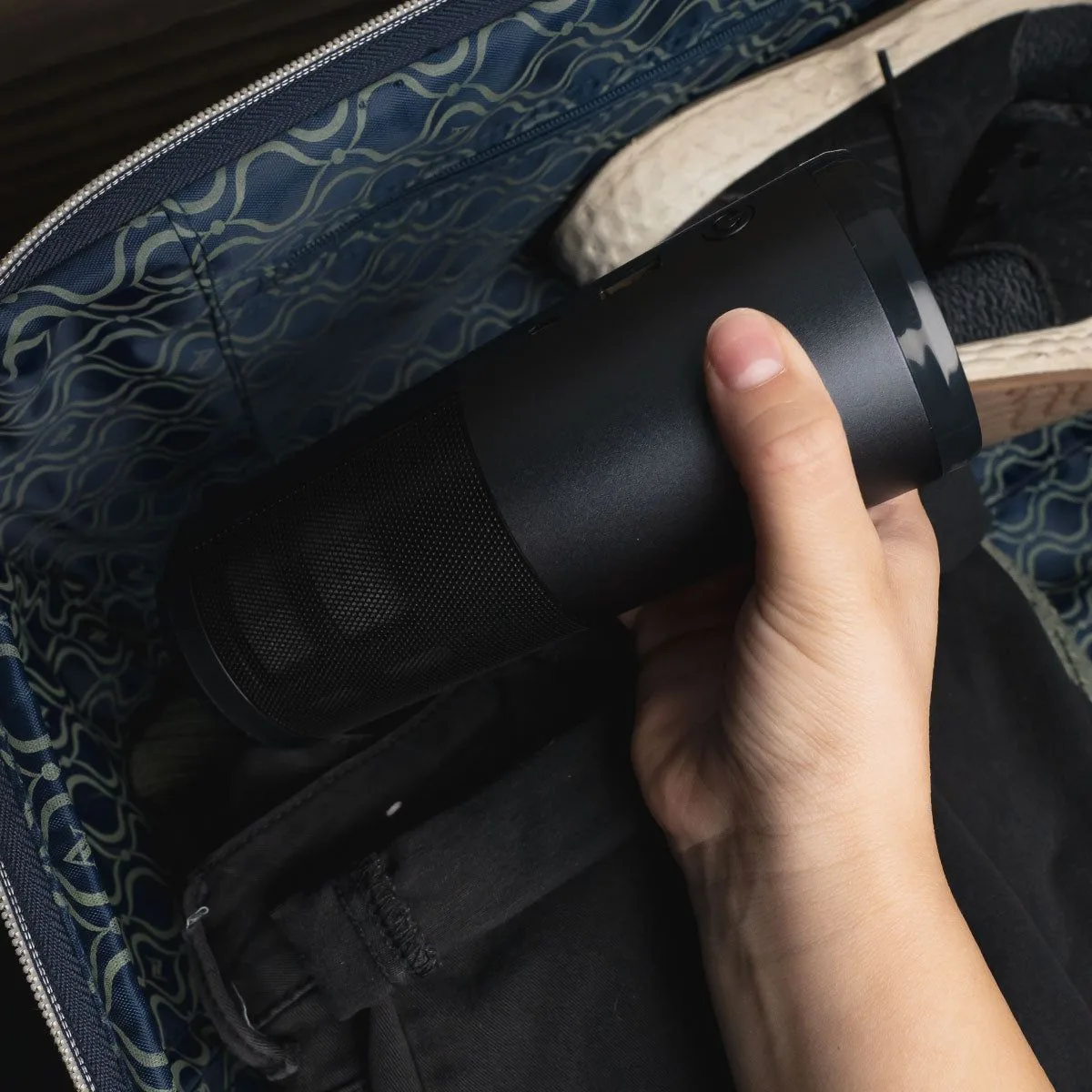
Building a solar charging kit starts with three essential pieces: a portable solar panel, a power bank, and the right cables. For EDC, aim for a panel that outputs at least 10–20 watts—enough to charge a phone in a few hours of direct sun. Look for foldable monocrystalline panels with USB-A or USB-C ports; they’re durable and easy to pack. Pair it with a power bank that has a capacity of 5,000–10,000 mAh, which can store a full phone charge and then some.
Cables matter more than you think. A single, high-quality cable that handles both charging and data transfer simplifies your kit. The Statik KeyCharge Universal On-The-Go Charging Cable is a perfect match: it’s compact, supports fast charging, and integrates seamlessly with your key organizer. For higher-power needs—like charging a tablet or laptop—the Statik 360 Pro 100W Universal Charge & Data Cable delivers blazing speeds while keeping your gear organized. Both cables eliminate the tangle of multiple cords, a must for off-grid efficiency.
- Solar panel: 10–20W foldable panel with USB output.
- Power bank: 5,000–10,000 mAh with pass-through charging support.
- Cables: choose a universal cable like the Statik KeyCharge or Statik 360 Pro to reduce clutter.
Integrating Your Key Organizer into the Solar Kit
Your key organizer can do more than hold keys—it can be the hub of your entire charging setup. By attaching a compact cable and a tiny power bank to your organizer, you keep everything accessible and tangle-free. The KeySmart Flex is an excellent choice for this role: it holds up to eight keys and has a modular design that lets you add accessories like a USB flash drive or a folding knife. When you’re off-grid, having your charging cable clipped to your key organizer means you’ll never forget it.
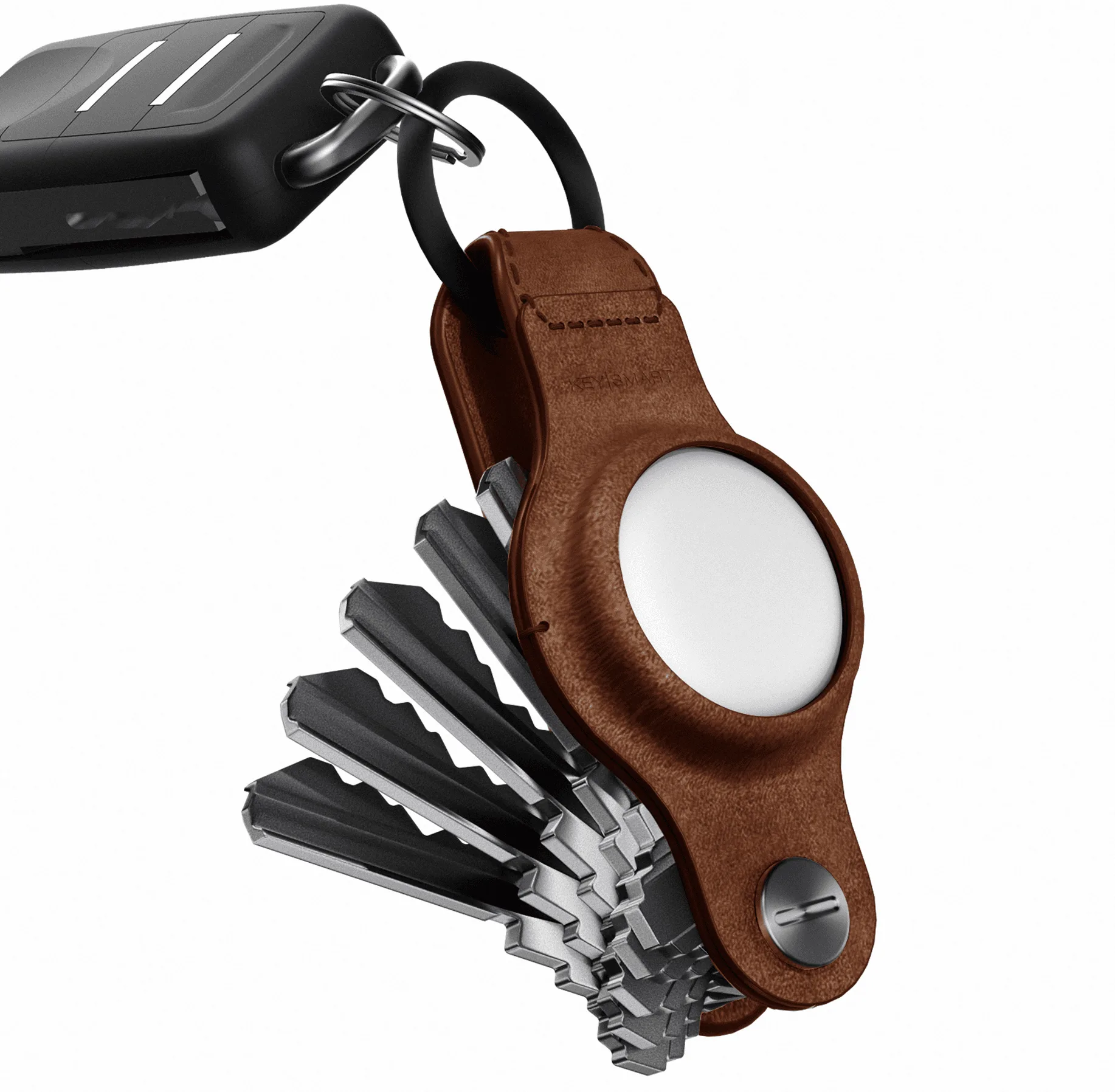
Another smart addition is the KeySmart Air Leather, which works with Apple AirTag to help you locate your kit if it gets misplaced. Pair it with the solar panel and power bank, and you have a complete system that’s both organized and trackable. The leather build adds a touch of durability and style, making it a pleasure to use every day. By integrating your key organizer, you turn a simple accessory into the backbone of your off-grid charging strategy.
- Use the KeySmart Flex as a modular base for your charging cable and small tools.
- Attach a KeySmart Air Leather with an AirTag to prevent losing your kit.
- Keep your Statik cable clipped to the organizer for instant access.
Step-by-Step Assembly: From Panel to Pocket
Ready to build your kit? Start by selecting a solar panel that fits your pack. For day hikes, a 10W panel is plenty; for multi-day trips, consider a 20W panel. Unfold it and connect it to your power bank using a short USB-C cable (the Statik KeyCharge works great here). Place the panel in direct sunlight and let the power bank charge. Once the bank is full, you can use it to charge your devices at night or during cloudy periods.
Next, organize your cables and small accessories. Attach the Statik 360 Pro cable to your KeySmart Flex, along with a USB flash drive if you need to transfer files. Stow the power bank in an easy-access pocket of your pack. Finally, add a KeySmart Air Leather to your keychain for tracking. Test the whole setup at home first: charge the power bank via the panel, then use the bank to charge your phone. Once you’ve confirmed everything works, you’re ready to hit the trail with confidence.
- Choose a solar panel based on your trip length (10W for day trips, 20W for multi-day).
- Charge your power bank first, then use it as a buffer for device charging.
- Organize cables and accessories with the KeySmart Flex for quick access.
Tips for Maximizing Solar Efficiency Off-Grid
To get the most out of your solar panel, position it at a 30–45 degree angle facing the sun. Avoid shading from trees or your own body. If you’re hiking, you can attach the panel to the outside of your pack using carabiners or bungee cords—many panels come with grommets for this purpose. Charge your power bank during midday when the sun is strongest, then use the stored energy in the evening.
Keep your cables and connectors clean. Dust and dirt can reduce charging speed, so wipe them down with a dry cloth before each use. Also, invest in a power bank that supports pass-through charging—this lets you charge the bank and your device simultaneously from the solar panel, saving time. Finally, always carry a backup charging method, like a small wall charger, for cloudy days or emergencies. With these tips, your solar kit will perform reliably in almost any off-grid scenario.
- Angle the panel toward the sun and avoid shade for best results.
- Use a power bank with pass-through charging for simultaneous use.
- Keep cables clean and carry a backup wall charger for emergencies.
Building a solar-powered charging kit for off-grid EDC doesn’t have to be complicated. With a portable solar panel, a compact power bank, and smart accessories like the Statik KeyCharge cable and the KeySmart Flex organizer, you can create a system that keeps your devices running wherever the sun takes you. Ready to start your off-grid journey? Explore the KeySmart Flex today and build the ultimate sustainable EDC kit.