Start with what the pin is made of
The FiGPiN Meliodas pin is cast from zinc alloy and inlaid with hard synthetic color enamel, then finished with an electroplated nickel coating. That combination is what gives the pin its crisp lines and reflective edge, but it also tells you what to protect: the enamel surface from abrasion and the nickel finish from harsh chemicals.
Because the pin stands on a patented FiGPiN soft rubber backer and ships inside a clear poly-carbonate display box with a black ABS plastic base, you have two surfaces to care for, not one. The pin itself and the box both affect how the piece looks on a shelf.
Catalog details that guide handling
-
THE SEVEN DEADLY SINS FIGPIN MELIODAS (970): Cast zinc alloy inlaid with hard synthetic color enamel, finished with an electroplated nickel coating. The enamel and nickel finish are the parts most likely to show smudges or scratches, so keep fingers off the face and avoid abrasive cloths.
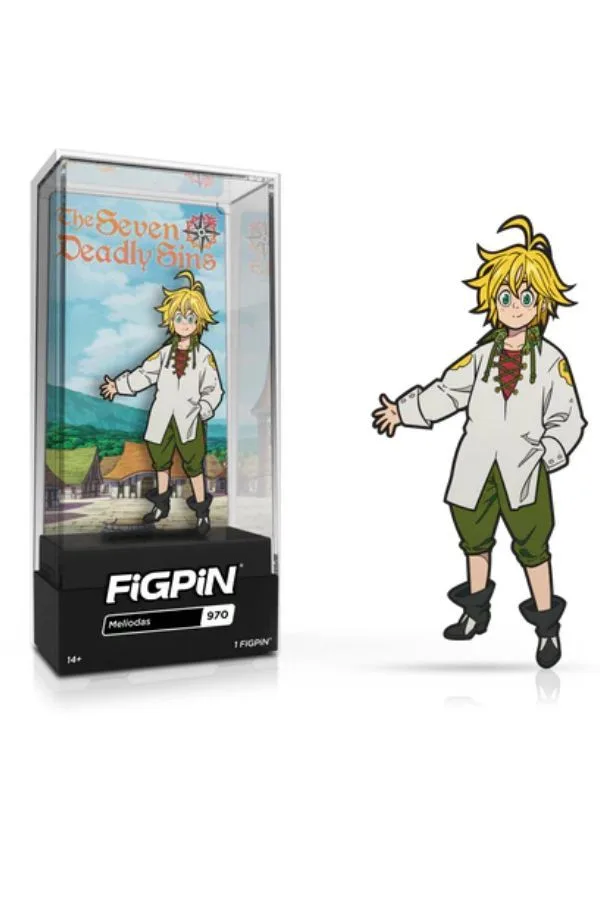
THE SEVEN DEADLY SINS FIGPIN MELIODAS (970)
-
THE SEVEN DEADLY SINS FIGPIN MELIODAS (970): Stands up on a patented FiGPiN soft rubber backer. The rubber backer is what lets the pin stand, so set it down gently rather than dropping it onto hard surfaces.
-
THE SEVEN DEADLY SINS FIGPIN MELIODAS (970): Encased in a museum-quality, clear poly-carbonate display box with a black ABS plastic base. The box is part of the display, so clean the outside of the poly-carbonate rather than reaching inside to polish the pin.
A simple cleaning routine that protects the finish
You do not need special products for routine upkeep. The goal is to remove dust and fingerprints without rubbing grit across the enamel or clouding the display box.
- Dust first, touch second: Use a soft dry cloth or a clean, dry makeup brush to lift dust from the pin and the outside of the display box. Dust before wiping so you are not dragging particles over the surface.
- Wipe fingerprints with a dry microfiber cloth: A dry microfiber cloth is enough for smudges on the enamel and the clear box. Work lightly and avoid pressing hard on the electroplated edges.
- Skip harsh cleaners and solvents: The supplied information does not list approved cleaning chemicals, so stay with dry methods. Alcohol, acetone, and abrasive polishes are not confirmed as safe for the enamel or nickel coating.
- Clean the box outside only: The pin is encased in the display box, so treat the poly-carbonate exterior as the surface to maintain. Do not disassemble the case to reach the pin.
Display choices that keep the pin looking sharp
The pin comes with a character-specific background card, and that card is part of the look. Keep the card behind the pin inside the box rather than removing it, because the supplied information presents it as part of the finished display.
Place the box where it will not be knocked over. The pin stands on its rubber backer, and the clear poly-carbonate box is the outer protection, so a stable shelf away from daily traffic is better than a crowded desk edge. Direct sunlight is worth avoiding for any collectible display, though the supplied record does not make a specific UV claim for this item.
Storage between displays
- Keep the box and base together: The black ABS plastic base and clear poly-carbonate box are the pin's display system. Store them as a unit so the base does not get lost or scratched separately.
- Avoid loose drawers: If you put the pin away, keep it in its display box rather than loose with keys, cables, or other metal objects that could scuff the enamel.
- Note the serial number: Each FiGPiN includes a laser-engraved alphanumeric serial number on the back. If you rotate pieces in and out of storage, note the number so you can match the pin to its box and card later.
What the supplied information does not cover
The catalog record does not include an age range, safety warnings, or step-by-step care instructions for this pin. That means you should treat it as a collectible display item rather than a toy for young children, and keep small parts such as the rubber backer out of reach.
No approved cleaning solutions, polishing compounds, or UV-protection claims are supplied, so avoid experimenting with chemicals on the enamel or nickel finish. If the pin ever needs more than dry dusting, the safe assumption is to stop rather than risk the finish.