Quick Answer
To keep your handmade wool throw looking its best, wash it sparingly by hand in cool water with a gentle wool detergent, then dry it flat away from heat. Always check the care label first, and treat stains promptly instead of letting them set.
Why Handmade Wool Needs Extra Care
A handmade wool throw is different from a machine-made blanket. The fibers are often less processed and more delicate, so harsh washing or high heat can cause felting, shrinkage, and loss of softness. Because each piece is crafted individually, you also want to protect the unique texture and braided detailing that make it special.
Wool naturally resists dirt and odors, so you don't need to wash it as often as cotton or synthetic blankets. In fact, over-washing is one of the most common causes of damage. Air it out between uses, and reserve full washing for when it's truly needed.
Step-by-Step Wool Throw Care
- Check the care label: Before anything, read the manufacturer's care instructions. If the label says dry clean only, follow that. If hand wash is allowed, proceed with the steps below. When in doubt, dry cleaning is the safest option for handmade wool.
- Spot clean stains immediately: Blot spills with a clean, dry cloth to absorb as much liquid as possible. Then gently dab with a small amount of cool water and mild wool detergent. Avoid rubbing, which can push the stain deeper and damage the fibers. Never use hot water or bleach on wool—it can set the stain and cause discoloration.
- Hand wash in cool water: Fill a basin or sink with cool water and add a small amount of wool-specific detergent. Submerge the throw and gently press it down—do not wring or twist. Let it soak for 10–15 minutes, then drain and rinse with cool water until no soap remains. Wool detergents contain lanolin that helps maintain softness; regular detergents can strip natural oils.
- Remove excess water without wringing: Lift the throw out of the water and press it gently against the side of the basin to release water. Then roll it in a clean, dry towel and press to absorb more moisture. Never wring or twist, as that can distort the shape and cause felting. Rolling in a towel is the gentlest way to remove water without damaging fibers.
- Dry flat away from heat: Lay the throw flat on a dry towel or drying rack in a well-ventilated area, reshaping it to its original dimensions. Keep it out of direct sunlight and away from radiators or heaters. Allow it to air dry completely, which may take 24–48 hours. Never use a tumble dryer—heat and agitation will shrink and felt wool.
- Store properly when not in use: Fold the throw loosely and store it in a breathable cotton or linen bag. Add cedar blocks or lavender sachets to deter moths. Avoid plastic bins, which trap moisture and can cause mildew. Check stored wool periodically for signs of moths or dampness.
Product Spotlight
-
Handmade Wool Throw: The Riley Handmade Wool Throw is crafted in Portugal from a fine wool blend and is described as luxuriously soft with a cozy stretch. Because it's a fine wool blend, using a gentle wool-specific detergent and cool water will help preserve that softness and stretch without felting the fibers.
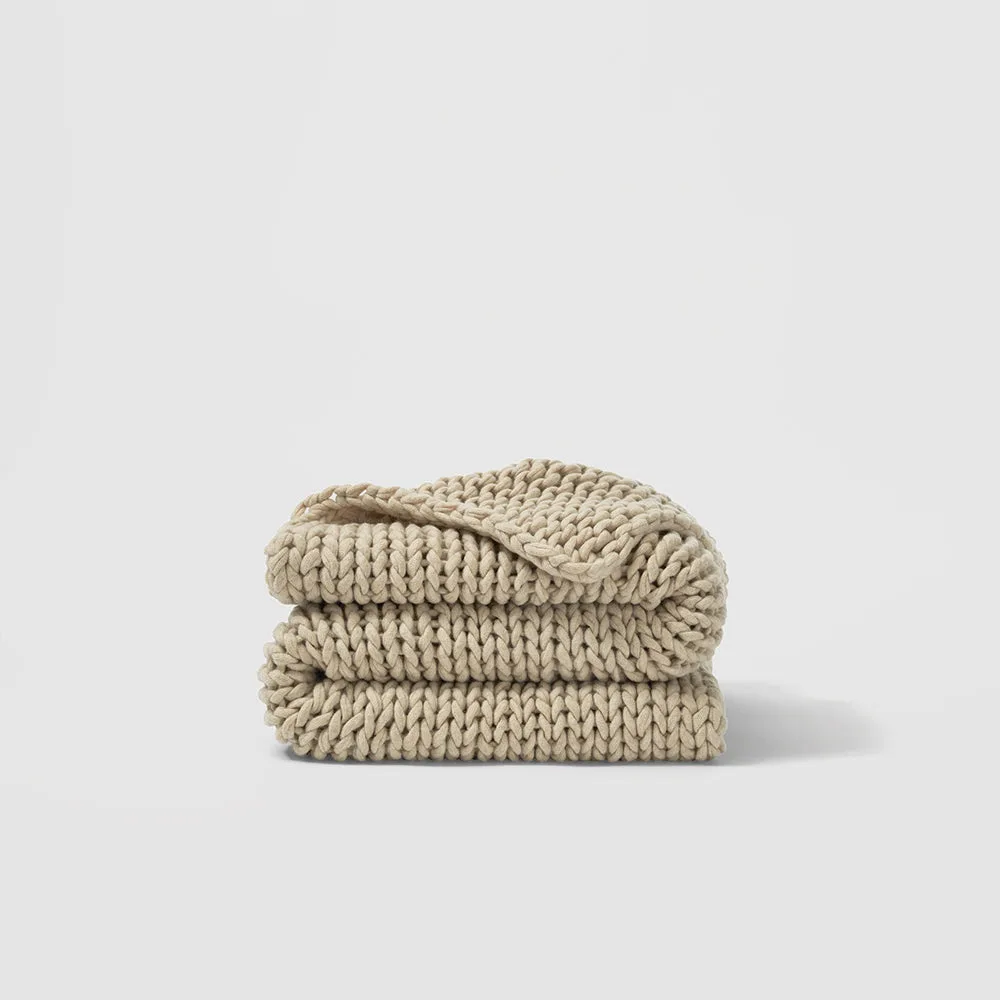
Handmade Wool Throw