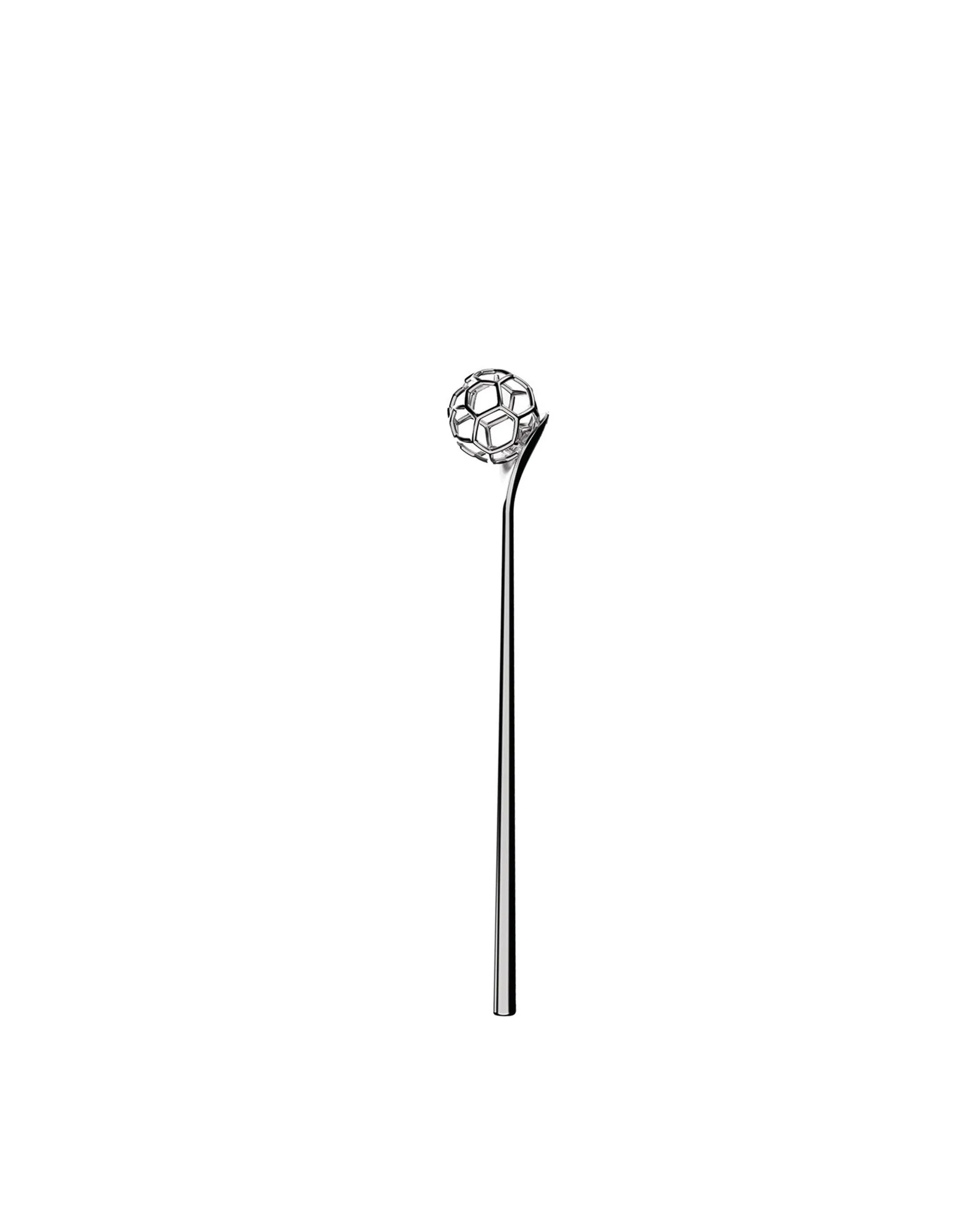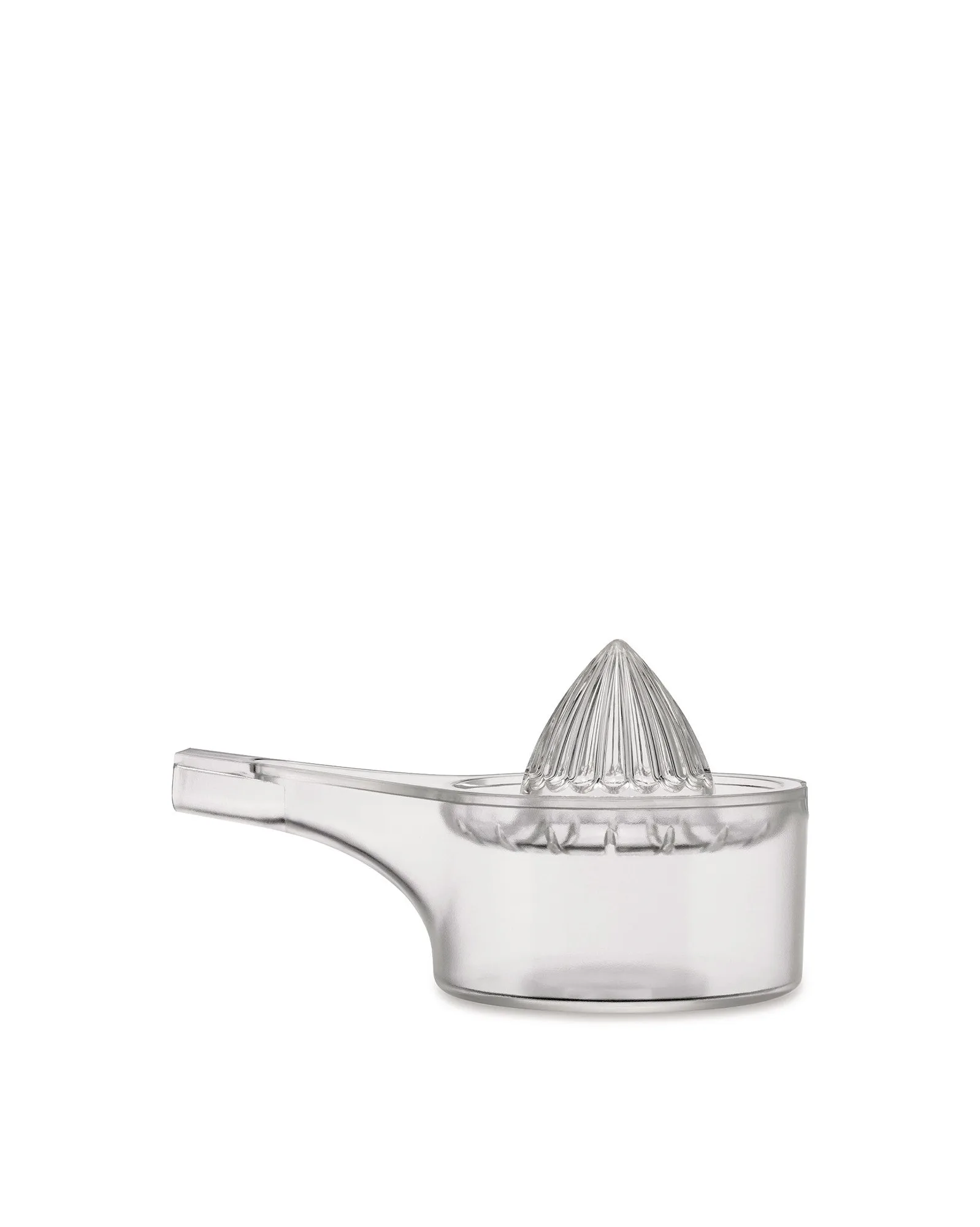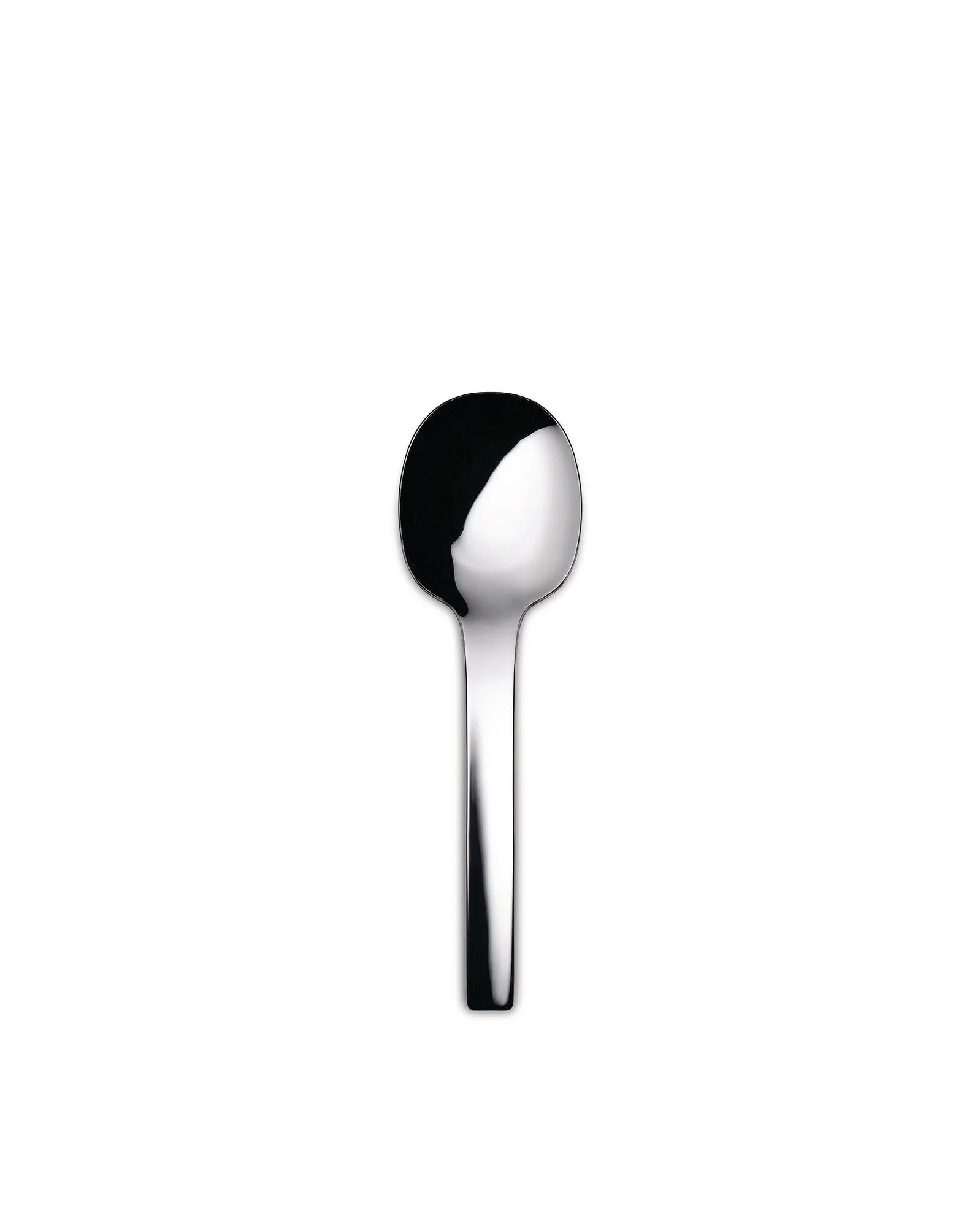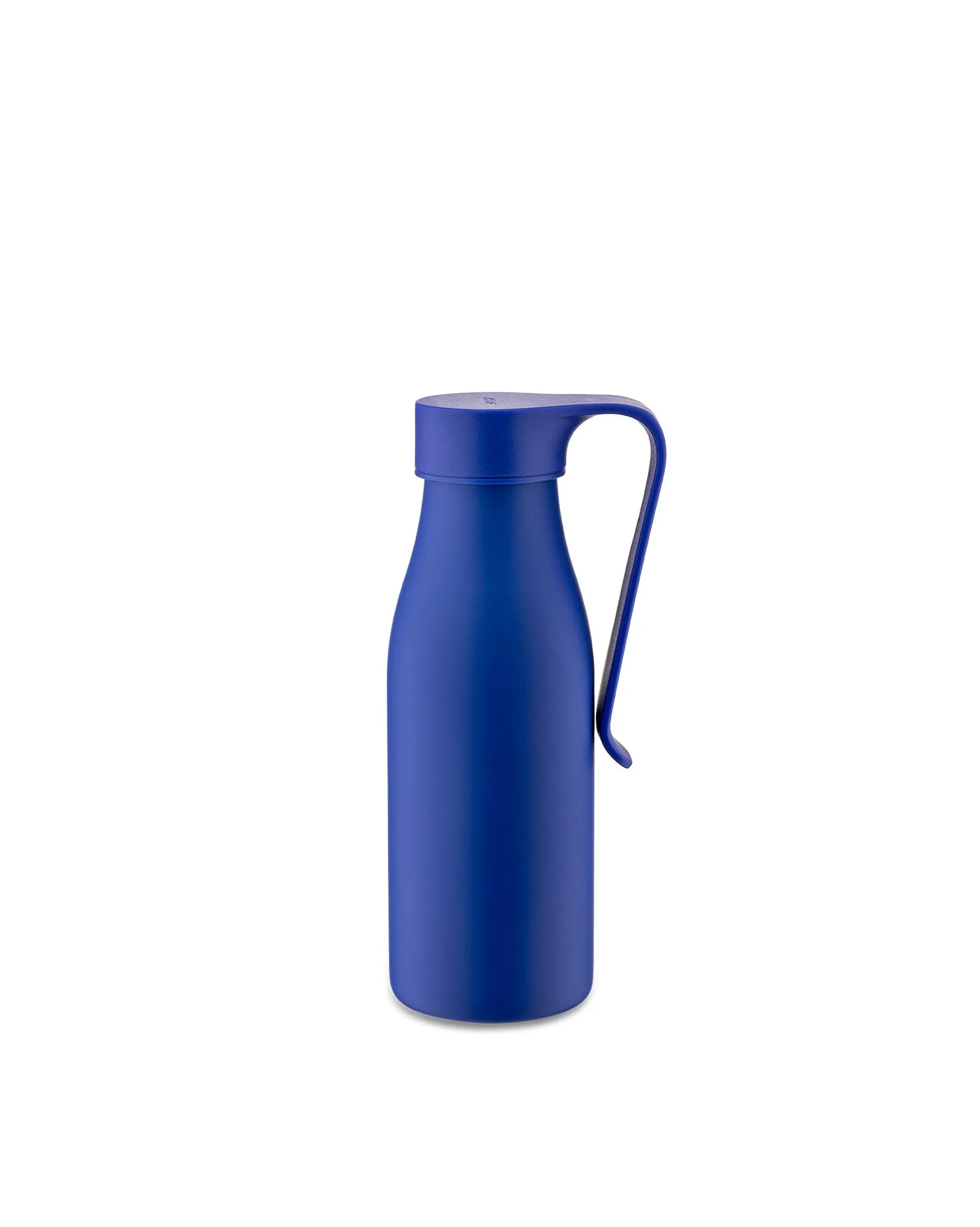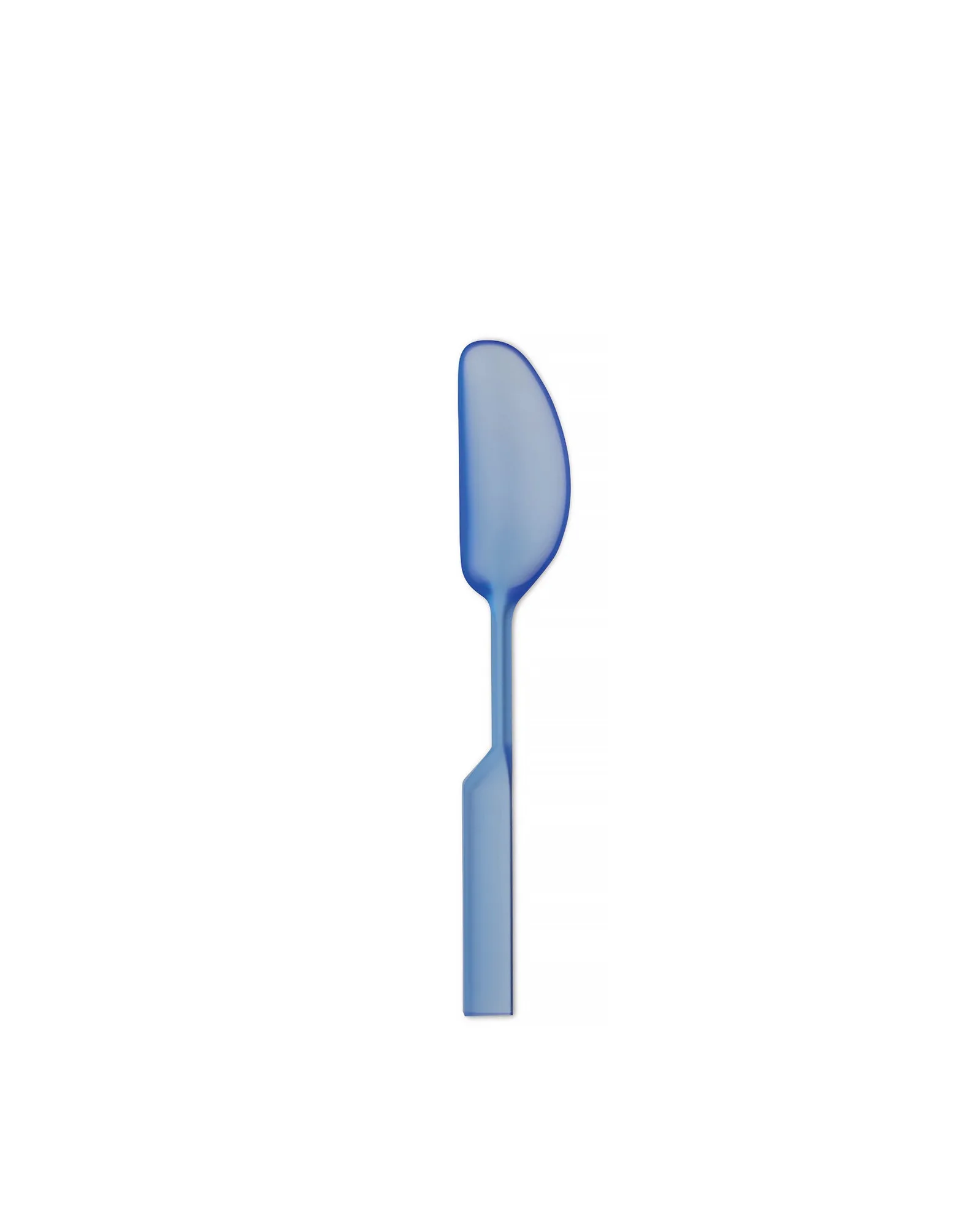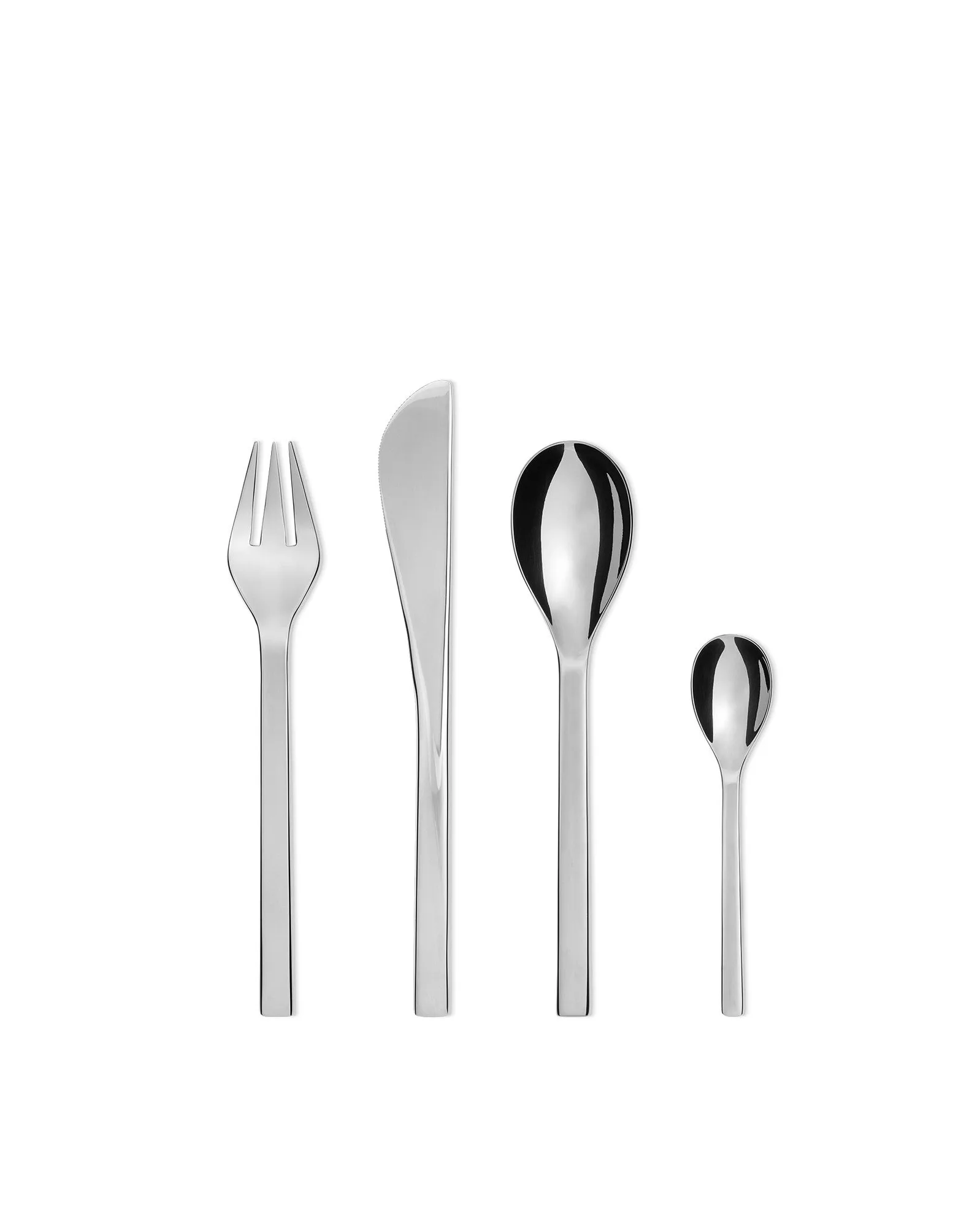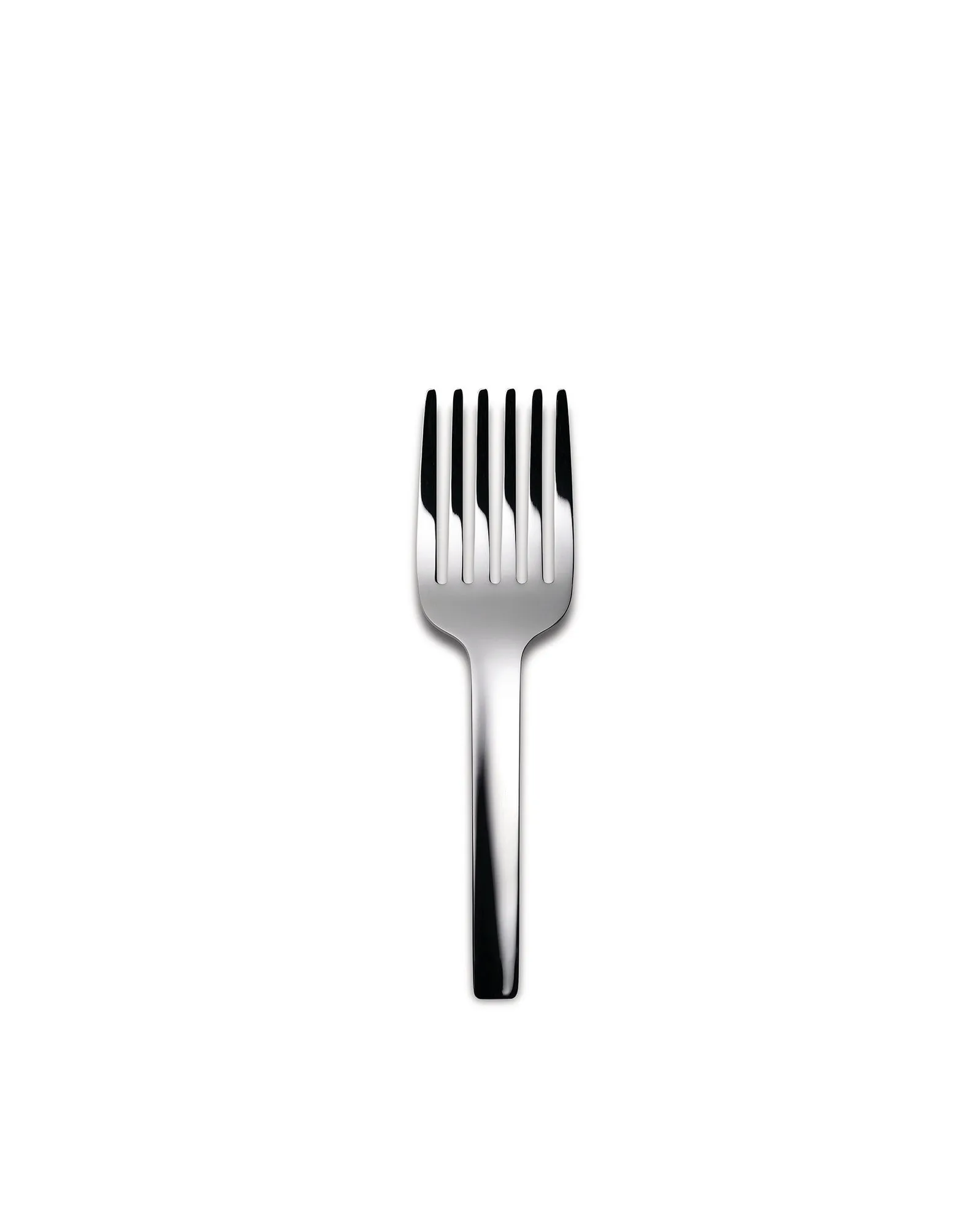
Alessi’s wooden kitchen tools are more than functional utensils—they are sculptural objects that bring warmth and Italian craftsmanship to your daily cooking. From the elegant curves of the tibidabo-163957">Tibidabo salad servers to the minimalist lines of the Dry range, each piece is designed to be both practical and beautiful. However, wood is a natural material that requires a little extra attention to maintain its appearance and longevity. In this guide, we’ll share essential care tips to keep your Alessi wooden kitchenware in pristine condition, so you can enjoy its beauty for many meals to come.
Whether you’ve invested in a single wooden spoon or a full set of serving pieces, understanding how to clean, dry, and condition wood will prevent cracking, staining, and warping. Unlike metal or plastic, wood is porous and can absorb moisture, oils, and odours if not properly maintained. With the right routine, your Alessi wooden tools will develop a rich patina over time, becoming cherished heirlooms in your kitchen.
Why Wooden Kitchen Tools Need Special Care
Wooden kitchen tools are prized for their natural warmth, gentle touch on cookware, and timeless aesthetic. However, their porous nature makes them susceptible to damage from moisture, heat, and harsh detergents. When wood is repeatedly exposed to water or left to soak, the fibres can swell and crack, leading to splits that compromise both appearance and hygiene. Similarly, placing wooden utensils in the dishwasher or near a heat source can cause warping or discolouration.
Alessi’s wooden pieces are crafted from high-quality materials like olive wood, beech, or acacia, each with its own grain and character. Proper care not only preserves their structural integrity but also enhances their natural beauty. By adopting a gentle cleaning routine and periodic conditioning, you can prevent stains from acidic foods (like tomato sauce or citrus) and keep the wood feeling smooth to the touch. This attention to detail is part of the Italian design philosophy—respecting the material ensures the object remains a joy to use.
- Always hand wash wooden tools with mild soap and warm water—never soak them.
- Dry immediately with a soft cloth and store in a well-ventilated area away from direct heat.
Daily Cleaning: The Do’s and Don’ts
After each use, rinse your Alessi wooden utensils under warm running water and gently scrub with a soft sponge or brush. Use a mild dish soap if needed, but avoid harsh chemicals or abrasive pads that can scratch the surface. For stubborn food residues, make a paste of baking soda and water, apply it gently, then rinse thoroughly. Never put wooden tools in the dishwasher—the high heat, prolonged moisture, and strong detergents will damage the wood over time.
Once cleaned, pat the wood dry with a clean towel and let it air dry completely before storing. Do not leave it to drip dry in a dish rack, as standing water can seep into the grain. For items like the Tibidabo salad servers, which have elegant carved handles, pay extra attention to crevices where moisture might hide. A quick wipe with a dry cloth after each wash will keep them looking their best.
- Use a soft sponge or brush—never steel wool or scouring pads.
- Avoid soaking; prolonged water exposure is the number one enemy of wood.
Conditioning and Oiling: How to Nourish the Wood
Over time, wooden kitchen tools can become dry or dull, especially if exposed to frequent washing. Conditioning with food-safe mineral oil or beeswax restores moisture and creates a protective barrier that repels stains and bacteria. To condition, apply a small amount of oil to a soft cloth and rub it into the wood in the direction of the grain. Let it absorb for a few hours or overnight, then wipe off any excess. Repeat this process every two to three months, or whenever the wood looks dry.
Alessi’s Dry range of kitchen accessories, for example, benefits from regular oiling to maintain its smooth finish and prevent cracking. Avoid using vegetable oils like olive or coconut, as they can turn rancid and develop an unpleasant odour. Stick to mineral oil, walnut oil, or a dedicated wood conditioner. For pieces that see heavy use, such as cutting boards or rolling pins, you may need to oil more frequently—every four to six weeks is a good rule of thumb.
- Always use food-safe mineral oil or beeswax—never cooking oils.
- Condition every 2–3 months, or more often for heavily used items.
Storing Your Alessi Wooden Tools for Longevity
Proper storage is just as important as cleaning. Keep your wooden utensils in a dry, well-ventilated area away from direct sunlight, radiators, or ovens. Heat can cause the wood to dry out and crack, while UV light may fade its natural colour. A countertop crock or a drawer with a breathable liner works well—avoid airtight containers that trap moisture. If you have a magnetic strip or hanging rack, ensure the wood is fully dry before hanging.
For sets like the Convivio collection, which includes wooden serving pieces, consider storing them separately to prevent scratches from metal utensils. If you notice any rough spots or small cracks, lightly sand them with fine-grit sandpaper (220-grit or higher) and re-oil the area. This simple maintenance can extend the life of your tools significantly. Remember, wood is a living material—it expands and contracts with humidity, so a little seasonal care goes a long way.
- Store in a cool, dry place away from heat sources and direct sunlight.
- Sand and re-oil minor scratches or rough patches as needed.
What to Avoid: Common Mistakes That Damage Wood
Even with the best intentions, some common habits can shorten the life of your wooden kitchen tools. The biggest culprit is the dishwasher—its high heat, harsh detergents, and prolonged moisture will cause warping, cracking, and fading. Similarly, never leave wooden utensils soaking in a sink full of water, as this can lead to splitting and bacterial growth. Avoid using them with acidic foods like lemon juice or vinegar for extended periods, as the acid can etch the wood’s surface.
Another mistake is storing wooden tools near a stovetop or oven. The constant temperature fluctuations can dry out the wood and cause it to crack. Also, resist the urge to use metal scrapers or knives on wooden cutting boards—this creates grooves where bacteria can hide. If you own pieces from the Plissé collection, which features delicate wooden handles, treat them with extra care to avoid chips or dents. By steering clear of these pitfalls, your Alessi woodenware will remain beautiful and functional for decades.
- Never put wooden tools in the dishwasher or microwave.
- Avoid prolonged contact with acidic foods and extreme heat.
Caring for your Alessi wooden kitchen tools is a simple, rewarding practice that preserves their Italian design heritage and ensures they remain a pleasure to use every day. By hand washing, drying thoroughly, conditioning regularly, and storing properly, you can prevent damage and enjoy the natural beauty of wood for years. Explore the full range of Alessi wooden kitchenware, including the elegant Tibidabo salad servers, to add timeless warmth to your culinary space.