Aluminum belts have become a staple in modern wardrobes for their lightweight feel, sleek appearance, and impressive durability. Whether you're dressing up for a formal event or keeping it casual, an aluminum buckle adds a touch of minimalist elegance. However, like any accessory, aluminum belts require proper care to maintain their luster and structural integrity over time.
Without routine maintenance, aluminum can develop surface scratches, oxidation, and even tarnish. The good news? Caring for your aluminum belt is simpler than you might think. In this guide, we'll walk you through the best practices for cleaning, storing, and protecting your belt so it stays looking brand new for years to come.
Why Aluminum Belts Need Special Care
Aluminum is a lightweight metal prized for its corrosion resistance, but it is not immune to wear and tear. Everyday contact with belt loops, keys, coins, and hard surfaces can leave fine scratches on the buckle. Over time, these micro-scratches accumulate, dulling the finish. Additionally, exposure to moisture, sweat, and air pollutants can cause oxidation, leading to a chalky or darkened appearance.
Unlike steel or brass, aluminum is relatively soft, making it more prone to scratching if not handled with care. That said, with the right cleaning techniques and protective measures, you can keep your aluminum belt looking polished and scratch-free. Understanding the metal's properties is the first step toward effective maintenance.
- Aluminum is lightweight but softer than steel, so avoid abrasive cleaners.
- Oxidation can occur with prolonged exposure to moisture and salt.
- Regular gentle cleaning prevents buildup that leads to tarnish.
Step-by-Step Guide to Cleaning Your Aluminum Belt
Cleaning your aluminum belt is a straightforward process that requires only a few household items. Start by removing the belt from your pants to avoid getting the strap wet. Use a soft microfiber cloth slightly dampened with warm water and a drop of mild dish soap. Gently wipe the buckle in circular motions to remove dirt, oils, and grime. Avoid using abrasive sponges or harsh chemicals, as these can scratch the surface.
For stubborn stains or oxidation spots, mix a paste of baking soda and water (about 2:1 ratio) and apply it to the affected area with a soft cloth. Let it sit for 30 seconds, then buff gently. Rinse with a clean damp cloth and dry thoroughly with a separate microfiber towel. Never let water pool around the buckle's edges, as moisture can seep into the strap material and cause damage over time.
- Use only soft microfiber cloths to avoid scratching.
- Baking soda paste is a gentle, effective cleaner for oxidation.
- Always dry the buckle completely after cleaning.
How to Prevent Scratches on Your Aluminum Belt Buckle
Prevention is the best strategy for keeping your aluminum belt scratch-free. When not in use, store your belt in a soft pouch or a dedicated compartment in your drawer to avoid contact with other metal accessories like keys or coins. If you wear your belt daily, consider rotating it with other belts to reduce constant friction on the same buckle.
Another simple trick is to be mindful of how you handle your belt. Avoid sliding the buckle against hard surfaces like countertops or tabletops. When removing your belt, gently unbuckle it rather than yanking it through the belt loops. For added protection, you can apply a thin layer of clear automotive wax or a specialized metal protectant to the buckle's surface, which creates a barrier against minor abrasions.
- Store belts separately from other metal items.
- Rotate belts to distribute wear evenly.
- Apply a clear wax protectant for extra scratch resistance.
Polishing and Restoring Shine to Tarnished Aluminum
If your aluminum belt has lost its shine or developed a dull, tarnished look, polishing can restore its original luster. Use a non-abrasive metal polish specifically designed for aluminum, or make your own with equal parts white vinegar and water. Dip a soft cloth into the solution and rub the buckle gently in straight lines (avoid circular motions, which can create swirl marks).
After polishing, rinse with clean water and dry immediately. For a deeper restoration, you can use a fine-grit (2000+) wet/dry sandpaper lightly dampened, but this should only be attempted by experienced DIYers. Most users will find that regular gentle polishing every few months keeps the belt looking fresh. Remember to test any polish on a small, hidden area first to ensure it doesn't discolor the metal.
- Use only aluminum-safe polishes to avoid chemical damage.
- Vinegar and water is a gentle homemade polish.
- Always test new cleaners on a small area first.
Caring for the Belt Strap: Leather, Fabric, and Webbing
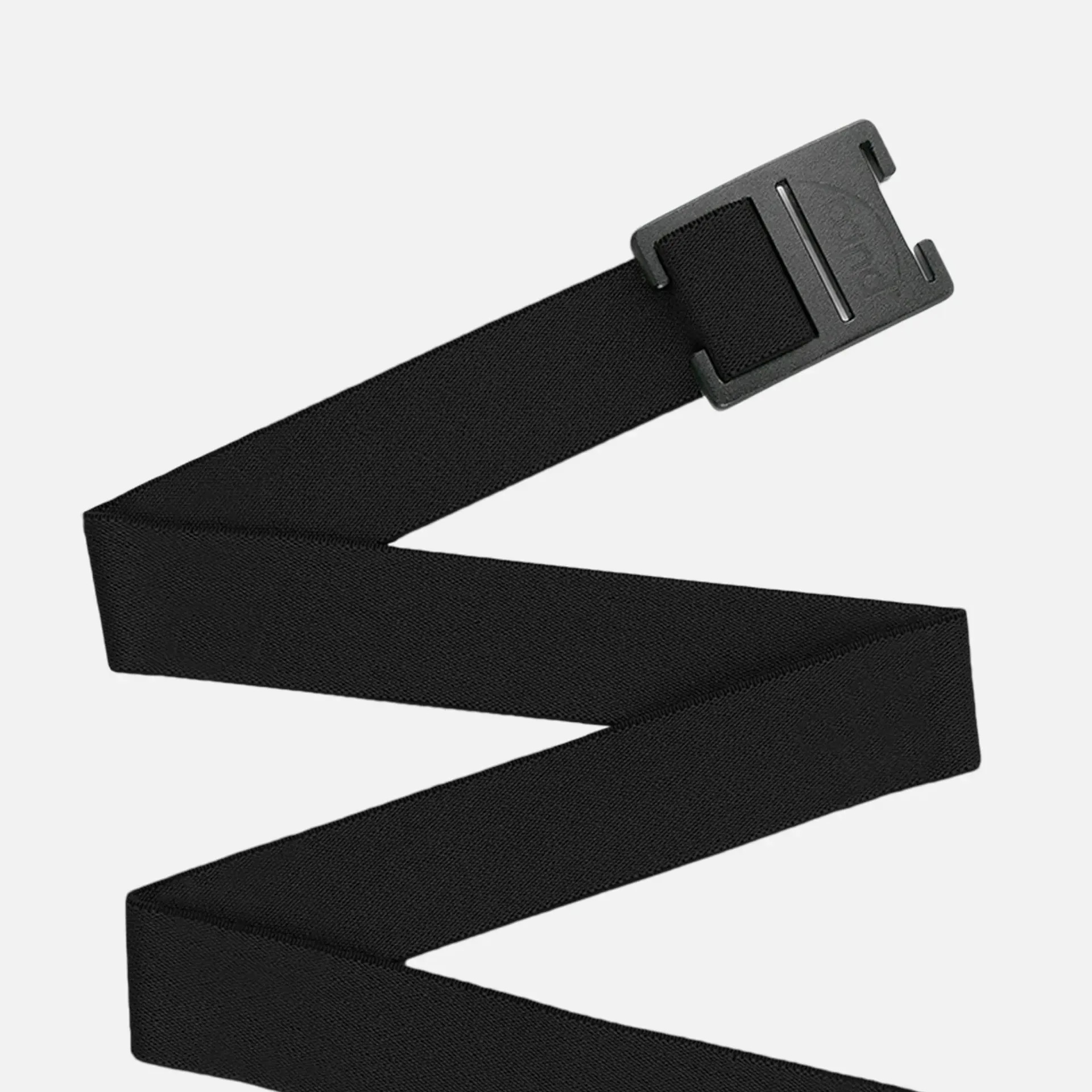
While the buckle gets most of the attention, the belt strap also requires care. Leather straps should be conditioned every few months with a leather conditioner to prevent cracking. Fabric or webbing straps can be spot-cleaned with mild soap and water, then air-dried away from direct heat. Avoid submerging the strap entirely, as water can weaken the fibers or cause discoloration.
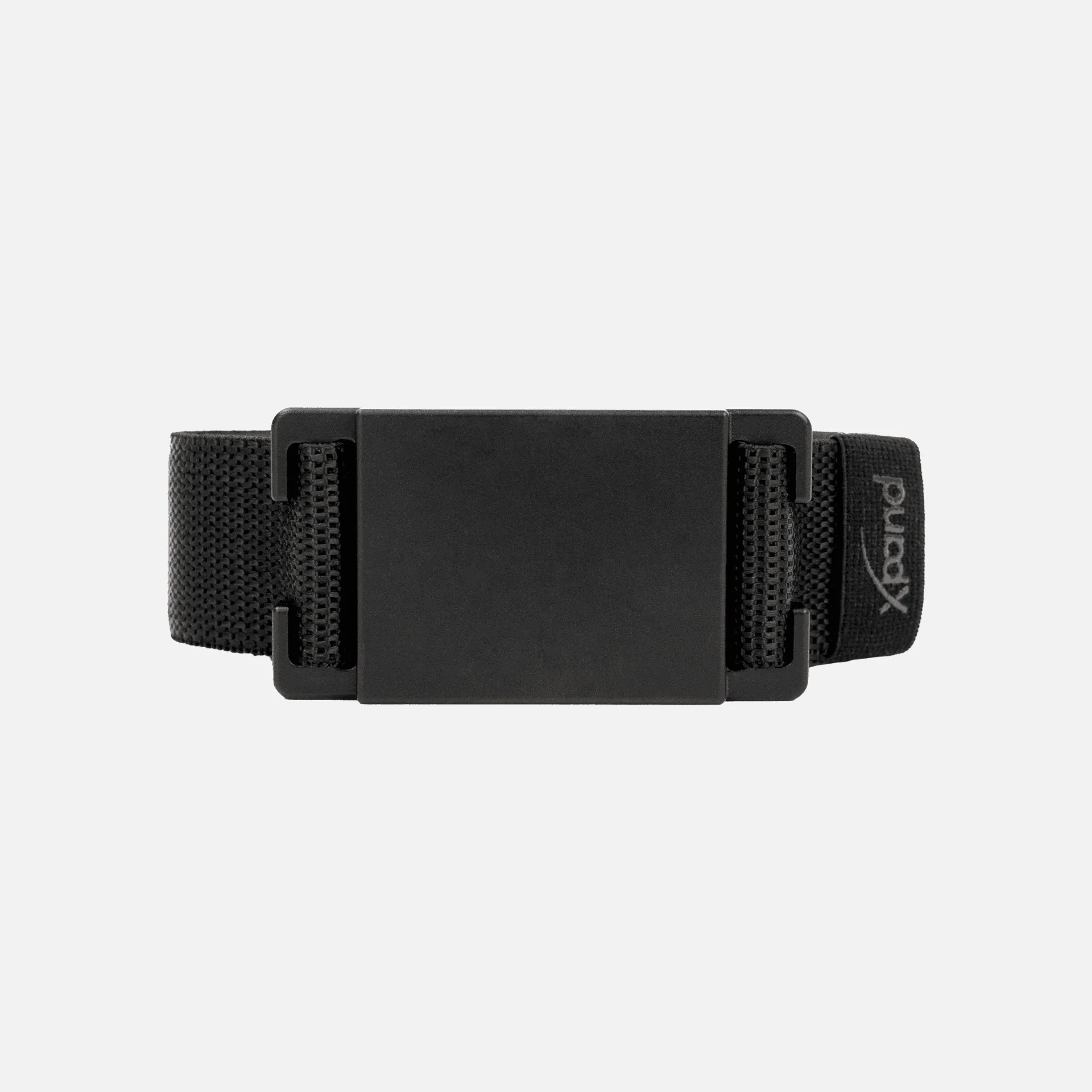
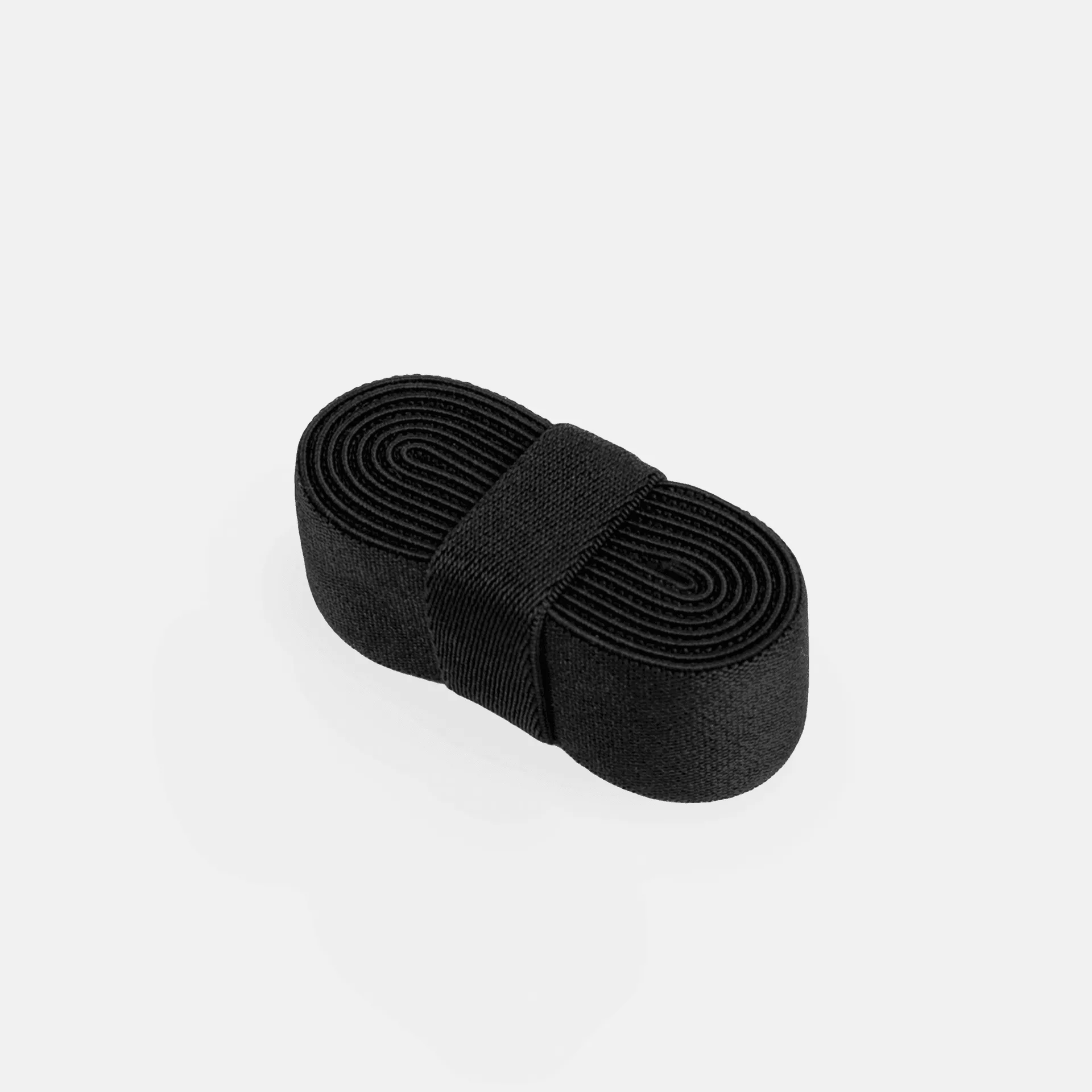
For belts with interchangeable straps, like those offered by Xpand Laces, you can easily swap out a worn strap for a fresh one. This modular approach not only extends the life of your belt but also allows you to change your style without buying a whole new belt. Remember to remove the buckle before cleaning the strap to prevent moisture from getting trapped in the buckle mechanism.
- Condition leather straps every 3-4 months.
- Air-dry fabric straps flat to maintain shape.
- Remove the buckle before cleaning the strap.
Common Mistakes to Avoid When Caring for Aluminum Belts
Many people inadvertently damage their aluminum belts by using the wrong cleaning methods. Avoid using bleach, ammonia, or any abrasive powders, as these can permanently etch the metal. Never put your belt in the dishwasher or washing machine—the heat and agitation can warp the buckle and ruin the strap. Similarly, avoid leaving your belt in direct sunlight for extended periods, as UV rays can fade the buckle's finish and weaken the strap material.
Another common mistake is storing the belt while it's still damp after cleaning. Always ensure the buckle and strap are completely dry before putting the belt away. Moisture trapped in a dark drawer can accelerate oxidation and promote mold or mildew on leather straps. By avoiding these pitfalls, you'll keep your aluminum belt in top condition for years.
- Never use bleach or abrasive cleaners on aluminum.
- Do not machine wash or dry your belt.
- Store belts only when completely dry.
When to Replace Your Aluminum Belt or Buckle
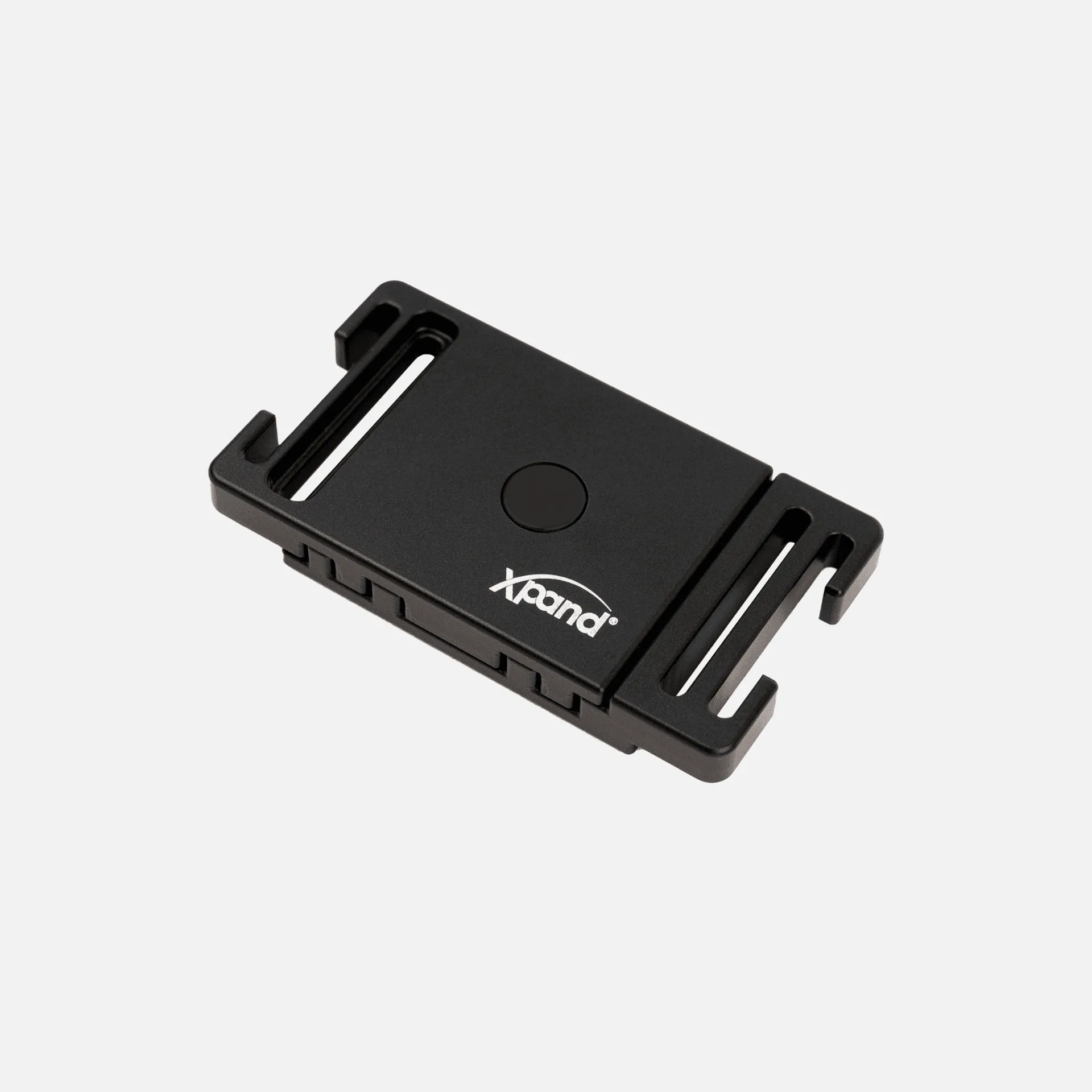
Even with the best care, aluminum belts will eventually show signs of wear. If the buckle develops deep scratches or dents that cannot be polished out, or if the strap becomes frayed or cracked, it may be time for a replacement. However, many aluminum belts are designed with replaceable buckles and straps, allowing you to refresh only the worn component.
Xpand Laces offers a range of belt accessories and replacement parts, making it easy to extend the life of your favorite belt. If you notice that the buckle's finish is peeling or the strap no longer holds its shape, consider upgrading to a new style. Investing in quality accessories and following proper care routines will ensure your belt remains a reliable part of your wardrobe.
- Replace buckle if deep scratches or dents appear.
- Swap out straps if frayed or cracked.
- Look for modular belt systems for easy replacement.
Taking care of your aluminum belt doesn't require expensive products or complicated routines. With a few simple habits—gentle cleaning, proper storage, and occasional polishing—you can prevent scratches and tarnish, keeping your belt looking sleek and stylish. For those looking to upgrade or expand their collection, explore the Belt Loop (Pack of 2) to add versatility to your everyday carry.
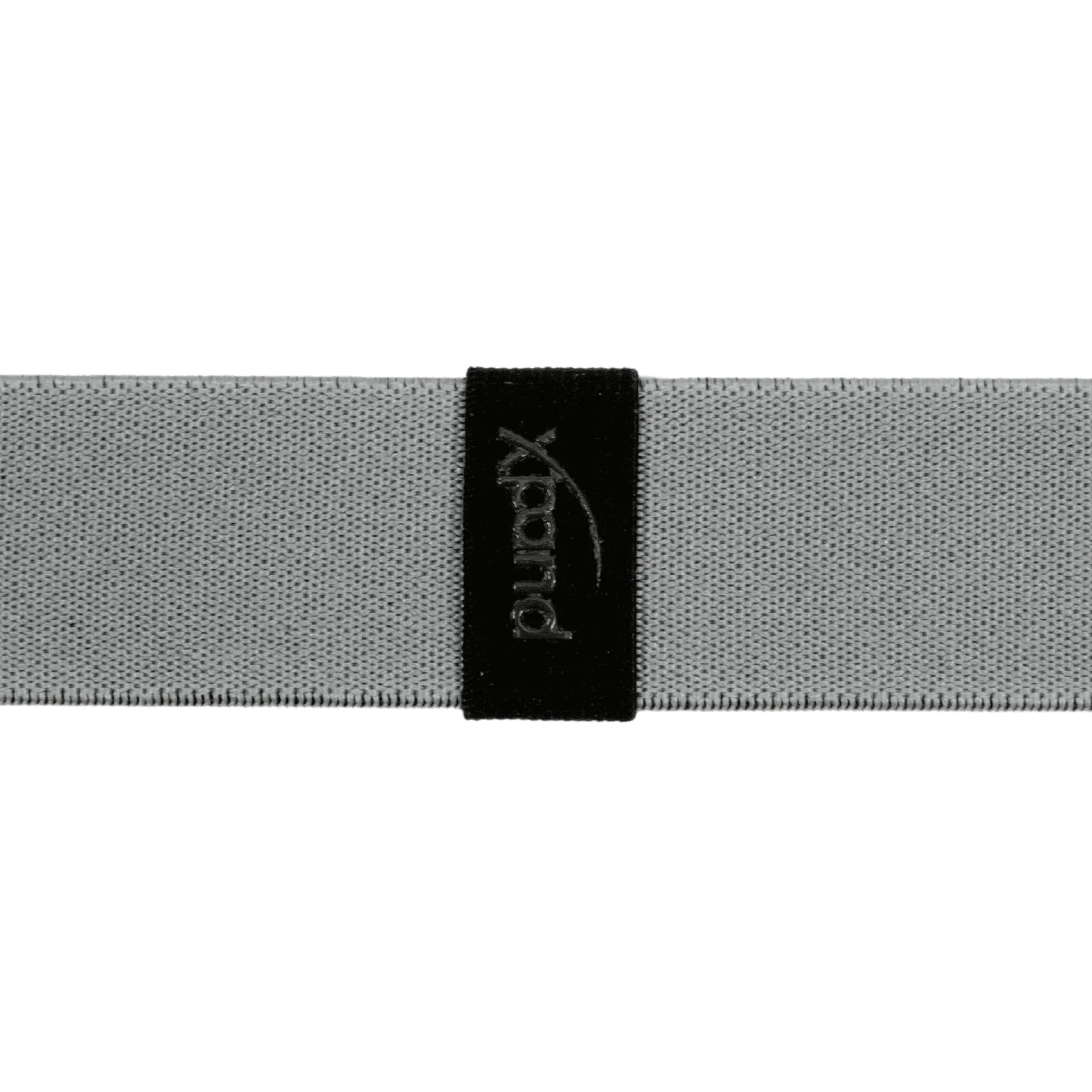
Belt Loop (Pack of 2)