Acrylic baby furniture brings a sleek, modern look to any nursery, but it also comes with unique care requirements. Unlike wood or metal, acrylic is prone to scratches and smudges, so knowing the right cleaning techniques is essential to keep it looking pristine. Whether you have an acrylic crib, dresser, or changing table, this guide will help you maintain its clarity and durability.
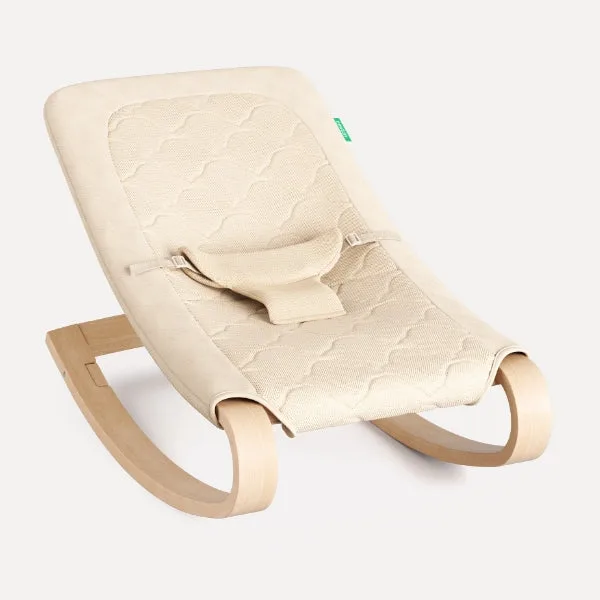
In this article, we'll cover daily dusting, deep cleaning, scratch removal, and preventive measures to extend the life of your acrylic pieces. We'll also mention how to care for accessories like the Newton Baby Rocker, which features acrylic elements, to keep your entire nursery looking cohesive and well-maintained.
Daily Dusting and Basic Cleaning
Acrylic surfaces attract dust and static, so a daily quick wipe can prevent buildup. Use a soft microfiber cloth slightly dampened with water or a gentle glass cleaner. Avoid paper towels, which can cause micro-scratches. For light smudges, a mixture of mild dish soap and warm water works well.
When cleaning, use straight, overlapping strokes rather than circular motions to avoid swirl marks. Always test any cleaner on a hidden area first. For acrylic cribs, pay attention to the edges and corners where dust accumulates. Regular dusting not only keeps your furniture looking new but also reduces allergens in the nursery.
- Use a microfiber cloth to avoid scratches.
- Avoid ammonia-based cleaners; they can damage acrylic.
- Wipe in straight lines to prevent swirl marks.
Deep Cleaning and Stain Removal
Occasionally, acrylic furniture needs a deeper clean to remove stubborn fingerprints, baby formula, or lotion residue. Create a solution of lukewarm water and a few drops of baby-safe dish soap. Dip a soft cloth, wring it well, and gently wipe the surface. Rinse with a separate damp cloth and dry immediately with a clean microfiber towel.
For tougher stains, isopropyl alcohol diluted with water (50/50) can be effective, but use it sparingly and rinse thoroughly. Avoid abrasive scrubbers or harsh chemicals like acetone, which can cloud or crack acrylic. After cleaning, you can apply a specialized acrylic polish to restore shine, but ensure it's safe for baby furniture.
- Use a gentle dish soap solution for everyday deep cleaning.
- For stubborn stains, try diluted isopropyl alcohol.
- Never use abrasive pads or harsh chemicals.
Scratch Removal and Polishing
Despite your best efforts, scratches may appear on acrylic surfaces. Minor scratches can often be buffed out with a fine automotive polishing compound or a specialized acrylic scratch remover. Apply a small amount to a soft cloth and rub in a circular motion over the scratch, then buff to a shine. For deeper scratches, you may need to sand with ultra-fine grit sandpaper (e.g., 1200-2000) before polishing, but this requires caution and practice.
To maintain the glossy finish, consider using a high-quality acrylic polish every few months. This not only masks minor imperfections but also creates a protective layer against future damage. Always follow the product instructions and test on an inconspicuous spot first.
- Buff out light scratches with a specialized acrylic polish.
- For deeper scratches, use ultra-fine sandpaper and polish.
- Regular polishing helps maintain clarity and shine.
Preventive Care and Maintenance
Prevention is the best way to keep acrylic baby furniture looking new. Use felt pads under decorative items, avoid placing hot objects directly on the surface, and never drag items across the acrylic. When moving furniture, lift it rather than sliding to prevent scratches. In the nursery, keep acrylic pieces away from direct sunlight to avoid yellowing over time.
For items like the Newton Baby Rocker, which may have acrylic components, follow the manufacturer's care instructions. Regularly check for loose parts and clean with the same gentle methods. By incorporating these habits, you'll protect your investment and keep your nursery stylish and safe.
- Use felt pads under objects to prevent scratches.
- Keep acrylic away from direct sunlight to avoid yellowing.
- Lift furniture when moving, never slide.
Caring for acrylic baby furniture doesn't have to be complicated. With regular gentle cleaning, prompt stain removal, and preventive measures, you can keep your nursery pieces looking clear and beautiful for years. Remember to always use soft cloths and baby-safe products, and your acrylic furniture will remain a stunning focal point in your child's room.