Quick answer
Store each anime keychain and necklace separately in a soft pouch, clean metal and acrylic parts with a dry or barely damp microfiber cloth, and keep charms away from keys, coins, and direct sunlight. Rotate your everyday piece instead of wearing one charm constantly, and check clasps and jump rings monthly so a loose loop does not send a favorite charm down a drain.
Why metal charms and acrylic keychains age differently
Metal charms and acrylic keychains fail for different reasons, so one cleaning method will not fit both. Metal parts tarnish, pit, and lose plating when they stay in contact with skin oils, sweat, perfume, and humid air. Acrylic and printed surfaces scratch, cloud, and fade instead, usually from rubbing against other hard objects in a bag or pocket. Soft enamel and printed patches sit somewhere in between: the metal rim can corrode while the colored fill chips if it is bent or scrubbed.
That difference decides where you store a piece and how often you touch it. A necklace worn against skin needs a wipe after every wear, while a keychain that lives on a bag needs protection from abrasion more than from moisture. Treating every item the same is the fastest way to dull a finish you cannot restore.
Set up a no-scratch storage routine
The single most effective habit is separation. Keep each charm in its own small soft pouch, a compartmented box, or a resealable bag with the air pressed out. Metal against metal creates fine scratches that catch light and make a charm look old, and acrylic against metal is worse because the softer plastic takes the damage.
For necklaces, hang them or coil them loosely rather than folding the chain sharply. Store them in a dry drawer away from windows, bathrooms, and kitchens, since steam and cooking grease both accelerate tarnish. If you keep items in a display case, add a small silica packet and replace it every few months.
A labeled box also solves a practical problem: you can find the piece you want without digging through a tangle of chains, which is when most accidental bends and broken jump rings happen.
Clean without stripping the finish
For metal, start dry. A microfiber cloth removes most skin oil and dust. If something sticky remains, dampen a corner of the cloth with plain water, wipe, then dry immediately with the dry side. Avoid jewelry dips, abrasive polishes, and ultrasonic cleaners unless the manufacturer explicitly says the piece is safe for them, because plating on licensed charms is thin.
For acrylic and printed surfaces, use the same dry-first approach and never rub hard over the artwork. Do not use alcohol, acetone, or glass cleaner on acrylic; these can cloud the surface or lift printed color. A soft brush, such as a clean makeup brush, reaches into corners and around a charm's edges without pressure.
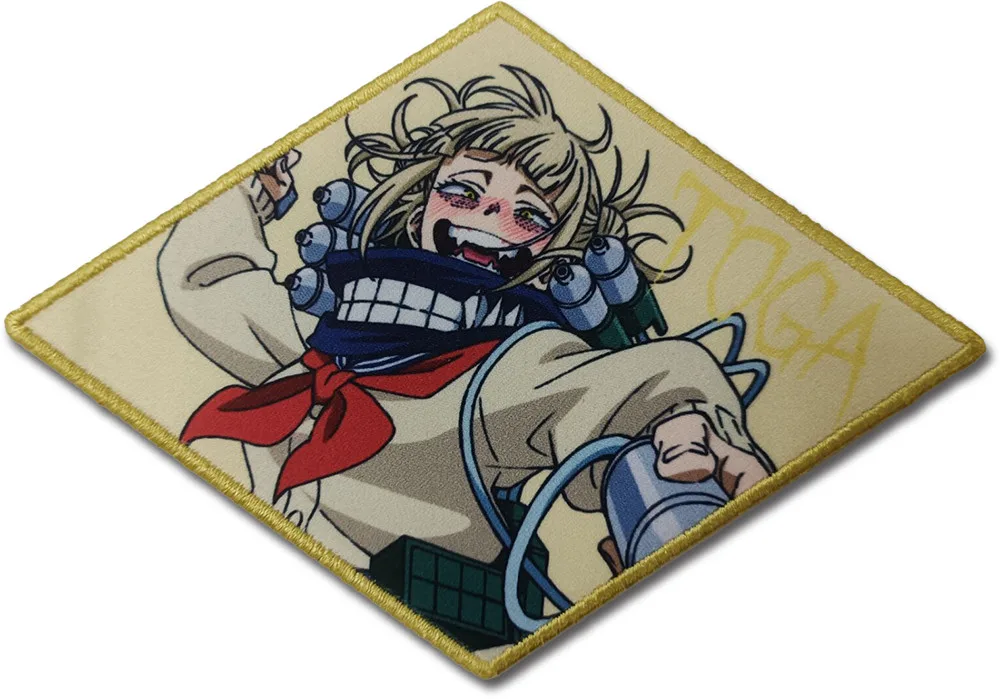
Patches need the least work. Brush off lint, spot-clean the embroidered area with a barely damp cloth, and let it air dry flat so the backing does not warp.
Wear and carry them with a buffer
If a keychain rides with your keys, it will scratch, no matter how careful you are. Give it its own pocket, clip it to an inner loop, or use a small fabric sleeve. On a bag, attach charms where they will not knock against zipper pulls, buckles, or each other.
For necklaces, put the piece on after perfume, lotion, and hairspray have dried, and take it off before showering, swimming, or working out. Sweat and chlorinated water are the two fastest ways to dull plating. In humid weather, wipe the charm at the end of the day rather than leaving residue to sit overnight.
Rotation matters too. Wearing one necklace daily wears the clasp and the plating far faster than alternating between two or three pieces.
Your monthly charm maintenance steps
- Empty and inspect every pouch: Lay each keychain and necklace on a clean towel and look for dull spots, green residue, bent jump rings, and fraying cords. Catch a stretched jump ring now, before it opens and drops the charm.
- Wipe metal dry, then acrylic dry: Use one microfiber cloth for metal and a separate one for acrylic and printed pieces so abrasive metal dust never touches plastic. Never use the same cloth on both; grit transfers.
- Check and tighten clasps and loops: Gently squeeze jump rings closed with flat-nose pliers and test the necklace clasp a few times. Do not force a stiff clasp. If a ring is cracked rather than open, replace it instead of squeezing it.
- Refresh the storage environment: Replace silica packets, air out the box for an hour, and move it away from windows, heaters, and bathrooms. Dry and dark beats airtight and humid.
- Rotate what you actually wear: Choose two or three pieces for the coming month and store the rest. Note which charm shows wear first. The piece that wears fastest is the one that needs a sleeve or a different attachment point.
Catalog details worth knowing
- Oreimo 2: Necklace - Kirino(101000022285) - Entertainment Hobby Shop Jungle: Officially licensed Oreimo 2 necklace featuring Kirino, manufactured by GE Animation, described as suitable for everyday wear or display. Because it is licensed and intended for wear, it deserves the after-every-wear wipe routine rather than being tossed loose into a bag.
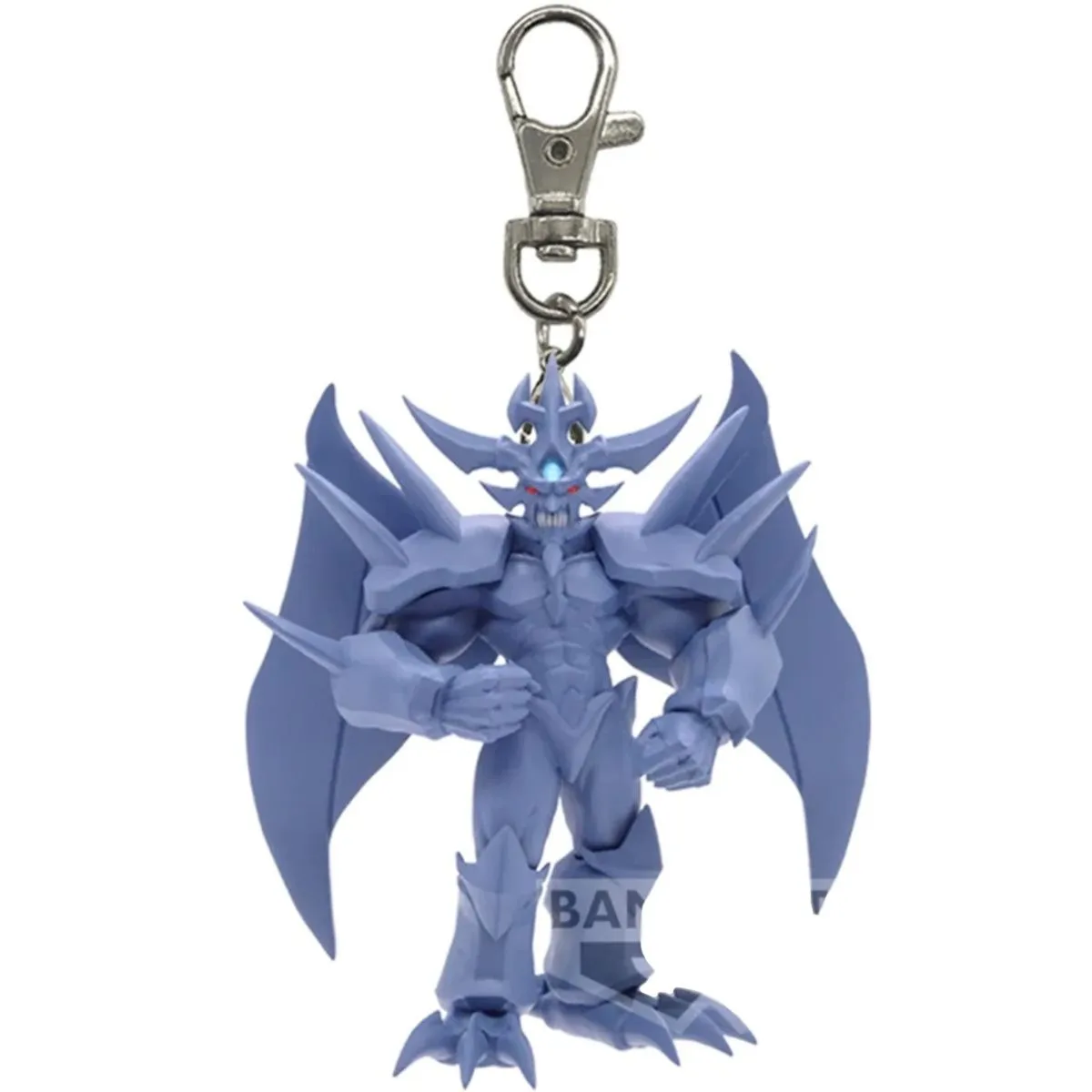
- Yu-Gi-Oh!: Key Chain - Obelisk the Tormentor(105103543) - Entertainment Hobby Shop Jungle: Yu-Gi-Oh! Obelisk the Tormentor key chain from Banpresto, 2024 release, approximately 2.5 inches. At roughly 2.5 inches it is large enough to swing against keys and zippers, so it benefits most from a dedicated pocket or sleeve.
- Ouran High School Host Club: Patch - SD Haruhi #2(105061285) - Entertainment Hobby Shop Jungle: Ouran High School Host Club SD Haruhi patch from GE Animation, 2023 release, approximately 3 inches, box approximately 2.5 x 3.5 inches. A patch this size stores flat and cleanly, so keep it in its box or a rigid sleeve instead of a soft pouch where the edges can curl.