Quick Answer
Hand wash cotton ribbon in cool water with a drop of mild soap, then air dry flat and press on low heat. Silk ribbon needs the same gentle approach but with even cooler water and no wringing. Store both rolled or loosely folded away from direct sunlight to prevent fading, creases, and fibre damage.
Ribbon is one of those supplies you reach for again and again, whether you are wrapping a gift, finishing a craft project, or adding a bow to a notebook. Cotton and silk ribbons are especially rewarding because they feel substantial and hold a knot beautifully. But they also respond to how you treat them. A little care goes a long way toward keeping them soft, smooth, and ready to reuse.
This guide walks through a simple maintenance routine that works for both cotton and silk ribbon. You will learn how to clean ribbon without damaging the weave, how to remove storage creases, and how to store ribbon so it stays tangle-free. The steps are straightforward, and most of the work happens in minutes rather than hours.
Why Cotton and Silk Ribbons Need Different Handling
Cotton ribbon is a plant fibre. It is relatively sturdy, tolerates lukewarm water, and can handle a slightly warmer iron than silk. It also tends to crease sharply if it is folded and left in a drawer, but those creases usually press out easily with steam. Silk ribbon is a protein fibre. It is stronger than it looks but more sensitive to heat, harsh detergents, and prolonged soaking. Hot water can dull its sheen, and a hot iron can scorch it permanently.
That difference matters when you are cleaning ribbon or trying to revive a crumpled length. Treat silk as the more delicate of the two and you will not go far wrong. If you are unsure which fibre you have, test a small length first. A quick touch with a warm iron on a hidden end will tell you whether the ribbon can take heat or needs a cooler approach.
- Cotton ribbon: cool to lukewarm water, medium-low iron, tolerates gentle squeezing.
- Silk ribbon: cool water only, low iron with a cloth barrier, never wring or twist.
- When in doubt, treat the ribbon as silk.
How to Hand Wash Cotton and Silk Ribbon
Start by filling a clean basin with cool water. Add a tiny amount of mild liquid soap, such as a gentle dish soap or a dedicated delicate wash. Swish the water to distribute the soap, then place the ribbon in and let it soak for no more than five minutes. Agitate it softly with your fingertips. Do not scrub, and do not leave it sitting in the water longer than needed. Rinse under cool running water until the water runs clear.
For cotton ribbon, you can gently squeeze out excess water between your palms. For silk ribbon, lay it flat on a clean towel and roll the towel up to absorb moisture. Never wring silk, because twisting can break fibres and leave permanent creases. If the ribbon has stubborn marks, spot-treat with a dab of soap on your finger before washing the whole length.
- Use cool water and a mild soap, never hot water or bleach.
- Soak for five minutes maximum; longer soaking can weaken fibres.
- Roll silk in a towel instead of wringing it.
Drying and Pressing Without Damaging the Ribbon
Air dry both cotton and silk ribbon flat on a clean towel or hang it over a padded hanger away from direct sun. Do not use a tumble dryer, and do not wring or twist the ribbon to speed drying. Once the ribbon is slightly damp, you can press it. Set your iron to the lowest heat that works for the fibre. For cotton, a medium-low setting with steam is usually fine. For silk, use a low setting and place a clean cotton cloth or pressing cloth between the iron and the ribbon.
Press in one direction, moving the iron along the length rather than back and forth. This helps avoid stretching the ribbon out of shape. If you are pressing a long length, work in sections and let each section cool before moving on. A final pass with the iron held just above the ribbon can release light creases without direct contact.
- Always test the iron on a hidden end first.
- Use a pressing cloth for silk to prevent scorching or shine marks.
- Press along the length, not across it, to keep the weave straight.
Everyday Ribbon Storage Tips That Prevent Tangles and Fading
How you store ribbon determines how much time you spend untangling it later. The simplest method is to roll each length around a piece of card or a small cardboard tube, then secure the end with a pin or a small piece of tape. Store rolls upright in a box or drawer so they do not flatten under weight. If you prefer to fold, fold loosely and avoid sharp creases. A shallow box with dividers works well for keeping colours and widths separate.
Light is the other enemy. Prolonged direct sunlight will fade both cotton and silk over time, so keep your ribbon stash in a cupboard or a closed container. Humidity can encourage mildew, especially in coastal climates, so avoid damp basements and steamy bathrooms. A simple acid-free tissue layer between delicate silk ribbons can also help prevent colour transfer if you are storing different shades together.
- Roll ribbon around card or tubes instead of knotting it.
- Keep stored ribbon out of direct sunlight to prevent fading.
- Avoid damp areas; a dry cupboard is ideal.
How to Refresh Ribbon That Looks Worn or Creased
If a ribbon has been stored folded for a while, it may look tired even if it is clean. A quick steam is often enough to bring it back. Hold the ribbon over a pot of simmering water for a few seconds, or use a handheld steamer on a low setting, keeping the nozzle a safe distance away. Let it dry flat. For cotton ribbon, a light mist of water followed by a low iron can also work. Silk responds well to hanging in a steamy bathroom for ten minutes, then smoothing flat.
If the ribbon is frayed at the ends, trim it with sharp scissors at a slight angle. For silk, you can also seal the cut end by passing it quickly near a flame, but this takes practice and is not necessary for most uses. A clean cut is usually enough. If the ribbon has lost its sheen or feels stiff, it may have been overheated or washed too harshly, and no amount of refreshing will fully restore it. In that case, retire it for craft projects where appearance matters less.
- Steam is the gentlest way to remove storage creases.
- Trim frayed ends at an angle with sharp scissors.
- Do not use a flame to seal silk unless you are experienced; a clean cut is safer.
Ribbon Care Routine: Step by Step
- Step 1: Sort by fibre: Separate cotton ribbon from silk ribbon before you clean or store anything. Cotton can handle slightly warmer water and a medium-low iron; silk needs cool water and a low iron with a pressing cloth. Checkpoint: if you cannot tell which is which, treat it as silk.
- Step 2: Pre-treat marks and trim frayed ends: Dab a tiny amount of mild soap on any visible marks with your fingertip. Trim frayed ends at a slight angle with sharp scissors so the ribbon looks neat before washing. Mistake to avoid: rubbing the mark aggressively, which can distort the weave.
- Step 3: Hand wash in cool water: Fill a basin with cool water and a drop of mild soap. Submerge the ribbon and agitate gently for no more than five minutes. Rinse until the water runs clear. Checkpoint: never leave ribbon soaking for long periods, and never use hot water.
- Step 4: Remove excess water carefully: For cotton, squeeze gently between your palms. For silk, lay the ribbon on a clean towel and roll the towel to absorb moisture. Do not wring or twist either fibre. Mistake to avoid: wringing silk, which can break fibres and set permanent creases.
- Step 5: Air dry flat: Lay the ribbon flat on a clean towel or hang it over a padded hanger in a shaded spot. Keep it out of direct sun and away from radiators. Checkpoint: the ribbon should be slightly damp before pressing, not bone dry.
- Step 6: Press on low heat: Set your iron to the lowest suitable heat. For cotton, medium-low with steam is usually fine. For silk, use low heat and a clean pressing cloth between the iron and the ribbon. Press along the length in one direction. Mistake to avoid: pressing back and forth, which can stretch the ribbon out of shape.
- Step 7: Store rolled or loosely folded: Roll each length around a card or tube and secure the end with a pin or tape. Store upright in a dry, dark cupboard. Keep different colours separated with acid-free tissue if needed. Checkpoint: if your ribbon is tangled or sun-faded, your storage method needs adjusting.
Stationery That Pairs Well with Ribbon
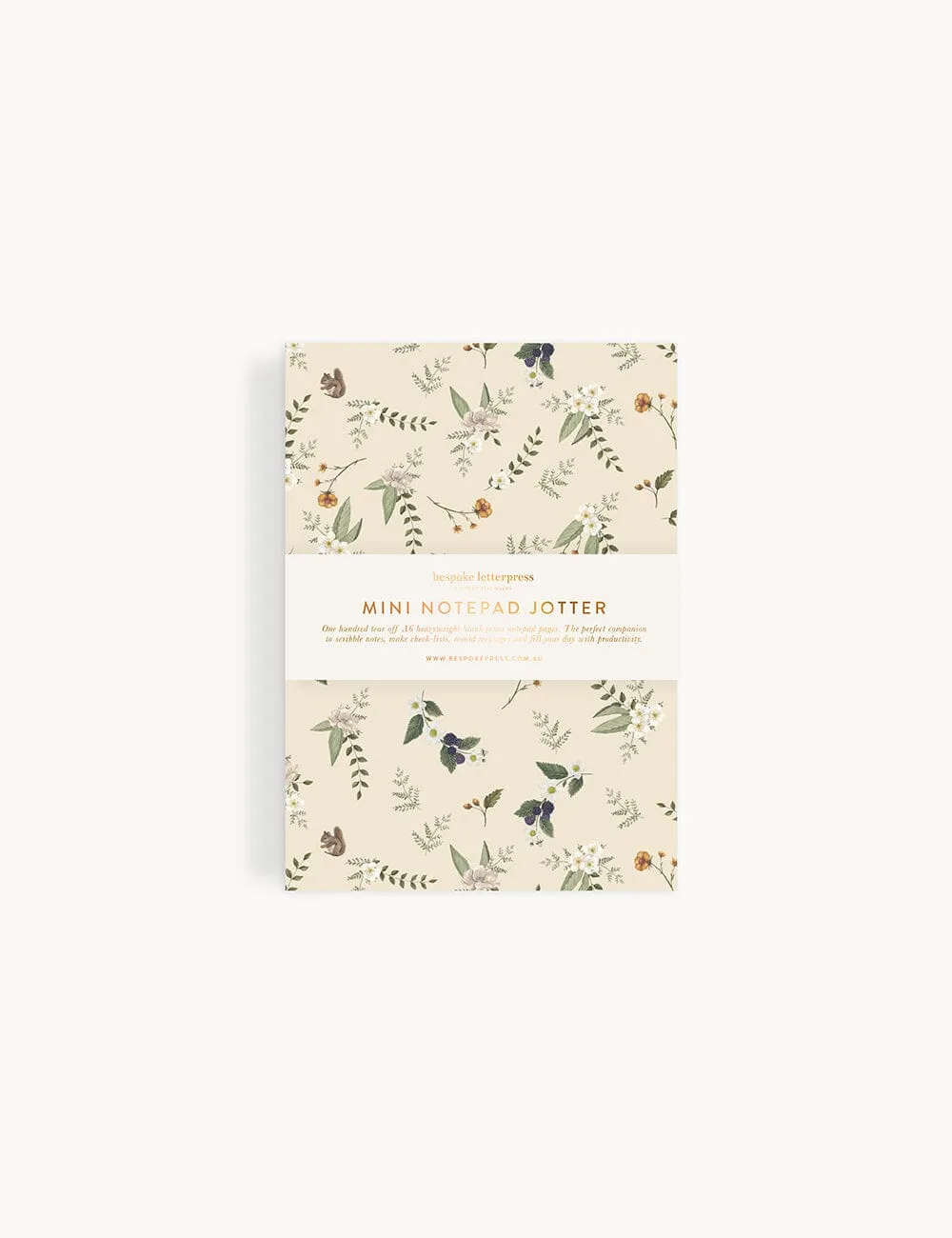
- Button Fern Notepad Mini Jotter: A6 notepad with 100 heavyweight tear-off blank pages, gummed edge, and a heavyweight wrap-around cover with gold foil and gilded edges. A ribbon tied around this jotter makes a simple, thoughtful gift, and the sturdy cover holds up well without needing extra protection.
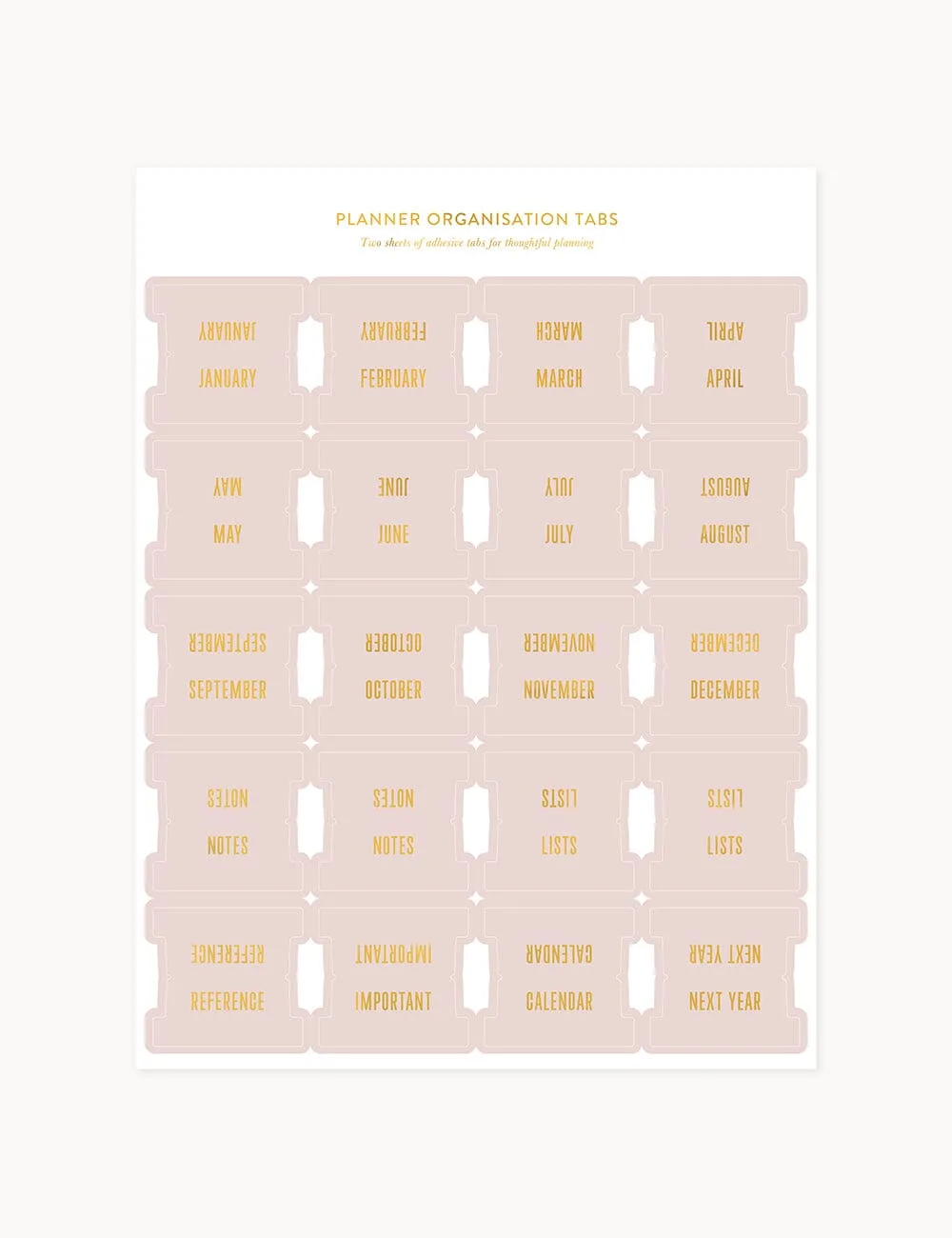
- Planner Tab Stickers - Orchid Pink: Designed to be placed by hand: adhere one side, fold along the centre, then secure to the back of the page. If you use ribbon to mark a planner section, these tabs give you a cleaner, repositionable alternative that will not crush the ribbon's weave.
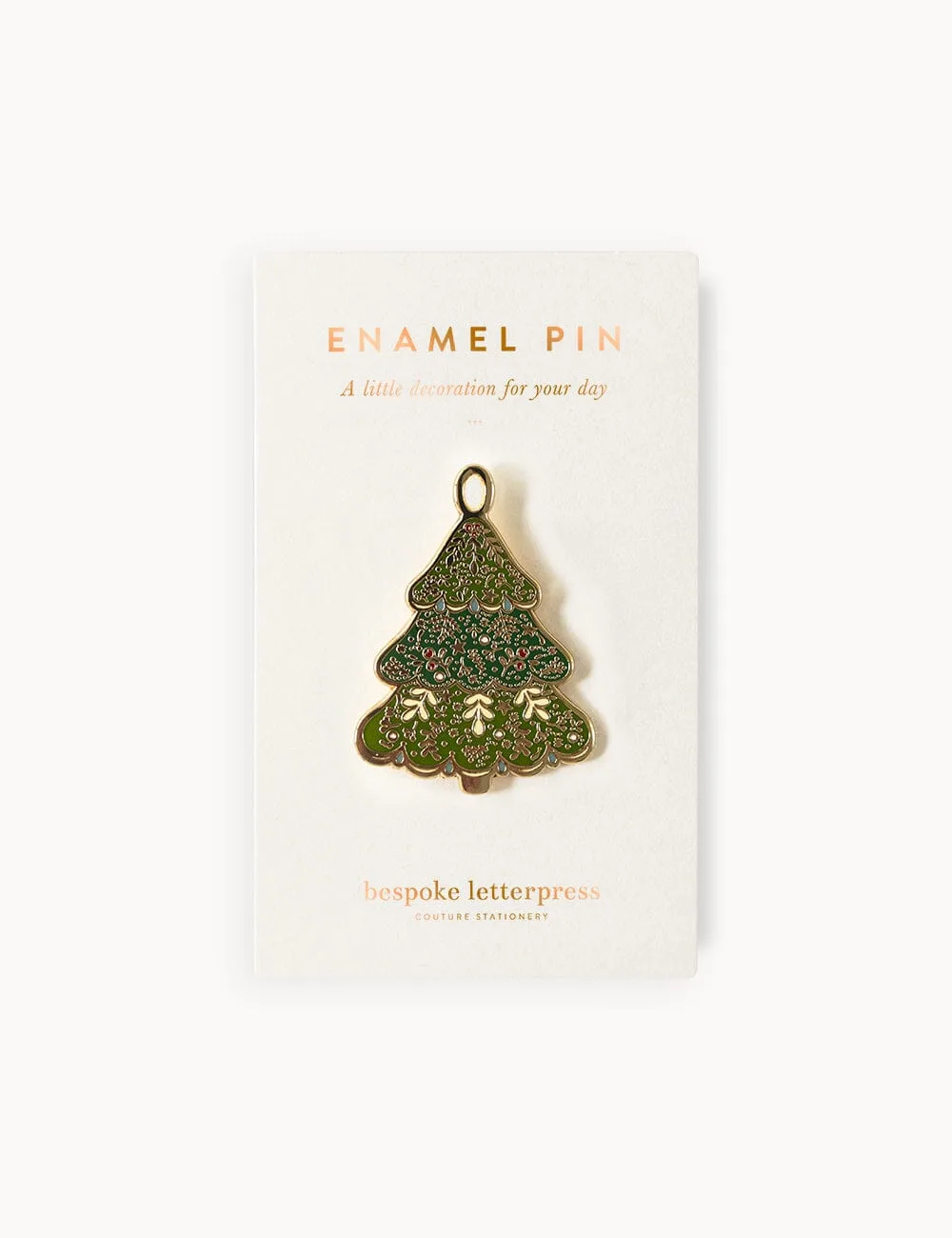
- Christmas Tree Enamel Pin: Fine enamel pin with a secure butterfly clip, suitable for a backpack, lapel, scarf, or accessories. A small silk ribbon loop makes a neat display hanger for this pin, and the pin's smooth enamel surface will not snag the ribbon.
Caring for cotton and silk ribbon is mostly about avoiding extremes: cool water instead of hot, low heat instead of high, and a dark dry drawer instead of a sunny shelf. Follow the steps above and your ribbon will stay smooth, strong, and ready to reuse for gift wrapping, crafts, and stationery projects.