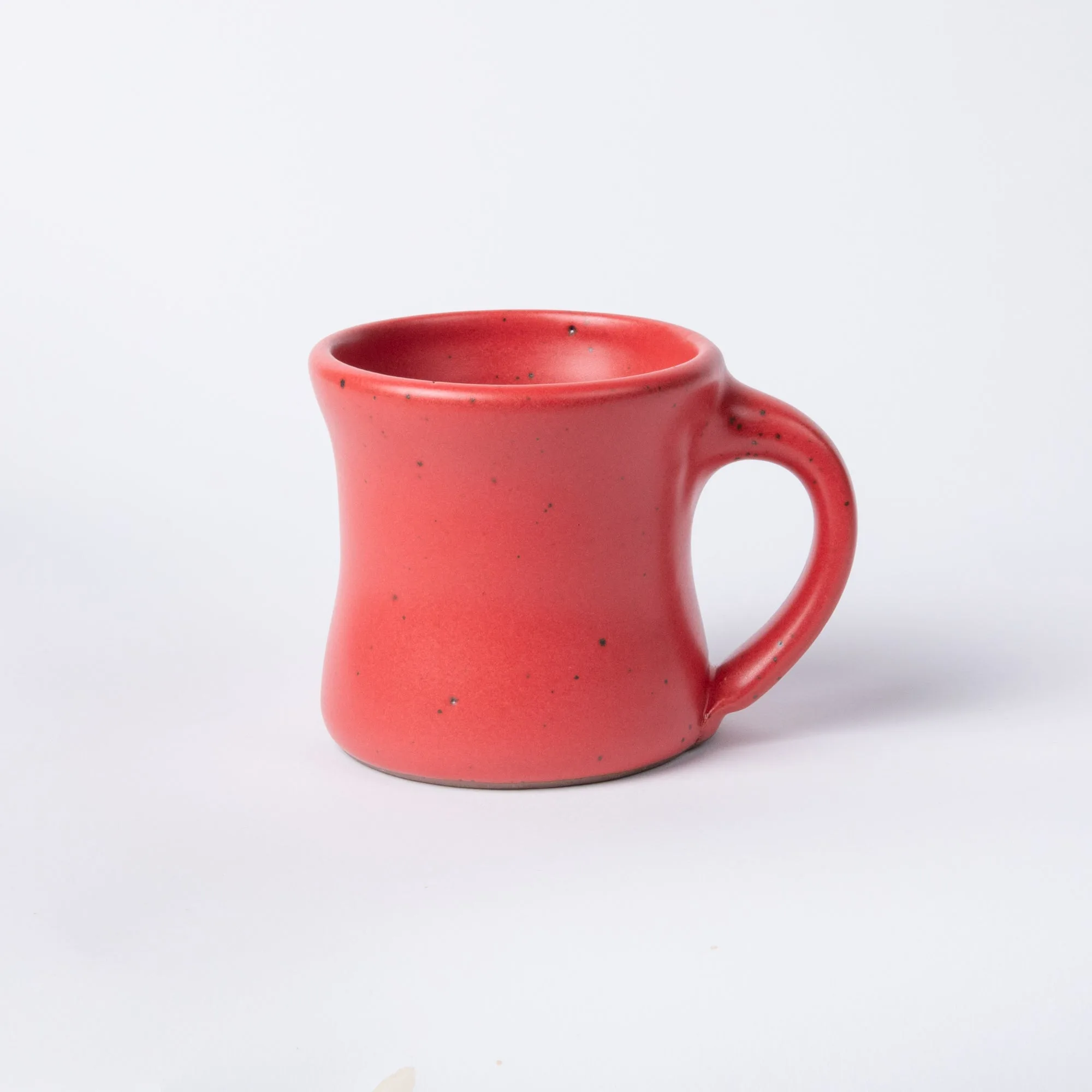
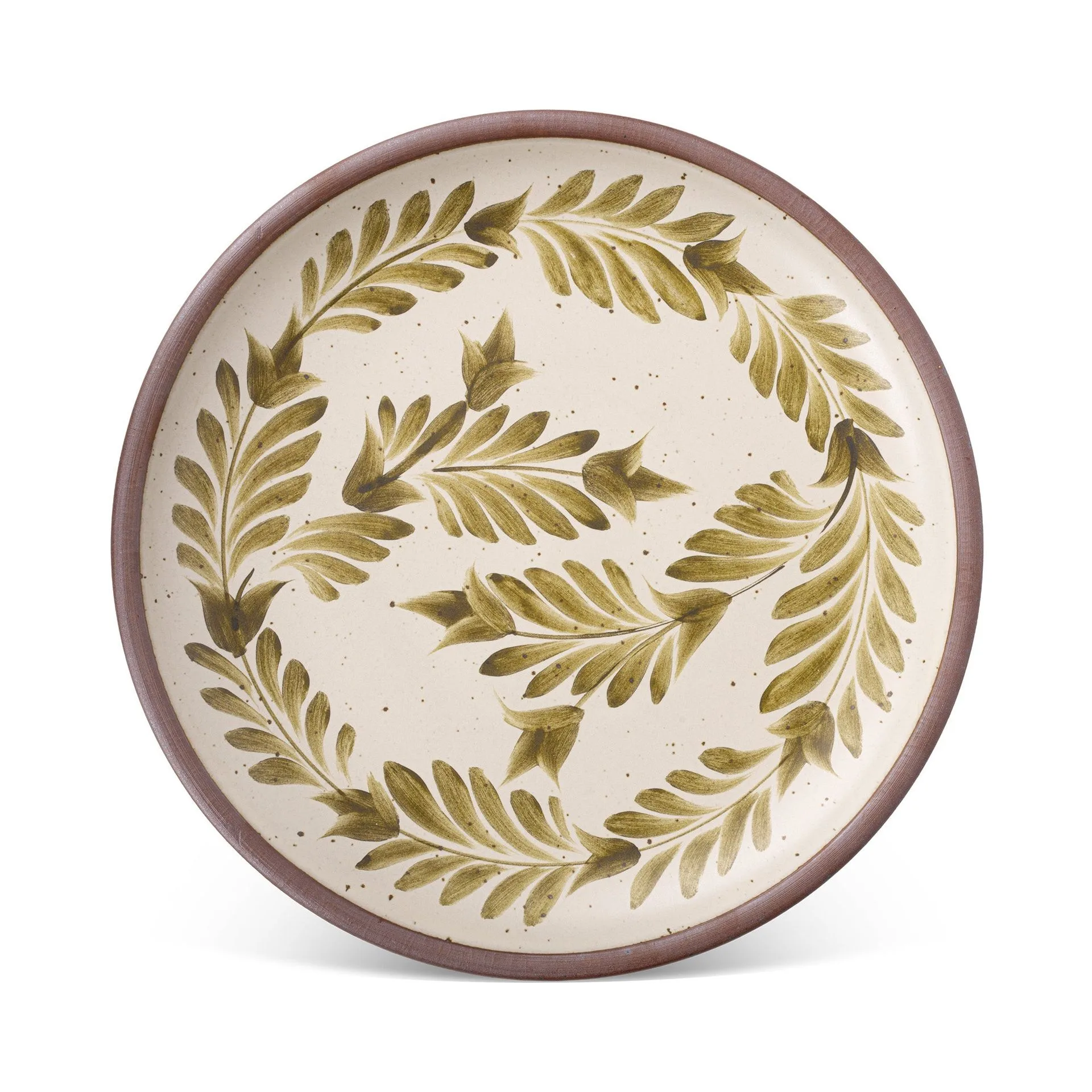
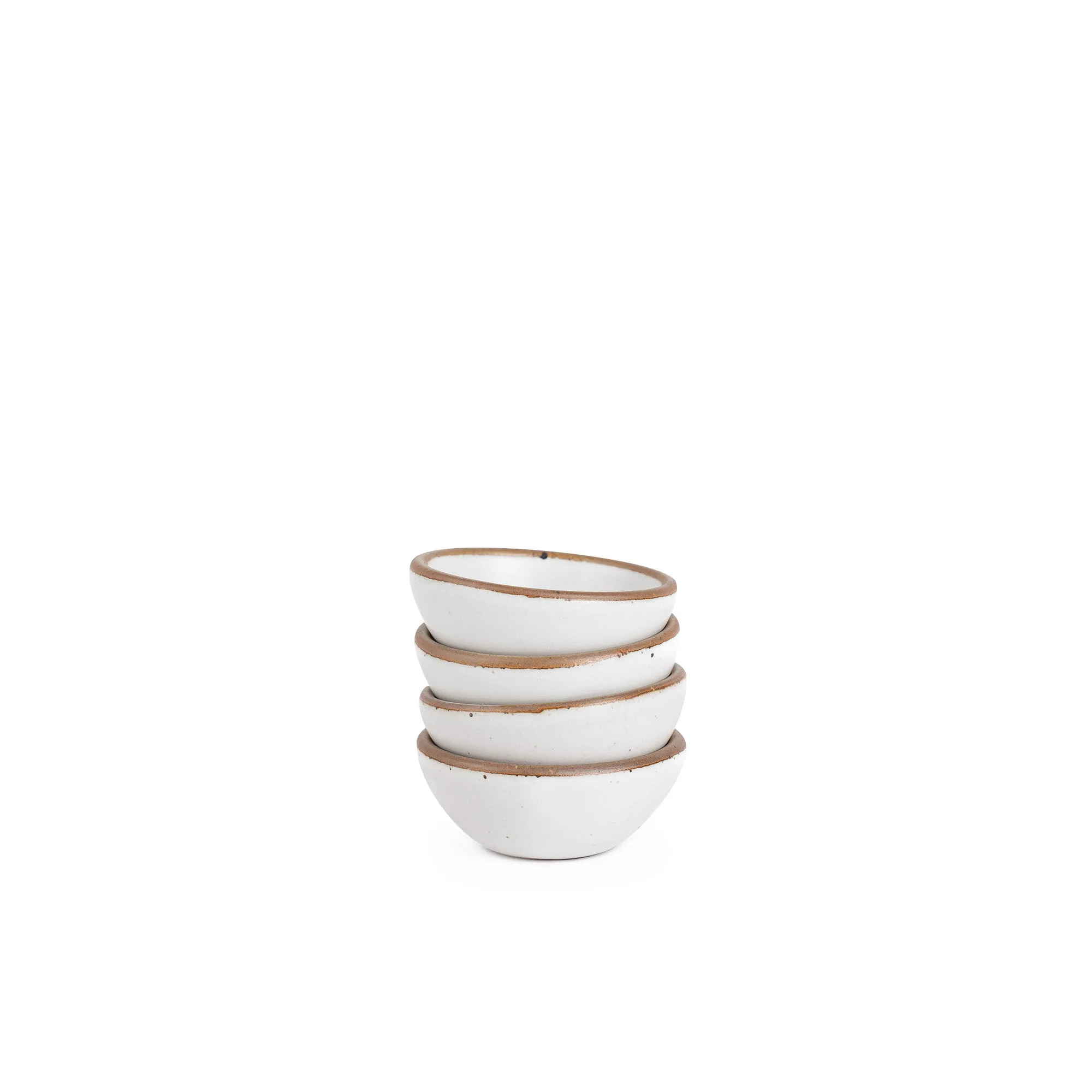
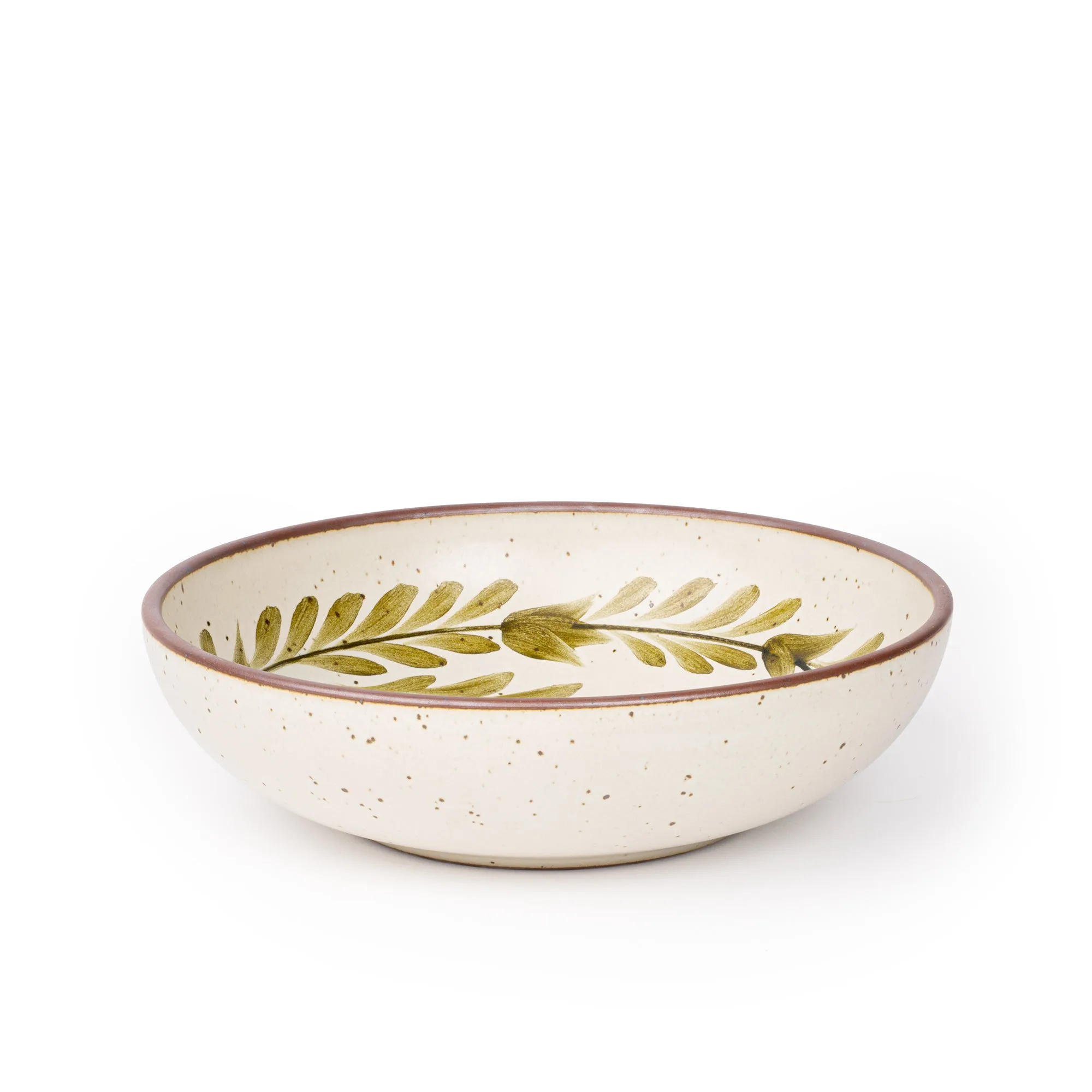
Handmade pottery adds warmth, character, and a touch of artistry to your everyday table. Whether you’ve invested in a set of artisanal mugs, a hand-thrown serving bowl, or a delicate carafe, each piece carries the unique imprint of its maker. But unlike mass-produced ceramics, handmade pottery often requires a bit more care to maintain its beauty and functionality over time. From avoiding thermal shock to choosing the right cleaning tools, understanding the nuances of ceramic maintenance can extend the life of your treasured pieces significantly.
In this guide, we’ll walk you through the best practices for cleaning, storing, and caring for your handmade pottery. Whether you’re a long-time collector or just beginning to build your collection, these tips will help you keep your ceramics looking as vibrant and sturdy as the day they arrived. We’ll also highlight a few essential products from East Fork that can simplify your care routine and protect your investment.
Understanding Your Pottery: Glazes, Firing, and Durability
Not all handmade pottery is created equal. The durability of a ceramic piece depends largely on its clay body, glaze composition, and firing temperature. Stoneware and porcelain, for example, are fired at high temperatures (typically above 2,200°F), making them vitrified and non-porous. This means they are generally dishwasher-safe, microwave-safe, and resistant to chipping. Earthenware, fired at lower temperatures, is more porous and may require gentler handling. Always check the care instructions provided by the potter or retailer. East Fork’s stoneware, for instance, is designed to be both durable and beautiful, but even the strongest ceramics benefit from mindful care.
Glazes also play a crucial role. A well-applied glaze not only adds color and texture but also seals the clay, preventing moisture absorption and staining. However, some glazes—especially matte or reactive finishes—can be more susceptible to scratching or marking. Understanding the specific properties of your pottery will help you choose the right cleaning methods and avoid common pitfalls like using abrasive sponges or harsh detergents. When in doubt, treat each piece as if it were a delicate heirloom.
- Stoneware and porcelain are typically dishwasher and microwave safe, but hand washing is always gentler.
- Matte glazes may show wear faster than glossy ones; avoid scouring pads on matte surfaces.
- If your pottery has metallic accents, hand wash only to prevent tarnishing.
Daily Cleaning: Gentle Methods for Lasting Beauty
For everyday cleaning, warm water and a mild dish soap are all you need. Use a soft sponge or a natural bristle brush to gently remove food residue. Avoid steel wool, abrasive scrubbers, or harsh chemical cleaners, as these can scratch the glaze or dull its finish. For stubborn stains or dried-on food, soak the piece in warm soapy water for 10–15 minutes before scrubbing. A paste of baking soda and water can also work wonders on coffee or tea stains without damaging the surface.
One of the best tools for gentle yet effective cleaning is a natural bristle brush. East Fork’s Natural Bristle Kitchen Scrub is an excellent choice for reaching into the crevices of mugs, bowls, and carafes without scratching the glaze. Its stiff but soft bristles lift away residue while being kind to your ceramics. For more delicate pieces, consider using a soft cloth or a non-abrasive sponge. Always rinse thoroughly and dry immediately with a lint-free towel to prevent water spots or mineral buildup.
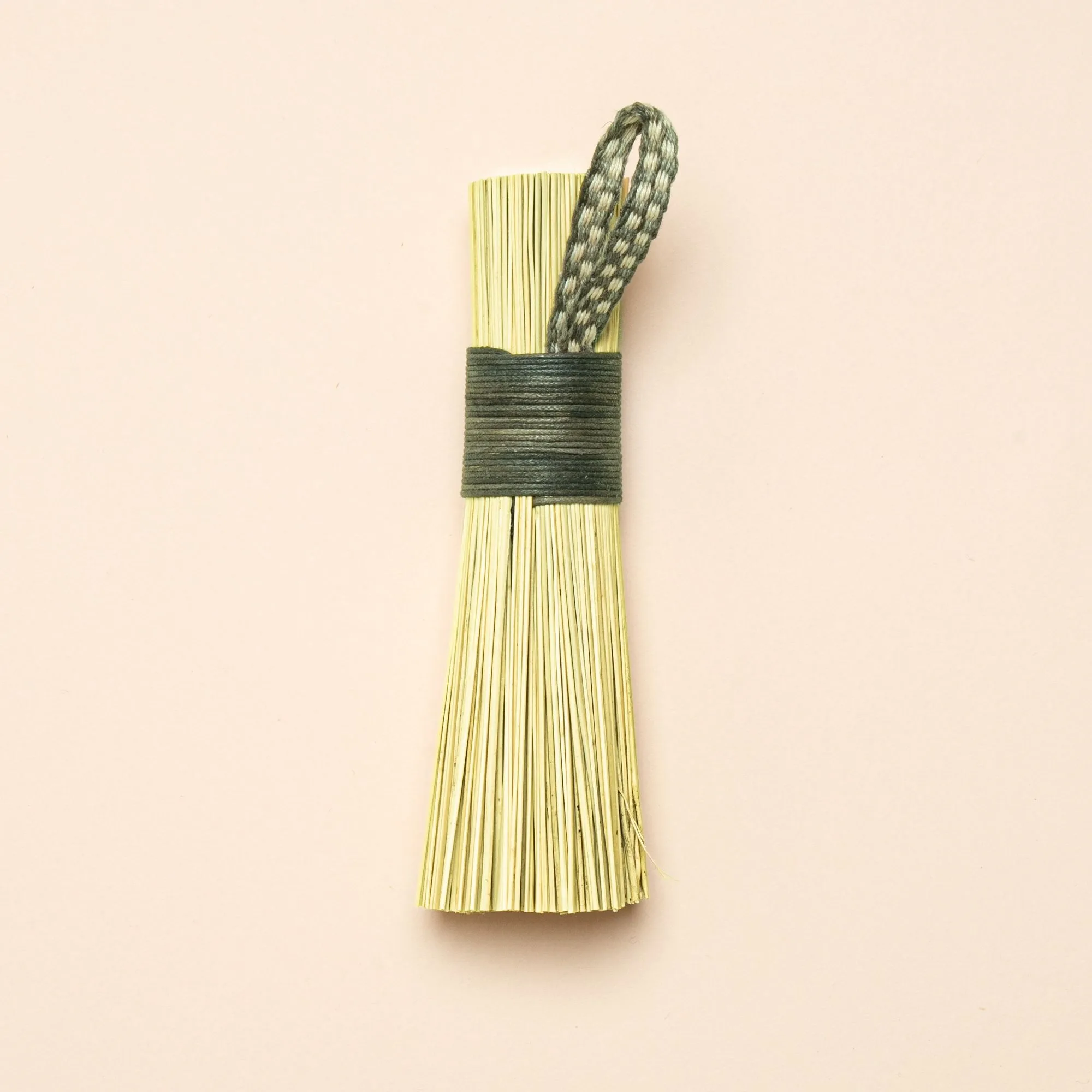
Natural Bristle Kitchen Scrub
- Use a natural bristle brush like the Natural Bristle Kitchen Scrub for gentle yet effective cleaning.
- Avoid soaking pottery with unglazed bottoms for extended periods to prevent water absorption.
- Dry immediately after washing to prevent water spots and mineral deposits.
Handling Stains and Odors: Natural Solutions That Work
Over time, handmade pottery—especially mugs and teapots—can develop stains from coffee, tea, or tomato-based sauces. These stains are often harmless but can be unsightly. A simple solution is to make a paste of baking soda and water, apply it to the stained area, and let it sit for 15–20 minutes before rinsing. For tougher stains, add a splash of white vinegar to the paste. Avoid using bleach or chlorine-based cleaners, as they can damage the glaze and leave chemical residues.
Odors can also accumulate in pottery used for storing food or liquids. To freshen a piece, fill it with warm water and a tablespoon of baking soda, let it sit overnight, then rinse thoroughly. Alternatively, a diluted solution of white vinegar and water (1:3 ratio) can neutralize odors without harming the glaze. For pieces with narrow openings, like the Luisa Carafe, a bottle brush or a natural bristle scrubber is ideal for reaching inside. The Coconut Bristle Scrubber is another great option for this task, as its firm yet gentle bristles can clean tight curves and corners effectively.
- Baking soda paste is safe and effective for removing coffee and tea stains.
- Avoid bleach; it can damage the glaze and leave harmful residues.
- Use a bottle brush or natural bristle scrubber for narrow openings like carafes.
Storing Your Pottery: Preventing Chips, Cracks, and Scratches
Proper storage is just as important as cleaning when it comes to extending the life of your handmade pottery. Stacking bowls and plates directly on top of each other can lead to scratches, chips, or even cracks over time. To prevent this, place a soft barrier between stacked pieces—felt pads, paper towels, or cloth napkins work well. For plates, consider using plate separators or storing them vertically in a divided rack. Mugs and cups should be hung on hooks or stored with enough space between them to avoid bumping.
When storing pottery in cabinets or on open shelving, avoid overcrowding. Pieces that are too close together can easily knock into each other when you reach for one. If you have limited space, consider using a Linen Runner to line shelves—it adds a soft cushion and a touch of elegance while protecting the bottoms of your ceramics. For seasonal or occasional pieces, wrap them individually in acid-free tissue paper or soft cloth before placing them in a sturdy box. Avoid stacking heavy pieces on top of lighter, more delicate ones.
- Use felt pads or cloth liners between stacked bowls and plates.
- Store mugs on hooks or with space between them to prevent clinking.
- Wrap seasonal pottery in acid-free tissue paper for long-term storage.
Avoiding Thermal Shock: The Silent Enemy of Ceramics
Thermal shock occurs when pottery is exposed to sudden, extreme temperature changes. For example, placing a cold ceramic dish directly into a hot oven, or pouring boiling water into a chilled mug, can cause the material to expand or contract too quickly, leading to cracks or even shattering. To avoid this, always allow your pottery to come to room temperature before exposing it to heat or cold. If you’re preheating an oven, place the dish inside while the oven is still cool, then let it heat up gradually.
Similarly, when using handmade pottery for hot beverages, pre-warm the cup by rinsing it with hot water before adding boiling liquid. This simple step reduces the temperature gradient and protects the glaze. For pieces like the East Fork Enamel Dinnerware, which combines ceramic with an enamel coating, thermal shock resistance is generally higher, but it’s still wise to follow the same precautions. Never use handmade pottery on a stovetop or under a broiler unless it is explicitly labeled as cookware-safe.
- Allow pottery to reach room temperature before heating or cooling.
- Pre-warm mugs and cups with hot water before adding boiling liquids.
- Never place frozen or refrigerated pottery directly into a hot oven.
When to Hand Wash vs. Use the Dishwasher
While many handmade stoneware and porcelain pieces are labeled dishwasher-safe, hand washing is always the gentler option. Dishwasher detergents can be harsh on glazes over time, especially on matte or reactive finishes. The high heat and water pressure can also cause wear on any metallic accents or delicate decorations. If you do choose to use the dishwasher, place pottery on the top rack, away from the heating element, and use a gentle cycle with a mild detergent.
For pieces that you truly treasure, make hand washing a ritual. Use warm water, a soft sponge or natural bristle brush, and a mild soap. The Ripple Glassware, for instance, is beautiful but delicate; hand washing will preserve its clarity and prevent etching from dishwasher detergents. Similarly, items like the Etched Thistle Glassware benefit from gentle handling to keep their intricate designs intact. When in doubt, the safest choice is always to wash by hand.
- Hand washing extends the life of glazes and prevents etching.
- If using a dishwasher, place pottery on the top rack with a gentle cycle.
- Delicate glassware and etched pieces should always be hand washed.
Repairing Minor Damage: Crazing, Scratches, and Small Chips
Even with the best care, handmade pottery can sometimes develop minor imperfections. Crazing—a network of fine cracks in the glaze—is usually cosmetic and does not affect the piece’s functionality. However, it can trap moisture and bacteria over time, so it’s best to avoid using crazed pottery for storing food. If you notice small scratches on the glaze, they can often be buffed out with a soft cloth and a tiny amount of ceramic polish. Always test any polish on an inconspicuous area first.
For small chips, you have a few options. If the chip is on the rim or edge, you can gently smooth it with a fine-grit sandpaper (400–600 grit) and then re-seal the area with a food-safe ceramic sealant. For larger chips or cracks, it’s best to consult a professional ceramic restorer. Many potters also offer repair services for their pieces. Remember, a small chip doesn’t mean the piece is ruined—sometimes it adds character. But if you want to restore its original look, professional help is the safest route.
- Crazing is usually cosmetic but avoid using crazed pottery for food storage.
- Small scratches can be buffed with a soft cloth and ceramic polish.
- For chips, use fine-grit sandpaper and a food-safe sealant, or consult a professional.
Caring for your handmade pottery doesn’t have to be complicated. With a few simple habits—gentle cleaning, mindful storage, and avoiding thermal shock—you can enjoy your ceramics for decades. To make your care routine even easier, explore East Fork’s collection of cleaning tools and storage accessories. The Natural Bristle Kitchen Scrub is a perfect companion for daily cleaning, while the Linen Runner adds a protective layer to your shelves. Treat your pottery with the same care and intention that went into making it, and it will reward you with lasting beauty and function.