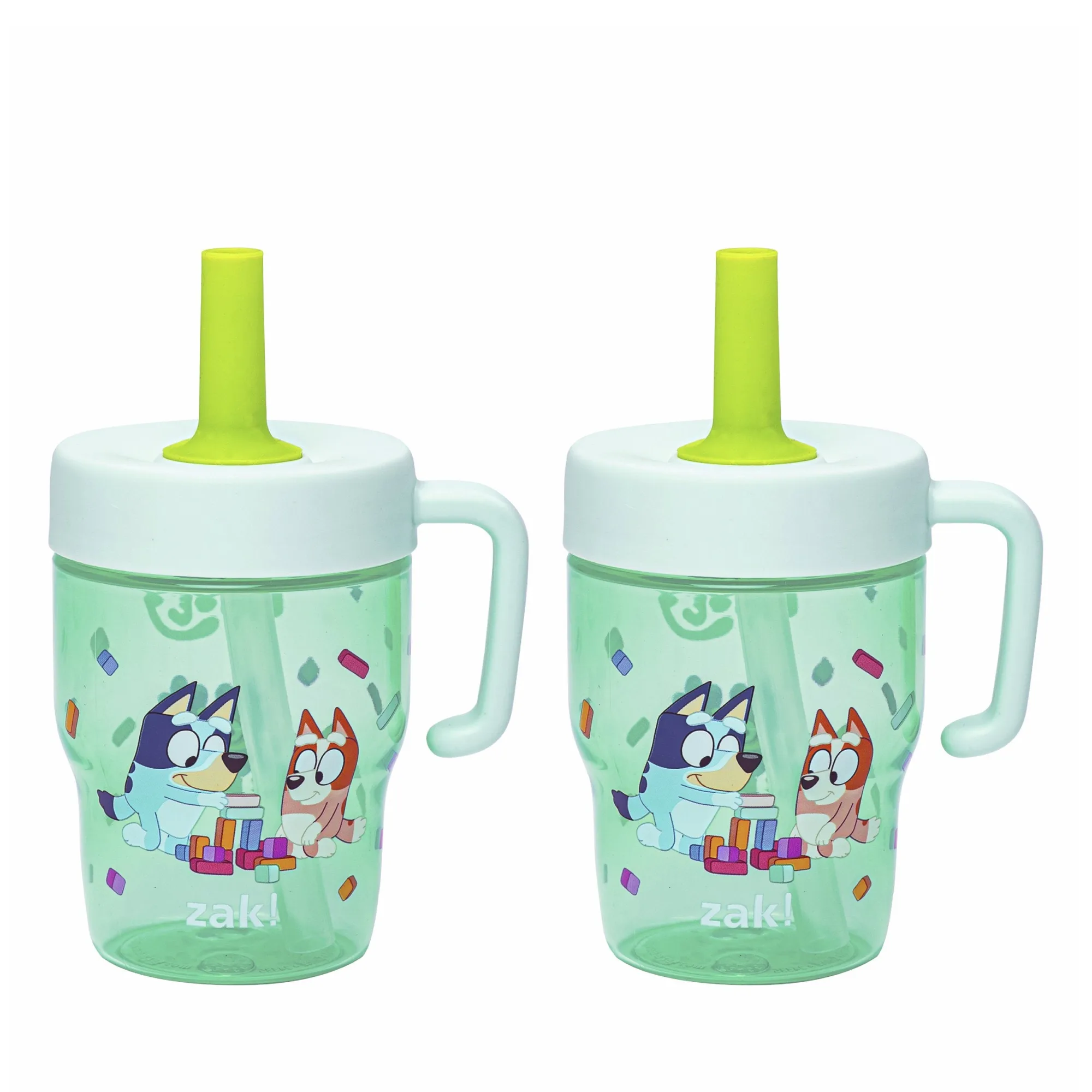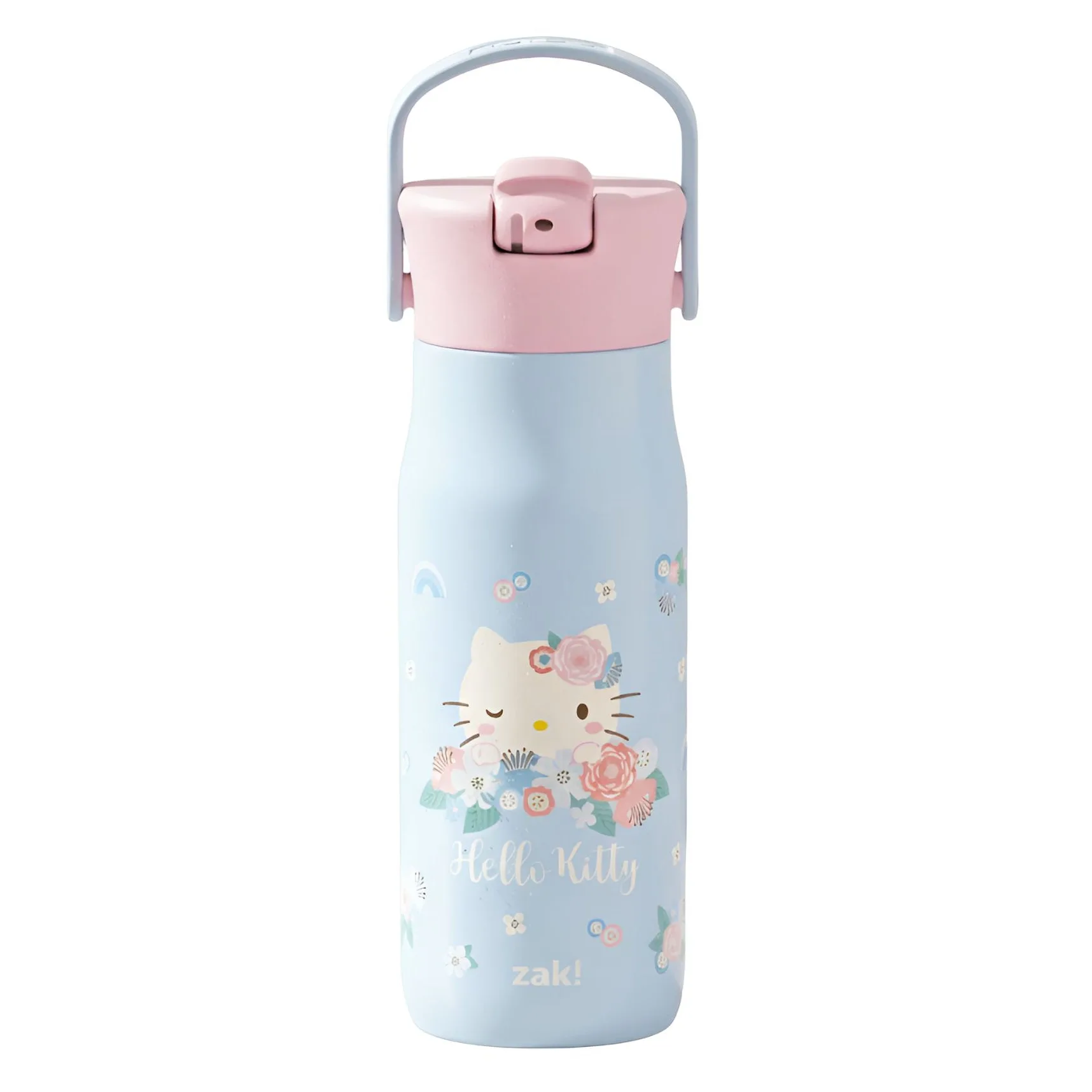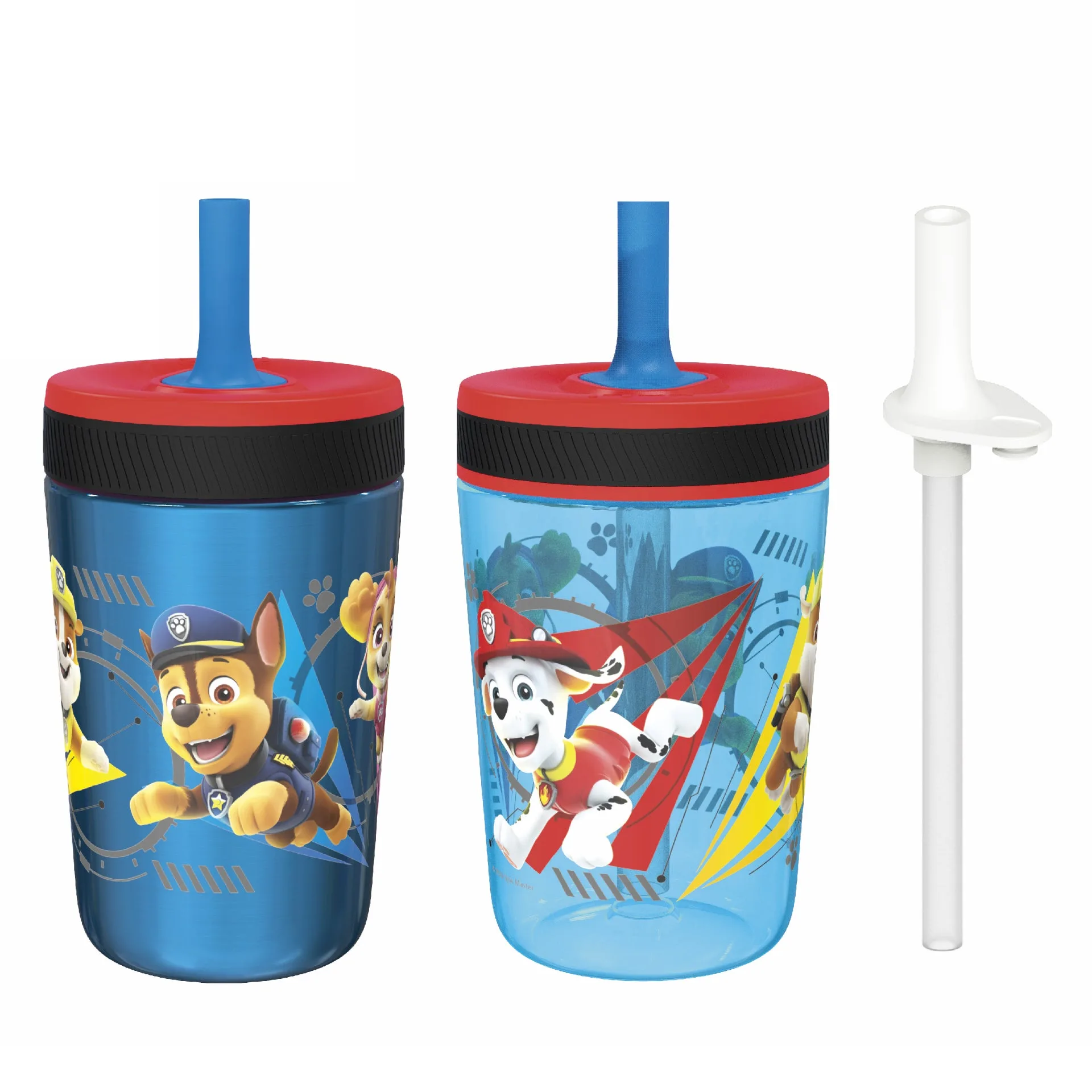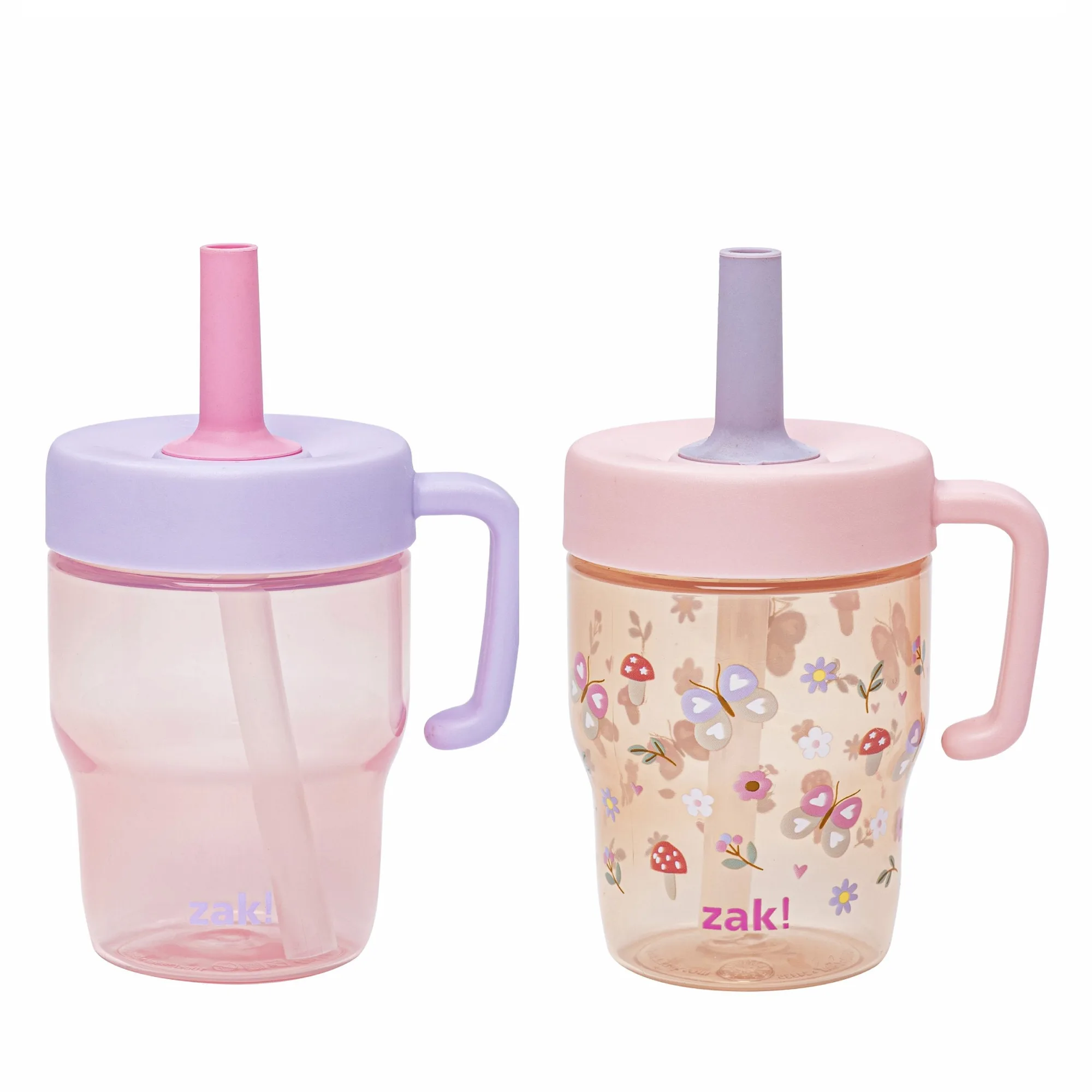
Investing in a quality insulated bottle is a smart choice for staying hydrated on the go, saving money on disposable cups, and reducing plastic waste. But even the best stainless steel bottle can lose its performance if not cared for properly. With just a few simple habits, you can keep your insulated bottle looking great and working efficiently for many years.
Whether you use a Sage Insulated Bottle 14 oz for daily commutes or a larger model for outdoor adventures, proper maintenance is key. In this guide, we'll cover everything from daily cleaning routines to storage tips that prevent odors, stains, and damage. Follow these steps to maximize your bottle's lifespan.
Why Proper Care Matters for Insulated Bottles
Insulated bottles are built with a double-wall vacuum seal that keeps your drinks cold or hot for hours. Over time, residue from coffee, tea, juice, or sports drinks can build up inside, leading to unpleasant odors or even mold. If not cleaned regularly, the vacuum seal itself can degrade if the bottle is dropped or exposed to extreme temperatures. By adopting a consistent care routine, you protect both the interior finish and the insulation performance.
Additionally, the exterior coating of many insulated bottles can scratch or fade if washed with abrasive materials. Knowing the right cleaning methods ensures your bottle remains visually appealing and functional. Simple steps like rinsing after every use and deep cleaning weekly make a big difference.
- Prevents bacterial growth and odors
- Preserves vacuum insulation efficiency
- Maintains exterior finish and color
Daily Cleaning Routine for Your Insulated Bottle
The easiest way to keep your insulated bottle fresh is to rinse it with warm water immediately after each use. For water-only drinks, a quick rinse is often sufficient. For coffee, tea, or flavored beverages, add a drop of mild dish soap and use a soft sponge or bottle brush to scrub the interior. Pay special attention to the threads of the cap and the rim, where residue can hide.
Avoid using bleach, chlorine-based cleaners, or harsh chemicals as they can damage the stainless steel lining. Also, never put your insulated bottle in the dishwasher unless the manufacturer explicitly states it is dishwasher-safe. High heat and harsh detergents can break down the vacuum seal over time. For most models, hand washing is the safest choice.
- Rinse immediately after use
- Use a soft bottle brush for deep cleaning
- Avoid dishwasher unless labeled safe
Deep Cleaning Methods for Stubborn Stains and Odors
Even with daily rinsing, your insulated bottle may develop coffee or tea stains or a lingering smell. A simple baking soda solution works wonders: mix one tablespoon of baking soda with warm water, fill the bottle, and let it sit for 15-20 minutes. Then scrub with a brush and rinse thoroughly. For tough odors, use a mixture of equal parts white vinegar and water, soak for 30 minutes, then rinse well.
Another effective method is using denture cleaning tablets. Drop one tablet into the bottle filled with warm water, let it fizz and soak for 30 minutes, then rinse. This is especially useful for bottles used with protein shakes or milk-based drinks. Always ensure no cleaning residue remains before your next use.
- Baking soda paste for stains
- Vinegar soak for odors
- Denture tablets for deep refresh
Proper Storage to Prevent Damage
When not in use, store your insulated bottle with the cap off to allow air circulation and prevent moisture buildup. This simple step helps avoid mold and mildew inside the bottle. Keep the bottle in a cool, dry place away from direct sunlight or extreme heat, as prolonged exposure can affect the exterior coating and vacuum seal.
If you plan to store your bottle for an extended period, ensure it is completely dry before putting it away. Avoid stacking heavy objects on top of the bottle, as this can dent the outer layer and compromise insulation. For bottles with straw lids or flip tops, check the seals periodically for wear and replace them as needed.
- Store with cap off to air dry
- Keep away from heat sources
- Check seals and gaskets regularly
Avoiding Common Mistakes That Shorten Bottle Lifespan
Many people unknowingly damage their insulated bottles by putting them in the freezer or microwave. Freezing can cause the vacuum seal to break, while microwaving can damage the steel and create hot spots. Also, avoid using metal scrubbers or abrasive sponges, which scratch the interior and exterior surfaces. Scratches can harbor bacteria and make cleaning harder.
Another common mistake is over-tightening the cap, which can strip the threads or damage the silicone gasket. Hand-tighten only until snug. Finally, never use your bottle to store carbonated beverages or dairy for long periods, as the pressure can cause leaks and the residue is difficult to clean. By avoiding these pitfalls, your bottle will stay in top condition.
- Do not freeze or microwave
- Use only soft cleaning tools
- Hand-tighten caps gently
When to Replace Your Insulated Bottle
Even with excellent care, every insulated bottle has a lifespan. Signs that it's time for a replacement include dents or dings that affect the vacuum seal, persistent odors even after deep cleaning, or a noticeable drop in temperature retention. If your bottle no longer keeps drinks cold for at least 6-8 hours, the insulation may be compromised.
Also check the cap and gasket for cracks or stiffness. Many brands offer replacement parts, so you may only need to swap out the lid. However, if the bottle body is damaged, it's safer to invest in a new one. Models like the Kelso Insulated Tumbler 12 oz offer durable construction and easy-to-clean designs, making them a great choice for long-term use.
- Check for dents and vacuum failure
- Replace caps if seals are worn
- Upgrade to a new bottle if performance drops
Caring for your insulated bottle doesn't have to be complicated. With a few minutes of daily attention and occasional deep cleaning, you can enjoy perfectly chilled water or hot coffee for years. Whether you're using a Sage Insulated Bottle 14 oz for your morning commute or a larger model for hiking, these simple habits will keep your drinkware performing at its best. Start your care routine today and make the most of your investment.