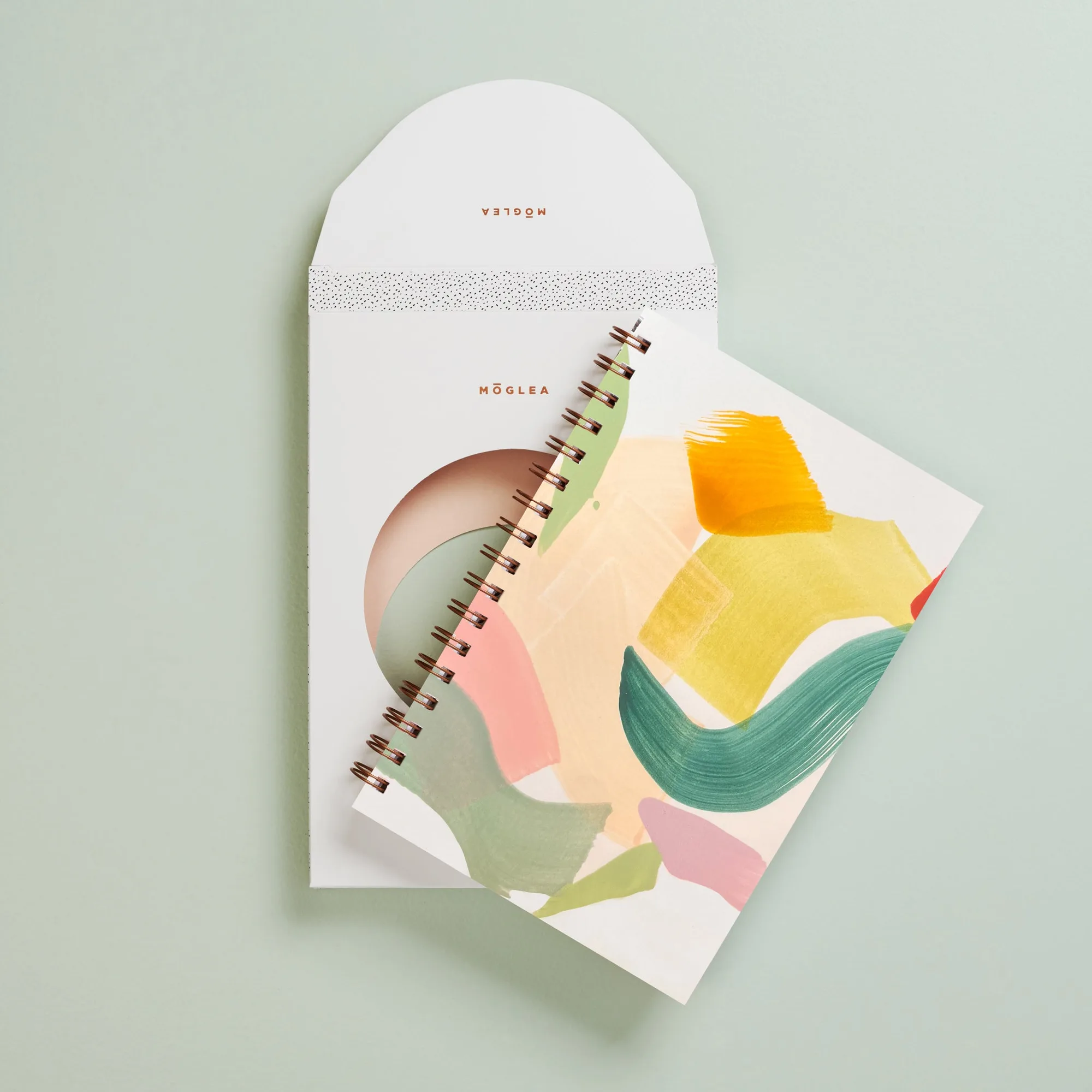
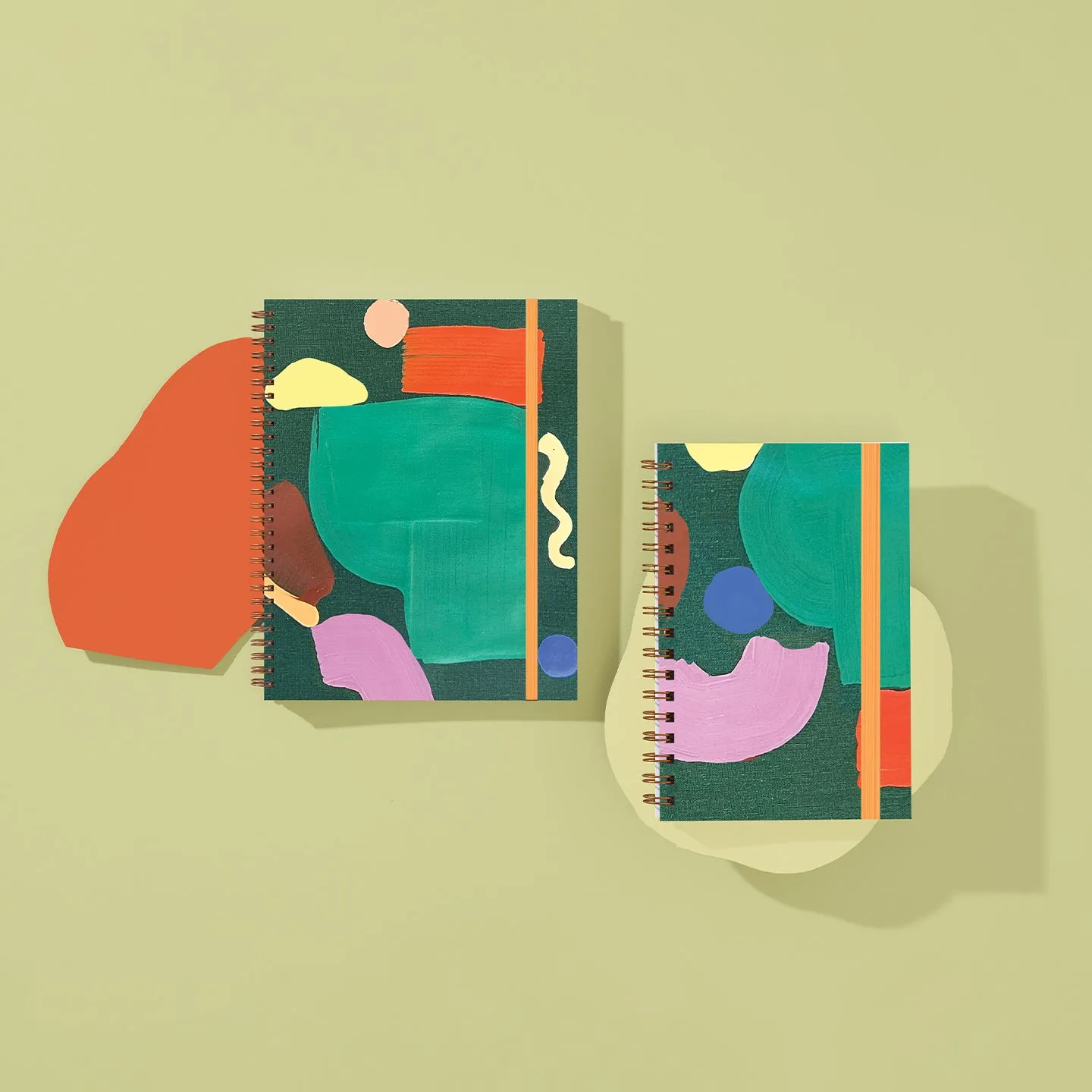
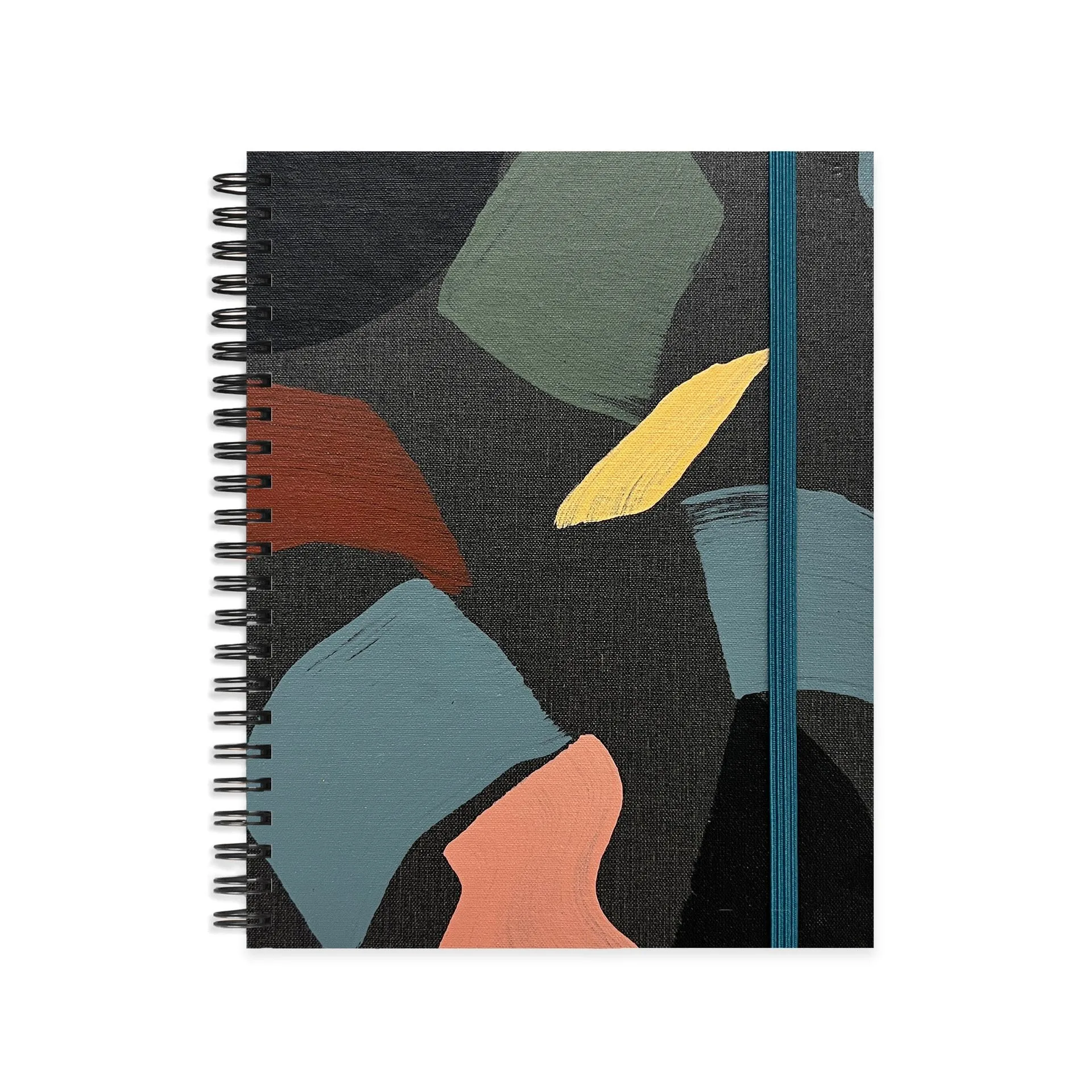
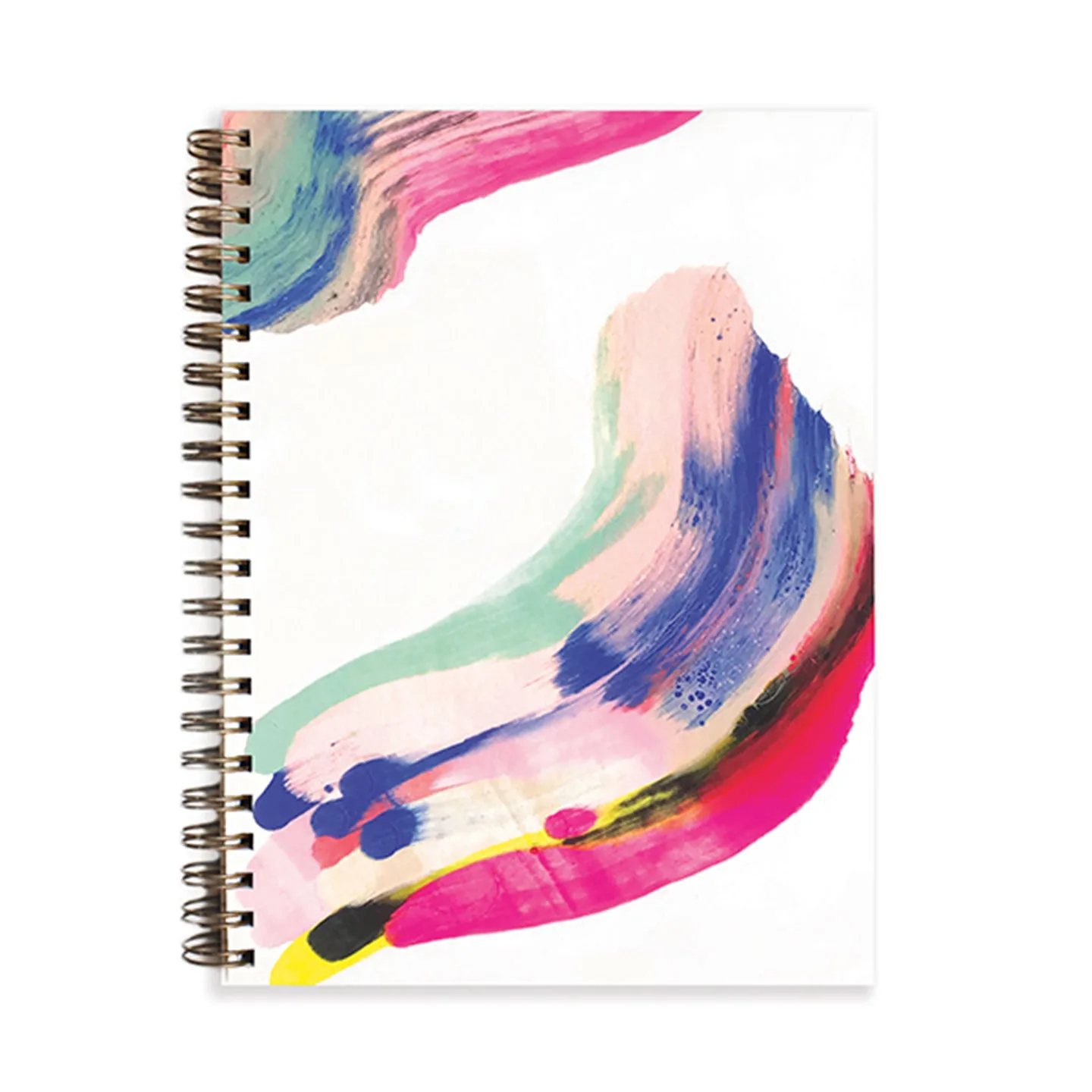
Moglea pulpboard notebooks are beloved for their eco-friendly construction, tactile covers, and the unique charm they bring to journaling, sketching, or note-taking. Made from recycled paperboard, these notebooks offer a sustainable alternative to traditional bound journals, but their soft, textured material requires a bit of extra care to maintain its appearance and durability over time. Whether you use your pulpboard notebook daily or keep it as a special keepsake, understanding how to protect it from wear will ensure it remains a cherished companion for years to come.
In this guide, we’ll walk you through practical steps for preserving your Moglea pulpboard notebook, including cover care, page maintenance, storage tips, and handling common issues like scuffs or bent corners. With a few simple habits, you can keep your notebook looking as lovely as the day you bought it.
Understanding Pulpboard: Why It Needs Special Care
Pulpboard is a dense, paper-based material made from recycled fibers, giving Moglea notebooks their signature matte finish and earthy feel. Unlike hardcover or leather-bound journals, pulpboard is more porous and susceptible to moisture, oil, and physical pressure. This means that even everyday handling—like resting your hand on the cover or placing the notebook in a bag—can leave marks over time. However, with proper care, pulpboard can develop a beautiful patina that adds character without compromising functionality.
The key to preserving your pulpboard notebook lies in understanding its limitations. It’s not waterproof, so spills or high humidity can cause warping or staining. It’s also less resistant to scuffs compared to laminated covers. But these traits are part of its appeal: each notebook tells a story through its wear. The goal isn’t to keep it pristine forever, but to prevent premature damage that could make it unusable.
- Avoid exposing your notebook to direct sunlight for extended periods, as UV rays can fade the cover’s color and weaken the fibers.
Daily Handling Tips for Long-Lasting Covers
Your pulpboard notebook’s cover is its first line of defense—and its most visible feature. Start by keeping your hands clean and dry when using it, as natural oils from your skin can transfer to the surface and create smudges or darkened spots. If you notice any marks, gently rub them with a soft, dry cloth; avoid using water or cleaning solutions, as moisture can soak into the pulpboard and cause it to swell or lose its shape.
When carrying your notebook in a bag, place it in a dedicated pocket or sleeve to prevent it from rubbing against keys, pens, or other items that could scratch or dent the cover. For extra protection, consider using a simple cloth pouch or wrapping it in a soft fabric. If you’re stacking multiple notebooks, avoid placing heavy objects on top, as pressure can crease the spine or flatten the cover’s texture.
- For a notebook like the Terre Sketchbook, which features a soft pulpboard cover, consider adding a clear adhesive cover to shield it from daily abrasion while still showing off its design.
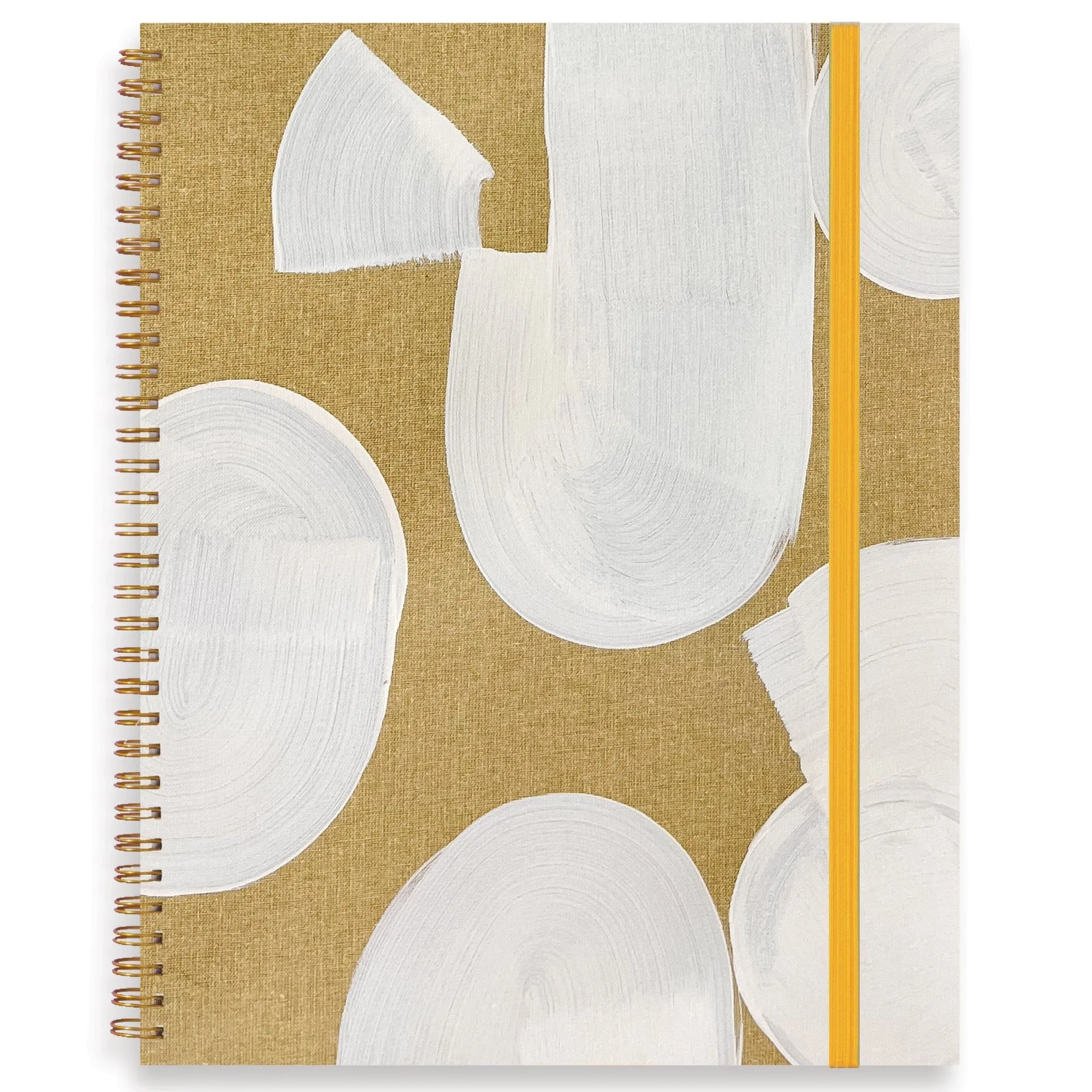
Terre Sketchbook
Protecting Pages from Tears, Creases, and Spills
The pages inside your Moglea pulpboard notebook are typically made from high-quality, acid-free paper that resists yellowing, but they still need care to stay smooth and intact. When writing, use a pen with a fine tip to avoid excessive pressure that could indent the page or cause ink bleed-through on thinner sheets. For sketching, test your medium on a scrap page first to ensure it doesn’t feather or warp the paper.
Accidental spills happen, but quick action can save your notebook. If liquid lands on a page, blot it immediately with a clean, dry cloth—don’t rub, as that can spread the moisture and tear the paper. Place a sheet of blotting paper or a paper towel between the wet page and the next one, then close the notebook and press it under a heavy book overnight. For minor creases, gently rub the area with a rounded object like a spoon handle to flatten the fibers.
- Store your notebook flat on a shelf rather than standing upright, as gravity can cause the pages to sag or the spine to loosen over time.
The Ideal Storage Environment for Pulpboard Notebooks
Where and how you store your Moglea pulpboard notebook significantly impacts its longevity. Aim for a cool, dry place with consistent temperature and humidity—ideally between 60-70°F (15-21°C) and 40-50% relative humidity. Avoid attics, basements, or bathrooms where moisture and temperature fluctuations can cause the pulpboard to expand, contract, or develop mold. A bookshelf in a living room or office is usually perfect.
If you have a collection of notebooks, like the Poppy Painted Composition or the Gift to This World, stack them horizontally with the largest at the bottom to distribute weight evenly. Use acid-free dividers between notebooks to prevent color transfer from covers to each other. For long-term storage, consider placing them in a archival-quality box with a lid, but leave a small gap for airflow to prevent trapped humidity.
- Never store your notebook in a plastic bag or airtight container, as condensation can form and damage both the cover and pages.
Cleaning and Refreshing a Worn Pulpboard Cover
Over time, your pulpboard notebook’s cover may accumulate dust, smudges, or minor scuffs. For routine cleaning, use a soft-bristled brush (like a clean paintbrush) to gently sweep away dust from the surface and spine crevices. For more stubborn marks, lightly dab a barely damp microfiber cloth on the affected area—remember, less moisture is better. Immediately blot with a dry cloth and let the notebook air-dry open for an hour.
If the corners become bent or frayed, you can reinforce them with a thin layer of clear bookbinding tape or a small piece of washi tape for a decorative fix. For deep scratches that expose the raw fiber, a very light application of beeswax (rubbed in with a soft cloth) can help seal the area and blend the color. Always test any treatment on an inconspicuous spot first. These small repairs can extend your notebook’s life significantly, especially if you use it frequently for journaling or sketching.
- For a notebook like the Echo Art Print, which has a printed design on pulpboard, avoid abrasive cleaners that could lift the ink.
When to Retire or Repurpose Your Pulpboard Notebook
Even with the best care, every notebook has a lifespan. Signs that your Moglea pulpboard notebook may need retirement include a loose or broken spine that prevents it from lying flat, pages that are too stained or torn to write on, or cover damage that exposes the inner fiberboard to moisture. But before you discard it, consider repurposing: use remaining blank pages for scrap paper, cut out interesting cover art for a collage, or turn the notebook into a keepsake box by removing the pages and reinforcing the cover.
Moglea’s commitment to sustainability means that even when a notebook is beyond use, its materials can often be recycled. Check your local recycling guidelines for paperboard products, or compost the pages (if they’re free of synthetic inks and adhesives). By giving your notebook a second life, you honor the eco-friendly spirit of the brand and reduce waste.
- Repurpose old notebook covers as bookmarks, gift tags, or decorative inserts for new journals—a creative way to preserve memories.
Caring for your Moglea pulpboard notebook doesn’t require elaborate routines—just a few mindful habits that protect its unique material while celebrating its natural beauty. By following these tips, you’ll keep your notebook functional and attractive through countless notes, sketches, and ideas. Ready to start a new journaling adventure? Explore the Poppy Painted Composition for a vibrant, pulpboard notebook that’s built to last with the right care.