Original oakleaf B SS camo is among the most sought-after WWII fabric patterns for collectors. Whether you own an original SS parka, a set of helmet covers, or a field-made item, the delicate nature of these 80-year-old textiles demands careful handling. The combination of cotton twill, water-repellent treatments, and age-related brittleness means that one wrong move can cause permanent damage.
This guide focuses on practical conservation methods for original SS camouflage pieces. We’ll cover cleaning, light exposure, humidity control, and storage techniques that help you enjoy your collection without accelerating deterioration. If you’re new to collecting oakleaf B patterns, these tips will help you avoid common mistakes that can reduce value and historical integrity.
Understanding the Fabric and Its Vulnerabilities
Original oakleaf B SS camo was printed on cotton twill, often with a water-repellent coating. Over decades, the cotton fibers become dry and brittle, especially along creases and seams. The green and brown dyes, while stable in many cases, can fade or shift color when exposed to UV light or harsh cleaning agents. The rubberized or waxed coatings used on some parkas can flake or crack if handled roughly.
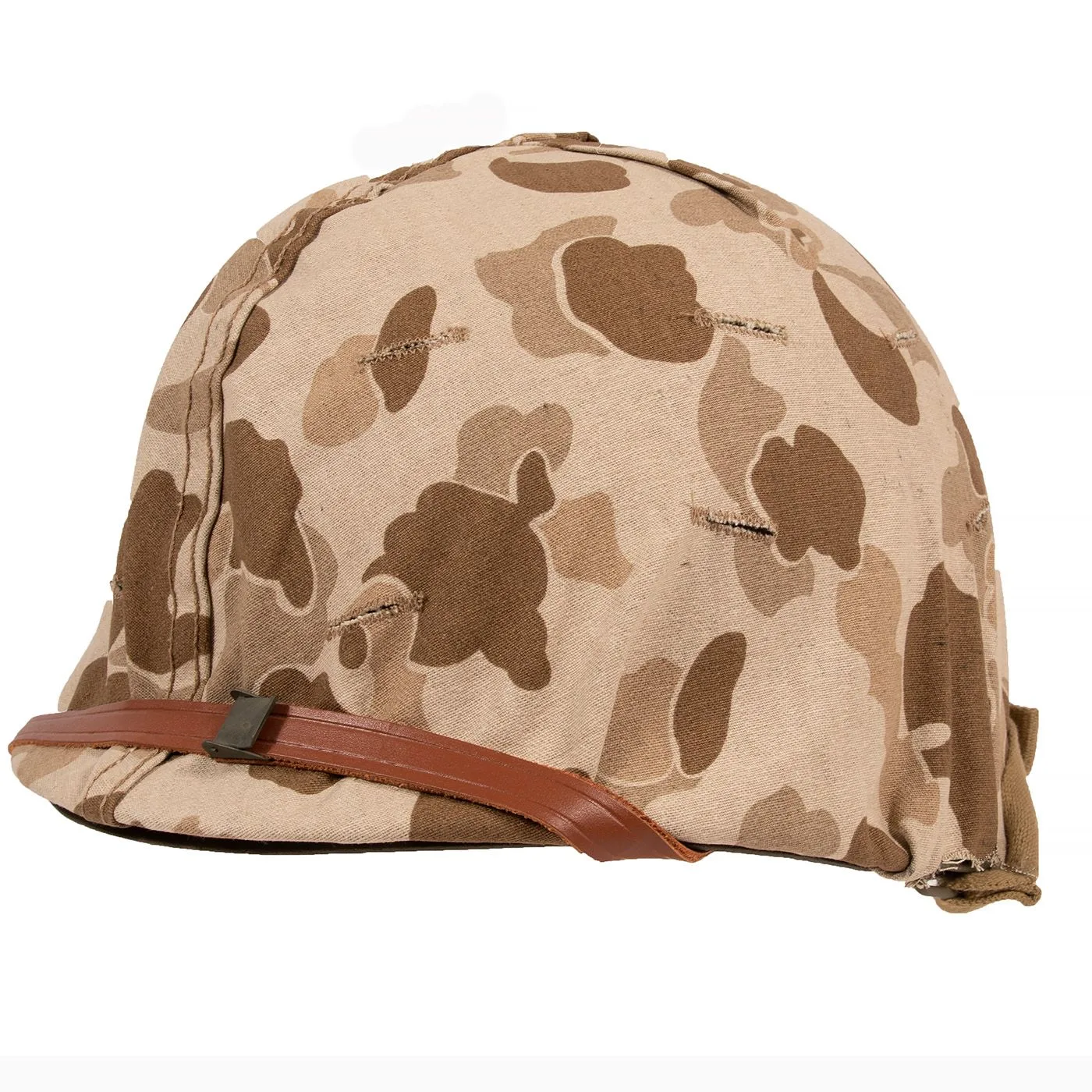
Collectors should note that many original pieces show age-related discoloration, especially where the fabric was folded or stored in contact with acidic materials like cardboard or newspaper. The M43 Oakleaf Helmet Cover, for instance, often survives in better condition because it was stored flat or rolled. Understanding these vulnerabilities helps you prioritize what needs attention and what is best left untouched.
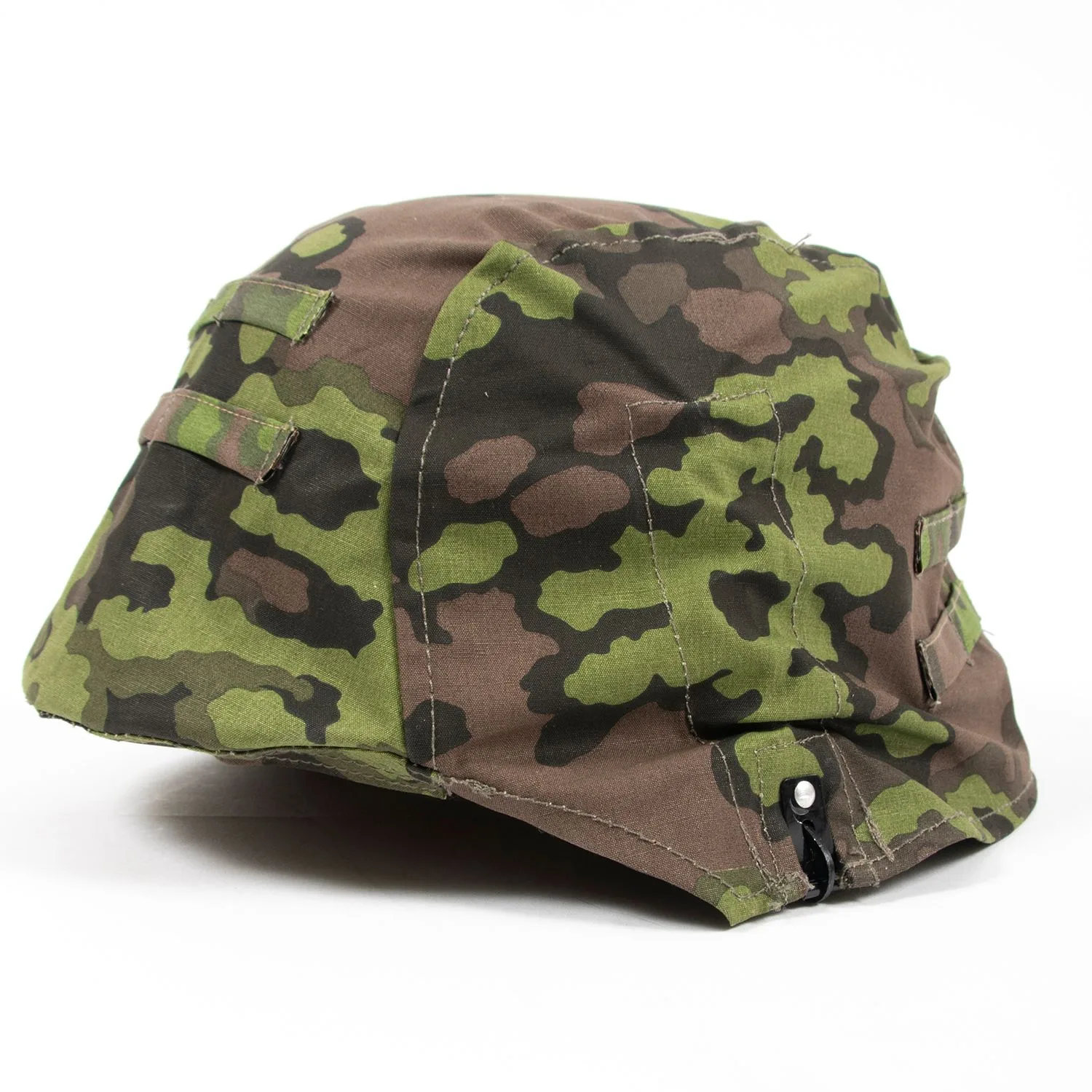
M43 Oakleaf Helmet Cover
- Avoid folding original camo fabric in the same place repeatedly—use padded hangers or flat storage.
- Do not attempt to remove water-repellent coatings; they are part of the historical finish.
- Check for existing damage like dry rot near seams before any handling.
Cleaning and Dust Removal Without Damage
Cleaning original oakleaf B SS camo should be approached with extreme caution. Dry cleaning solvents and detergents can strip dyes or react with aged waterproofing. The safest method is gentle vacuuming using a low-suction museum vacuum with a soft brush attachment. Hold the fabric taut but not stretched, and work in one direction to avoid snagging loose threads.
For surface dust on items like the M43 Oakleaf Helmet Cover, a soft, clean paintbrush or a microfiber cloth (used dry) can lift dust without pressure. Never rub or scrub. If you must address a stain, consult a textile conservator rather than attempting spot cleaning yourself. Water-based cleaning can cause dye bleeding or shrinkage that cannot be reversed.
- Use a HEPA-filtered vacuum on low power to avoid pulling fibers.
- Test any cleaning method on an inconspicuous area first—never on a visible panel.
- Avoid dry cleaning, washing, or soaking original camo fabric.
Controlling Light, Humidity, and Temperature
UV light is the fastest enemy of original SS camouflage. Display oakleaf B items in a room with no direct sunlight, and use UV-filtering glass in frames or display cases. Even indoor fluorescent and LED lights can emit low levels of UV, so consider museum-grade UV-filtering sleeves for garment bags. Rotate displayed pieces every few months to minimize uneven fading.
Humidity should stay between 40% and 50% relative humidity. Too high encourages mold and mildew; too low causes fibers to become brittle and crack. Use a hygrometer in your storage area and a humidifier or dehumidifier as needed. Temperature should remain stable, ideally between 18°C and 22°C (65°F–72°F). Avoid attics, basements, or garages where conditions fluctuate.
- Store original camo in acid-free tissue paper inside archival boxes.
- Never store camo in plastic dry-cleaning bags—they trap moisture and emit harmful gases.
- Place silica gel packs in storage containers to absorb excess moisture, but replace them regularly.
Handling and Displaying Original SS Camo
When handling original oakleaf B pieces, wear clean, white cotton gloves to prevent oils and dirt from your hands transferring to the fabric. Support the entire garment or cover when lifting—never pull from a single seam or strap. For large items like an original SS parka, lay it flat on a clean, padded surface to examine or photograph.
For display, use padded hangers for jackets and parkas, but avoid wire hangers that can leave rust marks or distort shoulder shapes. For helmet covers, display them on a padded mannequin head or a foam form that matches the original helmet shape. The WWII Carlisle Bandage, in O.D. tin, is a small, sturdy item that can be displayed without special support, but larger fabric items need proper backing.
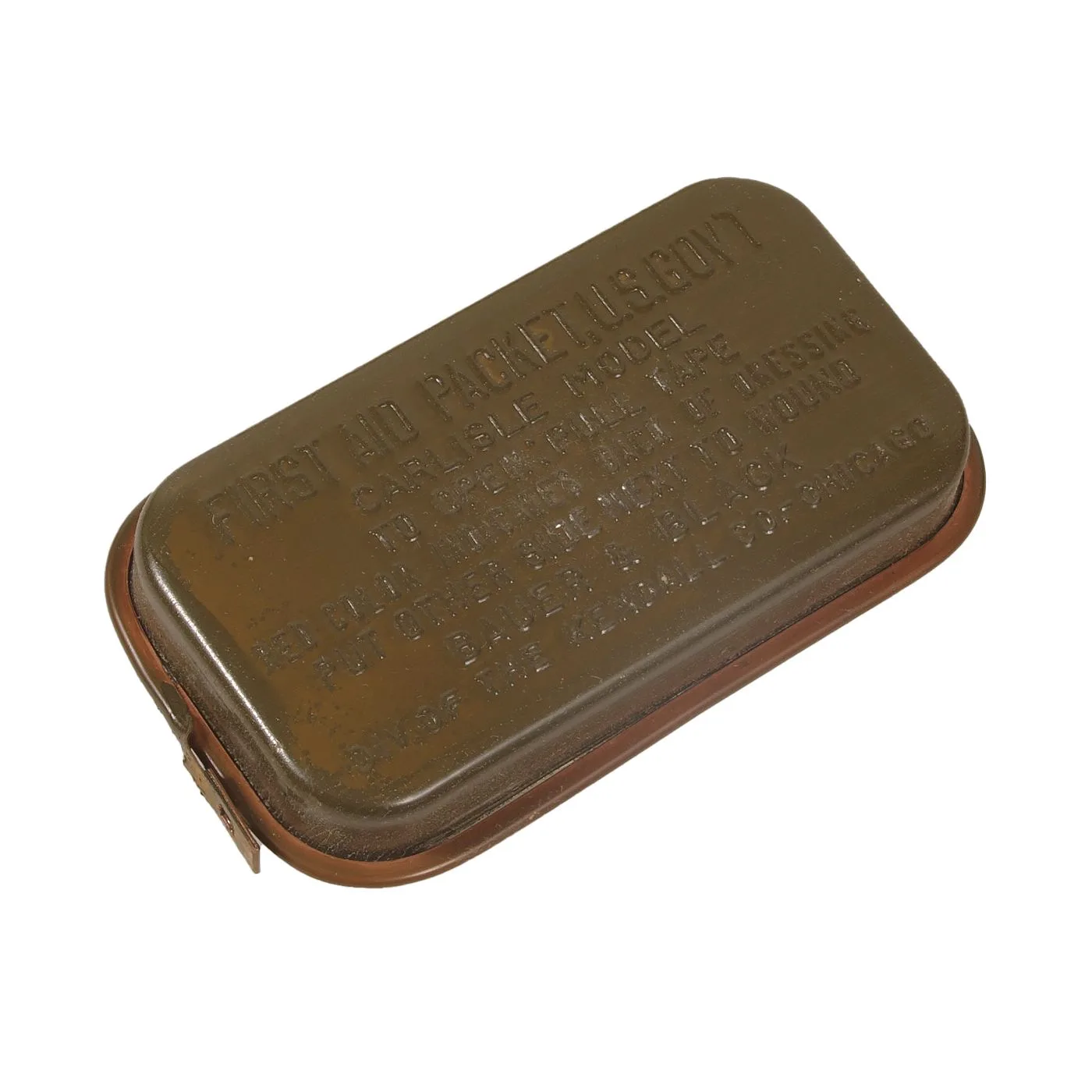
WWII Carlisle Bandage, in O.D. tin
- Never pin or staple original fabric to a backing board—use archival clips or magnets.
- Avoid displaying camo in high-traffic areas where it may be brushed or bumped.
- Consider using a UV-protective acrylic display case for valuable pieces.
Long-Term Storage Solutions for Collectors
For long-term storage, flat is best. Lay original oakleaf B camo items flat in archival-quality storage boxes lined with acid-free tissue. Roll large items like parkas in acid-free tissue paper rather than folding them, as folds create permanent stress lines. Label boxes with contents and date, and store them in a climate-controlled closet or room away from vents and windows.
If you must store multiple pieces together, separate each item with acid-free tissue or unbleached muslin. Avoid stacking heavy items on top of delicate camo. For small accessories like the https://wildernessworks.shop/products/reproduction-k98-bayonet-99356Reproduction K98 Bayonet or the Lafette Tool, they can be stored separately in padded compartments. For fabric items, check every six months for signs of insect activity, mold, or moisture.
- Use archival boxes made of buffered cardboard—avoid regular cardboard that contains lignin.
- Never store camo in basements or attics where temperature and humidity fluctuate.
- Inspect stored items twice a year, preferably in spring and fall.
Caring for original oakleaf B SS camo requires patience, knowledge, and a gentle hand. By controlling light, humidity, and handling, you can preserve these rare textiles for future generations. Whether you own a full SS parka or a simple helmet cover, these conservation practices will help maintain both the historical integrity and the value of your collection. When in doubt, consult a professional textile conservator—it’s better to ask than to risk irreversible damage.