Rare houseplants have taken the indoor gardening world by storm, with collectors seeking out elusive species like Monstera obliqua, Philodendron gloriosum, and variegated Alocasias. But owning these exotic plants is only half the battle—keeping them healthy and vibrant requires specialized knowledge. Whether you're a seasoned collector or just starting your journey into rare plant care, this guide will walk you through the essential tips to ensure your prized specimens thrive.
Understanding the Unique Needs of Rare Houseplants
Rare houseplants often come from specific microclimates—tropical rainforests, cloud forests, or arid regions—which means their care requirements can differ significantly from common houseplants like pothos or snake plants. The key to success lies in replicating their native environment as closely as possible. This involves careful attention to light, water, humidity, soil, and temperature.
Light Requirements for Exotic Plants
Many rare plants are understory species that thrive in bright, indirect light. Direct sunlight can scorch their leaves, while too little light leads to leggy growth and loss of variegation. For variegated plants like Monstera albo or Philodendron pink princess, adequate light is crucial to maintain their striking patterns. Consider using grow lights if your home lacks bright windows—full-spectrum LEDs are excellent for mimicking natural sunlight. Rotate your plants regularly to ensure even growth.
Watering: Less Is Often More
Overwatering is the number one killer of rare houseplants. Many collectors' plants, such as Anthurium crystallinum or Hoya carnosa, prefer their soil to dry out slightly between waterings. Always check the top inch of soil before watering; if it's still moist, wait a few more days. Use room-temperature, filtered water to avoid chlorine and fluoride, which can cause leaf tip burn. For epiphytic plants like orchids and some ferns, consider soaking the pot for 10-15 minutes instead of top-watering to ensure even moisture absorption.
Creating the Perfect Humidity and Airflow
Humidity is often the missing puzzle piece for rare plant enthusiasts. Many exotic plants require humidity levels of 60% or higher—far above the typical 30-40% found in most homes. Signs of low humidity include brown leaf edges, curling leaves, and stunted growth. To boost humidity, group plants together, use a humidifier, or place a tray of pebbles filled with water beneath the pots. Misting can help temporarily but isn't a long-term solution—it can also spread fungal diseases if done improperly.
Good airflow is equally important. Stagnant air can lead to mold, mildew, and pest infestations. Use a small oscillating fan on low setting to keep air moving around your plants, especially in terrariums or enclosed cabinets. This mimics the gentle breezes of their natural habitats.
Soil and Potting: The Foundation of Health
Rare houseplants often require specialized soil mixes that provide excellent drainage while retaining some moisture. A typical recipe for aroids (like Monsteras and Philodendrons) includes orchid bark, perlite, peat moss or coco coir, and worm castings. Cacti and succulents need a grittier mix with more sand or pumice. Avoid heavy, water-retentive soils that can cause root rot. When repotting, choose a pot that is only 1-2 inches larger in diameter than the current one—too much space can lead to overwatering issues.
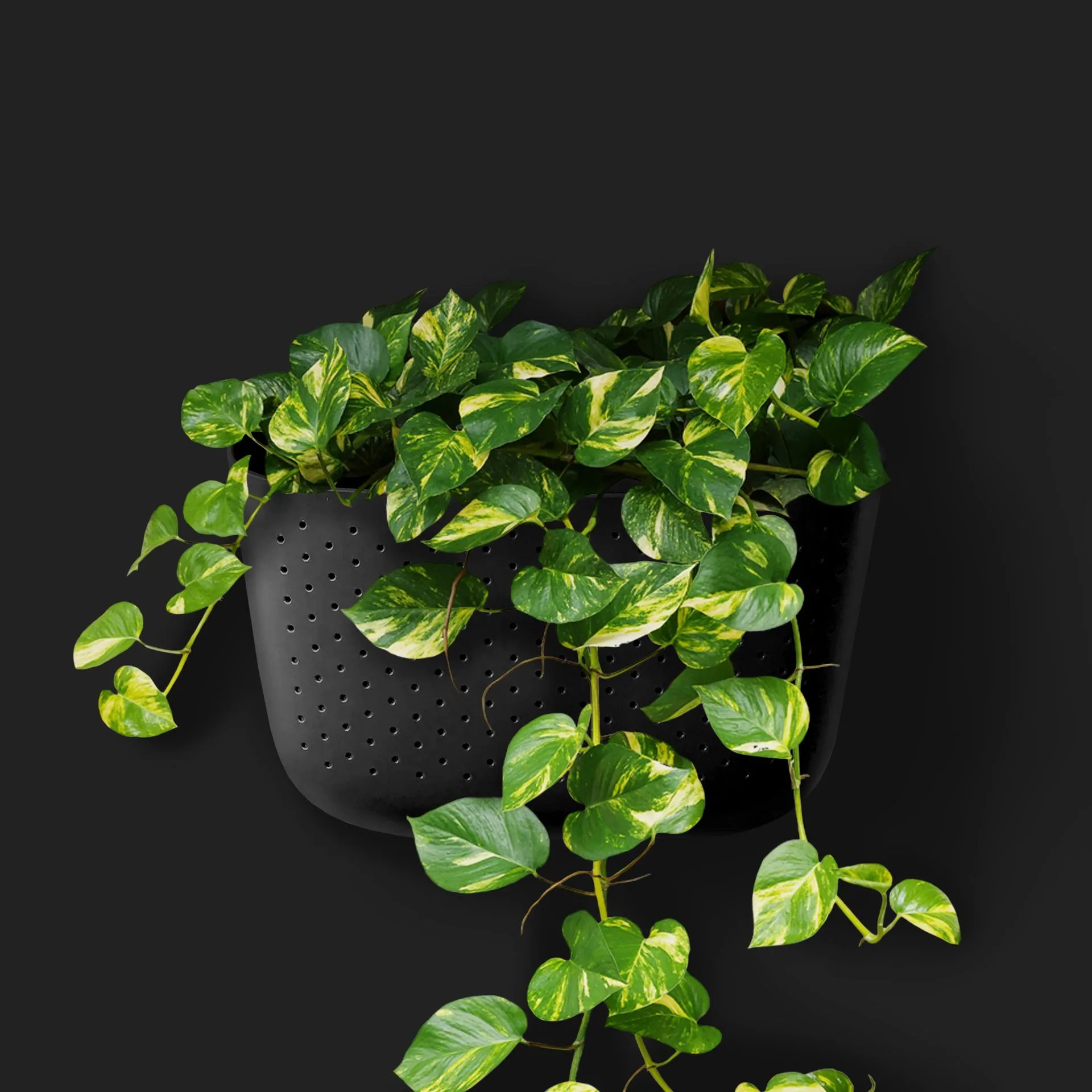
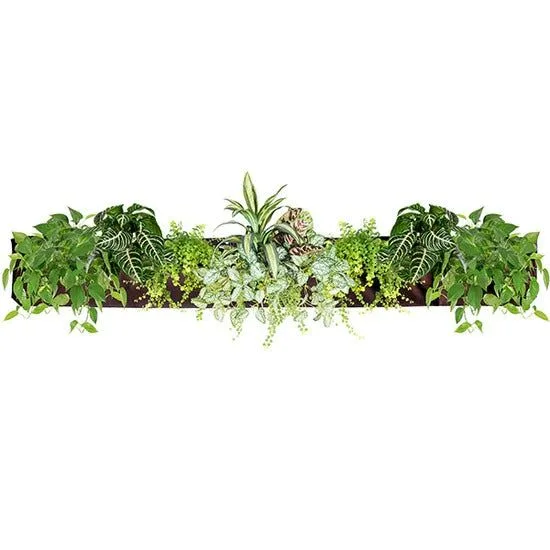
If you're displaying your plants in a vertical garden or on a wall, consider using Pocket Mini Black Wall Planter for smaller specimens or Eco Stone Wall Planter for a more natural aesthetic. These planters are designed to provide excellent drainage and can be easily mounted to create a living wall display—perfect for showcasing your rare collection.
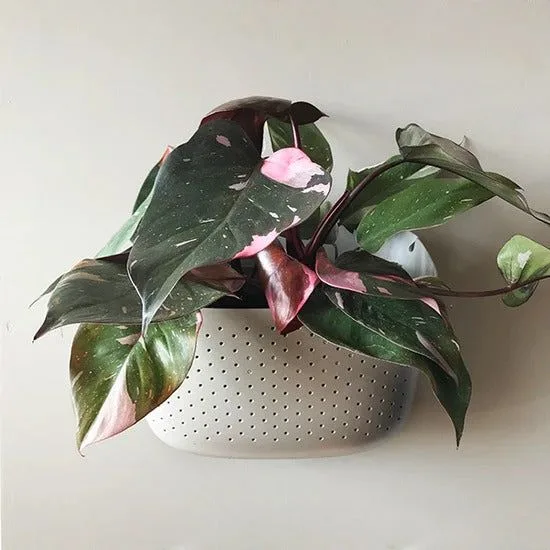
Eco Stone Wall Planter
Fertilizing Rare Plants
Because rare plants often grow slowly, they don't need heavy feeding. During the growing season (spring and summer), use a balanced, diluted fertilizer every 4-6 weeks. For variegated plants, use a fertilizer higher in potassium to support leaf color. In fall and winter, reduce or stop fertilizing to let the plants rest. Always flush the soil with plain water every few months to prevent salt buildup.
Pest Prevention and Management
Rare houseplants are especially vulnerable to pests like spider mites, mealybugs, and thrips, which can quickly decimate a collection. Quarantine new plants for at least two weeks before introducing them to your existing collection. Inspect leaves—especially undersides—and stems regularly. At the first sign of pests, isolate the affected plant and treat with insecticidal soap or neem oil. For persistent infestations, consider systemic insecticides but use them sparingly to avoid harming beneficial insects or pets.
Prevention is your best defense. Keep leaves clean by wiping them with a damp cloth every few weeks. Good airflow and proper watering also reduce pest attraction. If you're looking for a natural boost, Nutrients Houseplant Mix can help strengthen your plants' immune systems, making them less susceptible to pests and diseases.
Propagation: Expanding Your Collection
Propagating rare houseplants is both rewarding and cost-effective. Most can be propagated through stem cuttings, division, or leaf cuttings. For stem cuttings, take a cutting with at least one node and place it in water or moist sphagnum moss. Roots should appear in 2-4 weeks. For plants like Alocasia, division during repotting is easier. Some rare species, like certain Hoyas, can be propagated from leaf cuttings, though this takes more patience. Always use clean, sharp tools to prevent disease transmission.
Common Challenges and Solutions for Rare Plant Collectors
Even experienced collectors face hurdles. Yellowing leaves may indicate overwatering or nutrient deficiency. Brown spots could be sunburn or fungal infection. Curling leaves often signal underwatering or low humidity. Keep a journal to track your plants' conditions and adjustments—this will help you identify patterns and refine your care routine. Join online communities or local plant clubs to share tips and troubleshoot issues with fellow enthusiasts.
Displaying Your Rare Plants with Style
Your rare collection deserves a showcase that highlights their beauty. Wall planters are an excellent way to create a living art piece while saving floor space. For a cohesive look, choose planters that complement your decor—muted tones like chocolate or lavender can add warmth, while eco-stone finishes offer a modern, sustainable touch. When grouping plants, consider their light and humidity needs to ensure they all thrive in the same spot.
For hanging displays, the Loop Lavender Hanging Planter is a stunning choice for trailing plants like Hoya or string of turtles. Its soft color and elegant design will make your rare plants stand out while keeping them safe from curious pets or children.
Final Thoughts: Patience and Observation Are Key
Rare houseplant care is a journey of learning and observation. Every plant is unique, and what works for one may not work for another. Start with one or two rare species, master their care, and slowly expand your collection. Remember that even experts lose plants sometimes—it's part of the process. Share your successes and failures with the community, and don't hesitate to ask for advice. With time, attention, and the right tools, you can create a thriving indoor jungle that brings joy and serenity to your home.
Ready to elevate your rare plant display? Explore the Eco Stone Wall Planter for a sustainable, stylish mounting solution that's perfect for your most prized specimens. Happy growing!