Quick answer
Rinse your reusable sponge after every use, sanitize it at least once a week, and machine wash it monthly. Replace it when it starts to smell or shows signs of wear—usually every 2–3 months with proper care.
Why reusable sponges need a routine
Reusable sponges are a smart swap for disposables, but they need regular attention to stay hygienic and last. Without a cleaning routine, food particles and moisture create a breeding ground for bacteria, which can shorten the sponge's life and spread germs around your kitchen.
The good news: a few minutes of care each week can significantly extend how long your sponge stays fresh and functional.
Daily habits that make a difference
Small actions after each use prevent bigger problems later. These habits are quick and easy to build into your routine.
- Rinse thoroughly with warm water after every use to remove debris.
- Squeeze out excess water—never leave the sponge soaking in the sink.
- Store it in a ventilated spot, like a sponge holder or dish rack, so it can dry completely.
When to sanitize vs. when to replace
Sanitizing reduces bacteria, but it won't fix a worn-out sponge. If your sponge has tears, a persistent odor, or has been used for more than two months, it's time for a new one. Sanitize weekly to keep it fresh between replacements.
Step-by-step reusable sponge care
- Rinse after every use: Hold the sponge under warm running water and squeeze repeatedly to flush out food particles. Common mistake: skipping this step and letting debris dry inside the sponge. A quick rinse now prevents stains and odors later.
- Squeeze and air-dry: Wring out as much water as possible, then place the sponge in a well-ventilated area—like a dish rack or sponge holder—so air can circulate. Common mistake: leaving it in a puddle at the bottom of the sink. Proper drying is the single best way to slow bacterial growth.
- Sanitize weekly: Choose one method: microwave a damp sponge for 1–2 minutes (check for metal), run it through the dishwasher on a hot cycle, or soak it in a diluted bleach solution (1/4 cup bleach per quart of water) for 5 minutes, then rinse well. Common mistake: microwaving a dry sponge—it can catch fire. Pick a method that fits your routine and stick to it weekly.
- Machine wash monthly: If your sponge is machine-washable (like Gingerbread Reusable Sponges), launder it with like colors on a gentle cycle, then air-dry completely. Common mistake: using fabric softener, which can coat the sponge and reduce absorbency. Washing refreshes the sponge and removes deep-set grime.
- Know when to replace: Replace your sponge if it has a lingering odor after sanitizing, visible tears or holes, or has been in use for 2–3 months. Common mistake: holding onto a sponge that looks clean but smells sour—bacteria hide in the pores. Mark the date on your calendar to stay on top of replacements.
Product facts
-
Gingerbread Reusable Sponges: This set of three machine-washable sponges lasts 4 times longer than typical disposable sponges. You can toss them in the wash to refresh and sanitize, saving money and reducing waste.
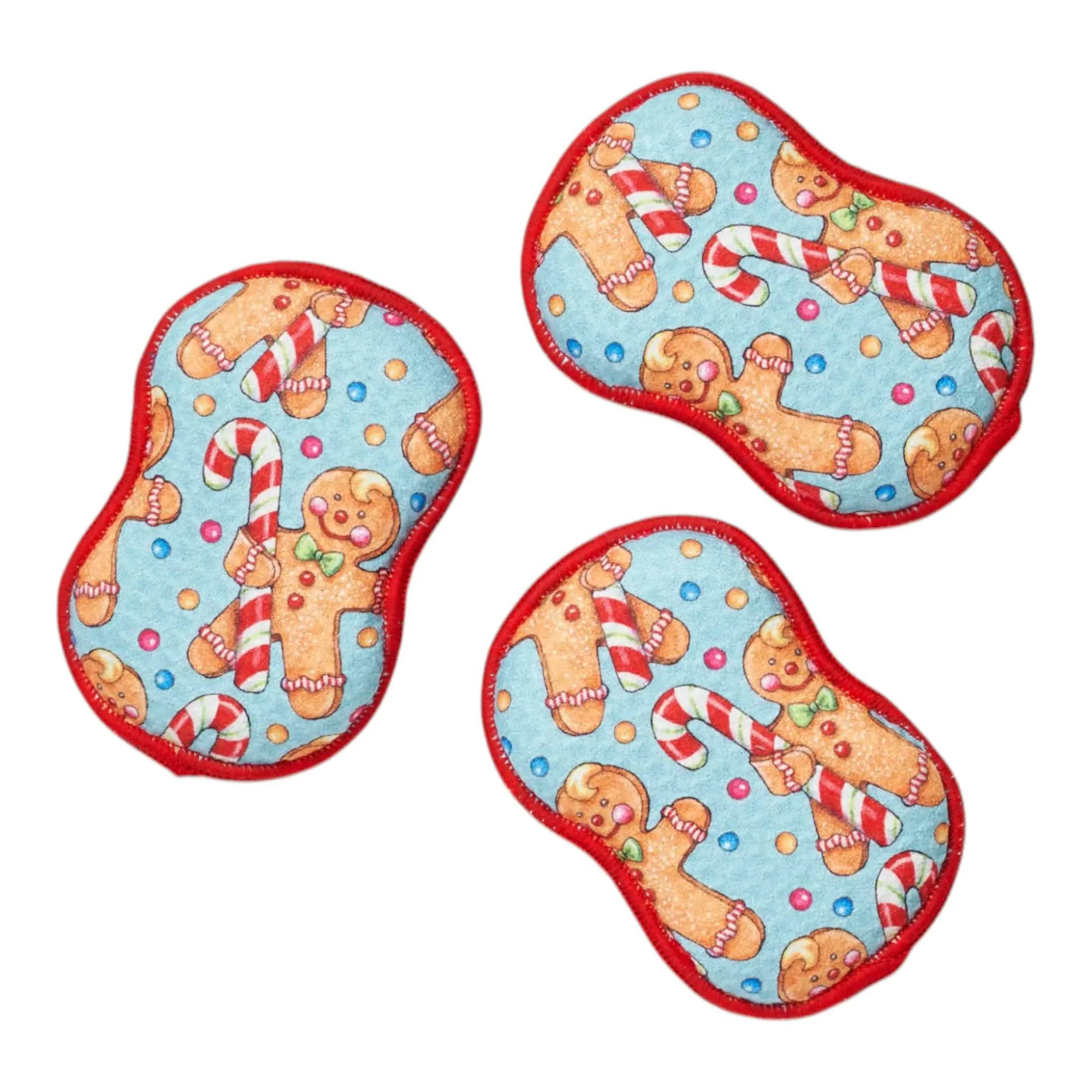
Gingerbread Reusable Sponges