Quick answer
Rinse your swim briefs in cool fresh water immediately after every swim, then hand wash with a small amount of mild detergent and air dry them flat in the shade. The two habits that cause the most damage are leaving chlorine or salt on the fabric and drying briefs in direct sun or a hot dryer. If you follow the rinse-first routine, color and stretch last far longer.
Why chlorine and salt attack swim fabric
Chlorine is an oxidizer, and salt is abrasive when it dries into crystals inside the weave. Both stay active on the fabric after you leave the water, which is why the damage usually happens between swims rather than during them. Polyamide elastane, the blend used in many HOM swim briefs, keeps its color intensity and opacity well when it is rinsed promptly, but it is not designed to sit in a damp, chlorinated towel for hours. The longer the residue stays, the more the elastane loses snap and the print loses depth.
What you need before you start
You do not need a specialty swimsuit cleaner. Cool water, a mild liquid detergent, and a clean towel are enough. Skip wool wash, fabric softener, and anything with bleach or brightening agents, because those coatings trap residue and can strip color. A dedicated mesh bag helps if you ever machine wash on a gentle cycle, but hand washing remains the safer default for briefs with a close, second-skin cut.
Your step-by-step swim brief care routine
- Rinse before you leave the pool or beach: Step into a fresh-water shower or use a rinse station while still wearing the briefs, then squeeze gently. This removes most chlorine or salt before it can dry into the weave. Common mistake: wringing the fabric hard, which stretches the elastane and distorts the cut. Checkpoint: the water running off should feel clean, not slippery.
- Wash within a few hours, not overnight: Hand wash in cool water with a drop of mild detergent, working the suds through the fabric for about 30 seconds. Rinse until the water runs clear. Common mistake: letting damp briefs sit in a plastic bag or hamper until the next day, which gives residue time to bond. If you cannot wash right away, at least rinse and hang to dry.
- Dry flat in the shade: Lay the briefs flat on a clean towel or drying rack away from direct sun. Turn them inside out so the lining dries too. Common mistake: hanging by the waistband, which can stretch it out, or using a hot dryer, which breaks down elastane. Checkpoint: fully dry before storing, with no damp seams.
- Rotate two or three pairs: Give each pair at least a full day to recover its shape between wears. Rotating briefs spreads the chlorine exposure and lets the elastane relax. Common mistake: wearing the same pair daily and washing it aggressively to compensate, which wears out the fabric faster than the swimming does. A small rotation is cheaper than replacing faded briefs every season.
- Store clean and dry, away from heat: Fold briefs loosely in a drawer rather than hanging them in a hot bathroom or leaving them in a gym bag. Common mistake: storing slightly damp swimwear, which encourages odor and mildew in the lining. Next step: check your swim bag now and remove any damp gear.
Product facts that shape your care routine
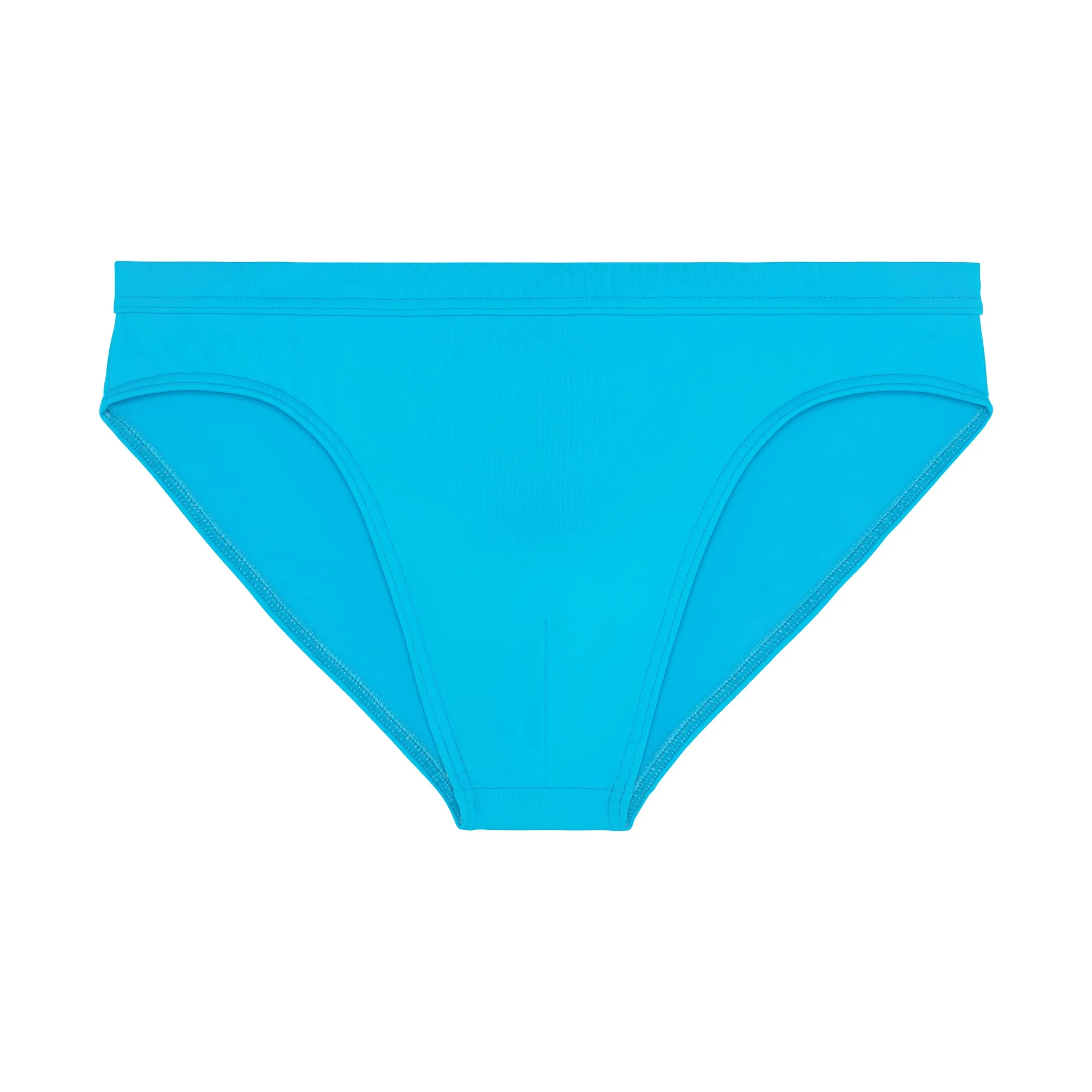
- Sea Life Swim Mini Briefs | Turquoise 402534-00pf: The SEA LIFE swim briefs are made of polyamide elastane, which does not crease and maintains the intensity of color over time, producing a resistant fabric that remains opaque. Because the fabric is built to hold color and opacity, prompt rinsing protects the exact qualities you paid for; leaving chlorine on it works against the material's main advantage.
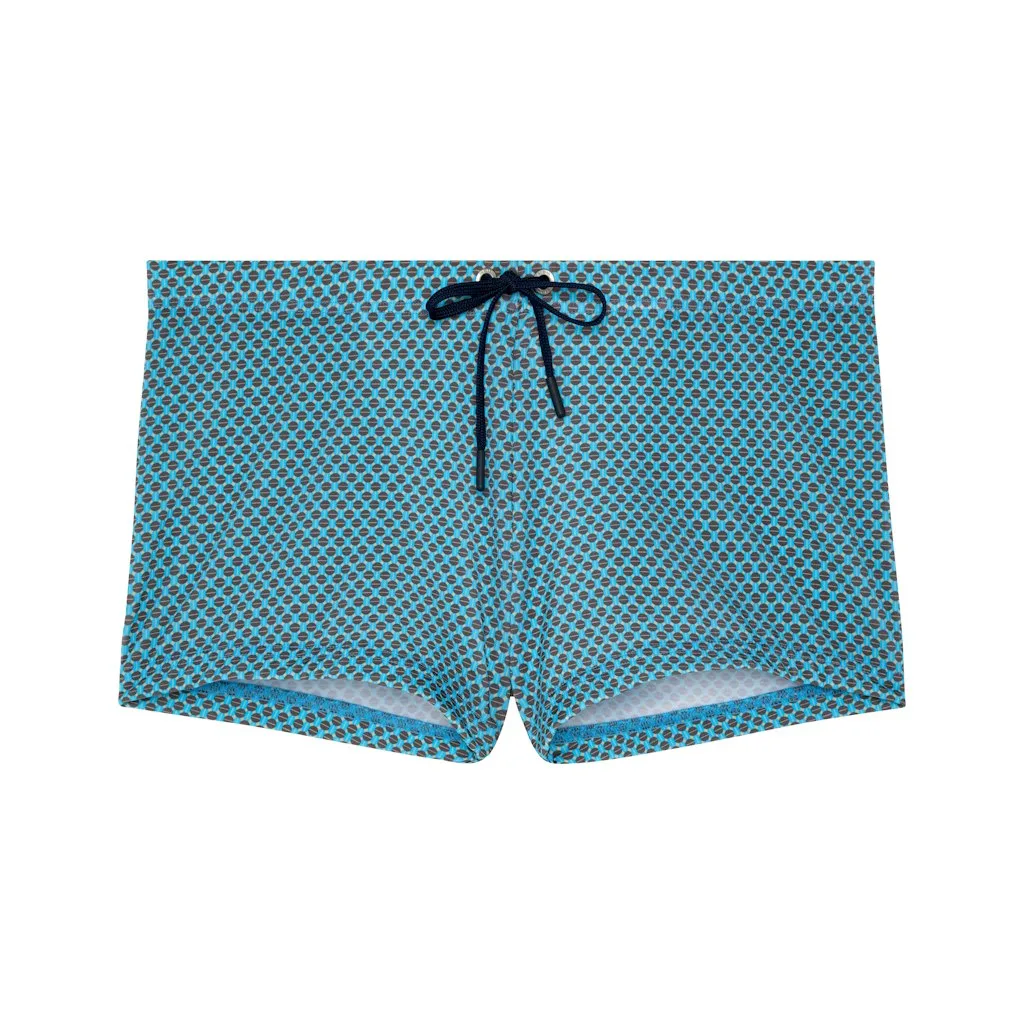
- Cappuccino Swim Shorts | Blue Print 403170-I0BI: The Cappuccino Swim Shorts have a close-fitting cut that hugs the body while allowing total freedom of movement and are designed to reduce drag in the water. A close cut means residue sits directly against the fabric with less room to rinse out on its own, so a thorough hand rinse matters more than it would on a loose trunk.