Quick answer
Rinse your swimwear in cool fresh water immediately after every swim, wash it gently by hand with a mild detergent when needed, and air-dry it flat in the shade. Avoid hot water, harsh chemicals, and the dryer. That simple routine is the single biggest thing you can do to make a swimsuit last longer.
Swimwear takes a beating that regular underwear never sees. Chlorine, salt, sunscreen, and hot tub chemicals all attack the stretch fibers that give swim briefs and trunks their fit, while sand and rough surfaces grind away at the fabric. Most swimwear doesn't wear out from swimming — it wears out from what happens after.
The good news is that swimwear maintenance is mostly about a few small habits. You don't need special equipment or a lot of time. You just need to stop doing the three things that quietly destroy swimsuits: leaving them wet in a bag, washing them with heat, and drying them in a machine. This guide walks through the process in order, with the mistake to avoid at each step.
Why swimwear breaks down faster than other clothes
Swim fabric relies on elastic fibers to hold its shape and stay snug when wet. Chlorine is the main enemy: it oxidizes those fibers, which is why a suit that fit perfectly in June can feel loose and baggy by August. Salt water is less aggressive but still leaves mineral residue that stiffens fabric over time. Sunscreen and body oils add another layer that traps dirt and dulls color.
Heat and agitation make all of this worse. A warm machine wash speeds up chemical damage, and a dryer's heat can permanently crack elastic fibers. Even wringing a wet suit too hard stretches the fabric past the point where it recovers. If you protect the elastic and the color, the rest of the garment usually holds up fine.
- Chlorine, salt, and sunscreen are the three main causes of swimwear breakdown.
- Heat is the fastest way to ruin stretch — keep it out of the wash and dryer.
The rinse-first rule
The most important step happens before you leave the pool or beach. Rinse your swimwear in cool fresh water as soon as you can, ideally within an hour of getting out. This flushes out chlorine and salt before they have time to bond with the fibers. A quick rinse in a shower or a beach tap is enough — you don't need soap yet.
If you can't rinse immediately, at least don't leave the suit balled up in a wet towel or plastic bag. That's the worst-case scenario because it traps moisture and chemicals against the fabric for hours. A damp suit in a hot car is where most premature fading and odor starts.
- Rinse in cool water within an hour of swimming when possible.
- Never store a wet suit in a sealed bag or a hot car.
How to wash swim trunks and briefs properly
For a normal week of swimming, a thorough rinse is often all you need. When you do wash — after a sandy day, a heavy sunscreen session, or a hot tub — use cool water and a small amount of mild liquid detergent. Hand washing is safest: fill a sink, add a capful of detergent, and gently squeeze the water through the fabric rather than scrubbing it.
If you use a machine, choose the gentlest cycle, cold water, and a mesh laundry bag to reduce friction. Skip bleach, fabric softener, and enzyme-heavy detergents, which can degrade stretch fibers and leave residue. Wash swimwear on its own or with other light items, not with heavy towels or jeans that abrade the surface.
- Use cool water and mild detergent — a capful is plenty.
- Skip bleach, fabric softener, and hot-water cycles entirely.
- If machine washing, use a mesh bag on the gentlest cold cycle.
Drying without wrecking the fit
After washing, gently squeeze out excess water — don't twist or wring. Lay the suit flat on a clean towel, roll the towel up to press out more moisture, then unroll and reshape the garment. Air-dry it flat or hang it by the waistband in a shaded, well-ventilated spot. Direct sun is fine for a short time, but prolonged UV exposure fades color and weakens elastic.
Never put swimwear in a dryer. The heat is the single most damaging thing you can do to stretch fabric, and it's usually irreversible. Avoid hanging a wet suit by its straps or thin edges too, since the weight of the water can stretch them out of shape.
- Squeeze, don't wring — twisting stretches the fabric permanently.
- Air-dry flat or by the waistband in the shade, never in a dryer.
Storing and rotating your swimwear
Make sure swimwear is completely dry before it goes back in a drawer or bag. Even slightly damp fabric can develop mildew and a musty smell that's hard to remove. Store it flat or loosely folded in a cool, dry place, away from direct sunlight and heat sources.
If you swim often, rotating between two or three suits is one of the easiest ways to extend swimwear life. Elastic needs time to recover between wears, so alternating gives each suit a rest day. It also means you're not washing the same suit after every single swim, which reduces wear from handling.
- Store only when fully dry, away from heat and sun.
- Rotate two or three suits so elastic can recover between wears.
Handling sand, sunscreen, and hot tubs
Sand is abrasive and works its way into fabric, so shake it out before rinsing and never scrub sandy fabric against itself. Sunscreen and body oils are best handled with the mild-detergent wash rather than just a rinse, since water alone won't break down oils. For hot tubs, rinse immediately afterward — the chemicals and heat are harder on swimwear than a standard pool.
If your suit starts to smell even after washing, that's a sign residue has built up. A soak in cool water with a small amount of mild detergent for 15 minutes, followed by a thorough rinse, usually resets it. Don't reach for bleach or vinegar without checking the care label first.
- Shake sand out before rinsing; don't scrub sandy fabric.
- Rinse immediately after hot tubs — heat plus chemicals is the harshest combo.
Your 5-step swimwear care routine
- Rinse immediately after every swim: Use cool fresh water to flush out chlorine, salt, and sunscreen before they set into the fibers. A quick shower rinse counts. Checkpoint: if you can still smell chlorine on the fabric, rinse again.
- Wash gently when needed: Hand wash in cool water with a capful of mild detergent, squeezing rather than scrubbing. Use a mesh bag and cold gentle cycle if machine washing. Mistake to avoid: hot water, bleach, and fabric softener all shorten swimwear life.
- Remove excess water without twisting: Gently squeeze the suit, then roll it in a clean towel and press to absorb more moisture. Never wring or twist. Checkpoint: the suit should be damp, not dripping, before drying.
- Air-dry flat in the shade: Lay the suit flat or hang it by the waistband in a ventilated, shaded spot. Keep it out of the dryer and away from prolonged direct sun. Mistake to avoid: dryer heat permanently damages stretch fibers.
- Store dry and rotate: Only put swimwear away once it's completely dry. Alternate between two or three suits so elastic can recover between wears. Next step: if one suit is already stretched or faded, retire it and rotate in a fresh one.
What to look for in swimwear you plan to keep
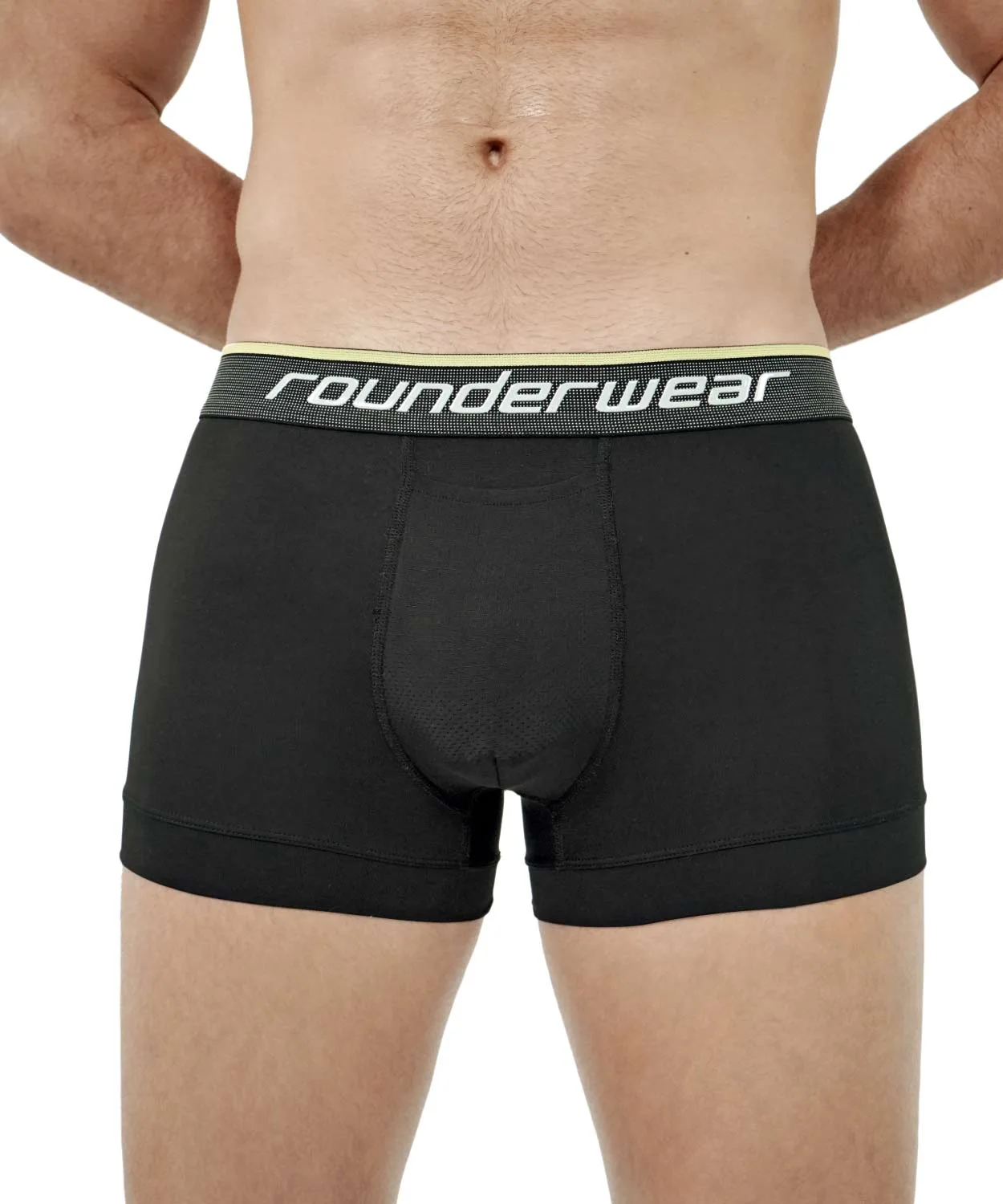
- Sport Boxer Brief: Made with stretch fibers that mold to the body and ventilated panels that expel moisture, with a wide leg cut that resists rolling up. Stretch fibers and moisture management are the same qualities that matter in swimwear, so this construction shows what to prioritize when you want a suit that holds its shape and dries faster.
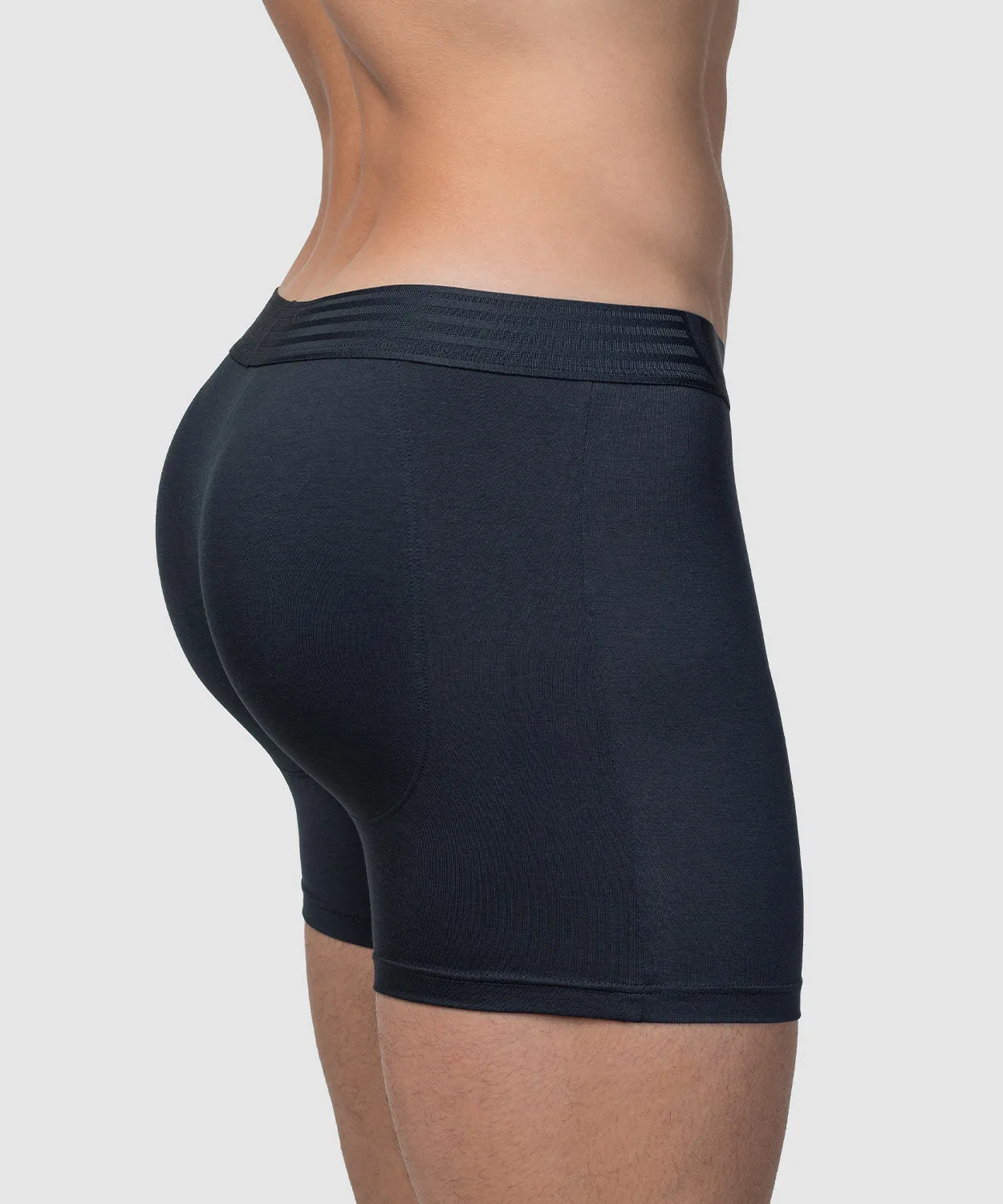
- HERO Padded Boxer Brief: Designed to give more gluteal volume and definition while adapting to movement. If you like a supportive, shaped fit, look for swim styles that use the same adaptive stretch approach — it's a good benchmark for how a suit should move with you rather than against you.
Swimwear care comes down to a short, consistent routine: rinse right away, wash gently and cold, dry in the shade, and store only when fully dry. Do that and your swim briefs and trunks will keep their fit and color far longer than the ones left in a wet bag. A few minutes after each swim is all it takes.