Why Wooden Cutting Boards Need Regular Care
A wooden cutting board is more than a prep surface – it also protects your knife edges. Grunwerg's Rockingham Forest boards, like the R Forest Cutting Board Acacia & Rubberwood 35x25x4.5cm, are designed with materials that help preserve the sharpness of your knives. But wood is porous, so it absorbs moisture, odors, and stains from daily use. Without proper care, the board can dry out, crack, or harbor bacteria. Regular cleaning, oiling, and occasional restoration keep your board functional and hygienic for years.
The good news: you don't need special skills or expensive products. With a few basic supplies and a simple routine, you can maintain any wooden board, whether it's acacia, rubberwood, oak, maple, ash, or sapele.
Daily Cleaning: The Right Way
After each use, clean your board promptly. Avoid soaking it in water or putting it in the dishwasher – prolonged moisture can warp or crack the wood. Instead, follow these steps:
- Rinse with warm water: Use warm (not hot) water to rinse off food particles. Hot water can strip natural oils from the wood.
- Scrub with mild soap: Use a soft sponge or brush with a gentle dish soap. Avoid abrasive pads that can scratch the surface.
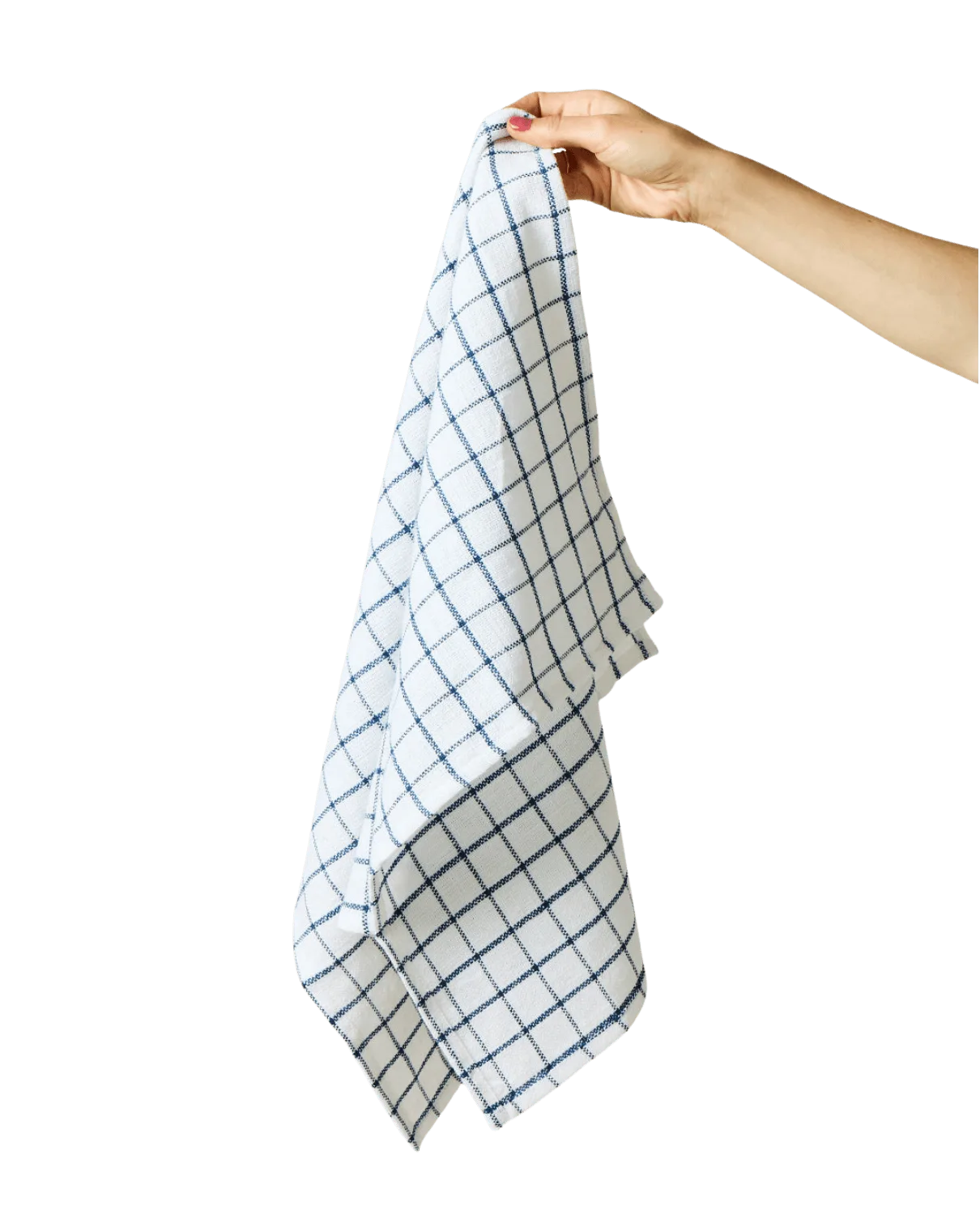
- Dry immediately: Wipe with a clean towel and stand the board upright to air dry completely. Never leave it lying flat while wet.
How to Oil a Wooden Cutting Board
Oiling is the most important step in wooden board maintenance. It replenishes the natural oils that keep wood from drying out and cracking. Food-grade mineral oil is a common choice because it's odorless, tasteless, and safe for food contact. You can also use specialized board creams or beeswax-based conditioners.
To oil your board, pour a small amount of oil onto the surface and spread it with a clean cloth or paper towel. Let it sit for a few hours or overnight, then wipe off any excess. Repeat this process when the wood looks dry or feels rough to the touch – the frequency depends on how often you use the board and your climate. For a new board, oiling it a few times before first use helps condition the wood.
Cleaning Acacia and Rubberwood Boards
Acacia and rubberwood are both durable hardwoods, but they respond to care slightly differently. Acacia is naturally water-resistant and has a rich grain, while rubberwood is more affordable and has a lighter, uniform look. Both benefit from the same cleaning and oiling routine. The R Forest Cutting Board combines these woods in a multi-wood construction, which means you're caring for a blend of materials – but the same principles apply.
If your board develops stains or odors, you can gently scrub with coarse salt and a lemon half. The salt acts as a mild abrasive, and lemon helps neutralize smells. Rinse and dry afterward. For deep scratches or rough patches, sanding with fine-grit sandpaper can restore the surface, but this should be done sparingly and followed by a fresh coat of oil.
What the R Forest Board Offers
-
R Forest Cutting Board Acacia & Rubberwood 35x25x4.5cm: The R Forest Cutting Board Acacia & Rubberwood 35x25x4.5cm is part of the Rockingham Forest series, made with a mixture of woods including Oak, Maple, Ash, Acacia, Rubberwood, and Sapele. Knowing the wood blend helps you choose appropriate care products – food-safe oils work on all these woods.
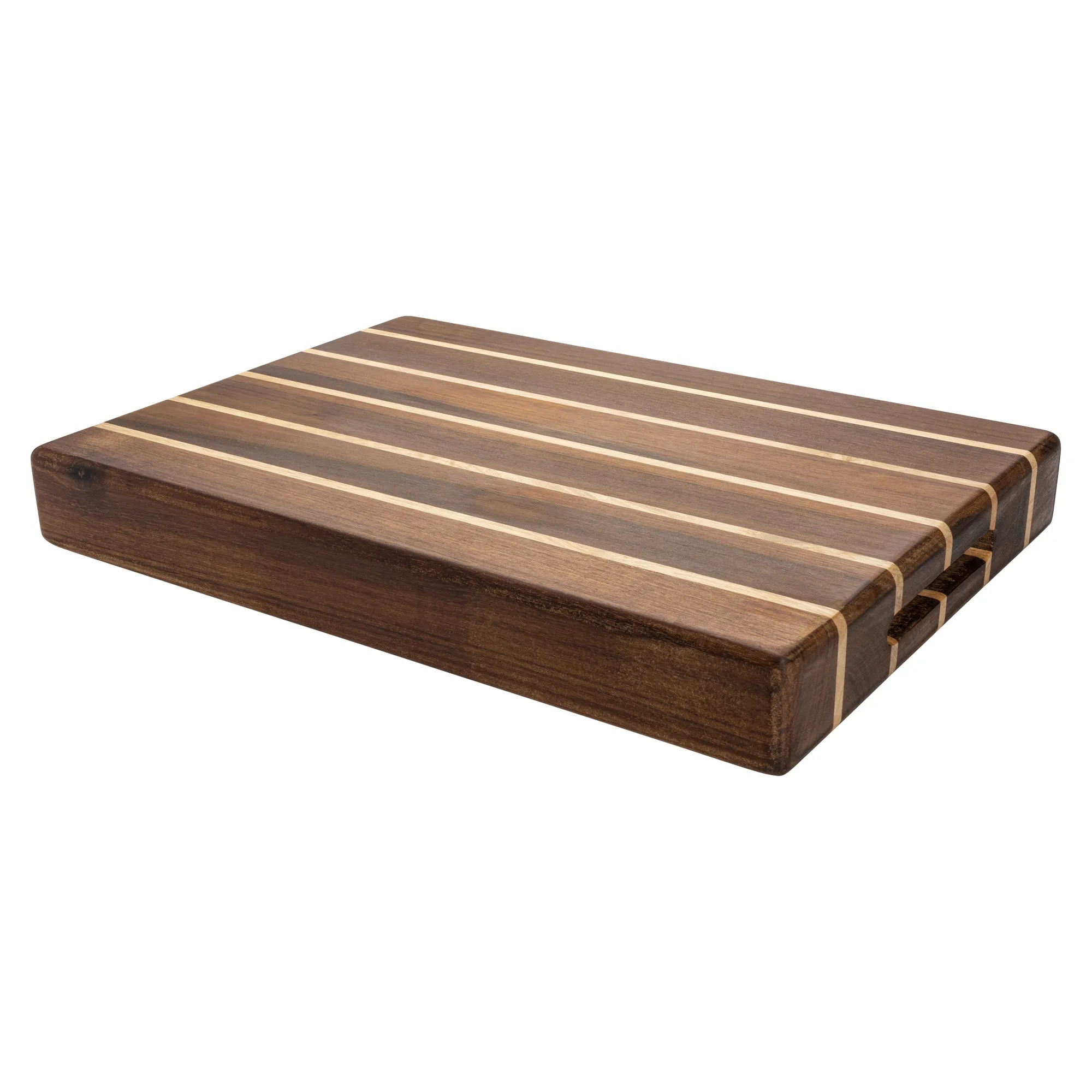
R Forest Cutting Board Acacia & Rubberwood 35x25x4.5cm
-
R Forest Cutting Board Acacia & Rubberwood 35x25x4.5cm: The end grain models are cut across the grain rings, which exposes the wood's character and helps absorb the impact of the knife blade. End grain boards are gentler on knives but more porous, so regular oiling is especially important to keep them protected.
Restoring a Dry or Dull Board
Over time, even well-cared-for boards can look dry or faded. To restore a rubberwood or acacia board, first clean it thoroughly and let it dry completely. Then apply a generous layer of food-grade mineral oil or board conditioner. Let it soak in – you may need to reapply after a few hours if the wood is very dry. Wipe off any excess oil before storing.
If the surface has become rough or has minor cuts, you can lightly sand with fine sandpaper (e.g., 220 grit) in the direction of the grain. Wipe away sawdust, then oil again. This simple process can bring back the board's original luster and make it feel smooth again.
What to Avoid
To keep your wooden board in top shape, avoid these common mistakes: don't soak the board in water, don't put it in the dishwasher, and don't use harsh chemical cleaners or bleach. Also, avoid leaving it near a heat source or in direct sunlight for long periods, as this can cause the wood to dry out and crack. With consistent care, your board will stay beautiful and knife-friendly for many meals to come.