A well-maintained cast iron skillet is the workhorse of any outdoor kitchen. Whether you're searing steaks over a campfire or baking cornbread in a Dutch oven, proper cast iron skillet care ensures your pan stays non-stick, rust-free, and ready to cook. Without the right routine, even the best all-in-one skillet can become sticky or corrode.
This guide covers practical seasoning and cleaning methods that work for any cast iron cookware, including the versatile Cast Iron Skillet Griddle. We'll focus on what actually matters—avoiding common mistakes and building a simple maintenance habit that fits your outdoor cooking lifestyle.
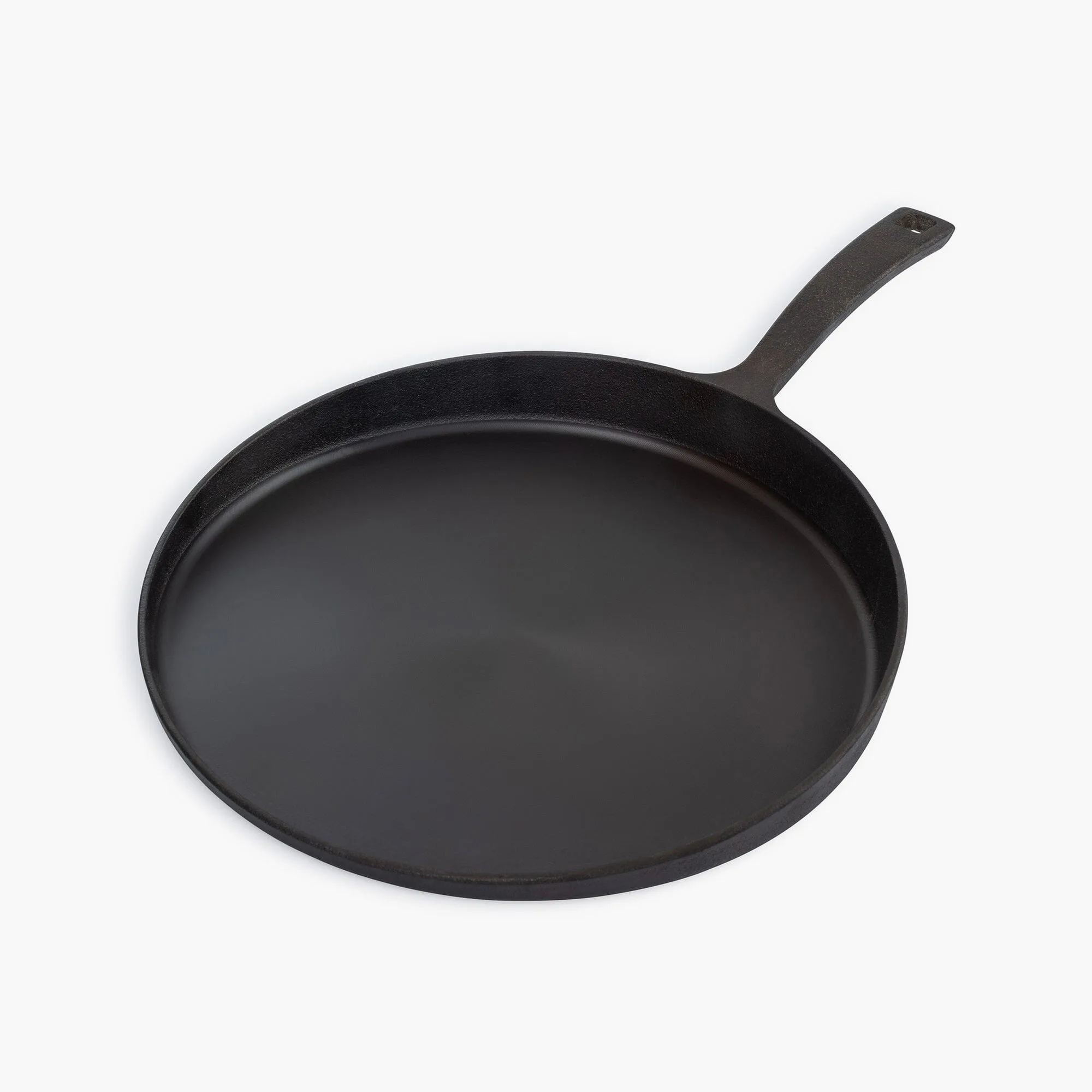
Cast Iron Skillet Griddle
Why Seasoning Matters for Your All-In-One Skillet
Seasoning is the layer of polymerized oil that protects cast iron from rust and creates a natural non-stick surface. For an all-in-one skillet used over fire or coals, a good seasoning also prevents food from sticking when you're cooking eggs or flipping pancakes. Without it, your pan will rust quickly, especially if left outdoors or stored in a damp bag.
The key is to build thin, even layers over time. Thick, gummy seasoning flakes off and attracts moisture. Stick to oils with a high smoke point—flaxseed, grapeseed, or vegetable oil work well. Avoid butter or olive oil for seasoning; they burn too easily and leave a sticky residue.
- Apply a very thin layer of oil using a lint-free cloth or paper towel. Less is more.
- Heat the skillet upside down in an oven or over a fire at 400–450°F for one hour to polymerize the oil.
- Repeat 3–4 times for a robust initial seasoning on a new all-in-one skillet.
How to Clean Cast Iron Without Ruining the Seasoning
Cleaning cast iron is simpler than many think. After cooking, let the skillet cool slightly—never plunge hot cast iron into cold water or thermal shock can crack it. Use a stiff brush or a chainmail scrubber with hot water to remove stuck-on food. Mild dish soap is fine for occasional heavy cleaning, but avoid soaking or using steel wool, which strips seasoning.
For stubborn bits, bring a little water to a boil in the skillet and scrape with a wooden spatula. Dry the pan immediately with a towel, then place it over low heat for a minute to evaporate any remaining moisture. Finally, rub a tiny amount of oil over the surface to protect it until the next use.
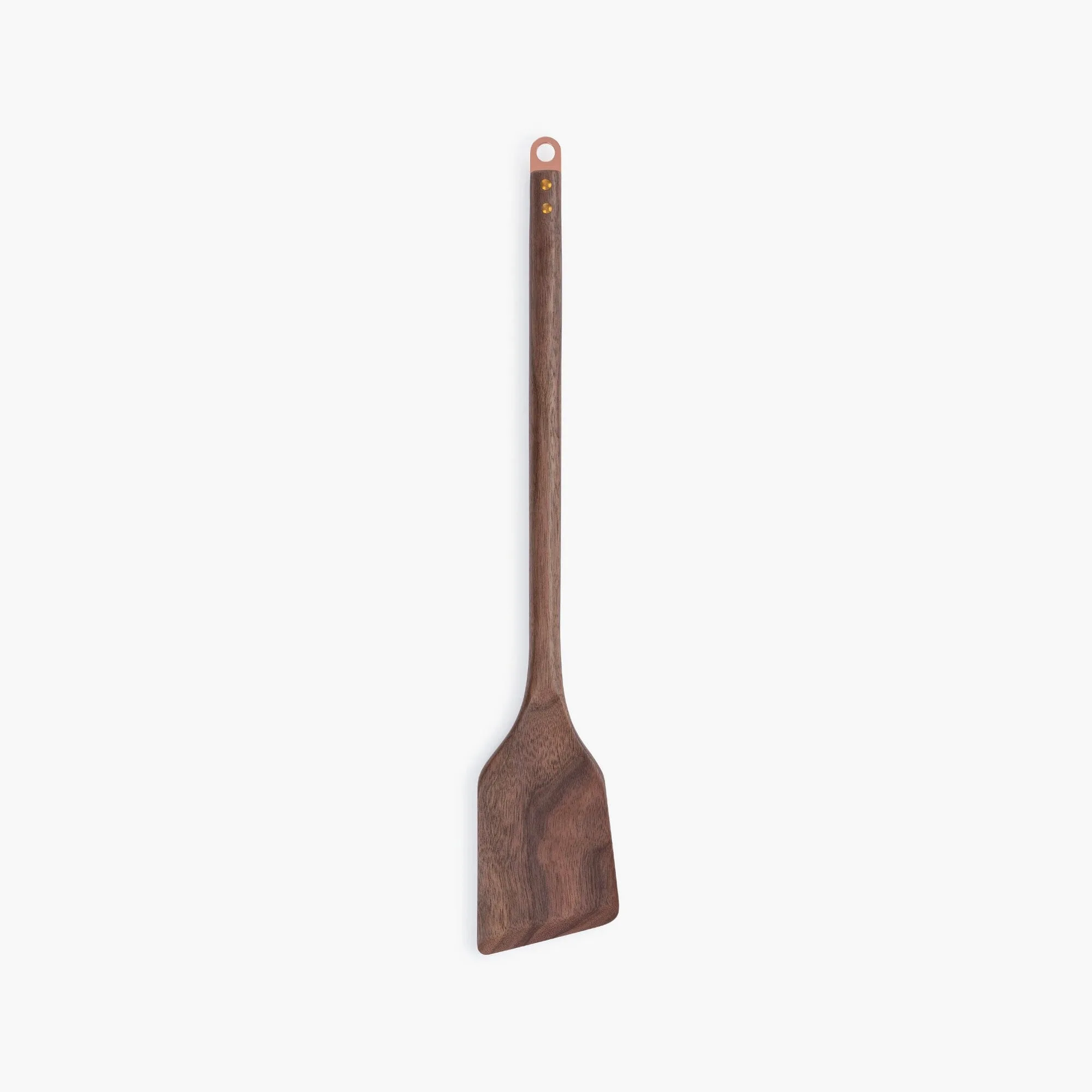
wooden spatula
- Never leave cast iron to soak in water—it invites rust.
- After cleaning, always dry thoroughly and apply a light oil film before storing.
- If rust appears, scrub with coarse salt and oil, then re-season the affected area.
Seasoning Cast Iron Outdoors: Tips for Campfire and Grill
Seasoning an all-in-one skillet over a campfire or on a grill is entirely possible with a few adjustments. Build a small, consistent fire with hot coals, not roaring flames. Place the oiled skillet upside down on a grate or directly on coals, ensuring airflow so the oil polymerizes evenly. Use a lid or foil to trap heat if needed.
The Cast Iron Skillet Griddle is particularly well-suited for this because its flat surface heats evenly. Avoid seasoning over high flames—they burn the oil before it can bond. Instead, aim for a steady temperature where a drop of water sizzles but doesn't instantly evaporate. Let the pan cool slowly in the fire's residual heat.
- Use a camp stove or grill with a lid for more controlled temperature during outdoor seasoning.
- If you're cooking acidic foods like tomatoes, re-season the skillet afterward to repair any damage.
Storing Your All-In-One Skillet for Long Life
Storage is often overlooked, but it's critical for cast iron maintenance. Always store your skillet in a dry place. If you keep it in a bag or case, make sure the pan is completely cool and dry before closing it. A breathable cotton bag works better than plastic, which traps moisture. Placing a paper towel between stacked pans prevents scratches and absorbs humidity.
For long-term storage, give the skillet a final thin coat of oil and wrap it in a cloth. Avoid storing food in cast iron—it can absorb flavors and accelerate rust. With these habits, your all-in-one skillet will outlast generations of outdoor meals.
- Store with the lid off (if applicable) to allow airflow and prevent moisture buildup.
- Check your skillet monthly during off-season; re-oil if it looks dry or dull.
Caring for your cast iron skillet doesn't require special products or hours of work. A few minutes after each cook—clean, dry, oil—will keep your all-in-one skillet performing beautifully for decades. Whether you're using a Cast Iron Skillet Griddle over a fire or a traditional pan on a stove, consistent seasoning and smart storage are the only secrets to cast iron that lasts.