Quick answer
Wash your blanket on a gentle cycle in cold water with a mild detergent, then dry it on low or air-dry it flat. For storage, keep it clean, completely dry, and folded in a breathable cotton bag or pillowcase away from dampness and direct sunlight. Always check the care label first, because fiber type changes the right method.
A blanket gets more daily contact than almost anything else in your home, so it collects body oils, dust, and odors faster than you might expect. How you wash and store it decides whether it stays soft and structurally sound or turns scratchy, pilled, and thin.
This guide walks through a practical blanket care routine, from reading the label to folding it away for the off-season. You will also see where people commonly go wrong, such as using hot water on wool or storing a slightly damp blanket, and how to avoid those mistakes without overcomplicating the process.
Start with the care label, not the internet
Every blanket has a fiber blend that reacts differently to heat, agitation, and detergent. A care label tells you whether the maker recommends machine washing, hand washing, or dry cleaning, and what temperature to use. If the label is missing or unreadable, treat the blanket as delicate until you know more.
Common fiber rules are straightforward: cotton and most synthetics handle cold machine washing well, wool and cashmere usually need cold hand washing or a wool cycle, and rayon or viscose can shrink or distort when wet. When in doubt, choose the gentler option. A slightly under-washed blanket is easier to fix than a shrunken one.
- Snap a photo of the care label before it fades, so you have the instructions later.
- If the label says dry clean only, respect it. Home washing can void the maker's guidance.
Pre-treat stains and spot-clean first
Before a full wash, deal with any visible spots. Blot, do not rub, with a clean cloth and a small amount of mild detergent diluted in cool water. Rubbing spreads the stain and can pill the surface fibers. Work from the outside of the stain inward to keep it from spreading.
For food or drink spills, lift off any solids first, then blot the liquid. For oily marks, a tiny drop of dish soap on a cloth can help, but rinse it out thoroughly afterward. Let the spot dry before deciding whether it needs another pass.
- Test any spot treatment on a hidden corner first, especially on dark or saturated colors.
- Never put a stained blanket straight into a hot wash. Heat can set the stain permanently.
Wash on a gentle cycle in cold water
Use the gentlest cycle your machine offers and select cold water. Cold water reduces the risk of shrinkage and color bleeding, and it is easier on fibers over time. Add a mild, free-rinsing detergent, and skip fabric softener, which coats fibers and can make some blankets feel less absorbent or slightly greasy.
Wash similar colors together and avoid overloading the drum. A blanket needs room to move so dirt can rinse away. If your machine has a bulky or bedding setting, that is often a good match because it uses more water and less agitation.
- For wool or delicate blankets, use a mesh laundry bag or choose a hand-wash cycle.
- Measure detergent. More soap does not mean cleaner, and residue makes blankets stiff.
Dry low and slow, or air-dry flat
Heat is the main enemy of blanket softness and size. Tumble dry on the lowest heat setting, or air-dry the blanket flat on a clean surface or drying rack. High heat can shrink cotton, felt wool, and melt or distort synthetic fibers. If you use a dryer, check the blanket every 15 to 20 minutes and remove it while it is still slightly damp.
Air-drying flat helps the blanket keep its shape, especially for knits and heavy weaves. Hanging a wet blanket by one edge can stretch it out of shape, so support the full width when possible. A fan in the room speeds drying without adding heat.
- Never dry a wool blanket in a hot dryer unless the label explicitly allows it.
- If the blanket feels stiff after drying, a short low-heat tumble with a clean tennis ball can help fluff it.
Store clean, dry, and breathable
Storing a blanket that is even slightly damp invites mildew and musty odors. Make sure it is completely dry, then fold it neatly and place it in a breathable cotton bag, a pillowcase, or a clean cotton storage bin. Plastic bags trap moisture and can cause yellowing or odor over time.
Keep stored blankets in a cool, dry place away from direct sunlight, which can fade colors, and away from damp basements or hot attics. For long-term storage, add a sachet of lavender or cedar, but avoid placing it directly against the fabric. Check stored blankets once a season and refold them along different lines to prevent permanent creases.
- Never store a blanket in a plastic vacuum bag for months. It needs to breathe.
- If you live in a humid climate, a cotton storage bag plus a dehumidifier nearby works better than sealed plastic.
Your 6-step blanket care routine
- Read the care label: Check the fiber content and the maker's washing and drying instructions before you do anything else. If the label is gone, default to cold water and the gentlest cycle. Checkpoint: if the label says dry clean only, stop here and take it to a cleaner.
- Spot-clean stains: Blot stains with a clean cloth and a little mild detergent diluted in cool water. Work from the outside in and avoid rubbing, which can pill the fabric. Mistake to avoid: scrubbing hard or using hot water, which can set the stain.
- Wash cold and gentle: Use a gentle or bulky cycle with cold water and a mild detergent. Skip fabric softener and do not overload the machine. Checkpoint: the blanket should have room to move freely in the drum.
- Dry low or air-dry flat: Tumble dry on low, checking every 15 to 20 minutes, or air-dry the blanket flat on a rack. Remove it while slightly damp to avoid overdrying. Mistake to avoid: high heat, which shrinks cotton and damages wool.
- Fold and store breathable: Once fully dry, fold the blanket and place it in a cotton bag or pillowcase. Store in a cool, dry spot away from sunlight and dampness. Checkpoint: if you feel any moisture, let it air out longer before storing.
- Refresh seasonally: Every few months, unfold stored blankets, refold along different lines, and check for musty smells or pests. Air them out on a dry day if needed. Next step: mark a calendar reminder so this does not get forgotten.
A practical note on gifting and storage
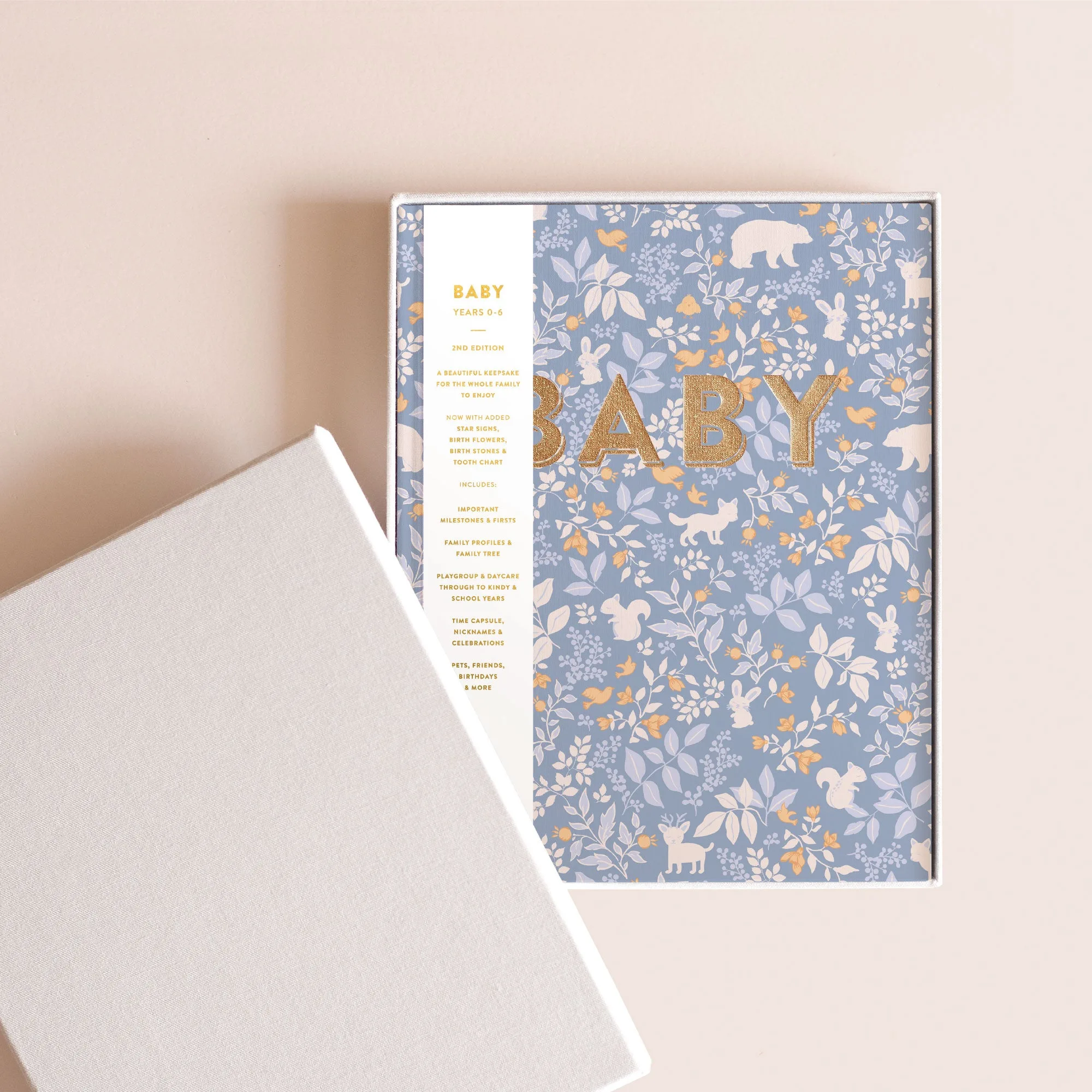
- Baby Book Forest Friends Cornflower Boxed - https://foxandfallows.com/products/baby-book-bellflower-0f37da4e6544067ec9e47c40-26209183rd Edition: This keepsake journal includes a time capsule section and gold gilded edges, and is designed as a long-term family record. If you are storing a baby blanket alongside other keepsakes, treat the blanket with the same care you would give a memory book: keep it dry, folded, and away from damp or heat so it stays presentable for years.
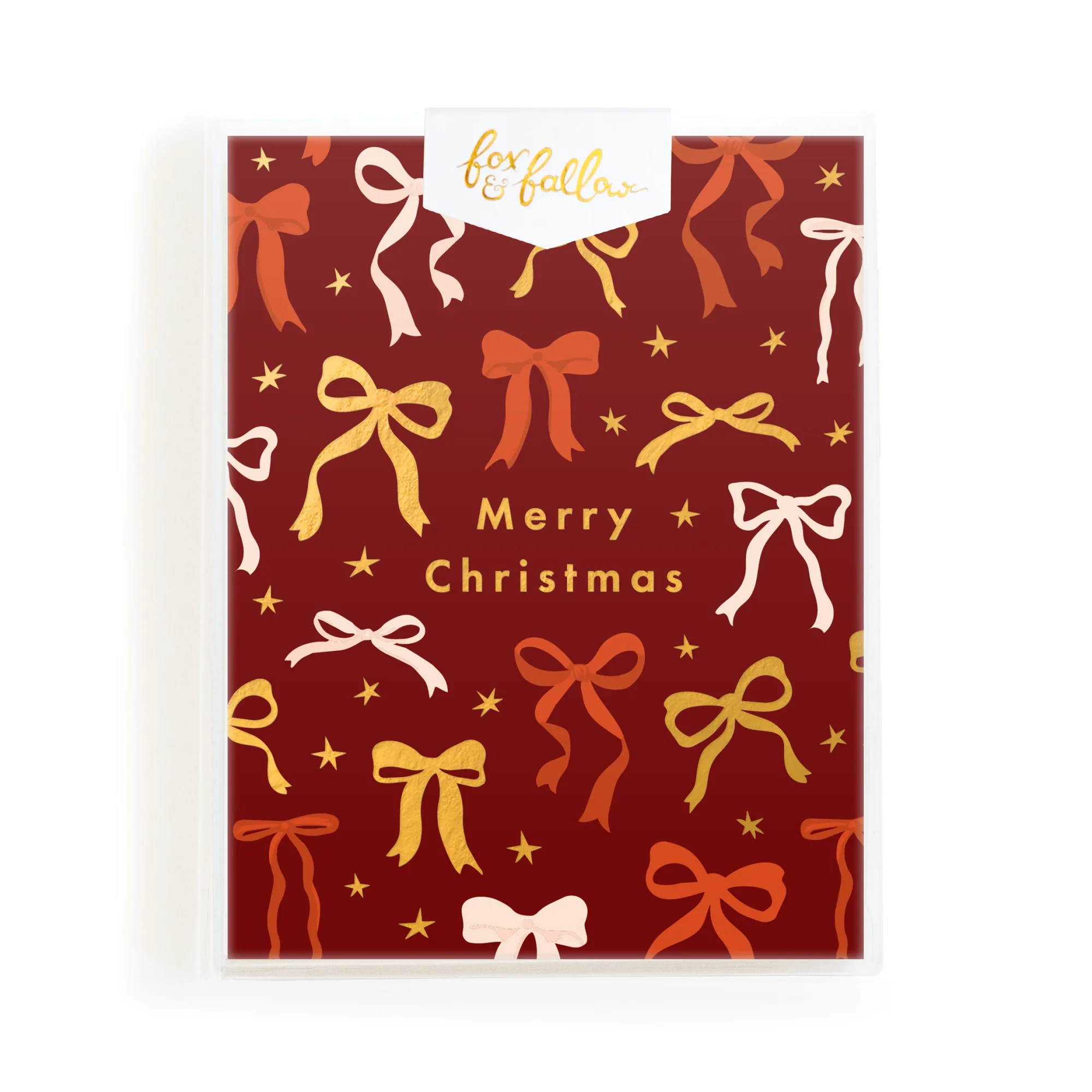
- https://foxandfallows.com/products/merry-christmas-bows-greeting-card-boxed-set-pre-order-b499ba6319cb5945bd0ee8d8-2620844Merry Christmas Bows Greeting Card Boxed Set: This boxed set contains 8 greeting cards and 8 matching envelopes made from FSC-certified warm white uncoated card stock, packaged in a clear plastic box with a gold sticker. A clear plastic box is fine for cards, but it is not a good model for blanket storage. Blankets need breathable materials, so use a cotton bag or pillowcase instead of a sealed plastic container.
Blanket care comes down to a few consistent habits: cold gentle washing, low or flat drying, and breathable storage. Follow the label, avoid heat and plastic, and your blanket will stay soft and usable for years instead of one season.