A cast iron griddle opens up a world of cooking possibilities—from fluffy pancakes and crispy bacon to smash burgers and vegetable stir-fries. But to keep that non-stick surface and even heat, you need the right care routine. Whether you’re using a dedicated griddle or a skillet like the No.8 Cast Iron Skillet for griddle-style cooking, the principles are the same: consistent seasoning, gentle cleaning, and prompt drying.
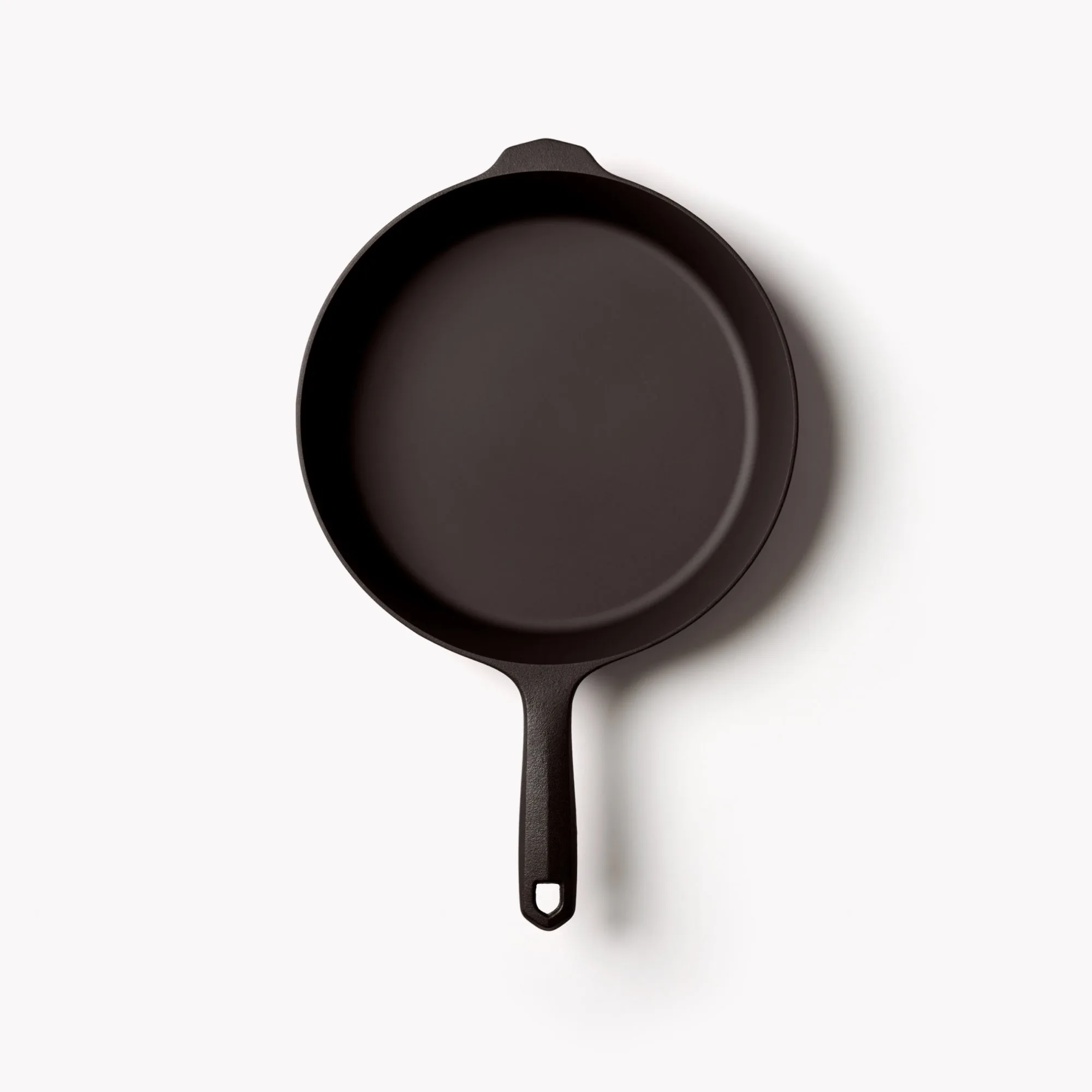
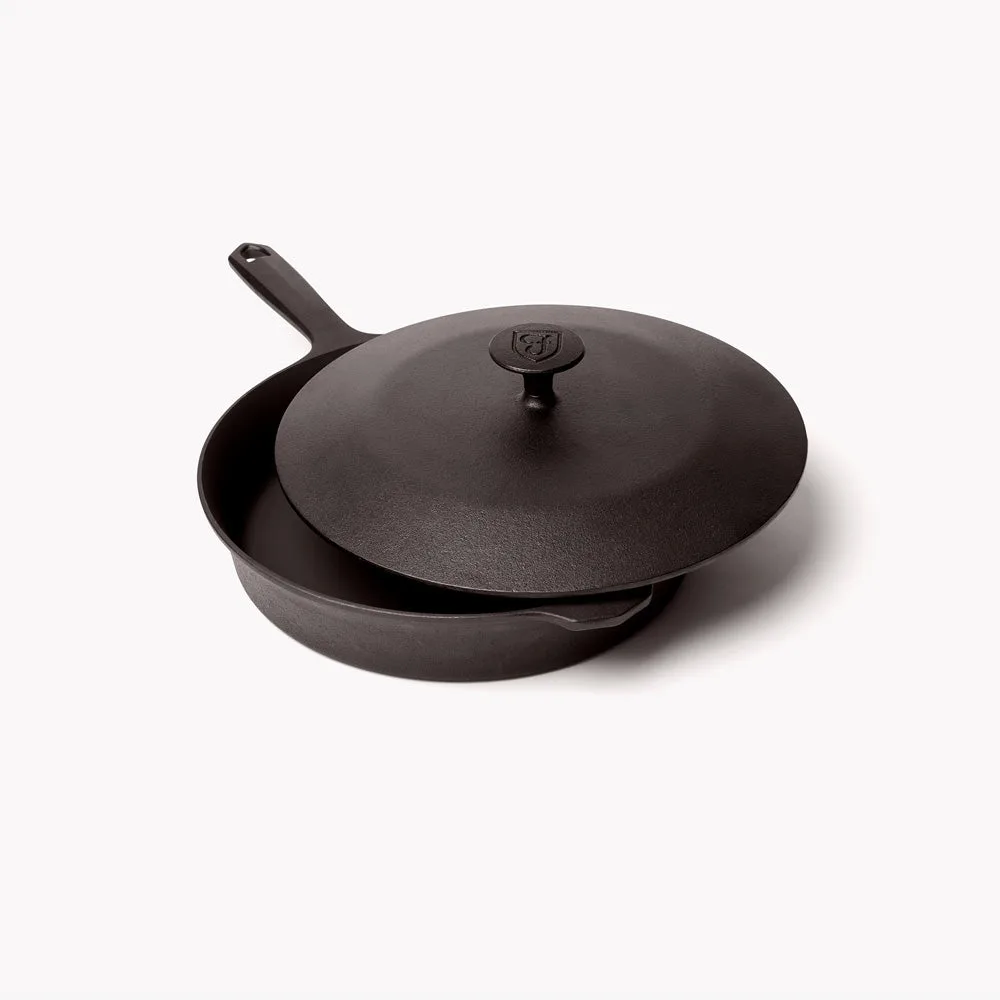
No.8 Cast Iron Skillet
Thankfully, maintaining a cast iron griddle is simpler than many cooks expect. With a few practical habits, you can prevent rust, build a durable seasoning, and enjoy perfect cooking every time. Here’s exactly what you need to know.
Seasoning Your Cast Iron Griddle Right
Seasoning is the layer of polymerized oil that gives cast iron its non-stick properties and protects it from rust. When you first get a griddle from a brand like Field Company, it arrives pre-seasoned. That’s a great start, but you’ll need to maintain and build that layer over time. The best way is to cook fatty foods like bacon or steak early on, or apply a thin coat of neutral oil (canola, grapeseed, or vegetable) and heat the griddle upside down in a 400°F oven for an hour.
Don’t overthink it. Seasoning happens naturally as you cook. If you notice food sticking in one area, simply scrub that spot, dry it, and rub on a fresh layer of oil before your next use. For best results, avoid cooking acidic foods like tomatoes or vinegar-based sauces until the seasoning is well established—after roughly a dozen uses. The same approach works for the No.8 Cast Iron Skillet if you use it as a griddle substitute.
- Use a high-smoke-point oil (like grapeseed or avocado) for oven seasoning.
- Season the entire griddle, including the underside and handle, to prevent rust on edges.
Cleaning Your Griddle the Right Way
After cooking, let the griddle cool slightly, then rinse with hot water and use a stiff brush or a non-metal scrub pad to remove food bits. Avoid soaking or putting it in the dishwasher—water is the enemy of cast iron. For stubborn residue, bring a little water to a simmer on the griddle and scrape with a metal spatula. This loosens stuck-on food without damaging the seasoning.
Soap is fine in small amounts, despite old advice. Modern dish soaps are mild and won’t strip a well-seasoned griddle. If you use soap, rinse thoroughly and dry immediately with a towel. Then place the griddle on a low burner for a few minutes to evaporate any leftover moisture. This drying step is crucial for preventing rust.
- Never put your cast iron griddle in the dishwasher.
- After washing, heat the griddle on the stove for 2–3 minutes to ensure it’s bone-dry.
Preventing and Treating Rust
Rust happens when moisture meets bare iron. To prevent it, always dry your griddle thoroughly after cleaning and store it in a dry place. If you stack it with other pans, place a paper towel or cloth between them to absorb humidity. A light coat of oil after each use adds a protective barrier.
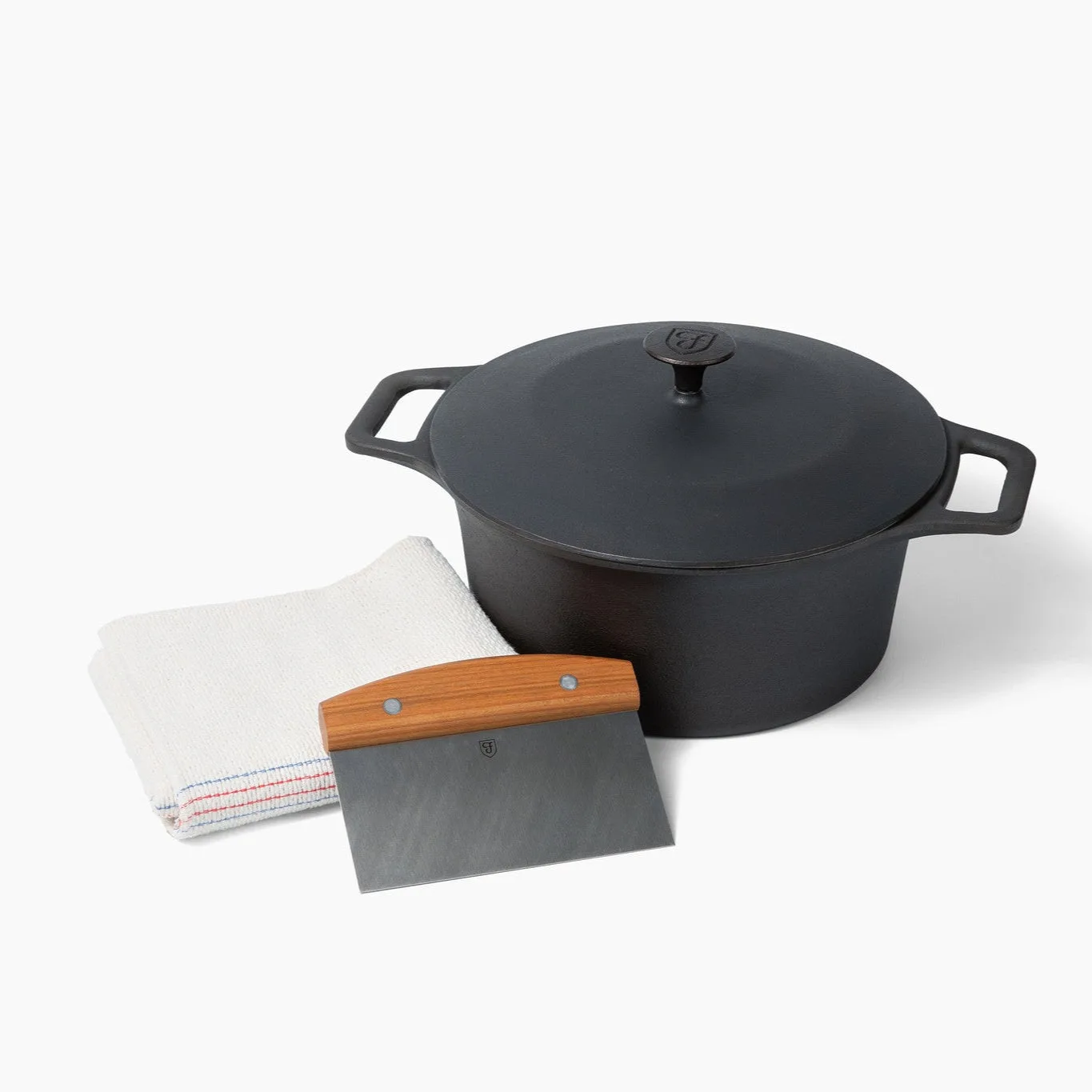
If rust appears, don’t panic. Scrub the affected area with fine steel wool or a stiff brush and a bit of water until the rust is gone. Dry, apply a thin layer of oil, and re-season in the oven or on the stovetop. With a griddle, its large flat surface makes rust removal straightforward—just be sure to oil the entire cooking surface afterward. The same method works for any piece from the 9-Piece Cast Iron Cookware Set.
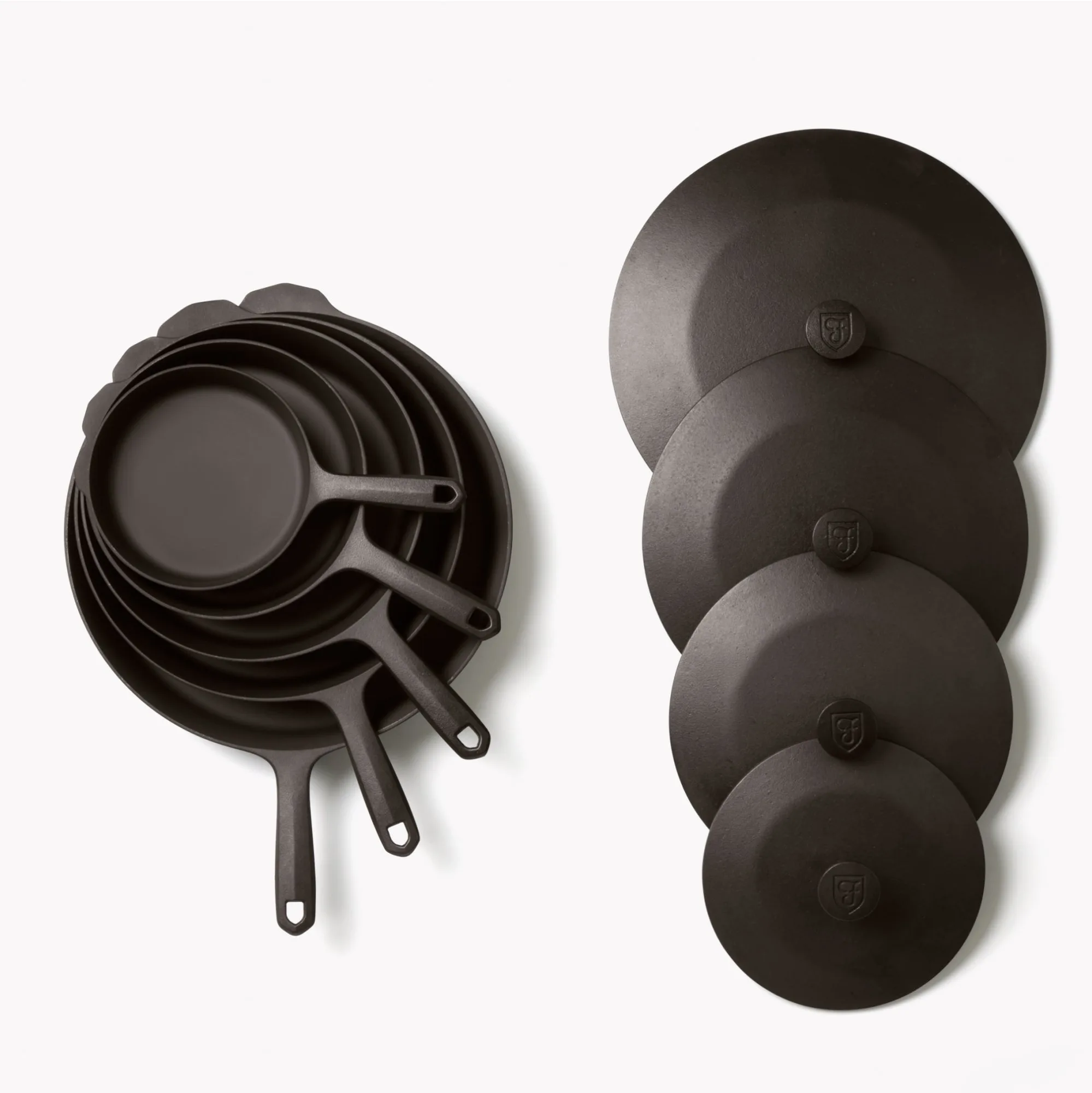
9-Piece Cast Iron Cookware Set
- Check your griddle’s edges and handle for early signs of rust—these areas often get missed.
- Store your griddle in a low-humidity cabinet or with a silica gel packet nearby.
Cooking Tips That Protect Your Seasoning
What you cook and how you cook directly affects your griddle’s seasoning. Start with moderate heat—cast iron retains heat extremely well, so high heat is rarely needed. Preheat the griddle slowly for 3–5 minutes before adding oil or food. This prevents hot spots and reduces sticking.
Use metal or wood utensils; silicone spatulas are fine but won’t help smooth the seasoning. Avoid cutting directly on the griddle—use a cutting board. And when cooking acidic foods like tomatoes or wine-based sauces, keep the cooking time short until the seasoning is thick. A well-seasoned griddle can handle them, but a new one might leach metallic flavors.
- Always preheat your griddle before adding oil to avoid sticky residue.
- If food sticks, let the griddle cool, then scrape gently with a metal spatula—never use abrasive cleaners.
Long-Term Griddle Maintenance
Every few months, give your griddle a deeper clean. Sprinkle coarse salt (kosher or sea) over the surface and scrub with a halved potato or a paper towel to remove built-up carbon. Rinse, dry, and re-oil. This removes old, burnt oil without stripping the seasoning.
If you notice the griddle looking dull or dry, apply a thin layer of oil after each use. Over time, the seasoning will darken and become more non-stick. Avoid using too much oil—a thin coat is all you need. A griddle cared for this way can last a lifetime and be passed down. The same care applies to any cast iron piece in your kitchen, from a skillet to a Dutch oven.
- Once a year, consider an oven-based re-seasoning session to refresh the entire surface.
- The Cast Iron Classics set is a great example of how uniform care keeps multiple pieces performing together.
Caring for a cast iron griddle is about building good habits: season it, clean it gently, dry it thoroughly, and oil it lightly. Follow these griddle maintenance tips, and your griddle will reward you with years of perfect pancakes, seared meats, and everything in between. Whether you’re cooking for two or feeding a crowd, a well-tended griddle is one of the most versatile tools in your kitchen.