Cast iron cookware is a favorite among campers for its heat retention and durability. Whether you're using a classic skillet over an open fire or a modern camping stove, proper care keeps it performing well for years. But many outdoor enthusiasts struggle with rust, stuck-on food, or flaking seasoning—especially after a weekend in the elements. This guide covers the essentials of camping cookware maintenance, from cleaning to storage, so your gear stays reliable trip after trip.
The good news is that maintaining cast iron doesn't require fancy products. With a few simple techniques and consistent habits, you can keep your skillet in top shape. We'll also touch on how to care for other camping cookware, like stainless steel pots and enamel-coated pieces, so you get the most out of your outdoor kitchen.
Why Cast Iron Skillet Care Matters for Camping
Cast iron is naturally prone to rust if not dried properly, and the seasoning—the layer of polymerized oil that makes it non-stick—can degrade from acidic foods or harsh scrubbing. In a camping environment, where you might be cooking over a campfire or using limited water, these challenges are amplified. Proper cast iron skillet care ensures your pan remains non-stick, rust-free, and safe to cook on.
Beyond the skillet itself, other camping cookware like aluminum pots or titanium cups need different attention. But the principles are similar: clean promptly, dry thoroughly, and store in a dry place. For instance, after a wet camping trip, you might use a clean cloth to wipe down your pan and apply a thin layer of oil before storing it in a breathable bag.
- Always dry cast iron completely over low heat after washing to prevent rust.
How to Clean a Cast Iron Skillet After Camping
The best approach to wrought-iron skillet cleaning is to act while the pan is still warm but not hot. Scrape off food residue with a plastic scraper or stiff brush—avoid soap unless you're dealing with stuck-on grease. For stubborn bits, boil a little water in the skillet to loosen them, then scrub gently. Rinse with warm water and dry immediately over a flame or stove.
If you're using a product like the 18-in-1 Natural Soap (240 ml) from Dr. Bronner's, a tiny drop is fine for occasional deep cleaning. Just be sure to rinse thoroughly and re-season the pan afterward. Avoid soaking cast iron in water, as that invites rust. For enamel-coated cookware, mild soap and a non-abrasive sponge work well—just don't use metal scouring pads.
- Use a stiff brush or scraper first; only use soap when necessary.
Seasoning Your Camping Skillet: Step by Step
Seasoning is the key to a non-stick surface and rust protection. After cleaning, dry the skillet thoroughly, then rub a thin layer of high-smoke-point oil (like flaxseed or canola) all over the inside and outside. Place it upside down in a campfire or oven at 375°F (190°C) for about an hour. Let it cool slowly in the oven or off the fire.
For camping cookware maintenance, you can season your skillet right at the campsite. After your last meal, clean the pan, apply oil, and heat it over the fire until it smokes. Let it cool, then wipe off excess oil. This quick method works well for a Petromax skillet or any cast iron pan. If you're using a stainless steel pot, seasoning isn't needed, but a light oil coat can prevent food from sticking.
- Heat the skillet until the oil just begins to smoke for a proper seasoning layer.
Storing Your Cast Iron and Other Camping Cookware
Store cast iron in a dry place with the lid off to allow air circulation. If stacking pans, place a paper towel or cloth between them to absorb moisture. For long-term storage, apply a light coat of oil and wrap in a cotton bag. Avoid storing in plastic bags, which trap humidity.
For other camping cookware, like the Mono Minimal Set - Midnight Burgundy, which includes a pot and bowl, keep them clean and dry. Silicone or plastic pieces should be stored away from direct sunlight to prevent degradation. A simple pouch, such as the Carry Essentials Simple Pouch Mono 2L in Diamond Black, can keep small items organized and protected from scratches.
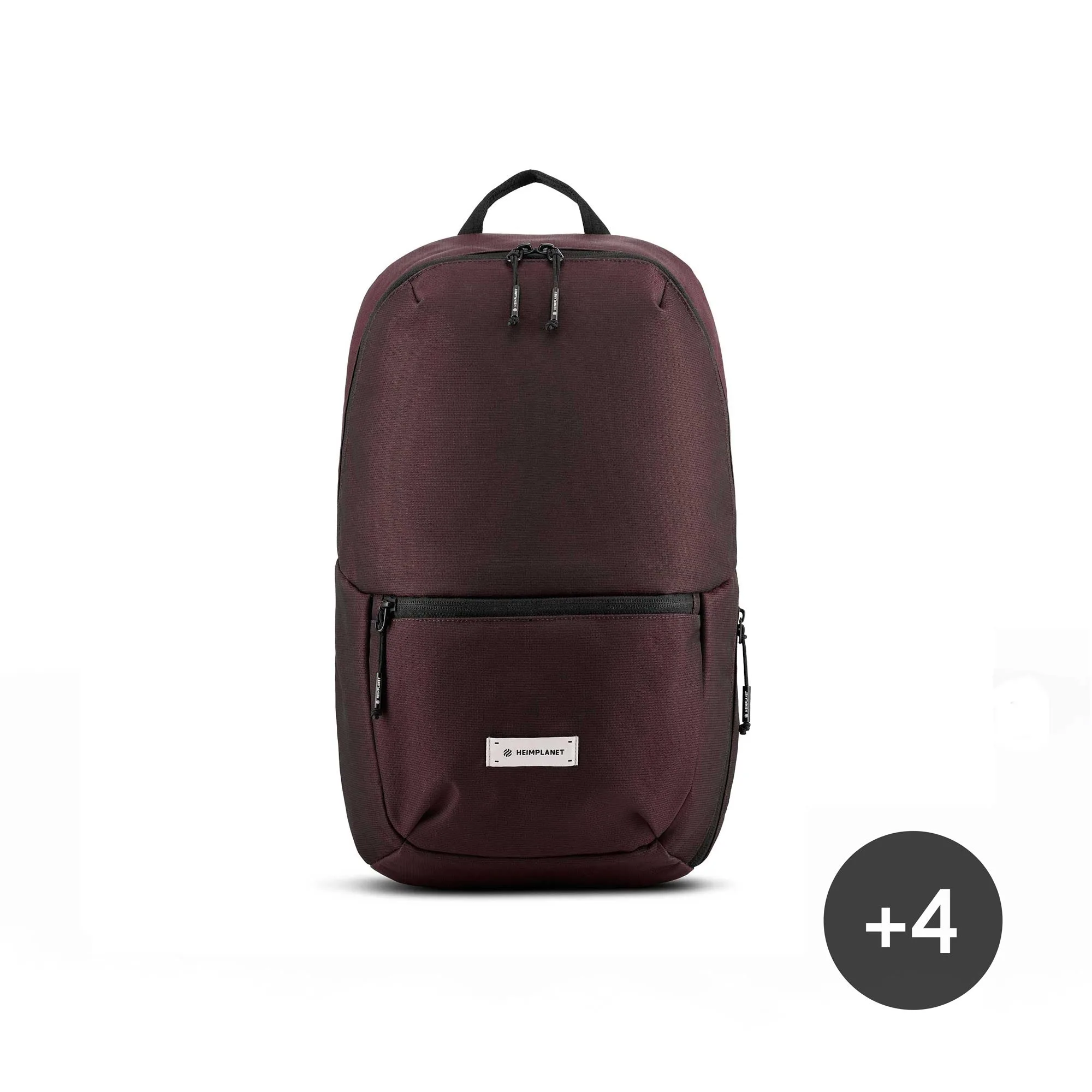
Mono Minimal Set - Midnight Burgundy
- Never store cast iron with the lid tightly sealed—moisture can cause rust.
Common Mistakes in Camping Skillet Care
One common error is using soap every time you clean. While a little soap won't ruin a well-seasoned pan, frequent use can strip the seasoning. Another mistake is putting a cold skillet directly onto a hot fire, which can cause warping. Always preheat slowly. Also, avoid cooking acidic foods like tomatoes for long periods in cast iron, as they can react with the metal and impart a metallic taste.
If you're new to camping cookware maintenance, start with a dedicated skillet like a Petromax model and practice seasoning at home before a trip. For enamel or non-stick cookware, never use metal utensils—stick to wood or silicone. And remember, a little care goes a long way: a well-maintained skillet can last a lifetime.
- Preheat your skillet gradually to avoid thermal shock and warping.
Caring for your cast iron skillet and camping cookware doesn't have to be complicated. By cleaning promptly, seasoning regularly, and storing correctly, you'll extend the life of your gear and enjoy better meals outdoors. Whether you're using a classic skillet or a modern set like the Mono Minimal Set, these tips will help you cook with confidence on every trip.