Quick answer
Care for hats by treating them like technical gear: spot clean after every sweaty hunt, hand wash a baseball cap only when needed, air dry at room temperature, and store it structured so the crown and brim hold their shape. That simple routine is what extends hat life and keeps a cap ready for the next season.
A hunting hat takes more abuse than almost anything else you carry. It soaks up sweat on the climb, collects dust and pollen on the stalk, gets rained on, and then gets stuffed into a pack or a truck console. None of that has to shorten its life, but neglect will.
The good news is that hat maintenance is not complicated. It is a short, repeatable routine: clean the sweatband, wash the cap gently when it truly needs it, dry it with structure, and store it where it can keep its shape. Do that and a well-made cap will outlast several cheap replacements.
Start with the sweatband, not the whole hat
Most of the grime on a hunting hat lives in the sweatband and along the inner crown. That is where salt, oils, and bacteria build up, and it is also the easiest area to clean without wetting the whole cap. After a hunt, wipe the band with a damp cloth and a drop of mild soap, then wipe again with clean water. This one habit prevents most of the odor and staining that makes people think a hat is finished.
A moisture-wicking sweatband, like the one on the PEAX PINNACLE HAT (Black/White), gives you an advantage here because it moves sweat away from the fabric instead of letting it soak in. Even so, it still needs a wipe-down. The mistake to avoid is drenching the entire hat every time it feels sweaty. Over-washing is a leading cause of faded color, softened brims, and misshapen crowns.

PEAX PINNACLE HAT (Black/White)
- Use cool water and a mild, fragrance-free soap; harsh detergent strips finishes and can leave residue against your skin.
- Never scrub the brim edge with a stiff brush; a soft cloth is enough for routine cleaning.
Wash a baseball cap by hand, not in the machine
When a hat genuinely needs a full wash, do it by hand in a sink or bucket with cool water and a small amount of mild soap. Submerge the cap, gently work the soap through the fabric with your fingertips, and let it soak for a few minutes. Pay attention to the sweatband and the front panel, where oils collect. Rinse with cool water until no soap remains.
This is the step where most hats get ruined. A washing machine, even on gentle, can crush the crown, bend the brim, and fray stitching. A dishwasher is worse. If you are tempted to machine wash a structured cap, remember that the structure is the whole point. Hand washing takes five minutes and protects the shape you paid for.
- Check for a care label first; if the manufacturer gives specific instructions, follow those over any general advice.
- For a structured crown, support the inside with your hand while rinsing so the front panel does not collapse.
Dry with structure and away from heat
After washing, gently press the hat between two clean towels to remove excess water. Do not wring or twist it. Then reshape the crown and brim by hand and set it on a clean, dry surface or over an upside-down bowl so air can circulate. A structured, high-profile crown holds its shape better when it dries in the position you want it to keep.
Heat is the enemy. Direct sun, a hot truck dashboard, a hair dryer, or a radiator can shrink fabric, warp a brim, and break down adhesives and foam. Air dry at room temperature, ideally overnight. If the hat is still damp at the sweatband the next morning, give it more time. Putting a damp hat back on your head or into a stuff sack invites odor and mildew.
- Never dry a hat on a heater or in a clothes dryer; heat damage is usually permanent.
- If the brim needs a slight reset, reshape it while damp, then let it dry fully in that position.
Store hats so they keep their shape
Storage is the quiet part of hat maintenance that most hunters skip. A hat tossed into a gear bin under other equipment will crush, crease, and lose its structure. Instead, store hats on a shelf, on a hook by the crown, or in a box where nothing presses on them. If you stack hats, stack them brim to brim with the crowns nested so the front panels are not compressed.
For a snap-back closure, leave the strap adjusted to a size that keeps the crown relaxed rather than stretched. If the hat is wet from rain or sweat, let it dry before storing it. A little airflow in storage prevents mildew and keeps the fabric from smelling like a locker room next season.
- Keep long-term storage out of damp basements and hot attics.
- Avoid hanging a structured hat by the brim; the weight can distort it over time.
Handle the small repairs before they become big ones
Inspect your hat after each season. Look for loose stitching, a peeling brim edge, a stretched sweatband, or a snap that no longer holds. Small fixes, like re-stitching a seam or replacing a snap, are cheap compared to replacing the hat. If the sweatband is worn out but the shell is in good shape, a replacement band can bring the hat back into rotation.
The mistake here is waiting until the damage is obvious. A tiny fray on the brim edge becomes a full delamination once water gets inside. A quick check at the end of the season, before the hat goes into storage, is the easiest way to extend hat life without extra effort during the hunt.
- Note any repair needs on your phone so you remember them before next season.
- If a repair is beyond a simple stitch, a local tailor or gear repair shop can often handle it for less than a new hat.
Your hat care routine, step by step
- Step 1: Wipe the sweatband after every hunt: Use a damp cloth with a drop of mild soap, then wipe with clean water. This removes salt and oils before they set into the fabric. Checkpoint: if the cloth comes away clean, you are done. If not, repeat once.
- Step 2: Spot clean marks and dust: Treat small stains and dust with a soft cloth and cool water. Avoid scrubbing the brim edge or the front panel. Mistake to avoid: rubbing hard enough to fuzz the fabric or lift the brim edge.
- Step 3: Hand wash only when needed: Fill a sink with cool water and mild soap, submerge the cap, work soap through gently, and rinse until clean. Mistake to avoid: using a washing machine or dishwasher, which can crush the crown and bend the brim.
- Step 4: Press out water and reshape: Blot with a clean towel, then reshape the crown and brim by hand while the hat is still damp. Never wring or twist the hat; that is how brims crack and crowns lose structure.
- Step 5: Air dry at room temperature: Set the hat on a dry surface or over an upside-down bowl so air circulates. Keep it out of direct sun and away from heaters. Checkpoint: the sweatband should be completely dry before you wear or store the hat.
- Step 6: Store with structure and airflow: Place the hat on a shelf, hook, or box where nothing presses on the crown. Leave the snap-back relaxed, not stretched. Mistake to avoid: stuffing a damp hat into a gear bin where it can mildew and lose shape.
- Step 7: Inspect and repair at season's end: Look for loose stitching, a peeling brim, or a stretched band. Fix small issues before storage so the hat is ready next season. A five-minute end-of-season check is the easiest way to extend hat life.
Gear notes that help with hat care
- PEAX PINNACLE HAT (Black/White): High-profile structured crown, snap-back closure, and a moisture-wicking sweatband. The structured crown is what gives the hat its shape, so it should be hand washed and dried with support rather than machine washed. The moisture-wicking sweatband also means routine wipe-downs after sweaty hunts will handle most of the cleaning.
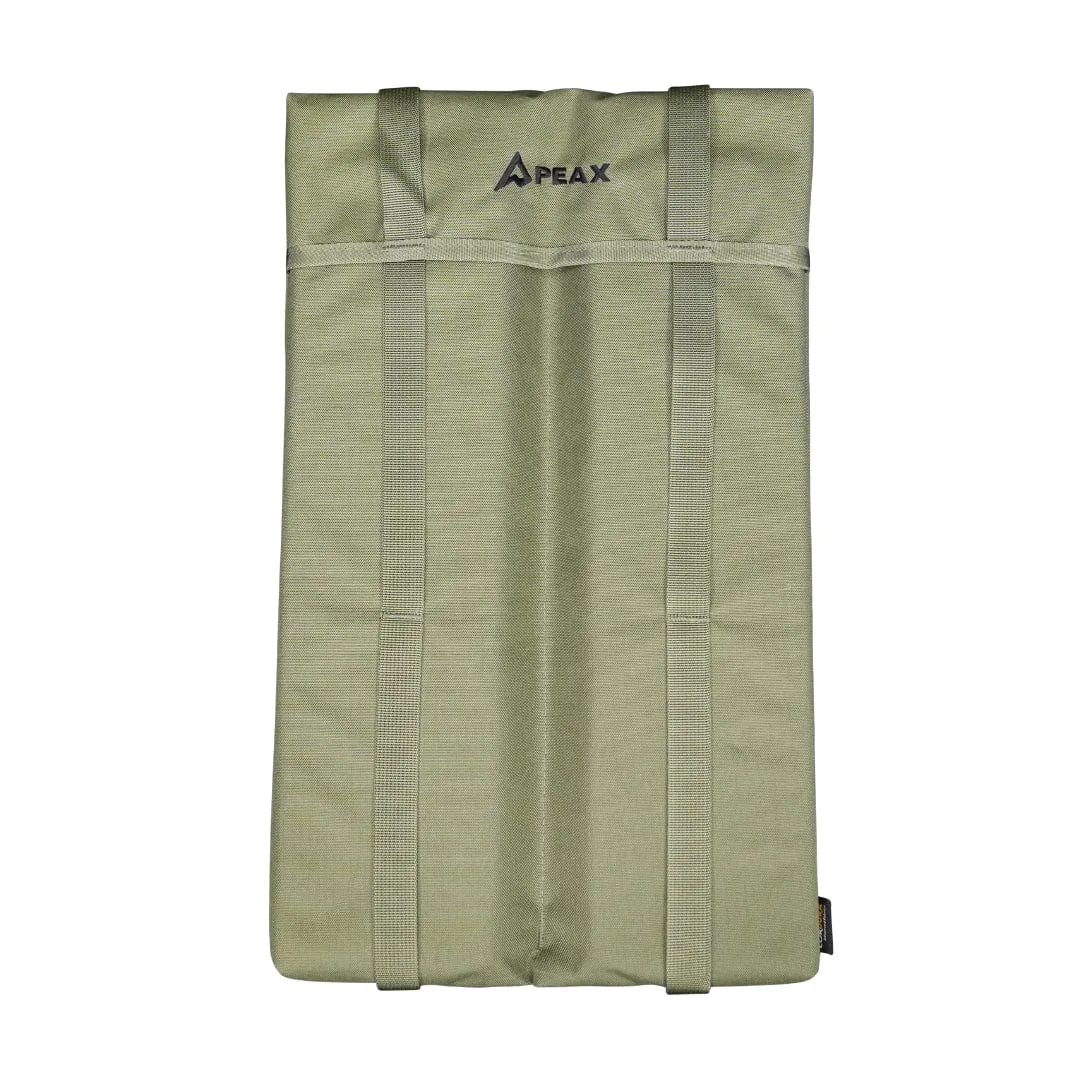
- GLASSING PAD: Provides lightweight insulation and cushioning for long hours behind the glass on cold, wet, or rocky ground. A dedicated pad keeps you off wet ground and protects your knees and seat, which means less mud and moisture transferred to your hat and other soft gear when you stand up to move.
Hat care comes down to a few consistent habits: wipe the sweatband, wash by hand only when necessary, dry with structure, and store it where it can hold its shape. Do that and your hat will keep doing its job season after season.