Quick answer
Wash HOM underwear in cold or lukewarm water on a gentle cycle, turn prints and dark colors inside out, and skip the dryer. Use a mesh bag for micro briefs and swim briefs, and measure a mild detergent instead of pouring freely. That single routine protects waistbands, fabric softness, and color, which is what actually extends underwear life.
Underwear takes more abuse than almost anything else you own: sweat, repeated stretching, and frequent washing. The fabric usually fails long before the seams do, and most of that damage happens in the wash, not on your body.
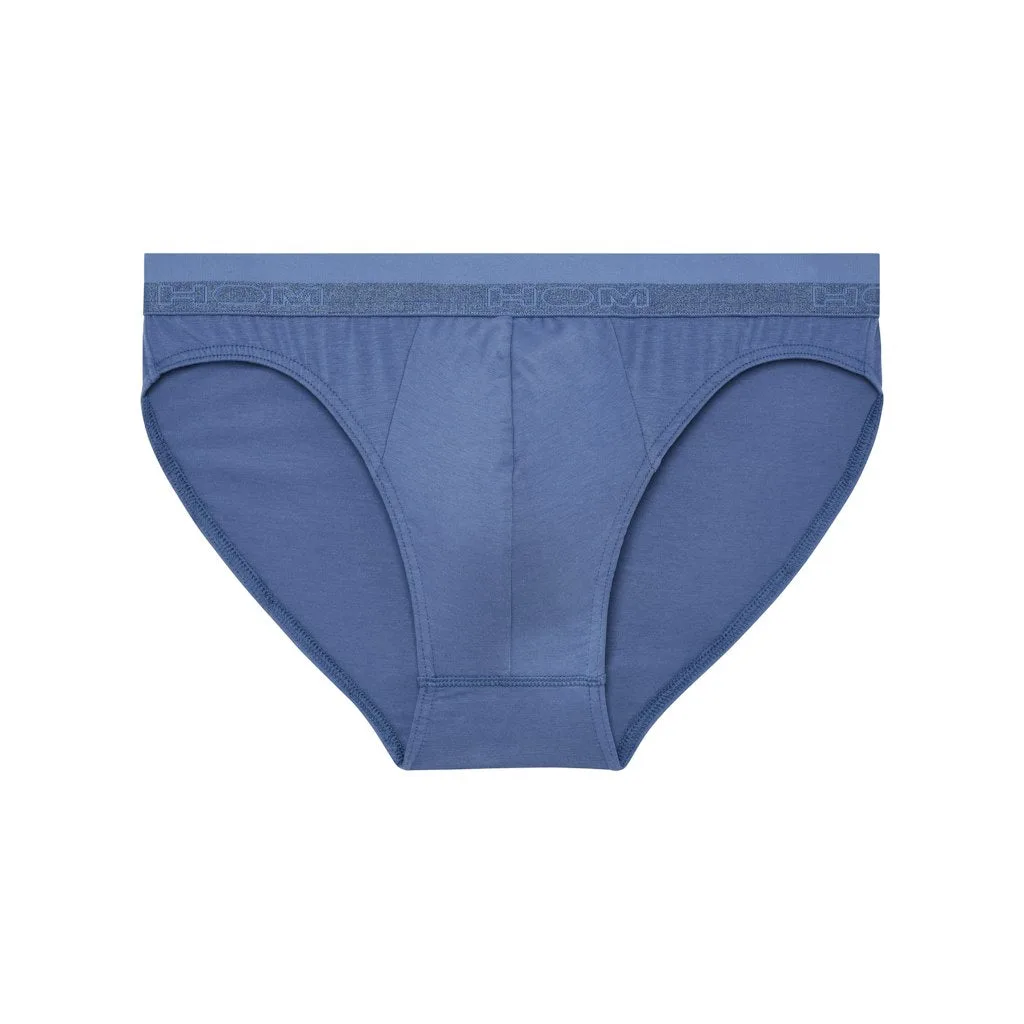
HOM underwear covers a wide range of materials, from stretchy cotton and modal to polyamide and elastane microfiber. Each behaves a little differently, but one routine handles all of them well. Follow the steps below and your boxer briefs, trunks, and mini briefs will stay supportive and comfortable far longer.
Step 1: Read the label before the first wash
Every HOM piece tells you what it is made of, and that determines how you treat it. Modal cotton blends, like those in the Fontainebleau Boxer Briefs and the Ocean Drive Comfort Boxer Briefs, feel soft and breathable but dislike high heat. Microfiber styles such as the Rockcity Trunk are made from polyamide and elastane, which stay smooth and opaque but can lose shape if dried hot.
The most common mistake is assuming all underwear washes the same. It does not. The second mistake is cutting off the care tag before reading it. Leave the tag on until you have washed the item once, then decide whether to keep it.
- Checkpoint: if the label lists elastane or modal, plan for cold water and air drying.
Step 2: Turn prints and dark colors inside out
Turning underwear inside out puts the friction of the wash on the inside surface instead of the print or finish. That matters for patterned styles such as the Vizzavona Comfort Micro Briefs and the Fontainebleau Boxer Briefs, where the surface design is part of the appeal. It also protects the fabric-covered waistband on the Ocean Drive Comfort Boxer Briefs, which is designed with no elastic against the skin.
The mistake here is tossing everything in loose. Separate lights from darks, and keep anything with a print away from towels or garments with zippers that can snag. A quick sort takes seconds and prevents most pilling.
- Checkpoint: if you can see the print facing the drum, you turned it the wrong way.
Step 3: Wash cool and gentle, and use a mesh bag
Cold or lukewarm water on a gentle or delicate cycle is the safest default for every HOM fabric, including the polyamide elastane used in the Sea Life Swim Mini Briefs. Heat is what breaks down stretch fibers over time, so keeping the temperature down is the single biggest factor in how to care for underwear that lasts.
Use a mesh laundry bag for micro briefs and swim briefs. Small, lightweight pieces can stretch around an agitator or get caught on other garments. The mistake to avoid is cramming the machine full: underwear needs room to move, or it stays soapy and creased.
- Checkpoint: if the drum looks packed, split the load instead of adding more detergent.
Step 4: Measure mild detergent, never pour freely
Too much detergent leaves residue in the fabric, which dulls color and can feel itchy against the skin. Use the amount recommended for a small load, choose a mild or free-and-clear formula, and skip chlorine bleach entirely. If you use fabric softener, use it sparingly or not at all, because it coats stretch fibers and reduces their ability to recover.
The mistake is treating underwear like a heavy-duty load. It is not. Gentle detergent plus a gentle cycle does the job without stripping the softness that makes modal cotton and microfiber comfortable in the first place.
- Checkpoint: if the rinse water still foams, you used too much detergent.
Step 5: Air dry, and reshape while damp
Skip the dryer. High heat is the fastest way to shrink cotton blends and weaken elastane, and it also fades dark prints. Lay underwear flat or hang it to dry in the shade, away from direct sun, which can dull color over time. Reshape waistbands and leg openings while the fabric is still damp so they dry in their intended form.
The mistake is hanging wet underwear by the waistband and letting the weight stretch it out. Drape it over a rack or use clip hangers on the sides instead. If you must use a dryer in a pinch, choose the lowest heat setting and remove items while slightly damp.
- Checkpoint: if the waistband feels loose after drying, gravity did the damage, not the fabric.
Step 6: Rotate, rest, and store clean and dry
No single pair should carry your whole week. Rotating several pairs gives each one time to fully dry and recover its shape, which quietly extends underwear life more than any detergent can. Store clean, completely dry underwear folded in a drawer rather than crammed into a tight space where waistbands stay compressed.
The mistake is putting anything away slightly damp, which encourages odor and mildew. If you travel, pack underwear flat and keep swimwear separate from dry clothing until it is fully dry.
- Checkpoint: if a pair smells musty after washing, it did not dry completely. Rewash it.
Step 7: Refresh between washes without over-washing
Daily washing is not always necessary if a pair was worn for only a few hours indoors. Airing underwear overnight in a ventilated spot helps it stay fresh between washes, which reduces wear from repeated cycles. For swimwear, rinse in cool water right after wearing to remove chlorine or salt, then air dry.
The mistake is reaching for heavy fragrance sprays or heat to mask odor. Both damage fabric and hide the real signal that an item needs washing. Keep underwear fresh with airflow and timely washing, not with shortcuts.
- Checkpoint: if it still smells after airing overnight, wash it.
Your weekly underwear care routine
- 1. Sort and turn inside out: Separate lights from darks and turn prints and dark colors inside out before they go in the basket. Checkpoint: prints should face the drum, not the door.
- 2. Bag the small pieces: Place micro briefs and swim briefs in a mesh laundry bag so they keep their shape in the machine. Checkpoint: if a piece can wrap around the agitator, it needs a bag.
- 3. Wash cool on gentle: Use cold or lukewarm water, a gentle cycle, and a measured amount of mild detergent. Checkpoint: no chlorine bleach, and softener only if you truly need it.
- 4. Air dry and reshape: Lay flat or hang in the shade, reshaping waistbands and leg openings while damp. Checkpoint: skip the dryer, or use the lowest heat and remove while damp.
- 5. Rotate and store dry: Give each pair rest between wears and store only fully dry underwear in a loose drawer. Checkpoint: anything musty goes back in the wash.
How HOM fabrics respond to care
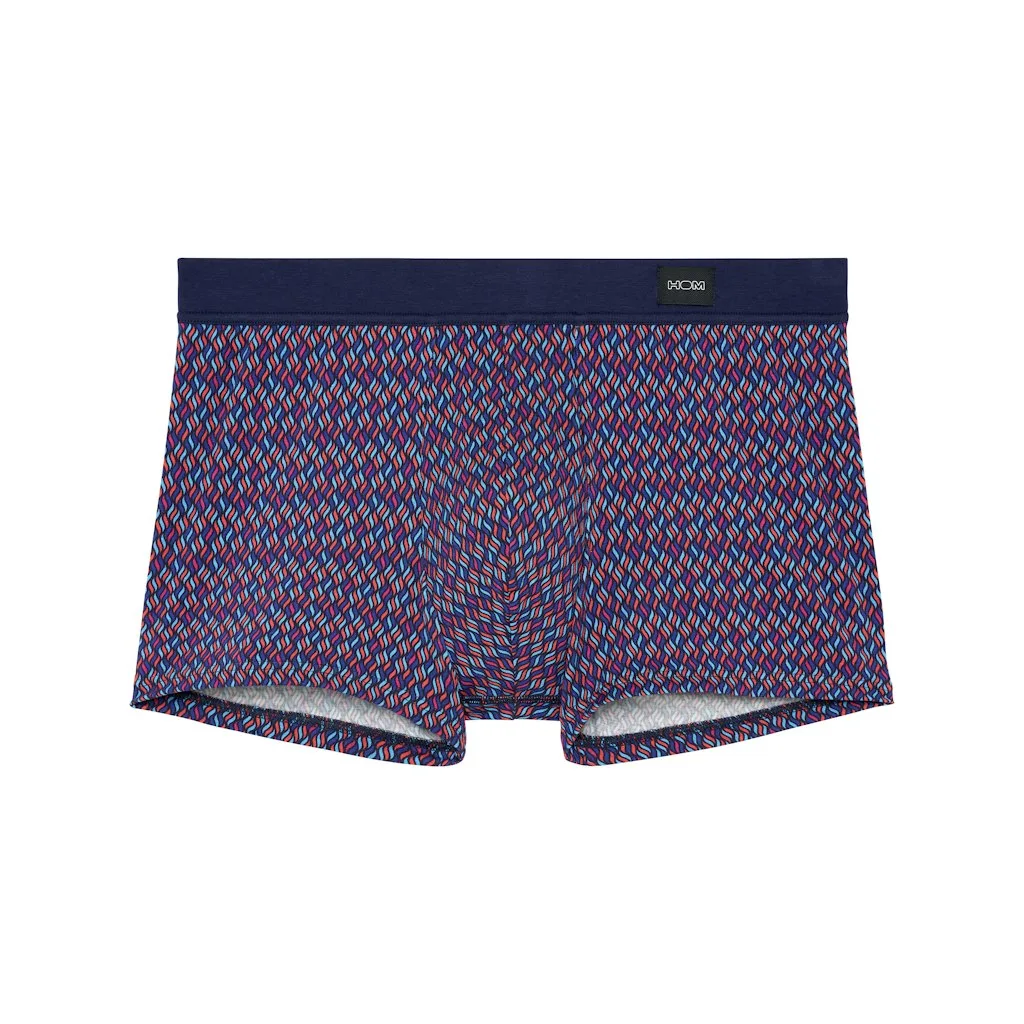
- Ocean Drive Comfort Boxer Briefs | Red Print 403130-I0PA: These comfortable boxer briefs feature a soft, enveloping fabric-covered waistband with no elastic against the skin, made from stretchy cotton and modal. The fabric-covered waistband is the part most easily stretched by heat and hanging, so air dry these flat to keep the no-elastic feel intact.
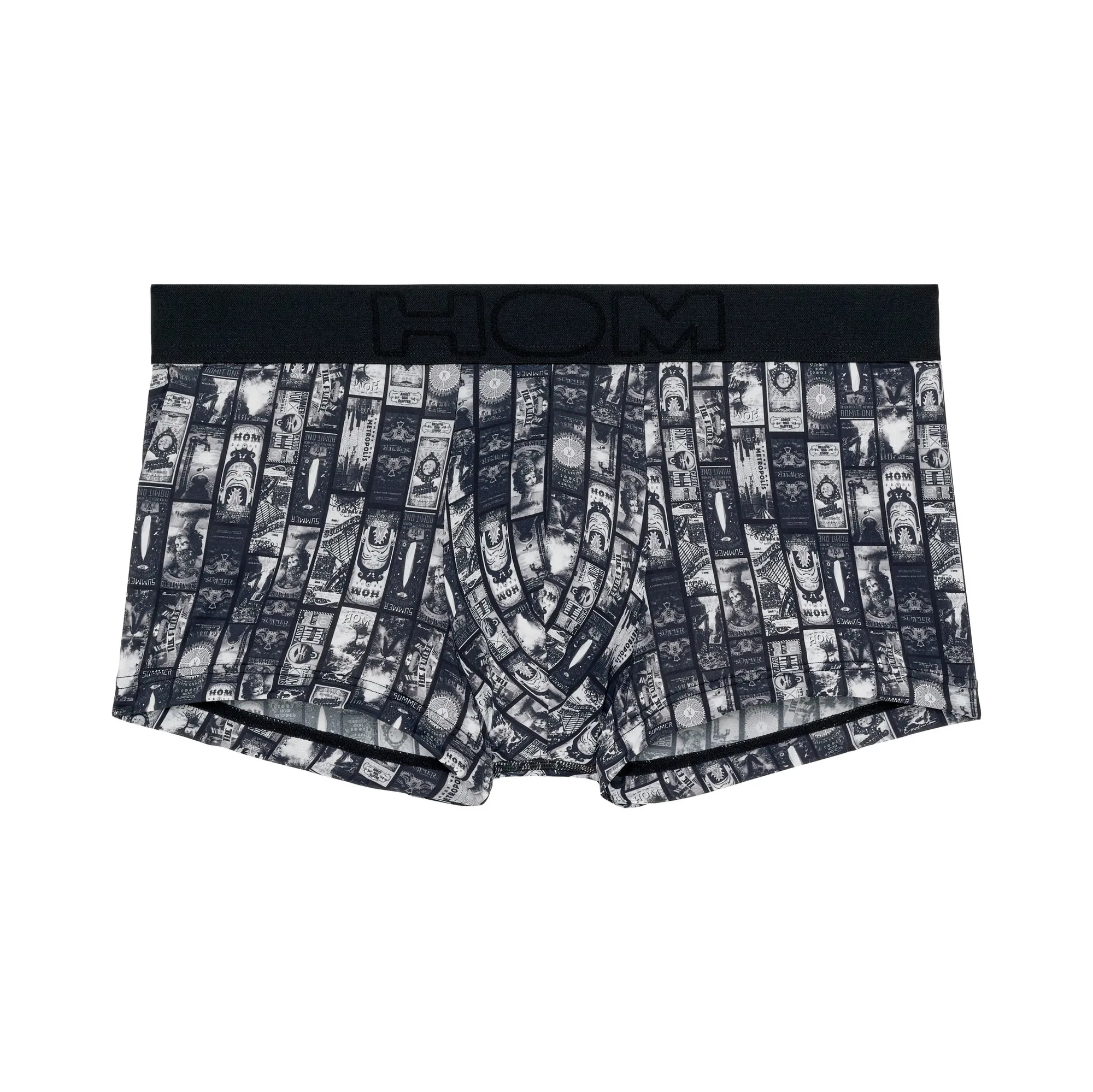
- Rockcity Trunk | Dark Grey Print 402964-P284: The ROCKCITY Trunk is a microfiber short boxer brief made from polyamide and elastane, with a fresh, soft and silky fabric. Polyamide and elastane recover best in cool water and air, so avoid hot drying if you want the silky feel and shape to last.
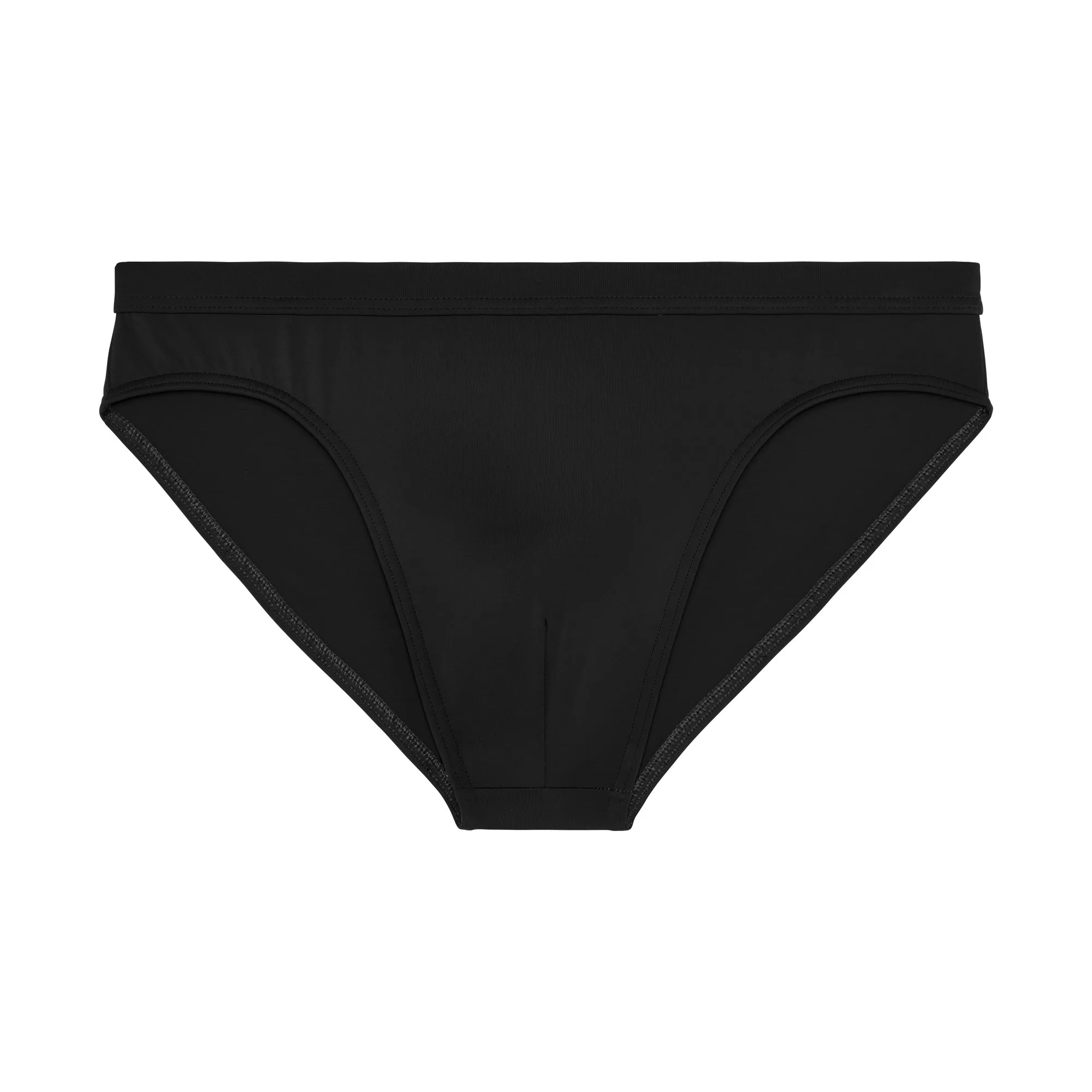
- Sea Life Swim Mini Briefs | Black 402534-0004: The SEA LIFE swim briefs are made of polyamide elastane, which does not crease and maintains the intensity of color over time. Rinse these in cool water after swimming and air dry them; skipping chlorine and hot dryers is what preserves the color and opaque finish.
Good underwear care is mostly about avoiding heat, overdosing detergent, and the dryer. Follow these steps and your HOM boxer briefs, trunks, and mini briefs will keep their support, softness, and color through far more wears.