Quick answer
Turn joggers and sweatshirts inside out, wash them in cold water on a gentle cycle with like colors, and skip the dryer. Lay them flat or hang them to dry. This one routine prevents most shrinking, pilling, and stretched cuffs, and it keeps elastic waistbands and drawstrings working the way they should.
Joggers and sweatshirts take more abuse than almost anything else in your closet. They get worn on rest days, thrown in a gym bag, and washed more often than jeans or jackets. Without a simple care routine, the fabric pills, cuffs stretch out, and colors fade long before the garment is actually worn out.
The good news is that you do not need special products or a separate laundry day. A few changes to how you sort, wash, and dry these pieces will keep them soft and structured for years. Here is the step-by-step process, including the mistakes that cause most jogger and sweatshirt damage.
Why joggers and sweatshirts need different care
Most joggers and sweatshirts are made from cotton fleece, cotton blends, or performance fabrics. Fleece has a brushed inner surface that gives it warmth and softness. Heat and friction break down that brushed surface, which is why a favorite hoodie can start feeling thin and rough after a few months of hot washes and high-heat drying.
Elastic waistbands, cuffs, and drawstrings add another weak point. High heat degrades elastic over time, so waistbands lose snap and cuffs stop hugging your ankles. Fabric softener and dryer sheets can also coat performance fabrics and reduce moisture wicking, which matters if you wear joggers for workouts or lounging after training.
- Check the care tag first. If it says cold wash and line dry, follow that over any general advice.
- Separate heavy items like jeans from lightweight joggers to reduce friction and pilling.
Sort by fabric weight, not just color
Color sorting still matters, but fabric weight matters just as much for joggers and sweatshirts. A heavy fleece hoodie tumbling against a thin modal trunk or a lightweight tee creates friction that causes pilling. Wash heavy fleece together and lighter knits together when you can.
If you are short on loads, use mesh laundry bags for smaller items and turn everything inside out. This reduces surface abrasion and protects prints, logos, and embroidery. It also keeps drawstrings from tangling around other garments, which is a common cause of stretched or broken cords.
- Zip zippers and button buttons before washing to prevent snags.
- Empty pockets. A forgotten tissue will coat an entire load in lint.
Wash in cold water on a gentle cycle
Cold water is the single most effective habit for keeping joggers looking new. It reduces shrinkage, slows color fading, and is gentler on elastic and prints. Use a normal amount of mild detergent, not extra. More suds do not mean cleaner clothes, and leftover detergent can make fabric feel stiff.
Choose a gentle or delicate cycle if your machine has one. If your joggers are heavily soiled from a workout, pretreat the area with a small amount of detergent and let it sit for ten minutes before washing. Avoid chlorine bleach on colored or performance fabrics because it weakens fibers and strips color.
- Skip fabric softener on performance joggers. It leaves a coating that traps odor.
- Wash similar colors together for the first few cycles, since new dark fabrics can bleed.
Dry flat or hang dry
The dryer is where most sweatshirt care tips get ignored, and it is the fastest way to shrink a hoodie or bake wrinkles into joggers. High heat also breaks down elastic waistbands and cuffs. If you must use a dryer, choose the lowest heat setting and remove items while they are still slightly damp.
The better option is to lay joggers flat on a drying rack or hang them by the waistband. Hanging a heavy sweatshirt by the shoulders can stretch the neckline, so fold it over a rack bar instead. This keeps the shape intact and avoids the crisp, stiff feel that comes from overdrying.
- Reshape cuffs and waistbands with your hands before drying.
- Dry away from direct sunlight to prevent fading, especially on dark colors.
Store them so they keep their shape
Jogger maintenance does not stop at the laundry room. Folding joggers and sweatshirts is better than hanging them, because hangers can stretch shoulders and waistbands over time. Fold along the seams and stack them loosely in a drawer or on a shelf.
If you hang hoodies, use a wide, padded hanger and support the weight from the body, not the hood. Rotate your most-worn pieces so one pair does not take all the wear. Giving elastic a day off between wears helps it recover and last longer.
- Do not cram drawers. Compressed fabric wrinkles and loses loft.
- Keep a mesh bag handy for small items so they do not get lost in the wash.
Your 5-step jogger and sweatshirt care routine
- Step 1: Read the care tag and turn items inside out: Check the tag for temperature and drying instructions before anything else. Turn joggers and sweatshirts inside out to protect the outer surface, prints, and embroidery from friction. Checkpoint: if the tag says line dry, do not put it in the dryer, even on low.
- Step 2: Sort by fabric weight and color: Wash heavy fleece with heavy fleece and lighter knits with lighter knits. Keep dark colors together for the first few washes to avoid dye transfer. Mistake to avoid: mixing a new dark hoodie with light joggers in the same load.
- Step 3: Wash cold on a gentle cycle with mild detergent: Use cold water and a gentle or delicate cycle. Measure detergent instead of pouring freely, and skip fabric softener on performance fabrics. Checkpoint: if the load smells strongly of detergent after washing, you used too much.
- Step 4: Dry flat or hang dry, never on high heat: Lay joggers flat on a rack or hang them by the waistband. Fold heavy sweatshirts over a bar instead of hanging them by the shoulders. Mistake to avoid: leaving items in the dryer after the cycle ends, which sets wrinkles and overdries elastic.
- Step 5: Fold and rotate your rotation: Fold joggers and sweatshirts rather than hanging them. Give elastic waistbands and cuffs a rest day between wears so they recover their shape. Checkpoint: if cuffs feel loose, stop drying them entirely and let them air dry from now on.
Product facts worth knowing
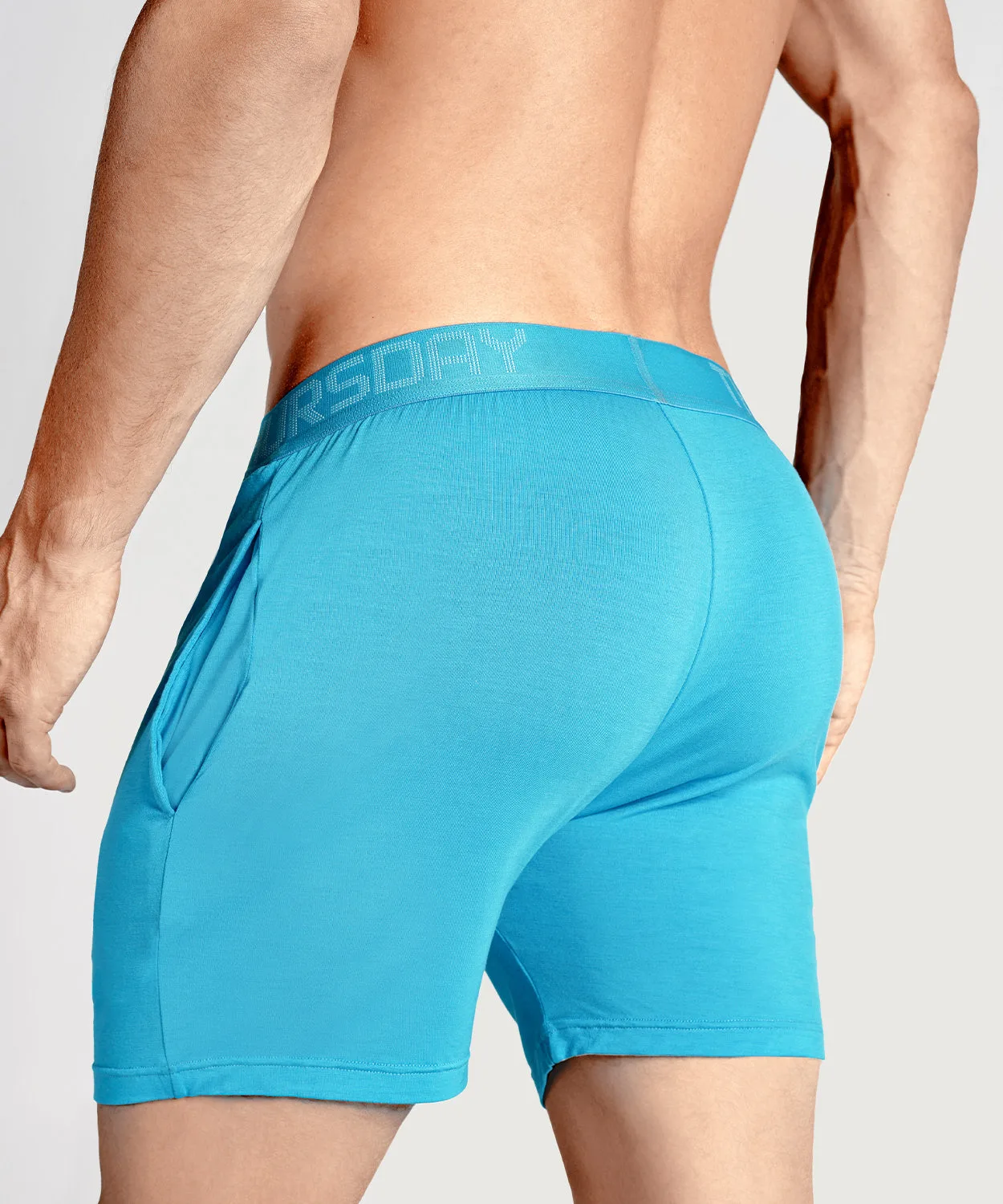
- BUM AROUND Pajama Short: Made from bamboo, these short pajamas offer supreme softness and freshness, with a relaxed fit and elastic waistband for unrestricted movement. Bamboo loungewear is delicate, so treat it like your softest sweatshirt: cold wash, gentle cycle, and air dry to protect the elastic waistband and the fabric's natural softness.
- Essentials Modal Hipster Trunk: Made from ultra-soft modal that wicks away moisture and molds perfectly to the body. Modal is a sustainable fiber that stays smooth when washed cold and air dried. If you already baby your modal underwear, use the same routine for joggers and sweatshirts to keep them soft and shape-holding.
Joggers and sweatshirts do not need a complicated routine. Cold water, gentle cycles, and air drying handle almost everything. Follow the five steps above, and your favorite pieces will stay soft, hold their shape, and look new for far longer than the average laundry cycle allows.