Why Care Matters for Your Organic Cotton Singlet
Your organic cotton singlet is designed for comfort and durability, but how you care for it directly affects how long it stays soft and retains its shape. Unlike synthetic blends, 100% organic cotton needs a gentler approach to avoid shrinkage and maintain its natural feel.
What Your Singlet Is Made Of
-
Organic cotton singlet: This product is 100% organic cotton with cellulose sewing thread, it contains no polyester sewing thread, nylon labelling or spandex. Because there are no synthetic fibers, the singlet is fully compostable at end of life, and it also means you must avoid high heat and harsh chemicals that can damage natural fibers.

Organic cotton singlet
How to Wash Your Organic Cotton Singlet
Washing organic cotton is straightforward, but a few simple steps will keep the fabric looking its best.
- Choose a gentle cycle: Use cold or lukewarm water on a gentle machine cycle. Hot water can cause shrinkage and fade the color faster.
- Use a mild detergent: Opt for a gentle, eco-friendly detergent. Avoid bleach or fabric softeners, which can break down natural fibers and reduce the singlet's lifespan.
- Turn inside out: Washing the singlet inside out protects the outer surface from friction and pilling.
- Air dry preferred: Lay flat or hang to dry away from direct sunlight. Tumble drying on high heat can shrink organic cotton and distort the fit.
Sizing and Fit Considerations for Care
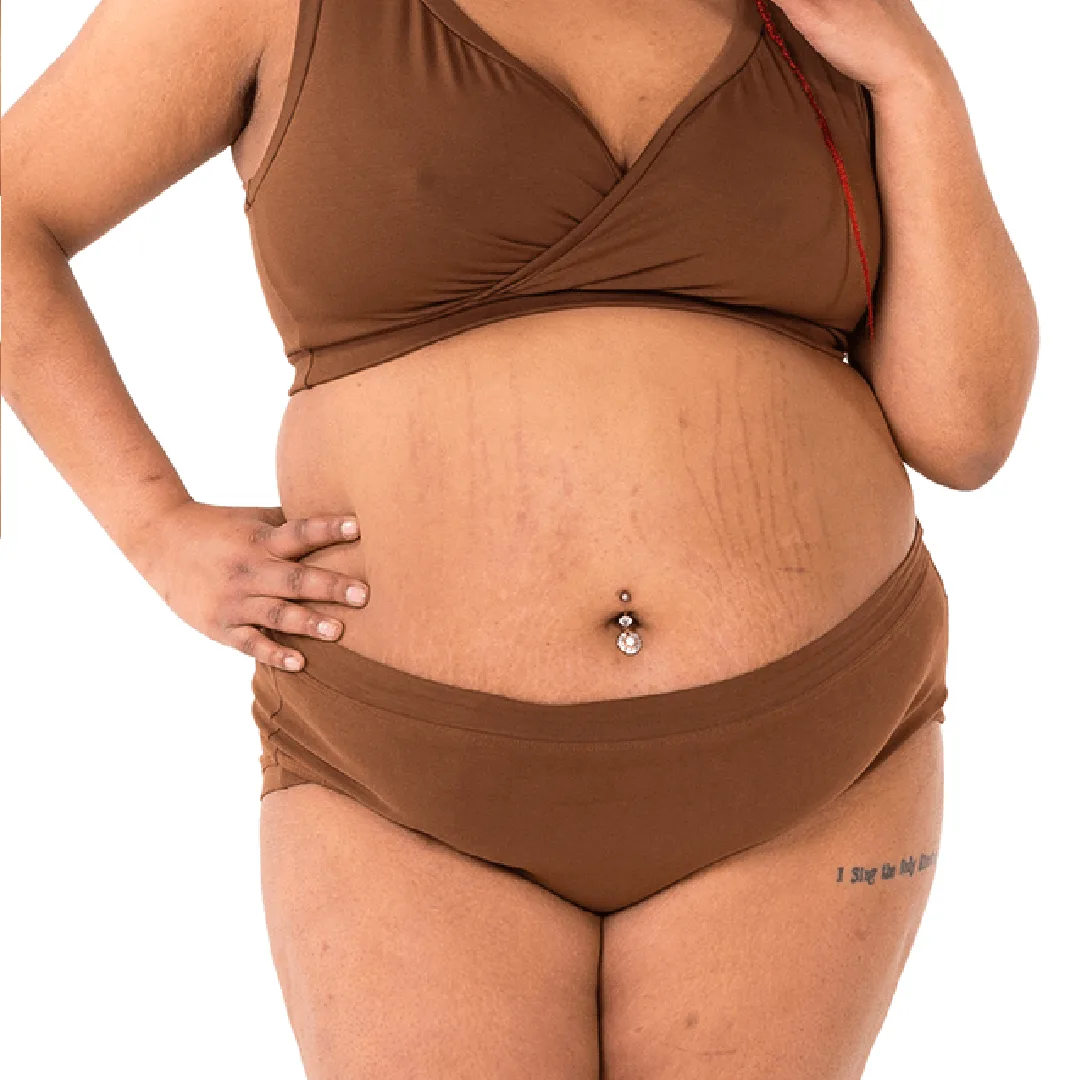
The singlet is designed to fit true to size, but if you prefer a more relaxed fit, you can size up. Keep in mind that 100% organic cotton may have minimal natural shrinkage after the first wash, so if you are between sizes, the larger option gives you a bit of room. The model shown wears size 10 in Vintage Peach and Black, and size 12 in Grey Marl, with a size 10/12 top.
Storage and End-of-Life
Store your singlet folded in a drawer or on a shelf. Avoid hanging it on thin wire hangers that can stretch the shoulder seams. When the singlet has reached the end of its wearable life, it is 100% compostable — you can cut it up and add it to your home compost or worm farm.