Quick Answer
To get the most out of your Rollei HS Freeze akkus, charge them fully before each shoot, avoid deep discharges, and store them at room temperature when not in use.
Why Charging Habits Matter for Studio Flashes
Studio flash units like the HS Freeze series rely on consistent power to deliver fast recycling times and reliable performance. How you charge and treat your akkus directly affects both their daily runtime and their long-term lifespan.
Lithium-ion akkus, which are common in modern flash units, degrade faster when they are frequently fully drained or exposed to high heat. A few simple habits can keep your Rollei HS Freeze akkus performing at their best for years.
Understanding Your HS Freeze Akku Models
Rollei offers different akkus for different HS Freeze models. For example, the HS Freeze Portable and Pro use a 2,500 mAh akku, while other HS Freeze studio flash models have their own dedicated replacements. Always use the akku designed for your specific flash unit to ensure proper fit and safe charging.
If you are unsure which akku your flash uses, check the model number on the flash body or consult your user manual. Using the wrong akku can lead to poor performance or even damage.
Step-by-Step: Charging and Maintaining Your HS Freeze Akkus
- Use the correct charger: Always charge your Rollei HS Freeze akku with the charger that came with your flash unit or a genuine Rollei replacement. Third-party chargers may not provide the correct voltage or current, which can damage the akku or reduce its lifespan. Check that the charger output matches the akku's specifications before plugging in.
- Charge fully before a shoot: Before a studio session, charge the akku until the charger indicates a full charge. Avoid unplugging it early, as a partial charge reduces your available flash count and may lead to mid-shoot downtime. Plan to charge overnight or a few hours before your shoot to ensure a full battery.
- Avoid deep discharges: Try not to run the akku completely flat. Lithium-ion akkus last longer when you recharge them after each use rather than draining them to zero. If you do drain it fully, recharge it as soon as possible to prevent over-discharge damage. Recharge after each session, even if the akku still has some power left.
- Store at moderate temperature: When not in use, store your akkus in a cool, dry place away from direct sunlight or heat sources. High temperatures accelerate battery degradation, so avoid leaving them in a hot car or near studio lights. Aim for a storage temperature between 10°C and 25°C (50°F and 77°F) for optimal lifespan.
- Check for damage regularly: Inspect your akkus periodically for swelling, cracks, or leaks. If you notice any damage, stop using the akku immediately and replace it with a genuine Rollei replacement. Damaged akkus can pose a safety risk. Replace damaged akkus right away—do not attempt to repair them.
Products Mentioned
-
Akku | Studioblitz HS Freeze | versch. Modelle: The original Rollei replacement akkus for HS Freeze flash units offer high reliability and optimal performance, perfectly matched to your flashes. Using the original akku ensures safe charging and consistent power output, so your studio flashes work without unexpected interruptions.
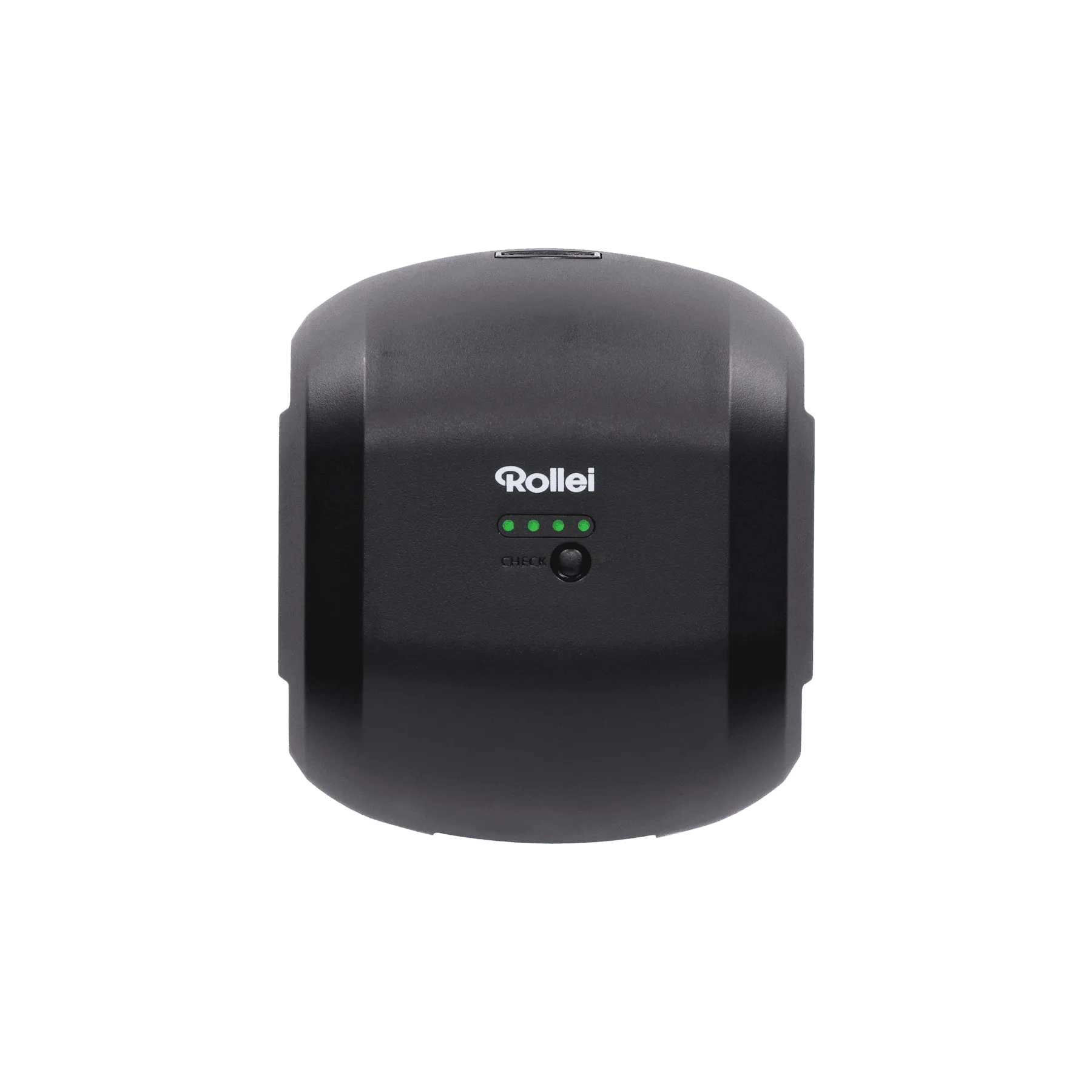
Akku | Studioblitz HS Freeze | versch. Modelle
-
Akku | HS Freeze Portable & Pro | 2.500 mAh: This replacement akku for the HS Freeze Portable and Pro has a capacity of 2,500 mAh, designed for longer photo sessions. The higher capacity lets you shoot longer without worrying about battery level, making it ideal for extended on-location or studio work.
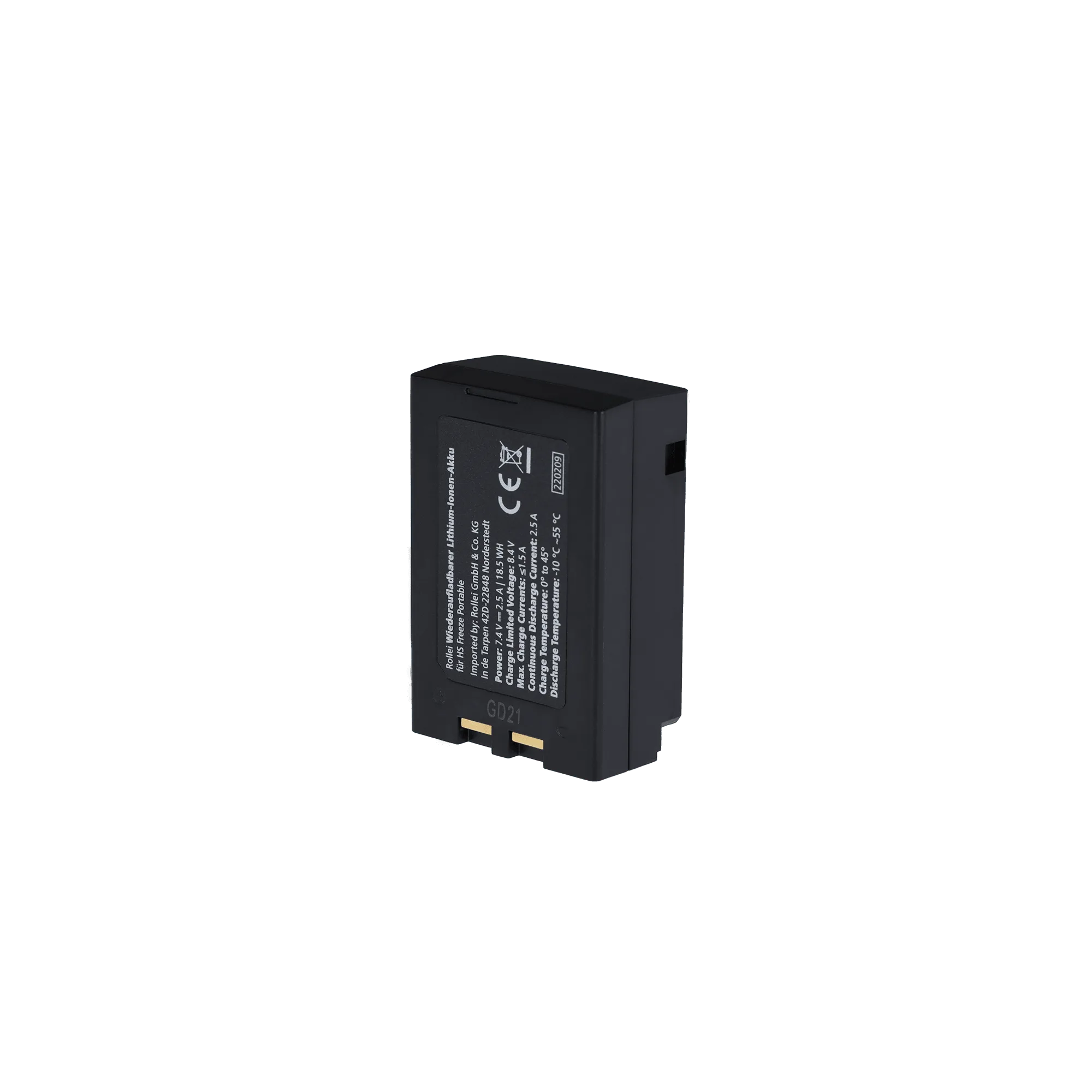
Akku | HS Freeze Portable & Pro | 2.500 mAh