Why Color Matters for 3mm LEDs
When you need a small indicator or a status light, the 3mm LED is a common choice. But color is more than a cosmetic preference — it affects how visible your signal is in different environments and how well it fits your project's purpose.
This guide compares three standard options: green, red, and yellow 3mm LEDs, all sold in packs of 100. We'll help you decide based on real constraints, not just brightness claims.
What the Catalog Confirms About Each LED
-
3mm Diffused LED (Green) - Pack of 100: Standard high quality 3mm green LED in a white diffused / frosted package. Suitable for power and status indicators, back-lighting, message displays, 3D cubes, etc. Sold in packs of 100. The diffused package spreads light evenly, making the green LED ideal for wide-angle indicators or backlighting where a soft glow is preferred.
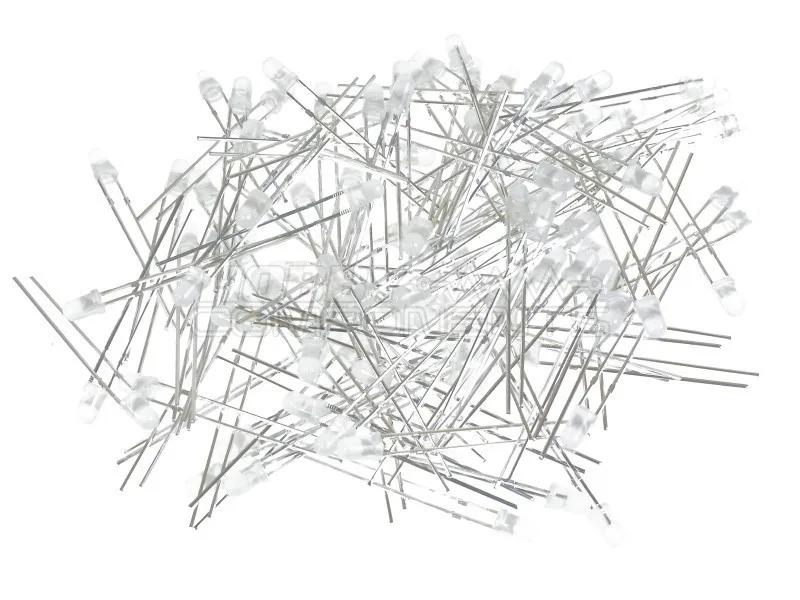
3mm Diffused LED (Green) - Pack of 100
-
3mm Red LED's (Pack of 100): Standard high quality 3mm LED in a coloured package. Suitable for power and status indicators, back-lighting, message displays, etc. Supplied in bags of 100 quantity. The red LED uses a coloured package, which typically gives a more concentrated beam — useful for direct indicators or point-source signals.
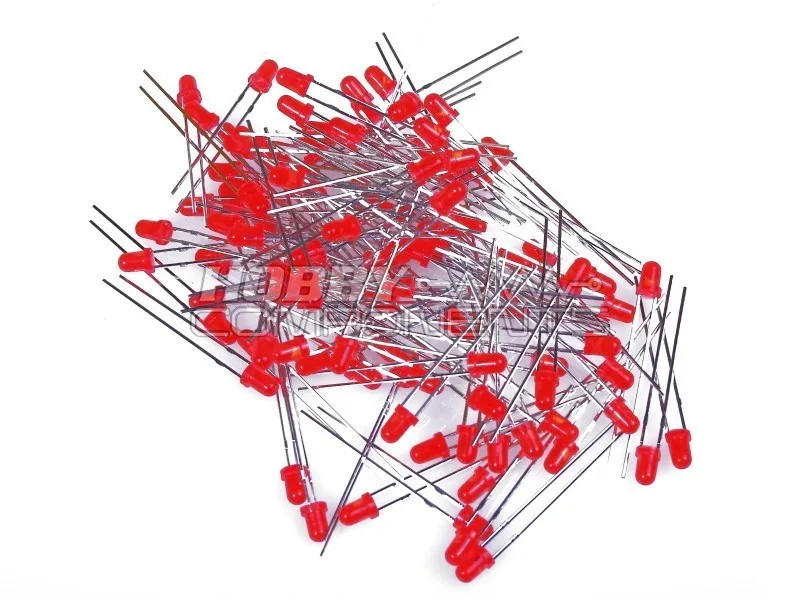
3mm Red LED's (Pack of 100)
-
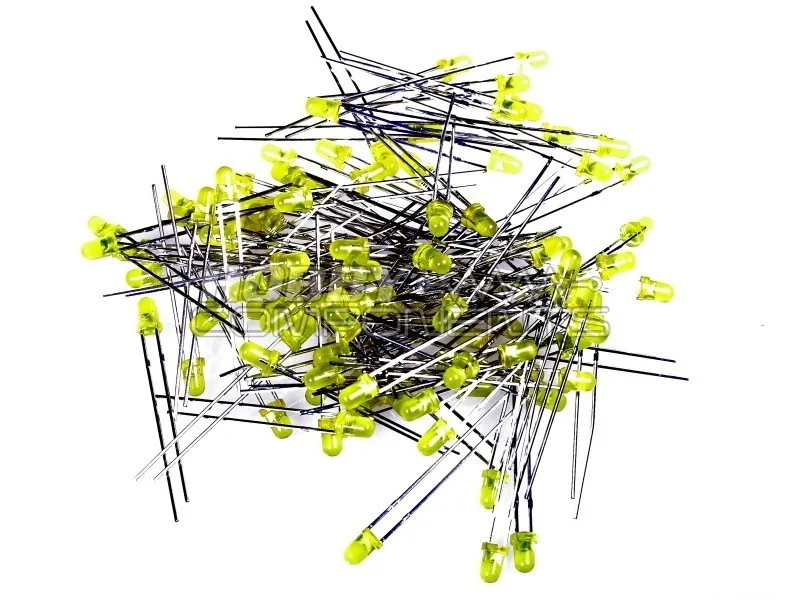
3mm Yellow LED's (Pack of 100): Standard high quality 3mm LED in a coloured package. Suitable for power and status indicators, back-lighting, message displays, etc. Supplied in bags of 100 quantity. The yellow LED also uses a coloured package, offering a distinct hue that stands out against green or red backgrounds in multi-color setups.
Visibility and Environment
In bright ambient light, red LEDs can be harder to see than green or yellow. Green is often the most visible to the human eye in daylight. Yellow provides good contrast against both red and green, making it a useful middle option for status panels.
If your project will be used indoors or in low light, any color works well. For outdoor or brightly lit environments, lean toward green or yellow for better readability.
Application Fit
Green LEDs are common for power-on indicators and go/no-go status. Red is traditional for alarms, warnings, or error states. Yellow often indicates standby, charging, or intermediate conditions.
For decorative effects like LED cubes or message displays, green's diffused package gives a uniform glow, while red and yellow's coloured packages can create sharper points of light.
Pack Value and Quantity
All three options come in packs of 100, which is cost-effective for prototyping or building multiple units. The green diffused LEDs are priced at USD 1.35, red at USD 1.78, and yellow at USD 2.10. If budget is a concern and green works for your application, it offers the lowest per-LED cost.
Quick Color Comparison
- Green (Diffused): Best for even light distribution, backlighting, and high visibility in daylight. Lowest cost per pack.
- Red (Coloured Package): Traditional for warnings and indicators. Concentrated beam. Mid-range cost.
- Yellow (Coloured Package): Good contrast against red/green. Useful for multi-status panels. Highest cost of the three.
Practical Selection Tips
Start by defining the role: indicator, backlight, or decorative element. Then consider your ambient lighting. Finally, check your budget and quantity needs. If you need multiple colors for a multi-status project, buying one pack of each gives you 100 pieces per color — enough for many builds.
Remember that the catalog does not specify forward voltage or current ratings for these LEDs, so you'll need to measure or consult the manufacturer's datasheet to choose the correct current-limiting resistor for your supply voltage.