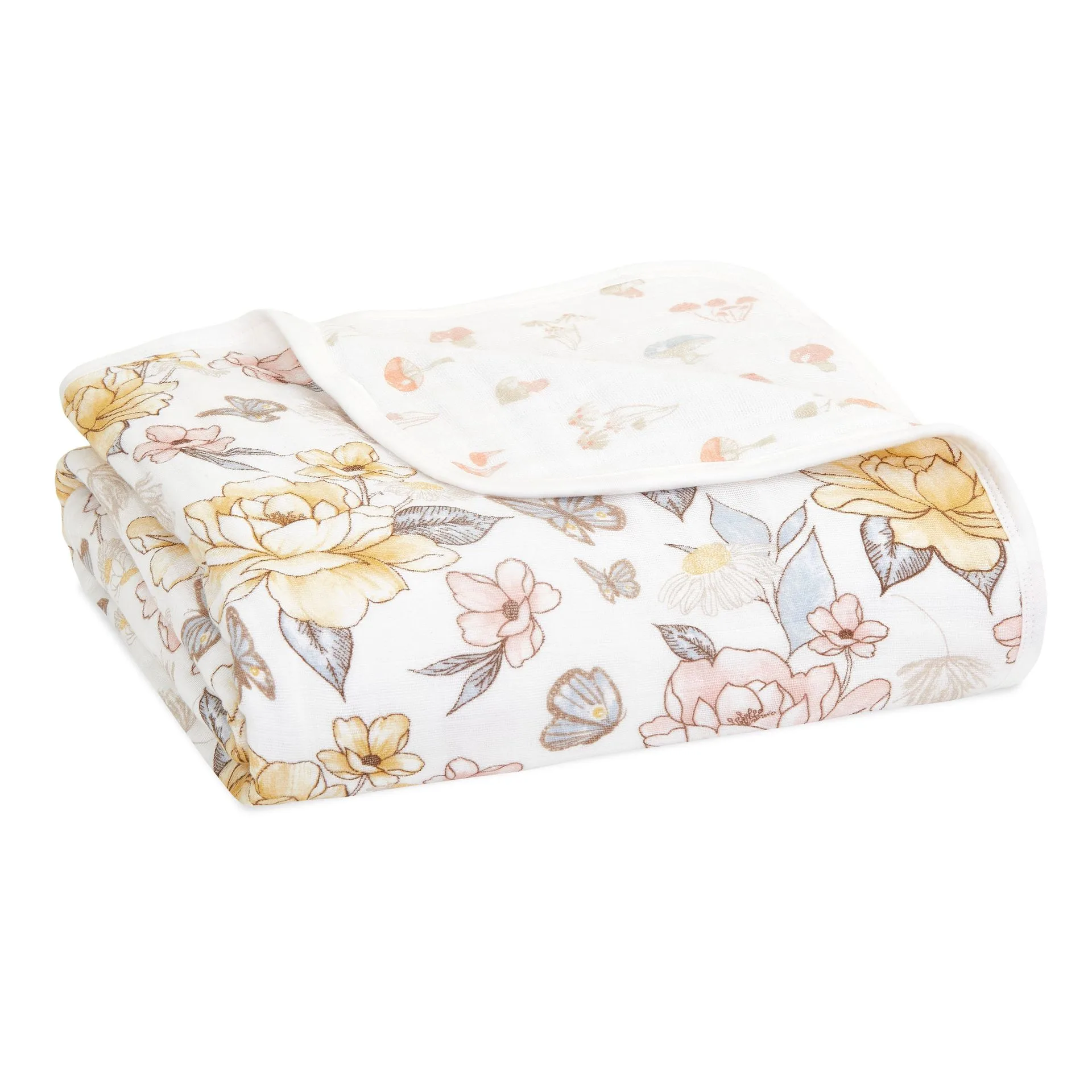
Quick answer
For year-round use, choose a medium-weight, versatile baby blanket in a breathable fabric like cotton or a cotton blend. Look for a size around 30 x 40 inches that works from newborn through toddlerhood, and always follow safe sleep guidelines.
Why one blanket rarely fits all seasons
Babies regulate temperature differently than adults. A heavy fleece blanket that feels cozy in winter can cause overheating in summer, while a thin muslin blanket may not provide enough warmth on a chilly night. The key is to find a blanket that works across multiple seasons without requiring a complete wardrobe swap every few months.
Fabric weight and breathability matter most
The fabric determines how warm or cool the blanket feels. For warm weather, look for lightweight, breathable materials such as cotton or bamboo. For cooler months, a slightly heavier knit or a blanket with a plush texture adds warmth without being too bulky. A medium-weight blanket in a natural fiber can often bridge the gap between seasons, especially when layered with a sleep sack or onesie.
Size and versatility
A blanket that is too small may not provide enough coverage, while one that is too large can become a safety hazard in the crib. A size around 30 x 40 inches is a common sweet spot: large enough to swaddle a newborn or cover a toddler, yet compact enough for stroller or car seat use. Many parents also appreciate a neutral design that transitions from nursery to playroom.
Decision rules for choosing a baby blanket
- Start with the climate: If you live in a region with distinct seasons, choose a medium-weight blanket in a breathable natural fiber. If your home stays warm year-round, a lighter blanket may suffice. For very cold climates, consider layering a medium blanket over a sleep sack rather than using a heavy blanket alone.
- Check the fabric composition: Look for cotton, bamboo, or a cotton blend for breathability and easy care. Avoid synthetic fabrics that trap heat unless you specifically need extra warmth in a cold environment. If the blanket is intended for cuddling rather than sleep, any soft fabric works.
- Match the size to the use: For crib use, choose a blanket no larger than 30 x 40 inches to reduce the risk of entanglement. For stroller or car seat use, a smaller swaddle or receiving blanket is easier to tuck. For playtime or nursing, a larger blanket (up to 40 x 60 inches) provides more coverage. Always follow safe sleep guidelines: keep the crib free of loose bedding for infants under 12 months.
- Consider washability: Babies generate messes. Choose a machine-washable blanket that can withstand frequent washing without losing softness or shape. Pre-wash before first use to remove any manufacturing residues and to pre-shrink the fabric.
Product facts
-
Baby Blanket: Soft, cuddly fabric provides a cozy layer for naps, snuggles, and everyday use. Versatile one-size design suits newborns and growing babies alike. This unisex blanket works from the first weeks through toddlerhood, making it a practical choice for parents who want a single blanket that adapts as the baby grows.
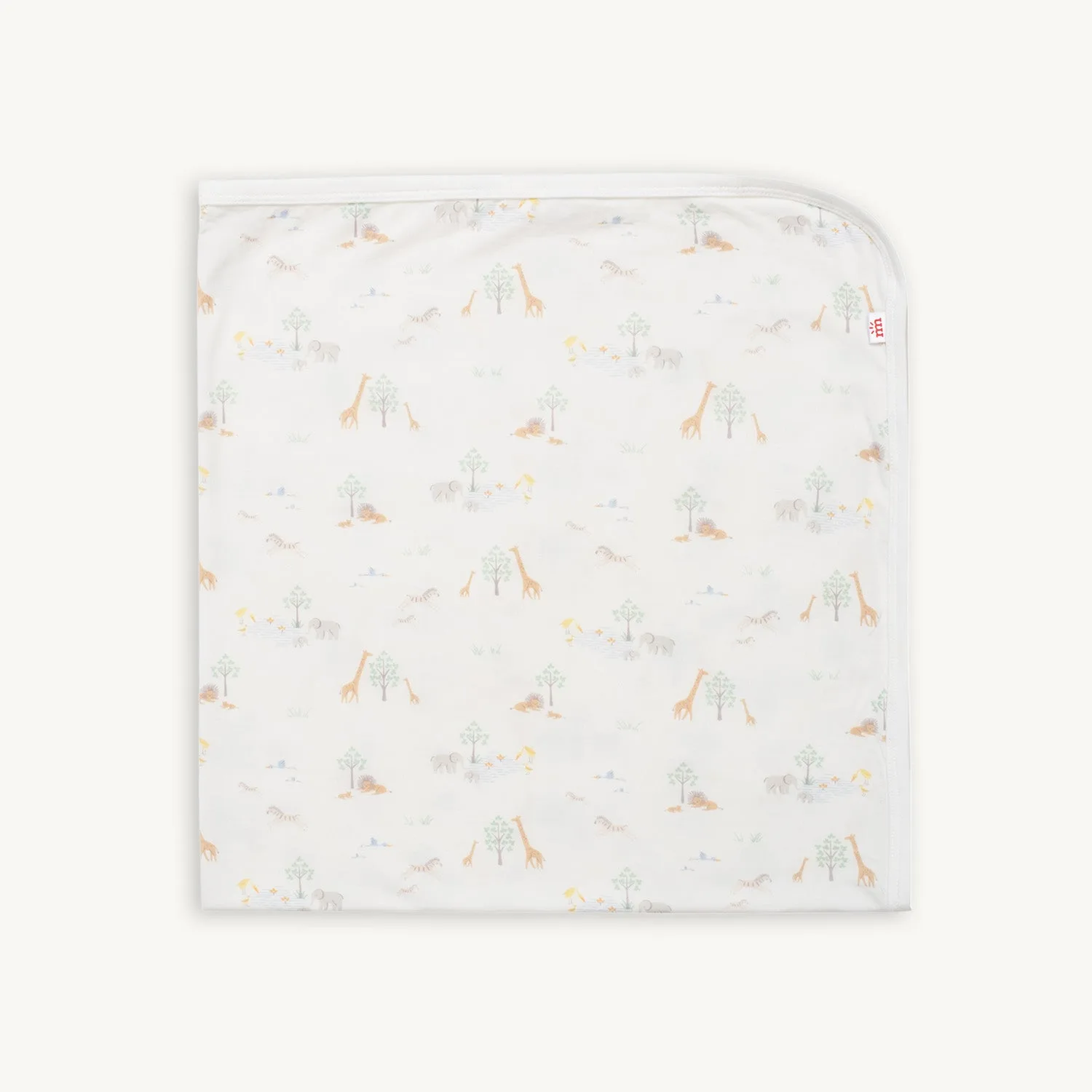
Baby Blanket
-
Baby Blanket: Soft, soothing fabric ideal for snuggling and naptime. Versatile size fits newborns and growing babies. Charming giraffe design adds a playful touch to nursery decor. The playful giraffe print makes it a fun gift option, while the versatile size ensures it remains useful beyond the newborn stage.
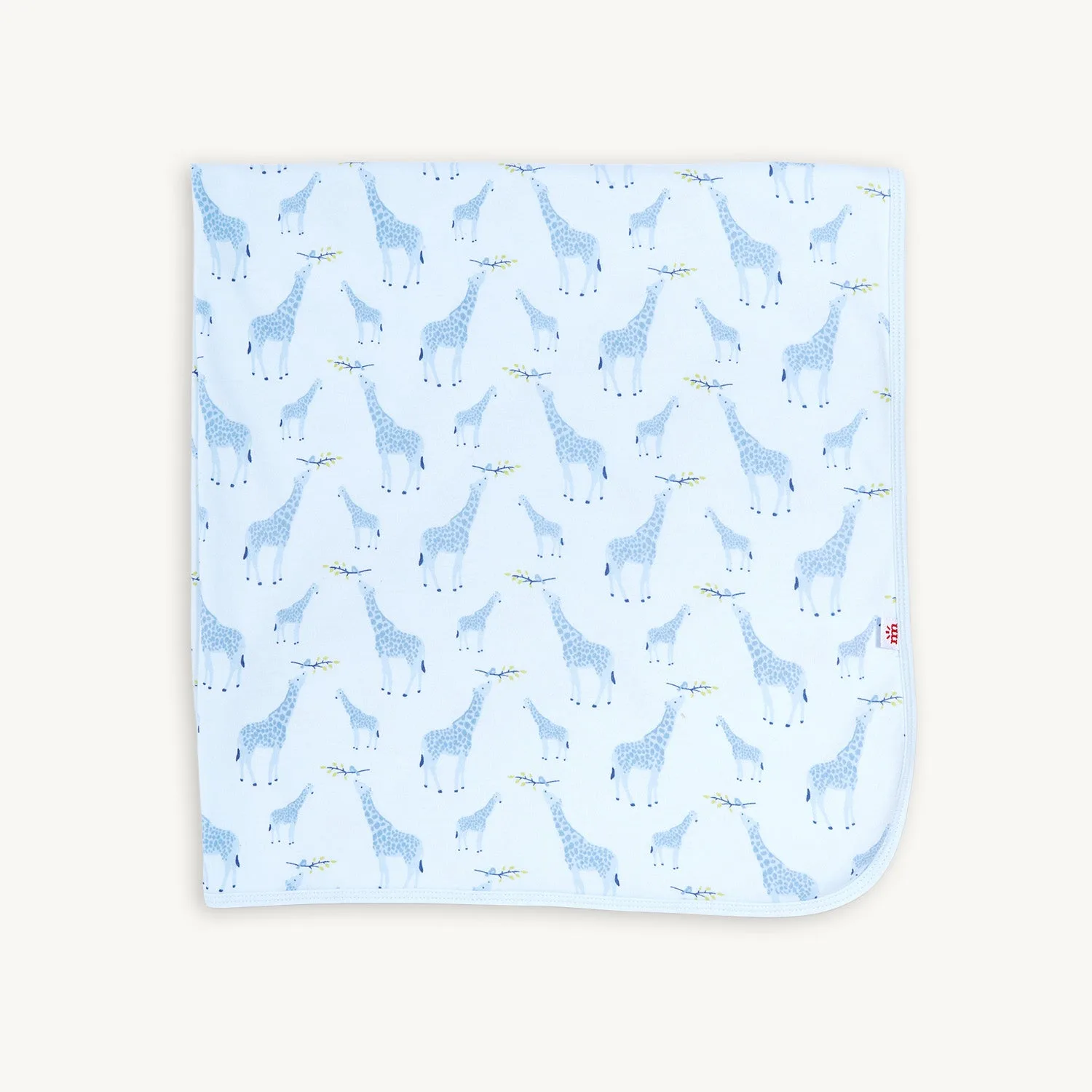
Baby Blanket
Who this guide is for
Best for
- Parents looking for a single versatile blanket that works across seasons
- Gift-givers who want a practical, unisex option
Not for
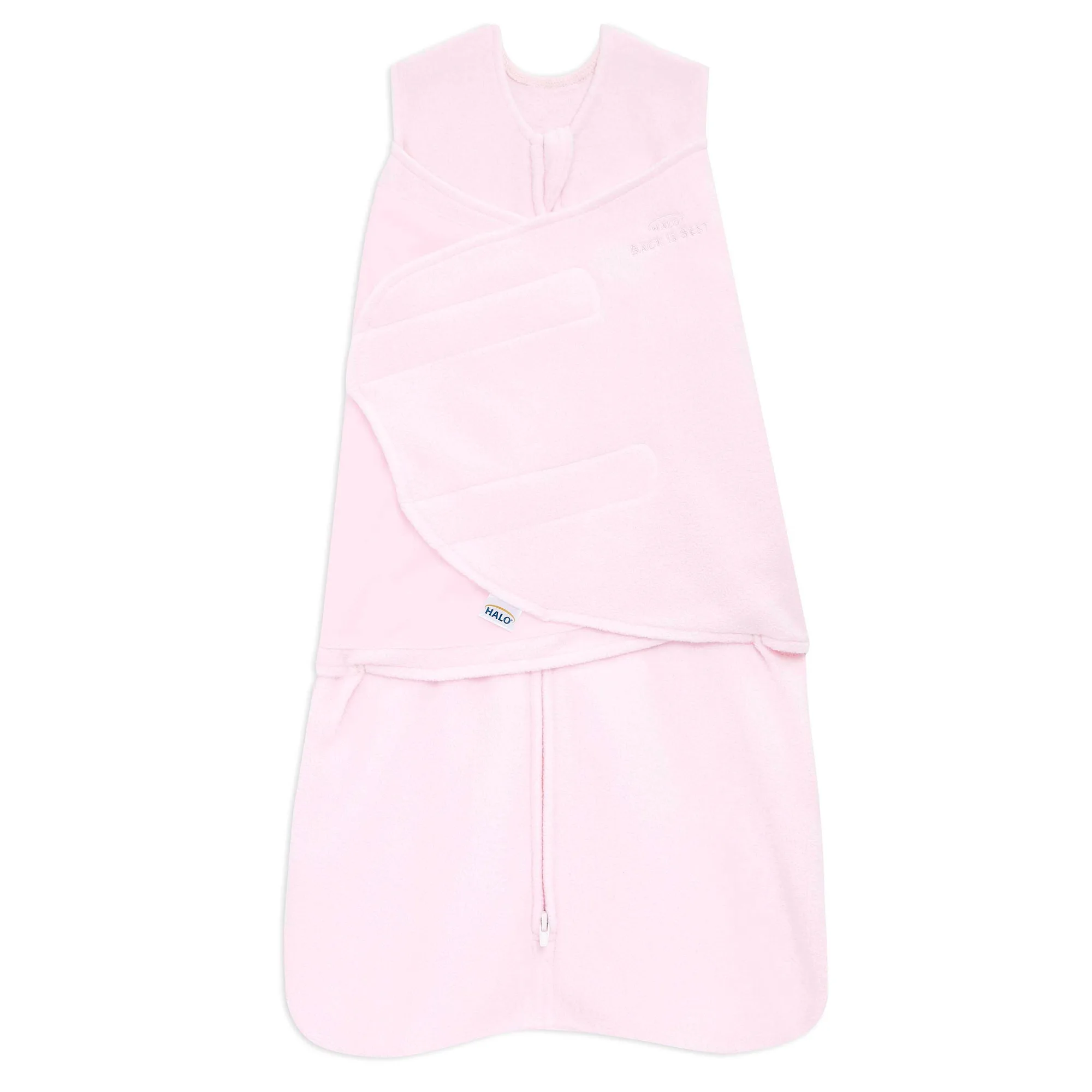
- Parents who need a specialized sleep sack or wearable blanket for safe sleep under 12 months
- Those seeking a heavy winter-only blanket for extremely cold climates