Quick Answer
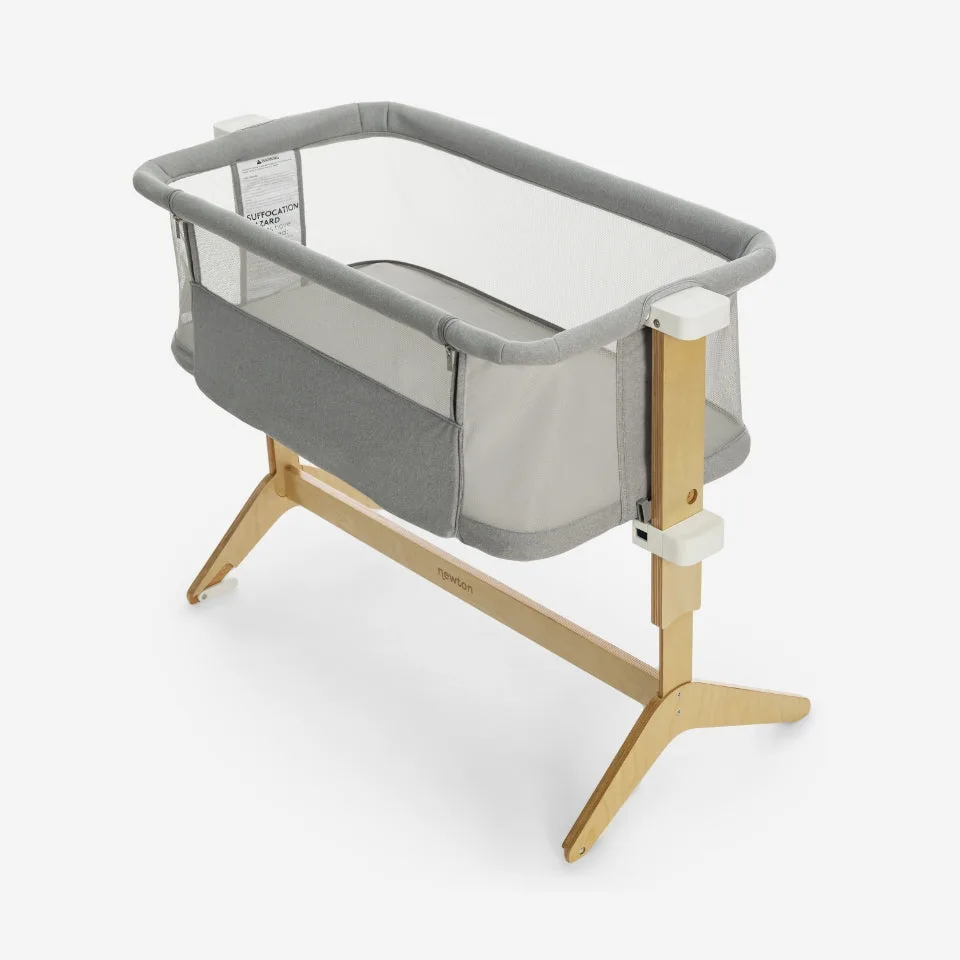
When choosing a bassinet, prioritize safety certifications, a firm and breathable mattress, sturdy construction, and a stable base. For comfort, look for breathable fabrics and easy-to-clean materials. Consider your space and lifestyle to decide between a standalone bassinet, a bedside sleeper, or a convertible option. Always check the weight limit and ensure the bassinet meets current safety standards.
Choosing a bassinet is one of the first big decisions you'll make for your newborn's sleep environment. With so many options on the market, it's easy to feel overwhelmed. But focusing on a few key safety and comfort features can simplify the process and give you peace of mind.
In this bassinet buying guide, we'll walk you through the essential features to consider, from safety certifications to mattress quality and ease of use. We'll also provide clear decision rules to help you match a bassinet to your family's needs and lifestyle.
Safety Features That Matter Most
Safety is the top priority when selecting a bassinet. Look for a bassinet that meets the safety standards set by the Consumer Product Safety Commission (CPSC) and ASTM International. These standards ensure the bassinet is stable, has no sharp edges, and uses non-toxic materials.
Key safety features include a sturdy frame that doesn't wobble, a firm mattress that fits snugly without gaps, and breathable mesh sides to reduce the risk of suffocation. Also, check the weight limit – most bassinets support babies up to 15-20 pounds. Once your baby starts pushing up on hands and knees, it's time to transition to a crib.
- Always register your bassinet with the manufacturer to receive safety recall notifications.
- Avoid adding pillows, blankets, or stuffed animals to the bassinet – a bare sleep surface is safest.
Comfort Features for Better Sleep
Comfort is crucial for helping your newborn sleep longer stretches. A breathable mattress is essential to regulate your baby's temperature and reduce the risk of overheating. Look for mattresses with breathable cores or covers that promote airflow.
The mattress should be firm – a firm surface reduces the risk of SIDS. Also, consider the fabric of the bassinet and mattress cover. Soft, organic cotton is gentle on your baby's skin and easy to wash. A waterproof, washable cover is a practical choice for handling spills and accidents.
- Check if the bassinet mattress cover is machine washable for easy cleanup.
- Consider a bassinet with a canopy or shade to protect your baby from bright light during daytime naps.
Types of Bassinets: Standalone, Bedside, and Convertible
Bassinets come in various styles to fit different needs. Standalone bassinets are portable and can be moved from room to room. Bedside sleepers attach to your bed, making nighttime feedings easier. Convertible bassinets may transform into a changing table or a play yard, offering long-term value.
Think about your daily routine and nursery layout. If you plan to move the bassinet between rooms, a lightweight model with wheels is ideal. If you're co-sleeping (room-sharing), a bedside sleeper with a drop-down side can be a game-changer. For small spaces, a compact bassinet that folds for storage might be the best choice.
- Measure your bedroom and nursery space before purchasing to ensure a good fit.
- Consider how long you'll use the bassinet – if you want it to last, look for a convertible option.
Ease of Use and Maintenance
A bassinet should be easy to assemble, use, and clean. Look for simple assembly with clear instructions and minimal parts. A removable, machine-washable mattress cover is a must for quick cleanups. Some bassinets also feature a water-resistant mattress that wipes down easily.
Consider features like a storage shelf or pockets for keeping essentials within reach. A sturdy handle or carrying case makes transport easier. Also, check the stability of the bassinet – it should not tip over when your baby moves or when you lean over it.
- Test the assembly process in the store or read reviews to ensure it's straightforward.
- Choose a bassinet with a removable cover that can be easily replaced if stained or worn.
Decision Rules for Choosing a Bassinet
- Safety First: Always choose a bassinet that meets CPSC and ASTM safety standards. Check for a sturdy frame, a firm mattress that fits snugly, and breathable mesh sides. If a bassinet lacks clear safety certifications, skip it.
- Breathability Is Non-Negotiable: Look for a bassinet mattress with a breathable design to reduce overheating and suffocation risks. Breathable materials also help regulate your baby's temperature. Opt for a mattress with a breathable core or cover, like those offered by Newton.
- Consider Your Space and Lifestyle: If you need to move the bassinet between rooms, choose a lightweight model with wheels. If you're room-sharing, a bedside sleeper with a drop-down side is ideal. Match the bassinet type to your daily routine and nursery layout.
- Ease of Cleaning: Choose a bassinet with a removable, machine-washable mattress cover. Waterproof covers are even better for handling accidents. Having a spare cover on hand can save you time and stress.
Bassinet-Compatible Products from Newton
- Extra Bassinet Mattress Cover: Ultra-breathable, quilted, and machine washable, the Extra Bassinet Mattress Cover is easy to swap whenever accidents happen. It is designed for the Bassinet & Bedside Sleeper or Essential Bassinet only. Having a spare cover ensures you always have a clean, dry surface for your baby, making middle-of-the-night accidents less stressful.
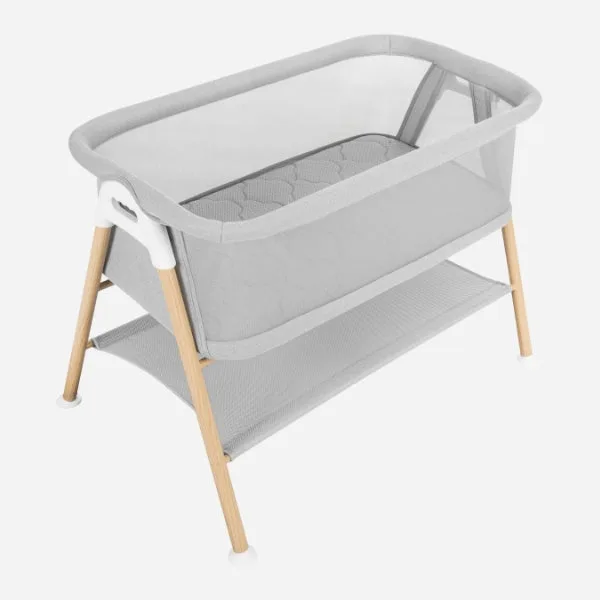
Essential Bassinet
- Extra Mini Crib Mattress Cover: Our ultra-breathable & washable soft, single layer eyelet cover is designed to quickly replace the Mini Crib Mattress cover when accidents happen. Cover fits the Newton Mini Crib Mattress ONLY. If you're using a mini crib mattress for a bassinet or travel setup, this cover provides the same easy-clean convenience for quick refreshes.
Which Bassinet Is Right for You?
Best for
- Parents who prioritize safety and breathability and want a dedicated sleep space for their newborn in the first few months.
- Families who need a portable bassinet that can be moved between rooms or while traveling.
Not for
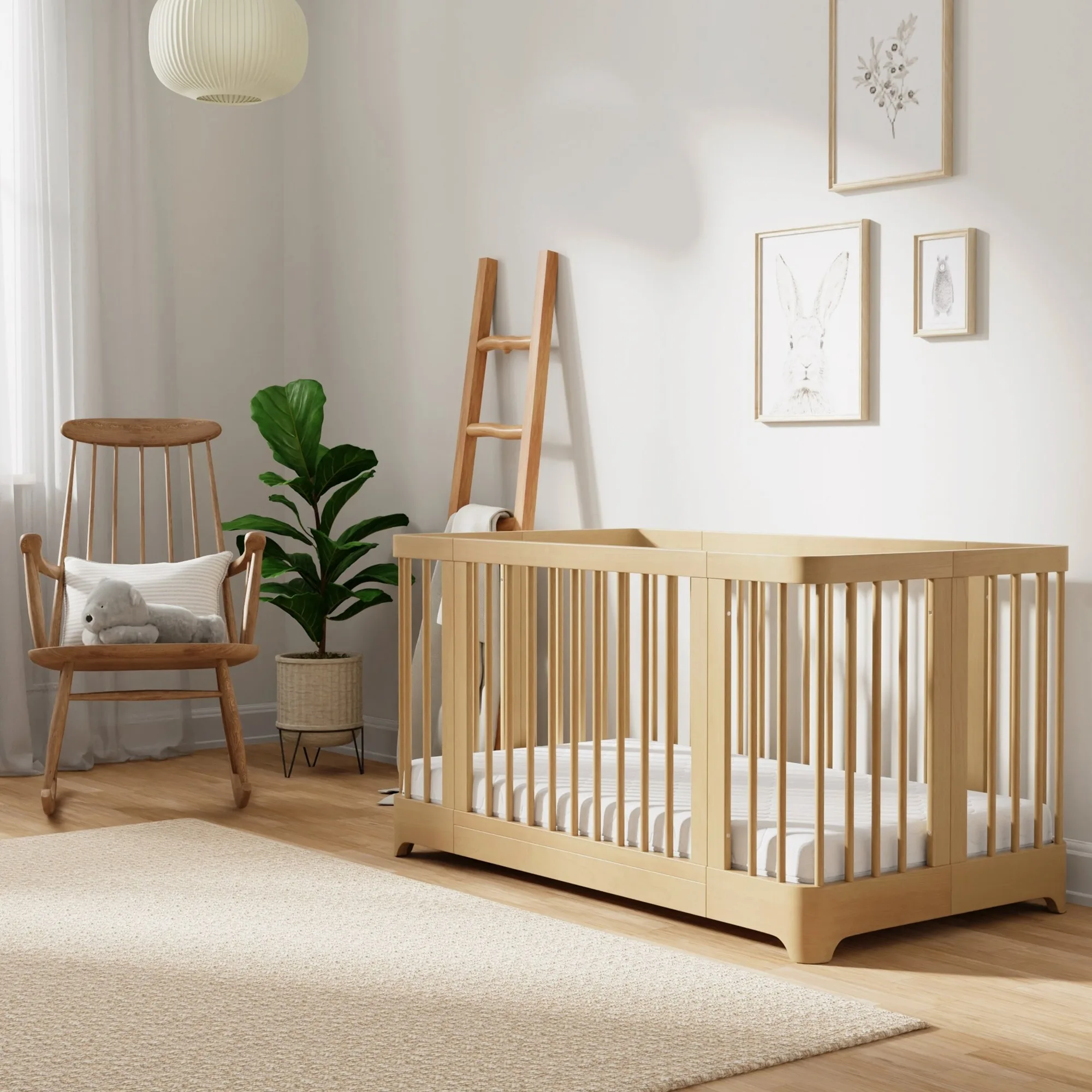
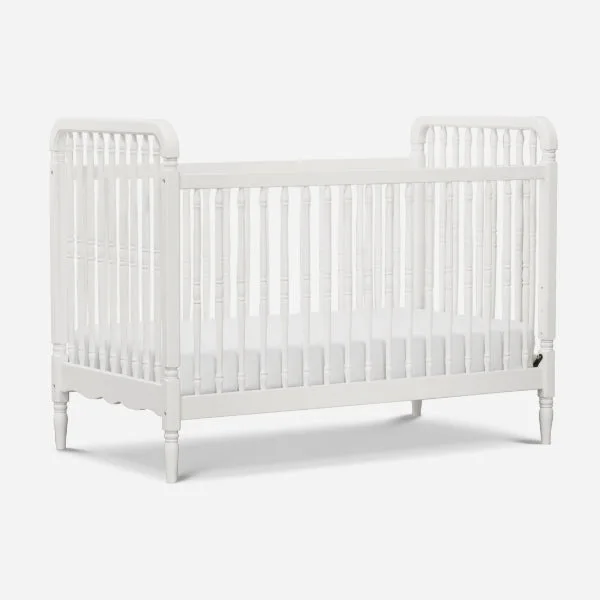
- Parents who prefer a long-term sleep solution – a convertible crib or a mini crib might be more cost-effective.
- Families with limited space who need a multi-functional piece, such as a play yard or a bassinet that converts to a changing table.
Choosing the right bassinet is a balance of safety, comfort, and practicality. By focusing on key features like breathability, firmness, and ease of cleaning, you can create a safe and cozy sleep environment for your newborn. Remember to consider your lifestyle and space needs. And don't forget to check out products like the Extra Bassinet Mattress Cover to keep your bassinet fresh and clean. Happy parenting!