Quick answer
Your choice depends on where you park and how long. For quick errands in low-risk areas, a cable lock is light and convenient. For overnight or high-theft zones, a D-lock or folding lock offers much better security. Chain locks balance flexibility and strength for varied locking spots.
Security vs. portability: the trade-off
Thinner, lighter locks are easier to carry but offer less resistance to bolt cutters or leverage attacks. Heavier locks with thicker shackles or chains deter thieves but add weight to your ride.
Consider where you lock up most often. If you leave your bike outside a coffee shop for 10 minutes, a cable lock may be enough. If you park overnight in a city, invest in a high-security D-lock or folding lock.
Locking flexibility matters
Cable and chain locks wrap around irregular objects like signposts or trees more easily than rigid D-locks. Folding locks offer a middle ground: they are compact but still flexible enough to secure your frame and wheel to a post.
If you frequently lock up at different locations with varied anchor points, a chain or folding lock gives you more options without sacrificing too much security.
How to decide: four simple rules
- Rule 1: Match lock type to theft risk: In low-risk areas (quiet suburbs, daytime parking), a cable lock is sufficient. In high-risk areas (city centers, overnight parking), choose a D-lock or folding lock with a hardened shackle. Check local bike theft reports to gauge your area's risk level.
- Rule 2: Consider carrying convenience: Cable locks are light and can be coiled around a seat post. Chain locks are heavier but can be worn as a belt or carried in a bag. D-locks and folding locks often come with frame mounts for easy transport. If you ride without a bag, a frame-mounted D-lock or folding lock is the most convenient.
- Rule 3: Evaluate locking points: If you always lock to a standard bike rack, a D-lock is simple and secure. If you need to lock to trees, signposts, or railings, a chain or folding lock offers more flexibility. Think about the objects you actually lock to every day.
- Rule 4: Balance budget and replacement cost: A more expensive lock is a bigger upfront investment, but losing a cheap lock (and your bike) costs more in the long run. Buy the best lock you can afford for your bike's value. Insure your bike and register its serial number even with a high-quality lock.
Product highlights
-
ABUS Numero 5510C Combination Cable Lock: The ABUS Numero 5510C Combination Cable Lock features a spiral cable design and dark-touch imprinting for easy use in low light. Great for quick stops where convenience and visibility matter, but its cable construction offers limited resistance to cutting tools.
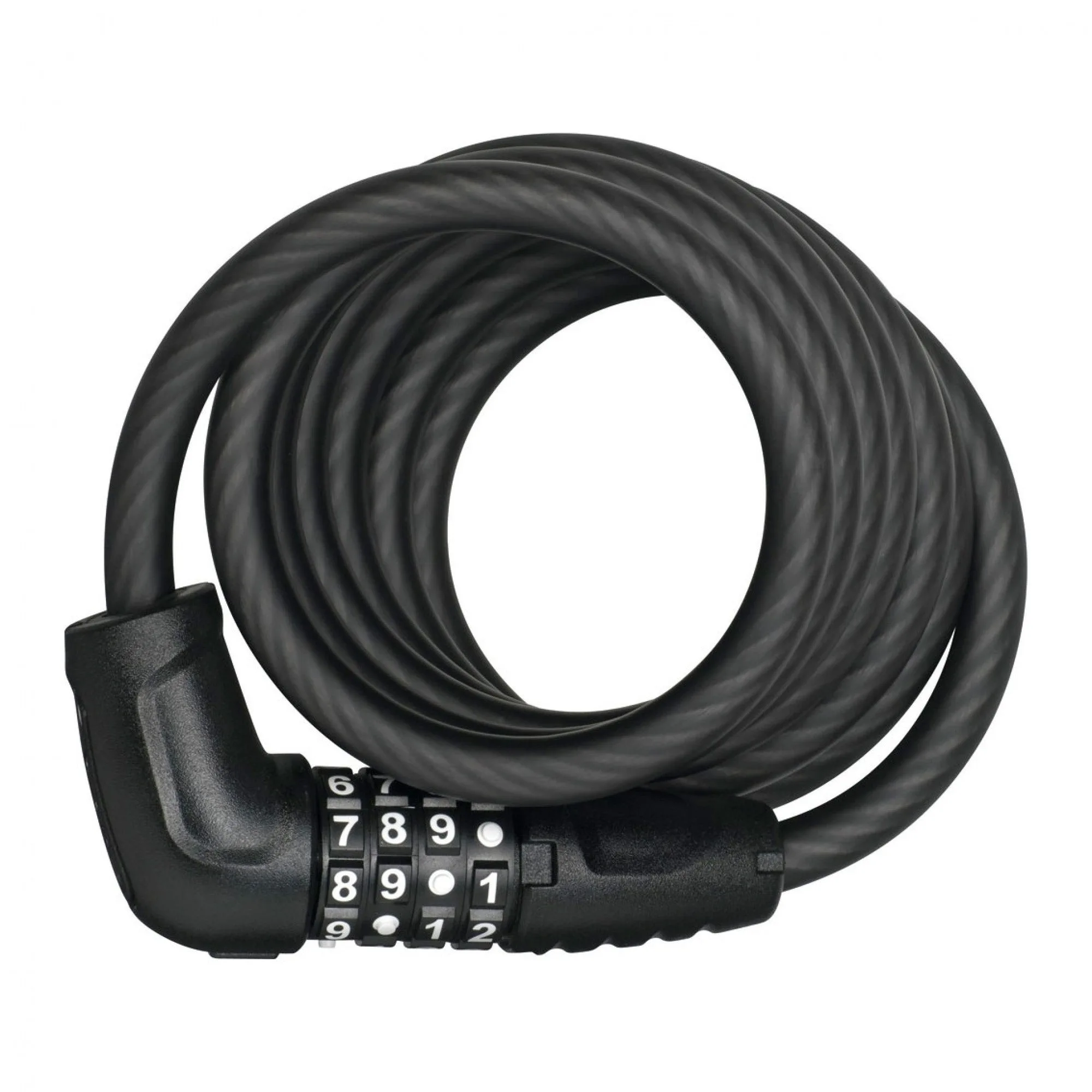
ABUS Numero 5510C Combination Cable Lock
-
ABUS Steel-O-Chain 5805K Key Chain Lock: The ABUS Steel-O-Chain 5805K Key Chain Lock uses a 5mm square chain made from specially hardened steel for flexibility and strength. Ideal for locking to various objects thanks to its flexibility, but the chain adds weight and the key operation may be less convenient than a combination.
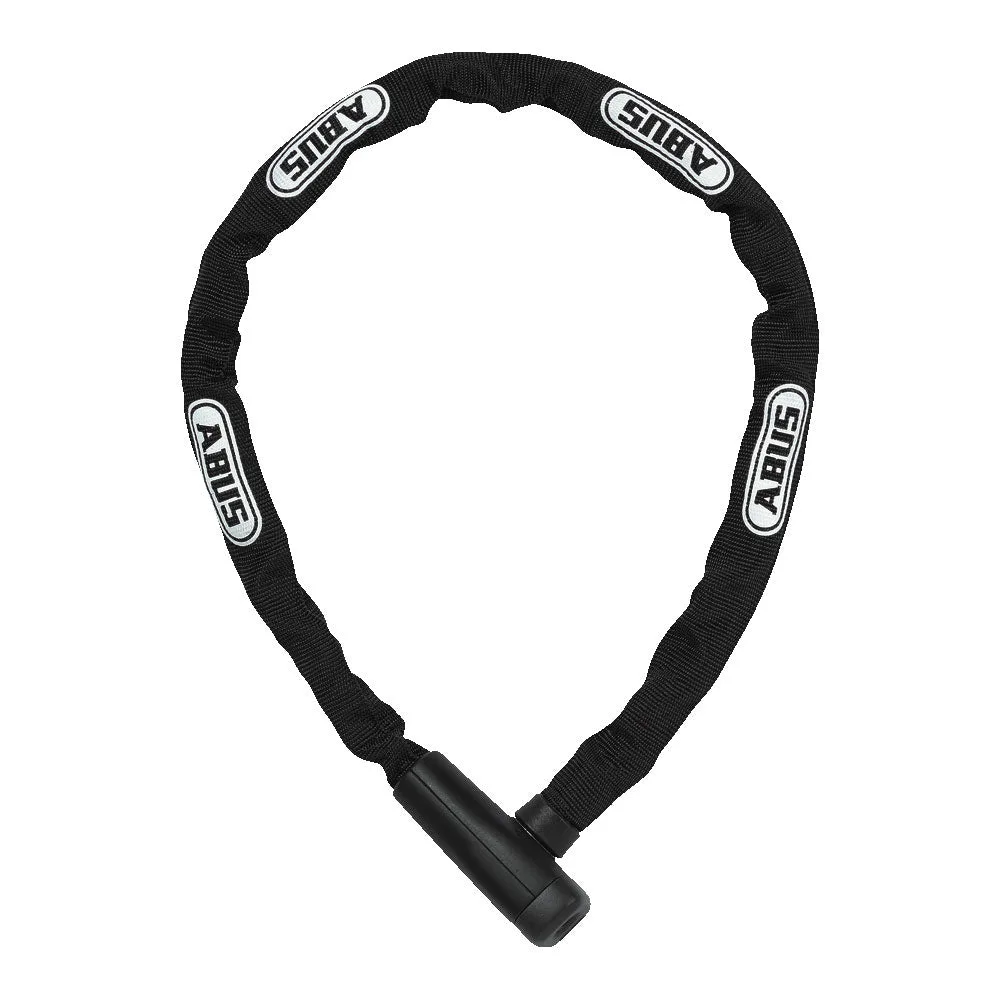
ABUS Steel-O-Chain 5805K Key Chain Lock
Which lock is right for you?
Best for
- Commuters who park in low-risk areas for short periods and want a light, quick lock.
- Cyclists who need flexibility to lock to various objects and don't mind carrying extra weight.
- Riders who park overnight or in high-theft zones and prioritize maximum security over portability.
- Urban cyclists who want a compact, mid-security lock that fits in a bag or mounts on the frame.
Not for
- High-risk overnight parking without additional security measures.
- Situations where you need to lock multiple bikes or secure the front wheel separately.