Quick Answer
For most dry skin, choose a fragrance-free cream or gel-cream that lists humectants like hyaluronic acid or glycerin plus an occlusive or emollient such as ceramides, shea butter, or squalane. Apply it within three minutes of toweling off, while skin is still damp, to trap water instead of just adding it. If your skin is eczema-prone or reactive, start with a non-comedogenic, fragrance-free formula and patch-test on your inner arm for two nights before using it all over.
Body Lotion vs Body Cream: How to Decide
The difference is water-to-oil ratio, not marketing. Lotions are mostly water with a small oil phase, so they spread fast, absorb quickly, and feel light. Creams and balms carry more oil and butters, so they leave a richer film that slows water loss. That film is what dry skin actually needs when tightness returns within an hour of applying a lotion.
Use the two-hour test. Apply your current product to one forearm and wait two hours without touching it. If the skin feels tight or looks ashy again, a lotion is not enough and you should move to a cream, gel-cream, or balm. If it still feels comfortable but slightly tacky, a lotion is fine and you can save the richer texture for winter or for legs and elbows only.
Gel-creams sit between the two. They use a gelling agent to hold water in a light, non-greasy texture, which suits people who hate the slip of heavy creams but still need more than a watery lotion. They are the better pick for humid climates and for skin that gets dry but also breaks out on the back or chest.
- Choose a lotion if: skin feels normal two hours after applying, you live in a humid climate, or you want something you can reapply at your desk.
- Choose a cream or balm if: tightness returns within an hour, skin flakes or cracks, or you are applying after a hot shower in winter.
- Choose a gel-cream if: you want cream-level hydration without a heavy residue, or you layer body products under clothing.
Moisturizer Ingredients for Dry Skin: What to Look For
Dry skin needs three jobs done: water brought in, water held, and the barrier repaired. Humectants such as hyaluronic acid, glycerin, and coconut water pull water into the upper layers. Emollients such as cherry extract or lightweight oils soften and smooth the surface. Occlusives and barrier ingredients such as ceramides, shea butter, and squalane slow water loss and fill gaps between skin cells.
A product with only humectants can make dryness worse in very dry air, because the water it attracts evaporates off the surface. That is why a hyaluronic acid body product should also contain something that seals it in. Check the ingredient list for at least one humectant and one emollient or occlusive before you buy.
Fragrance is the most common trigger for reactive, itchy dry skin, so fragrance-free formulas are the safer default for eczema-prone skin. Also look for non-comedogenic labeling if you get breakouts on your back, chest, or arms. Ingredients like urea and lactic acid can help thick, flaky areas such as heels and elbows, but they can sting on cracked or freshly shaved skin, so keep them away from the shins right after shaving.
- Humectants to look for: hyaluronic acid, glycerin, coconut water.
- Emollients and occlusives to look for: ceramides, shea butter, squalane, cherry extract.
- Skip or patch-test first: added fragrance, essential oils, and high-percentage exfoliating acids on broken skin.
How to Build a Body Care Routine That Actually Holds Hydration
Timing does more work than product choice. Apply within three minutes of stepping out of the shower, while skin is still damp, then pat rather than rub. Rubbing drags on damp skin and can trigger itching in people with dry, reactive skin.
Layer from thinnest to thickest. If you use a hydrating body mist or serum, apply it first, then seal with a cream or balm. For very dry legs in winter, a thin layer of petroleum jelly or a balm over your cream at night traps water while you sleep.
Exfoliate once or twice a week at most, and only on skin that is not cracked. Over-exfoliating removes the outer barrier and makes dryness worse, which is why many people feel they need more moisturizer when the real fix is less scrubbing. Keep a travel-size product in your bag for hands and any exposed skin that dries out during the day.
- Shower in lukewarm, not hot, water and keep it under ten minutes.
- Pat dry, leave skin slightly damp, and apply moisturizer immediately.
- Reapply to hands and any tight areas once midday in winter.
Decision Rules for Buying a Body Moisturizer
- Rule 1: Match texture to how fast dryness returns: If tightness comes back within an hour, buy a cream or balm. If it holds for two hours or more, a lotion or gel-cream is enough. Do the two-hour forearm test before you buy another bottle.
- Rule 2: Require one humectant plus one barrier ingredient: Scan the label for hyaluronic acid, glycerin, or coconut water alongside ceramides, shea butter, or squalane. Humectants alone can backfire in dry air. No barrier ingredient on the list means keep looking.
- Rule 3: Treat fragrance as a risk, not a feature: Fragrance-free and non-comedogenic formulas are the safer default for eczema-prone, itchy, or breakout-prone dry skin. Patch-test on your inner arm for two nights before full-body use.
- Rule 4: Buy for the season, not forever: A gel-cream that works in summer may not hold in winter. Keep one lighter and one richer formula and switch when the weather changes. Reassess your product each time the seasons turn.
Product Facts That Matter for Dry Skin
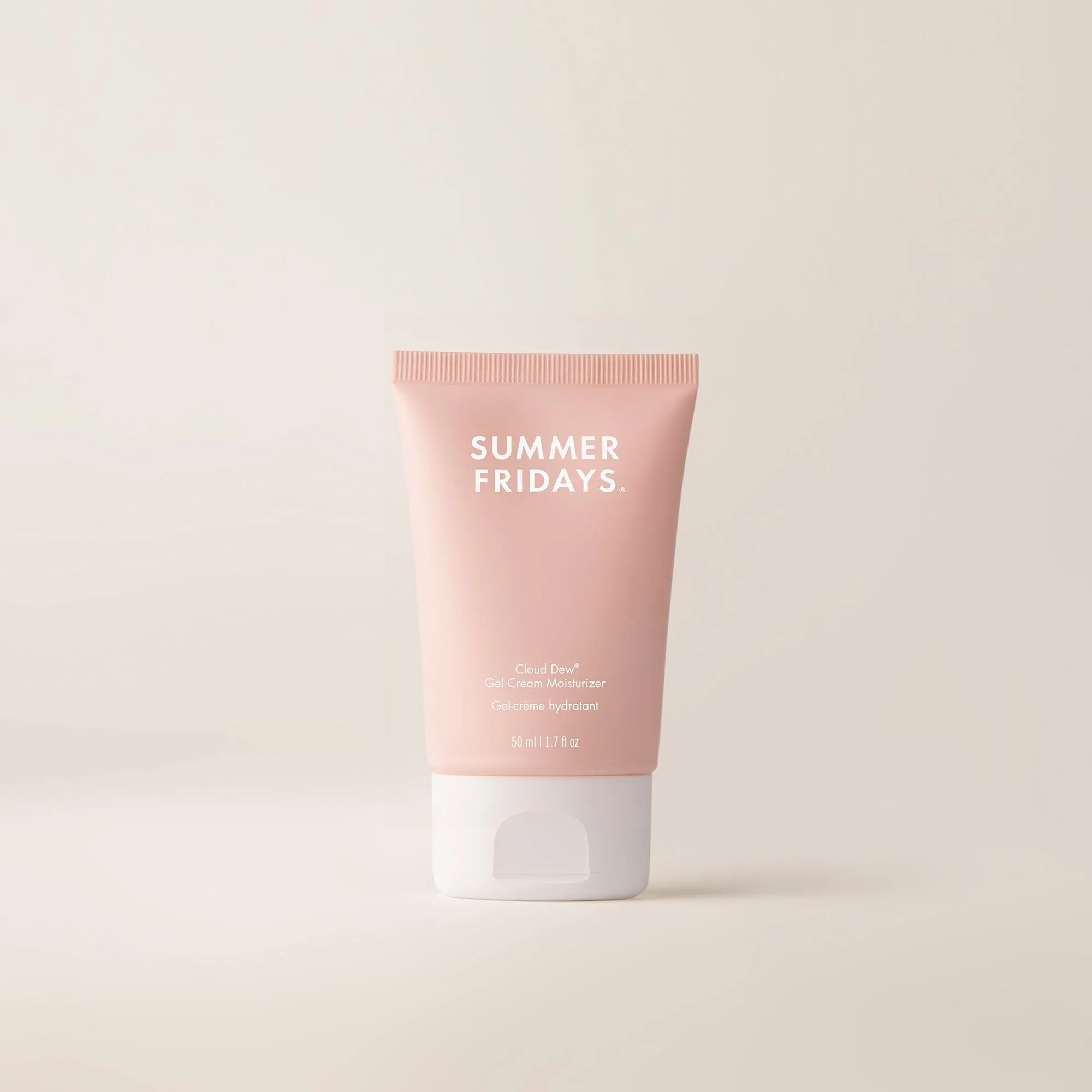
- Mini Cloud Dew® Gel Cream Moisturizer: This lightweight gel cream moisturizer infuses skin with three forms of hyaluronic acid, coconut water and ceramides for long-lasting hydration. It covers both the humectant and barrier sides of the equation, so it is a reasonable pick for dry skin that dislikes heavy creams or lives in a humid climate.
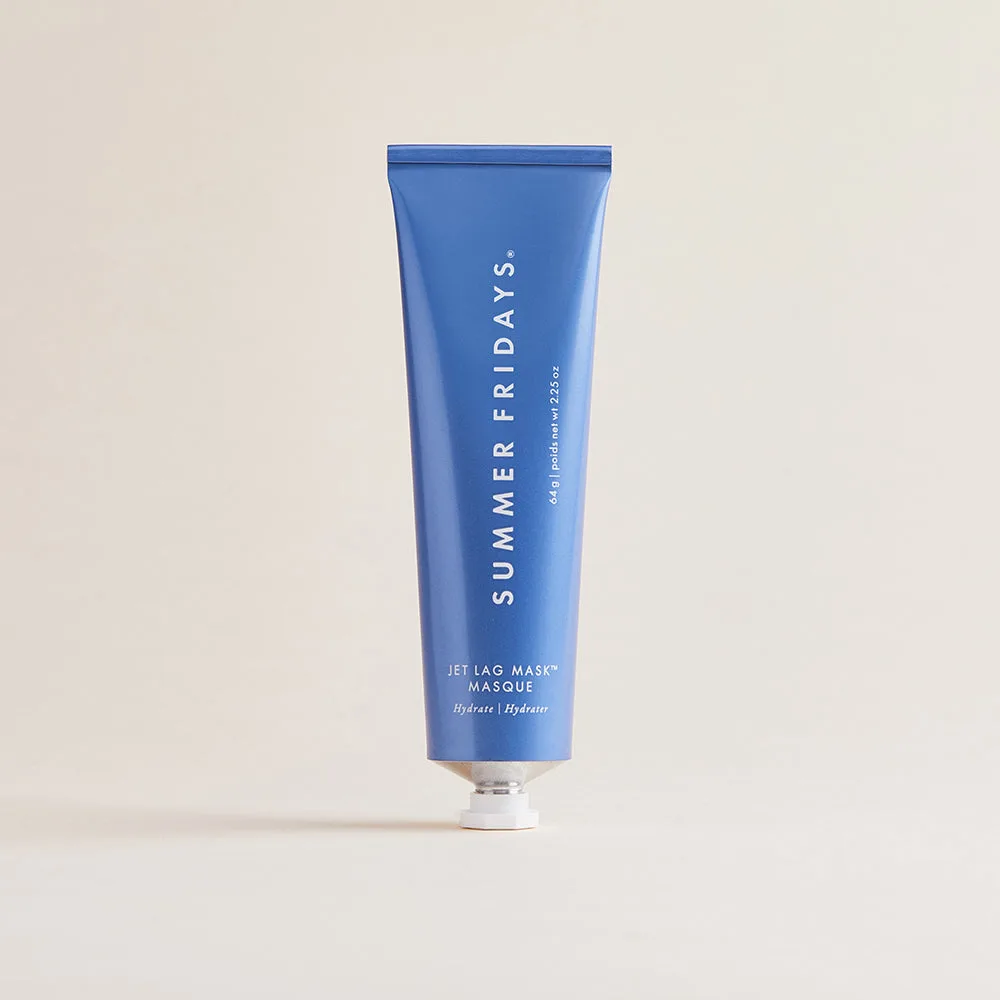
- Jumbo Jet Lag Mask: This formula is non-comedogenic, fragrance-free, and received the National Eczema Association Seal of Acceptance. If your dry skin is also itchy or reactive, a fragrance-free, non-comedogenic mask is the lower-risk choice for an overnight or post-shower hydration step.
Who This Approach Fits
Best for
- People with dry skin who want a clear rule for choosing between a lotion, gel-cream, and cream
- Anyone building a simple body care routine and unsure which ingredients to prioritize
- Shoppers who want fragrance-free, non-comedogenic options for reactive or eczema-prone skin
Not for
- Anyone looking for a prescription treatment for a diagnosed skin condition, who should consult a dermatologist
- People who want an exfoliating acid body product for keratosis pilaris or rough texture, which needs a different product category